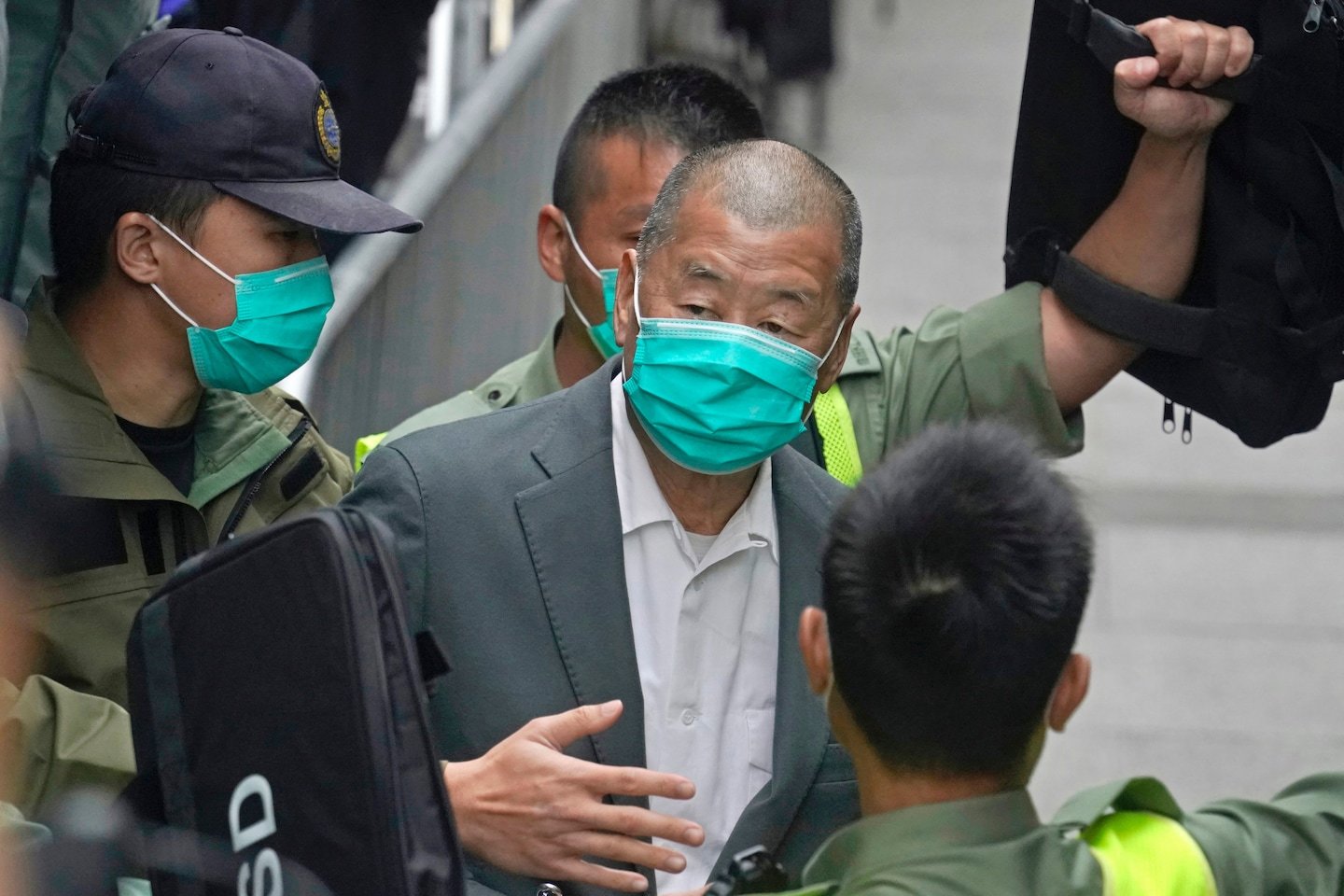
Family warns Jimmy Lai may die in prison as court prepares to deliver verdict after months-long trial
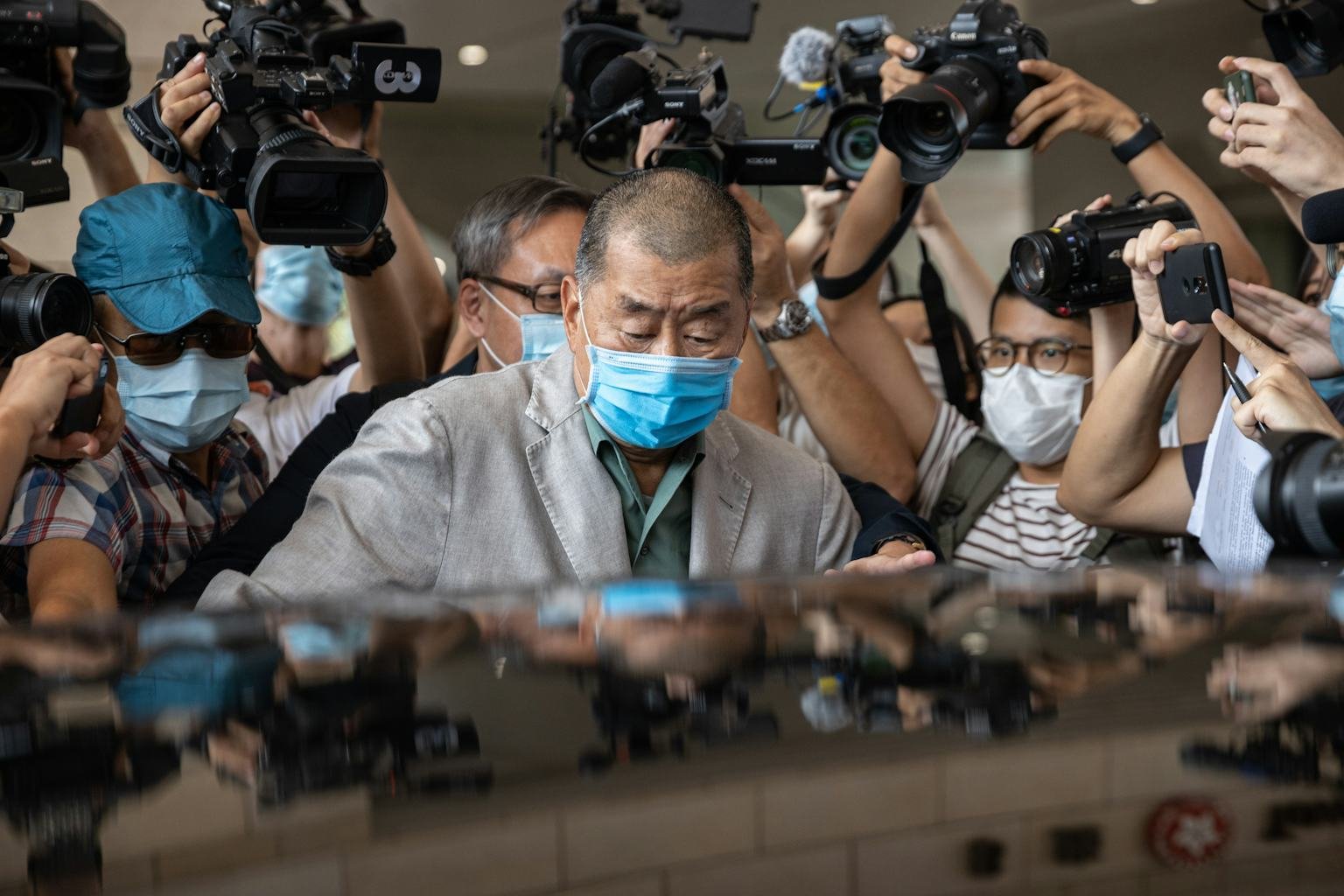
Seventy-seven-year-old media tycoon Jimmy Lai, a British national and founder of the now-shuttered newspaper Apple Daily, is reportedly suffering serious health deterioration in prison as his national security trial in Hong Kong nears its conclusion.
His family has issued urgent appeals to U.S. and U.K. leaders to intervene, arguing that without proper medical care the risk he may die behind bars is rising by the day.
Lai has been detained since December 2020 under charges of colluding with foreign forces and publishing seditious material—accusations he denies.
The sprawling trial, conducted under the sweeping national security law imposed by Beijing after the 2019 pro-democracy protests, concluded closing arguments on August 28, 2025. The court has not yet announced a date for the verdict, but a judgment could carry a life sentence.
According to his family, during the 160-day trial—far longer than the original 80-day schedule—Lai lost significant weight, developed heart problems and recurrent infections, and suffered alarming physical decline.
His daughter reported that his fingernails turned discolored before falling off and that his teeth began to decay; other symptoms reportedly include swollen limbs and painful inflammation.
His son said Lai’s diabetes and frail condition make each passing day a potential threat to his life.
His trial saw moments of such concern: on August 15, hearings were adjourned after defense lawyers revealed he had experienced heart palpitations and feelings of collapse.
The court ordered that he be fitted with a heart monitor and supplied with medication before proceedings continued.
Officials maintain that Lai continues to receive appropriate care, but human-rights groups challenge that assertion and call for his immediate release on humanitarian grounds.
Lai’s case has become a symbol of Hong Kong’s shifting political and media landscape.
Once among the city’s most influential publishers, he now stands imprisoned—critics argue his treatment signals a broader clampdown on dissent and freedom of the press.
Amid mounting international pressure, some foreign governments have urged his release.
As the verdict draws near, his family and supporters warn that Hong Kong authorities may be sentenced to more than jail time: they could be handing down a de facto death sentence.
His family has issued urgent appeals to U.S. and U.K. leaders to intervene, arguing that without proper medical care the risk he may die behind bars is rising by the day.
Lai has been detained since December 2020 under charges of colluding with foreign forces and publishing seditious material—accusations he denies.
The sprawling trial, conducted under the sweeping national security law imposed by Beijing after the 2019 pro-democracy protests, concluded closing arguments on August 28, 2025. The court has not yet announced a date for the verdict, but a judgment could carry a life sentence.
According to his family, during the 160-day trial—far longer than the original 80-day schedule—Lai lost significant weight, developed heart problems and recurrent infections, and suffered alarming physical decline.
His daughter reported that his fingernails turned discolored before falling off and that his teeth began to decay; other symptoms reportedly include swollen limbs and painful inflammation.
His son said Lai’s diabetes and frail condition make each passing day a potential threat to his life.
His trial saw moments of such concern: on August 15, hearings were adjourned after defense lawyers revealed he had experienced heart palpitations and feelings of collapse.
The court ordered that he be fitted with a heart monitor and supplied with medication before proceedings continued.
Officials maintain that Lai continues to receive appropriate care, but human-rights groups challenge that assertion and call for his immediate release on humanitarian grounds.
Lai’s case has become a symbol of Hong Kong’s shifting political and media landscape.
Once among the city’s most influential publishers, he now stands imprisoned—critics argue his treatment signals a broader clampdown on dissent and freedom of the press.
Amid mounting international pressure, some foreign governments have urged his release.
As the verdict draws near, his family and supporters warn that Hong Kong authorities may be sentenced to more than jail time: they could be handing down a de facto death sentence.