Safety regulators concede gaps in code enforcement making criminal liability difficult in the Wang Fuk Court tragedy
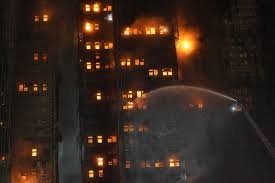
Hong Kong’s deadliest blaze in decades — the fire that ravaged the Wang Fuk Court estate in Tai Po on November 26 — may produce criminal charges, but legal analysts warn that proving manslaughter could prove difficult given longstanding regulatory gaps in building-safety oversight.
Authorities have already arrested at least 13 individuals linked to renovation work at Wang Fuk Court on suspicion of manslaughter after investigations found that scaffolding netting and exterior insulation foam failed fire-retardant standards.
Several samples of the netting did not meet safety requirements and were allegedly concealed in hard-to-inspect areas, while fire alarms reportedly failed to activate during the blaze.
The fire killed at least 151 people and left dozens missing.
Yet experts note the legal threshold for a successful manslaughter case is high.
Under Hong Kong law, prosecutors must prove that negligence was so serious it amounted to “gross negligence” — a standard harder to meet than simple negligence.
Given how fire-safety regulations have historically exempted scaffolding mesh from flame-resistance rules and given the removable-materials nature of renovation work, defence lawyers may argue the materials’ risks were unforeseeable under existing codes.
Moreover, safety inspectors did conduct multiple reviews in the months leading up to the fire, and local authorities had previously told residents that the mesh complied with standards — a misjudgment that under current law may weigh against criminal liability.
Several residents had raised concerns about the renovation materials well before the fire, but regulators acknowledged the mesh was not explicitly regulated for flame resistance at the time.
Given these factors, legal professionals caution that while arrests send a strong signal of accountability, securing convictions — especially criminal ones — may be challenging.
Some victims’ families and public-interest groups are calling for a broader structural review of building safety regulations and enforcement mechanisms to prevent future tragedies.
In parallel, the government has launched a judge-led independent inquiry, with a mandate to assess not only the direct causes of the fire but also systemic failures in construction oversight — an effort that could lead to regulatory reforms even if criminal prosecutions falter.
The inquiry’s findings may reshape how renovation projects are regulated in the future, broadening safety mandates to cover materials previously regarded as low-risk.
The coming months will test whether Hong Kong can translate public outrage into lasting change in building-safety governance.
Authorities have already arrested at least 13 individuals linked to renovation work at Wang Fuk Court on suspicion of manslaughter after investigations found that scaffolding netting and exterior insulation foam failed fire-retardant standards.
Several samples of the netting did not meet safety requirements and were allegedly concealed in hard-to-inspect areas, while fire alarms reportedly failed to activate during the blaze.
The fire killed at least 151 people and left dozens missing.
Yet experts note the legal threshold for a successful manslaughter case is high.
Under Hong Kong law, prosecutors must prove that negligence was so serious it amounted to “gross negligence” — a standard harder to meet than simple negligence.
Given how fire-safety regulations have historically exempted scaffolding mesh from flame-resistance rules and given the removable-materials nature of renovation work, defence lawyers may argue the materials’ risks were unforeseeable under existing codes.
Moreover, safety inspectors did conduct multiple reviews in the months leading up to the fire, and local authorities had previously told residents that the mesh complied with standards — a misjudgment that under current law may weigh against criminal liability.
Several residents had raised concerns about the renovation materials well before the fire, but regulators acknowledged the mesh was not explicitly regulated for flame resistance at the time.
Given these factors, legal professionals caution that while arrests send a strong signal of accountability, securing convictions — especially criminal ones — may be challenging.
Some victims’ families and public-interest groups are calling for a broader structural review of building safety regulations and enforcement mechanisms to prevent future tragedies.
In parallel, the government has launched a judge-led independent inquiry, with a mandate to assess not only the direct causes of the fire but also systemic failures in construction oversight — an effort that could lead to regulatory reforms even if criminal prosecutions falter.
The inquiry’s findings may reshape how renovation projects are regulated in the future, broadening safety mandates to cover materials previously regarded as low-risk.
The coming months will test whether Hong Kong can translate public outrage into lasting change in building-safety governance.