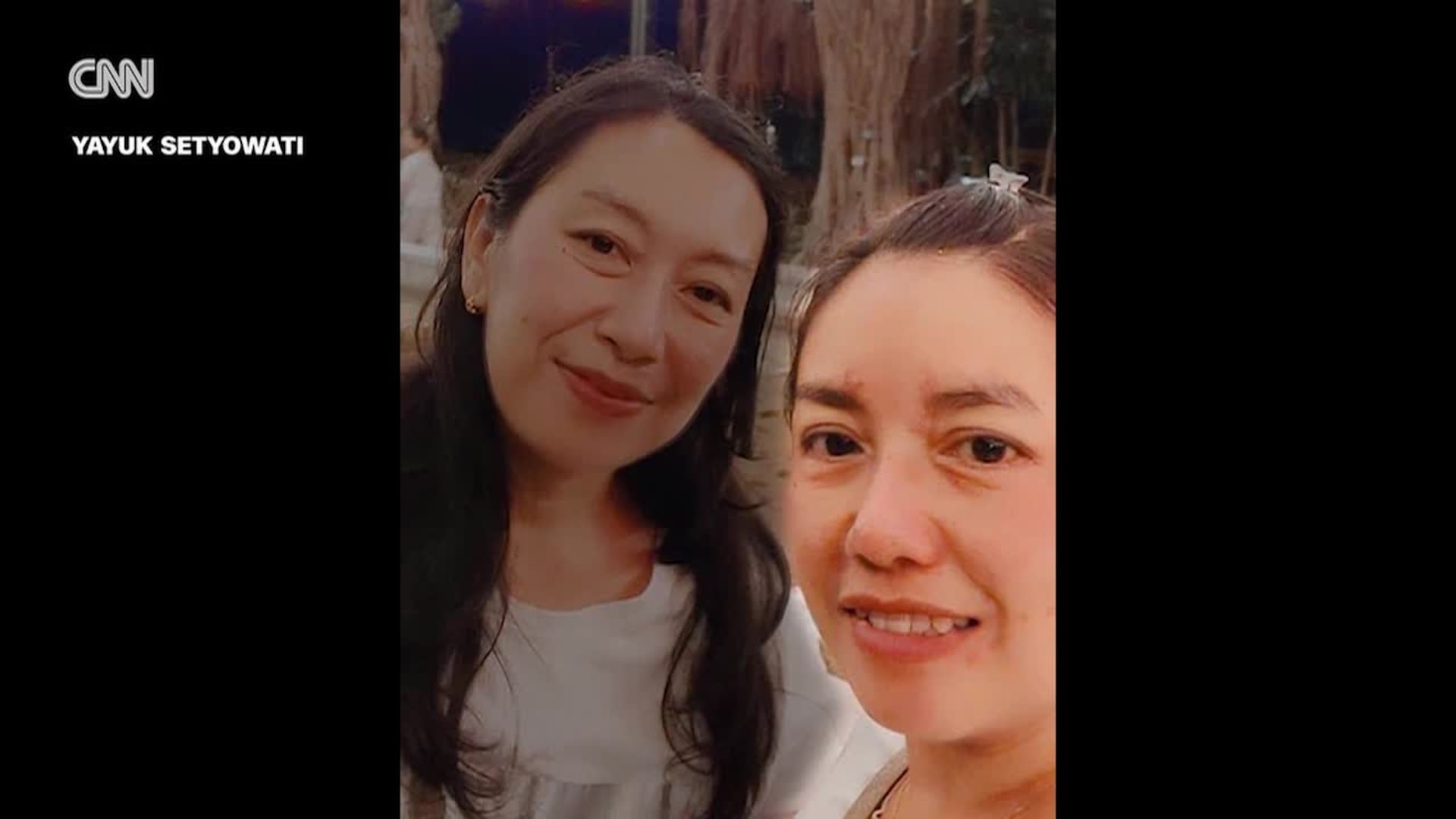
Sister of domestic helper confirmed among dozens of foreign workers killed in Wang Fuk Court inferno as communities demand support and clarity
An Indonesian woman in Hong Kong has publicly mourned the confirmed death of her younger sister, a domestic helper who perished in the catastrophic fire at Wang Fuk Court in Tai Po, underlining the human cost of the disaster for migrant workers.
The victim, identified through DNA testing after days of uncertainty, had been caring for an elderly resident in the apartment complex when the blaze erupted on November 26.
The younger sister’s remains were found alongside the elderly woman she cared for, compounding the tragedy.
The older sister, who also works in Hong Kong, described the drawn-out process of waiting for confirmation — her sibling had stopped answering her calls as the fire took hold — and the subsequent burden of informing their family in Indonesia of the loss.
Authorities have confirmed that at least nine Indonesian domestic workers died in the fire, alongside other foreign helpers, as the overall death toll climbed to at least 159.
Dozens more remain missing or unaccounted for.
The government has stated that condolence payments originally promised to Hong Kong residents’ families will also be extended to foreign domestic workers’ next of kin, providing each with HK$200,000.
In the aftermath, migrant-worker communities in Hong Kong have mobilised support networks and held collective vigils.
Groups of Indonesian and Filipino workers have gathered in public spaces, such as Victoria Park, to light candles, offer prayers for missing colleagues and share information on disappeared friends.
Many expressed fear over the fate of fellow workers still unlocated, and sorrow over the scale of the loss among their community.
Advocates and aid organisations warn that many survivors now face acute hardship: loss of employment, absence of documentation, and uncertain legal status.
They call for expedited assistance, including temporary shelter, financial support, regular updates about missing persons and more robust safeguards for migrant workers.
The case of the two Indonesian sisters — one confirmed dead, one still waiting for word — has become emblematic of the broader vulnerability of Hong Kong’s foreign helpers.
As the city continues recovery and investigation efforts, activists urge authorities to recognise the special risks faced by migrant workers in high-rise dwellings and ensure they receive equitable treatment in relief, investigation and compensation efforts.
The victim, identified through DNA testing after days of uncertainty, had been caring for an elderly resident in the apartment complex when the blaze erupted on November 26.
The younger sister’s remains were found alongside the elderly woman she cared for, compounding the tragedy.
The older sister, who also works in Hong Kong, described the drawn-out process of waiting for confirmation — her sibling had stopped answering her calls as the fire took hold — and the subsequent burden of informing their family in Indonesia of the loss.
Authorities have confirmed that at least nine Indonesian domestic workers died in the fire, alongside other foreign helpers, as the overall death toll climbed to at least 159.
Dozens more remain missing or unaccounted for.
The government has stated that condolence payments originally promised to Hong Kong residents’ families will also be extended to foreign domestic workers’ next of kin, providing each with HK$200,000.
In the aftermath, migrant-worker communities in Hong Kong have mobilised support networks and held collective vigils.
Groups of Indonesian and Filipino workers have gathered in public spaces, such as Victoria Park, to light candles, offer prayers for missing colleagues and share information on disappeared friends.
Many expressed fear over the fate of fellow workers still unlocated, and sorrow over the scale of the loss among their community.
Advocates and aid organisations warn that many survivors now face acute hardship: loss of employment, absence of documentation, and uncertain legal status.
They call for expedited assistance, including temporary shelter, financial support, regular updates about missing persons and more robust safeguards for migrant workers.
The case of the two Indonesian sisters — one confirmed dead, one still waiting for word — has become emblematic of the broader vulnerability of Hong Kong’s foreign helpers.
As the city continues recovery and investigation efforts, activists urge authorities to recognise the special risks faced by migrant workers in high-rise dwellings and ensure they receive equitable treatment in relief, investigation and compensation efforts.