Changing economic conditions and evolving regulations reshape the city’s attractiveness to foreign professionals
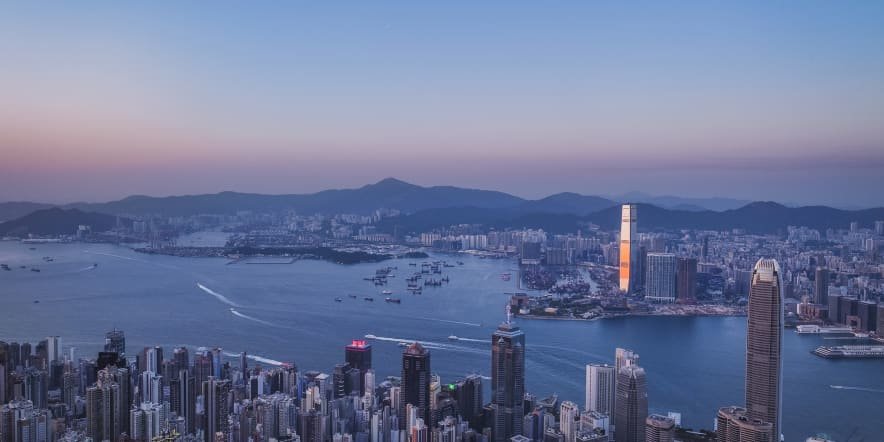
Hong Kong is experiencing a gradual decline in its appeal to expatriates, as shifting economic conditions, lifestyle factors, and regulatory changes alter the city’s long-standing position as a preferred destination for international professionals.
Once widely regarded as a global hub offering low taxes, vibrant business opportunities, and a cosmopolitan lifestyle, the city is now facing a more complex environment.
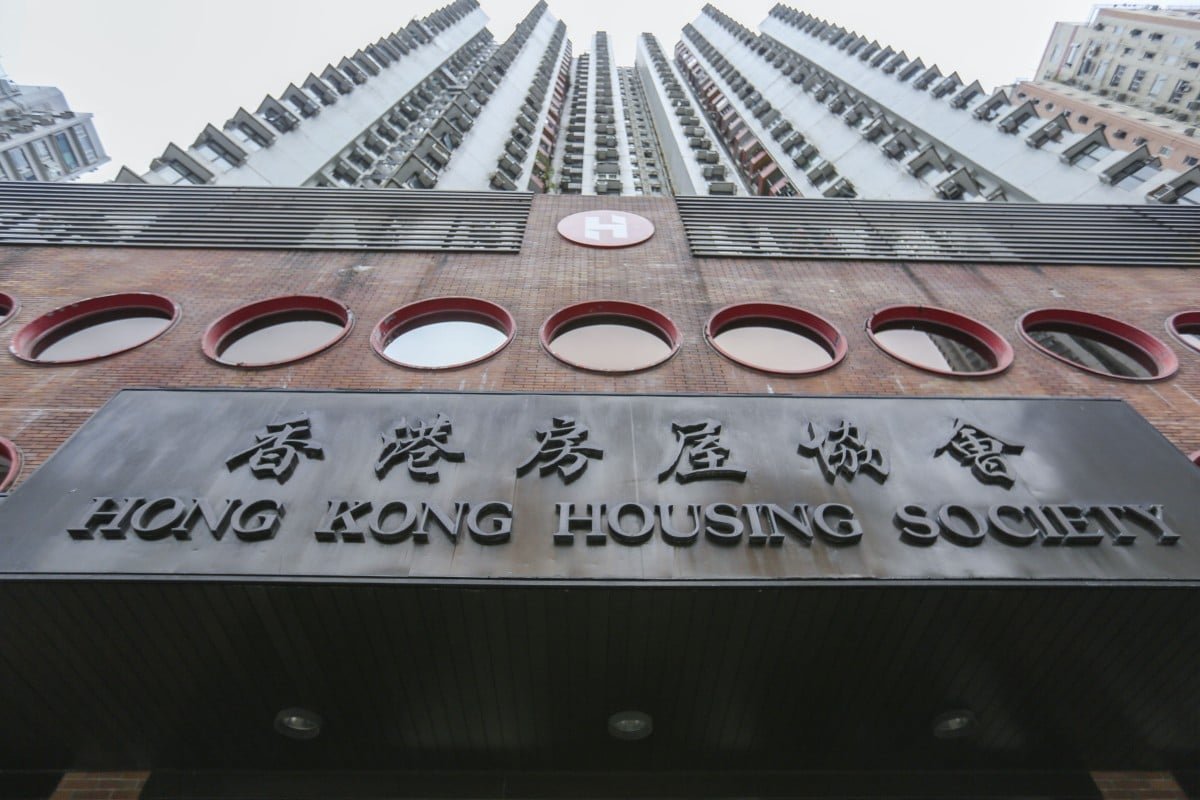
Rising living costs, including housing and education, have made relocation less attractive for many foreign workers and their families.
At the same time, changes in the regulatory and political landscape have influenced perceptions among expatriates, with some reassessing long-term plans in light of evolving conditions.
Companies are also adapting, with some adjusting their regional strategies or exploring alternative locations for staff deployment.
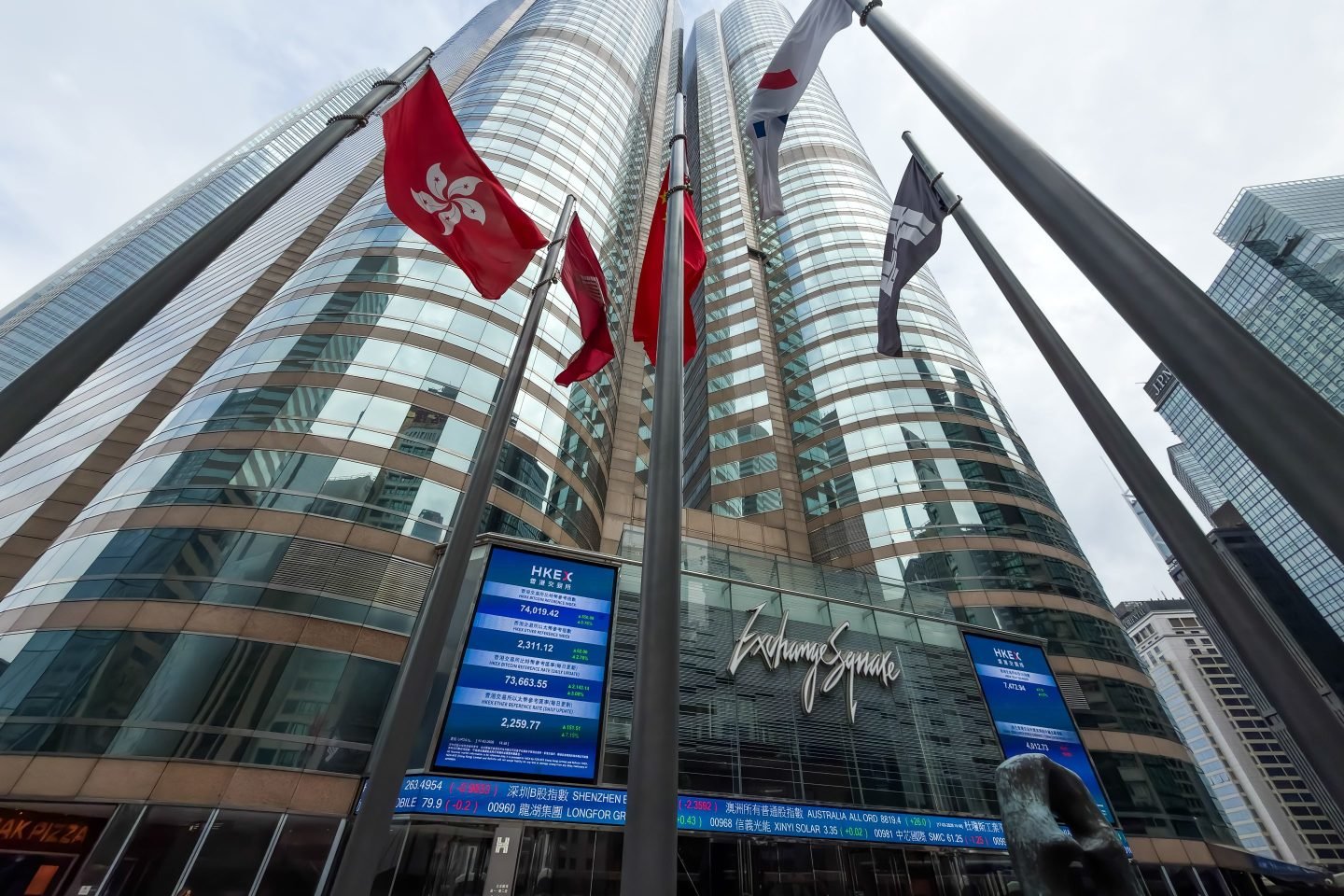
The shift does not indicate a collapse in Hong Kong’s status as a financial center, but rather a recalibration of its role within a competitive global landscape.
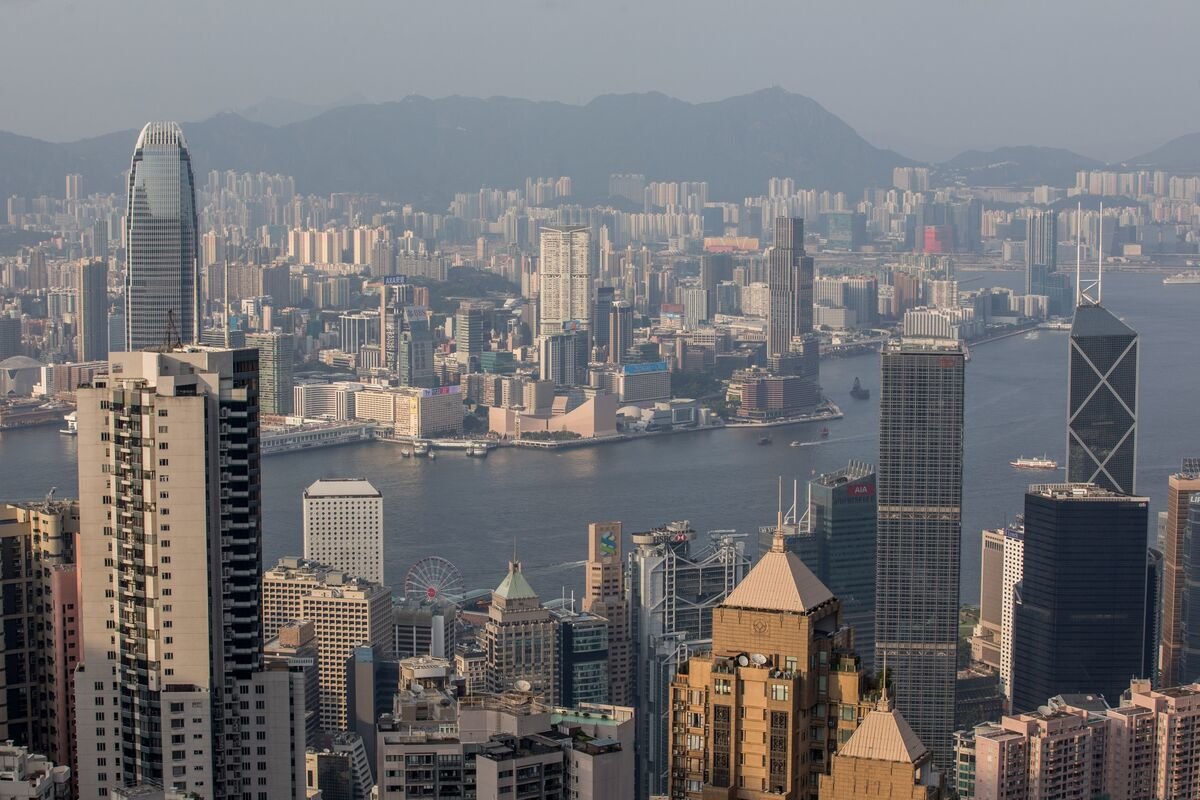
The city continues to maintain strong connections to international markets and remains a significant gateway for investment and trade, particularly with mainland China.
However, analysts note that competing destinations in Asia, such as Singapore and emerging regional hubs, are increasingly attracting expatriate talent by offering a combination of stability, quality of life, and business incentives.
The changing dynamics have prompted discussions among policymakers and business leaders about how to sustain Hong Kong’s attractiveness to global talent.
Efforts to address cost pressures and enhance living conditions are seen as key factors in maintaining competitiveness.
As the city navigates this transition, its ability to balance economic strengths with evolving expectations from international professionals will be central to shaping its future as a global destination.
Once widely regarded as a global hub offering low taxes, vibrant business opportunities, and a cosmopolitan lifestyle, the city is now facing a more complex environment.
Rising living costs, including housing and education, have made relocation less attractive for many foreign workers and their families.
At the same time, changes in the regulatory and political landscape have influenced perceptions among expatriates, with some reassessing long-term plans in light of evolving conditions.
Companies are also adapting, with some adjusting their regional strategies or exploring alternative locations for staff deployment.
The shift does not indicate a collapse in Hong Kong’s status as a financial center, but rather a recalibration of its role within a competitive global landscape.
The city continues to maintain strong connections to international markets and remains a significant gateway for investment and trade, particularly with mainland China.
However, analysts note that competing destinations in Asia, such as Singapore and emerging regional hubs, are increasingly attracting expatriate talent by offering a combination of stability, quality of life, and business incentives.
The changing dynamics have prompted discussions among policymakers and business leaders about how to sustain Hong Kong’s attractiveness to global talent.
Efforts to address cost pressures and enhance living conditions are seen as key factors in maintaining competitiveness.
As the city navigates this transition, its ability to balance economic strengths with evolving expectations from international professionals will be central to shaping its future as a global destination.