Rising geopolitical uncertainty may create strategic opportunity for the city’s ambitions in precious metals storage
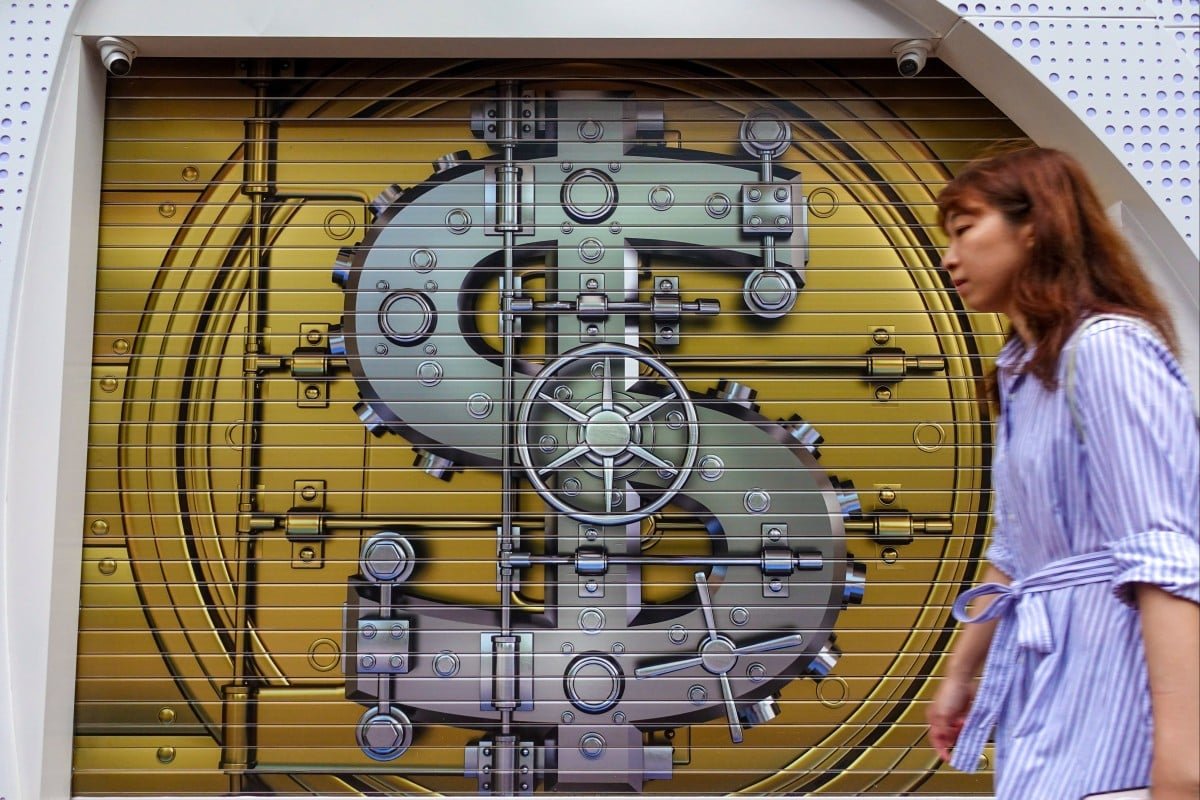
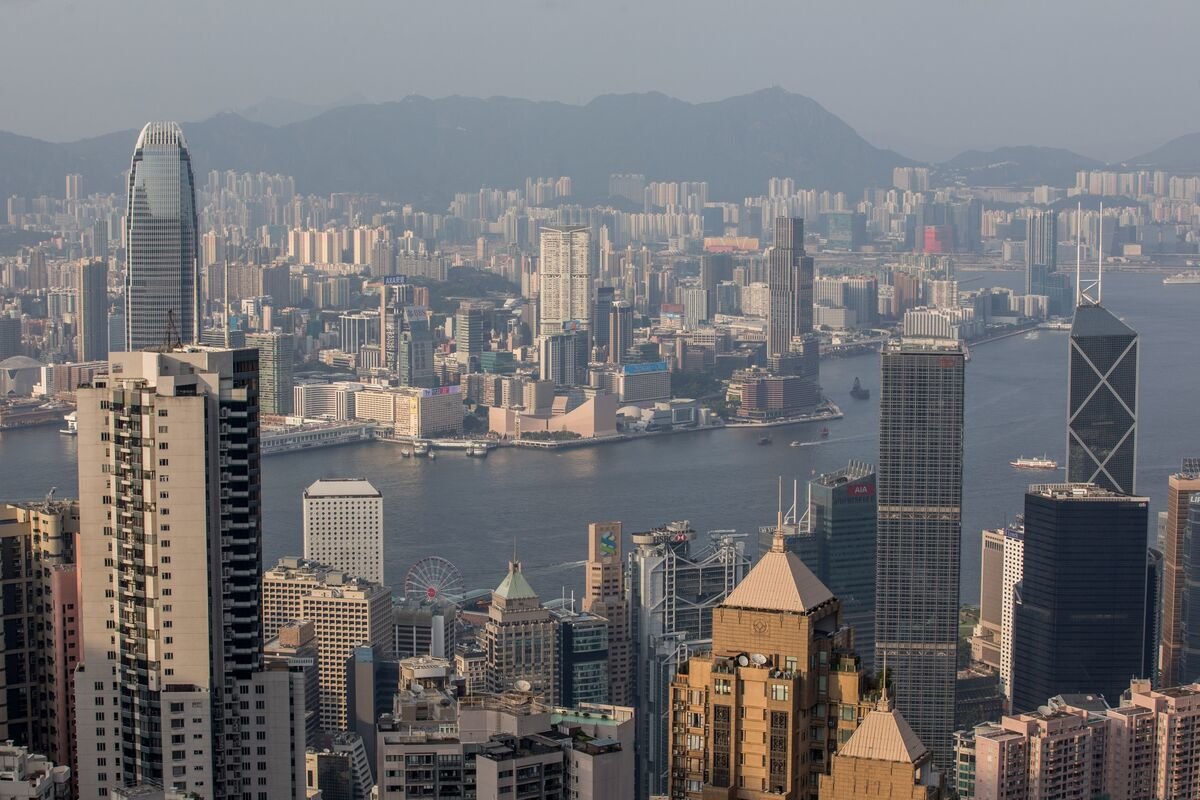
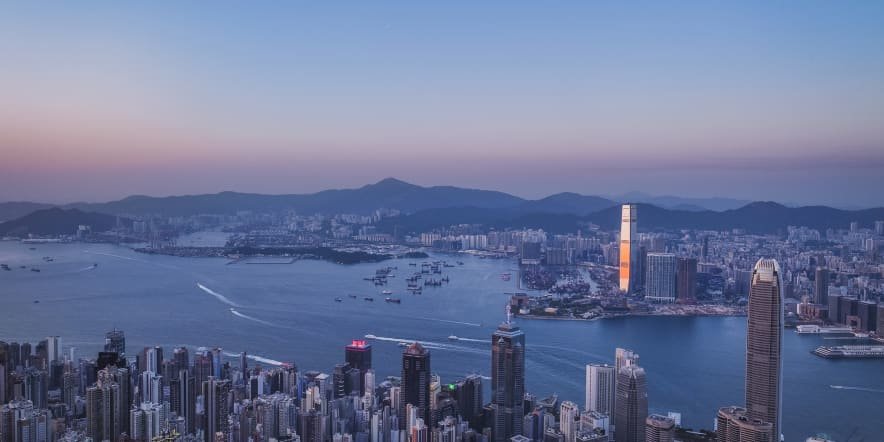
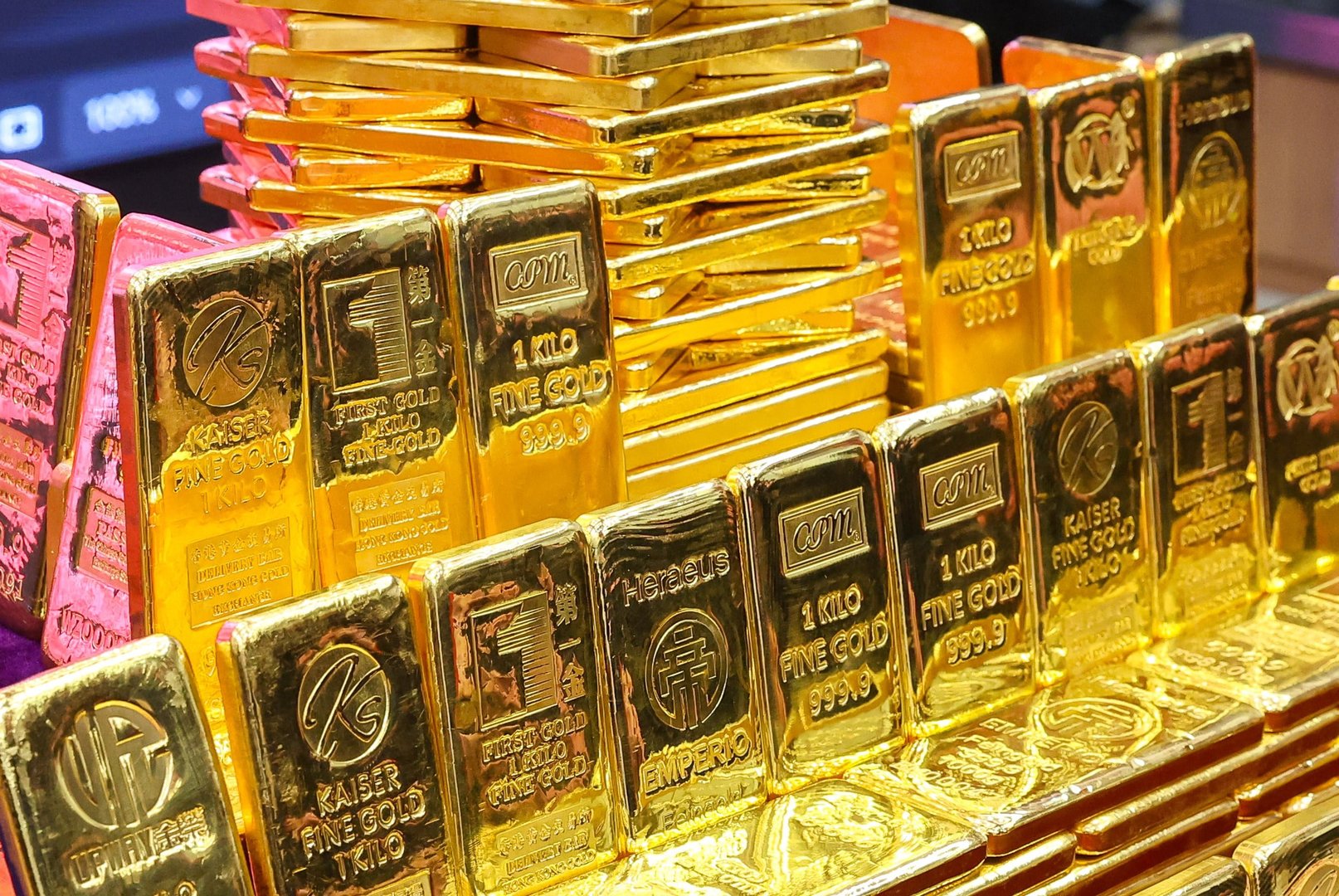
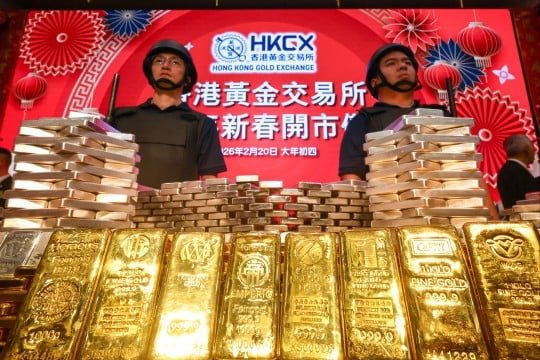
Hong Kong is seeking to position itself as a leading global vault for gold storage, with rising geopolitical tensions, including the conflict involving Iran, potentially creating an opening to accelerate those ambitions.
As uncertainty grows across global markets, demand for safe-haven assets such as gold has intensified, prompting investors and institutions to reconsider where bullion is stored.
Hong Kong’s authorities and financial institutions are aiming to capitalize on this shift by expanding infrastructure and reinforcing the city’s role in precious metals trading and custody.
The Iran conflict has contributed to renewed volatility in energy markets and broader financial systems, increasing interest in assets perceived as stable during periods of crisis.
Analysts suggest that such conditions often drive flows into gold, creating opportunities for financial centers capable of offering secure and efficient storage solutions.
Hong Kong’s proximity to mainland China, one of the world’s largest gold consumers, gives it a structural advantage in attracting business.
Combined with its established financial ecosystem, the city is well positioned to serve both regional and international demand.
Efforts to develop Hong Kong into a gold hub include enhancing vaulting capacity, strengthening regulatory frameworks, and promoting its role as a trusted gateway between East and West.
These initiatives are designed to build confidence among global investors seeking reliable storage options.
Competition remains strong from established centers such as London and Singapore, but proponents argue that Hong Kong’s integration with Asian markets provides a unique edge, particularly as economic influence continues to shift toward the region.
As geopolitical tensions persist, the city’s ambitions in the gold market are gaining renewed relevance, with the evolving global landscape offering a potential catalyst for growth in its role as a secure repository for precious metals.
As uncertainty grows across global markets, demand for safe-haven assets such as gold has intensified, prompting investors and institutions to reconsider where bullion is stored.
Hong Kong’s authorities and financial institutions are aiming to capitalize on this shift by expanding infrastructure and reinforcing the city’s role in precious metals trading and custody.
The Iran conflict has contributed to renewed volatility in energy markets and broader financial systems, increasing interest in assets perceived as stable during periods of crisis.
Analysts suggest that such conditions often drive flows into gold, creating opportunities for financial centers capable of offering secure and efficient storage solutions.
Hong Kong’s proximity to mainland China, one of the world’s largest gold consumers, gives it a structural advantage in attracting business.
Combined with its established financial ecosystem, the city is well positioned to serve both regional and international demand.
Efforts to develop Hong Kong into a gold hub include enhancing vaulting capacity, strengthening regulatory frameworks, and promoting its role as a trusted gateway between East and West.
These initiatives are designed to build confidence among global investors seeking reliable storage options.
Competition remains strong from established centers such as London and Singapore, but proponents argue that Hong Kong’s integration with Asian markets provides a unique edge, particularly as economic influence continues to shift toward the region.
As geopolitical tensions persist, the city’s ambitions in the gold market are gaining renewed relevance, with the evolving global landscape offering a potential catalyst for growth in its role as a secure repository for precious metals.