Strategic reforms and deeper mainland integration seen as key to restoring competitive edge
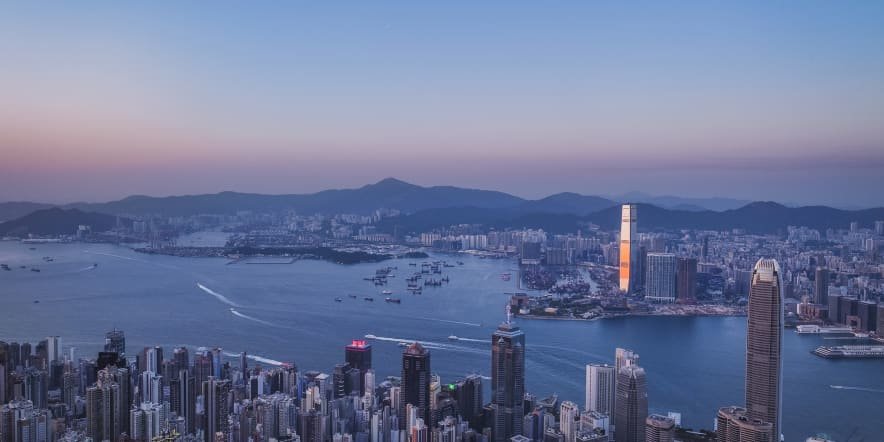
Hong Kong retains the potential to surpass Singapore as the preferred launchpad for Chinese companies expanding globally, provided it capitalizes on its unique advantages and adapts to shifting economic dynamics.
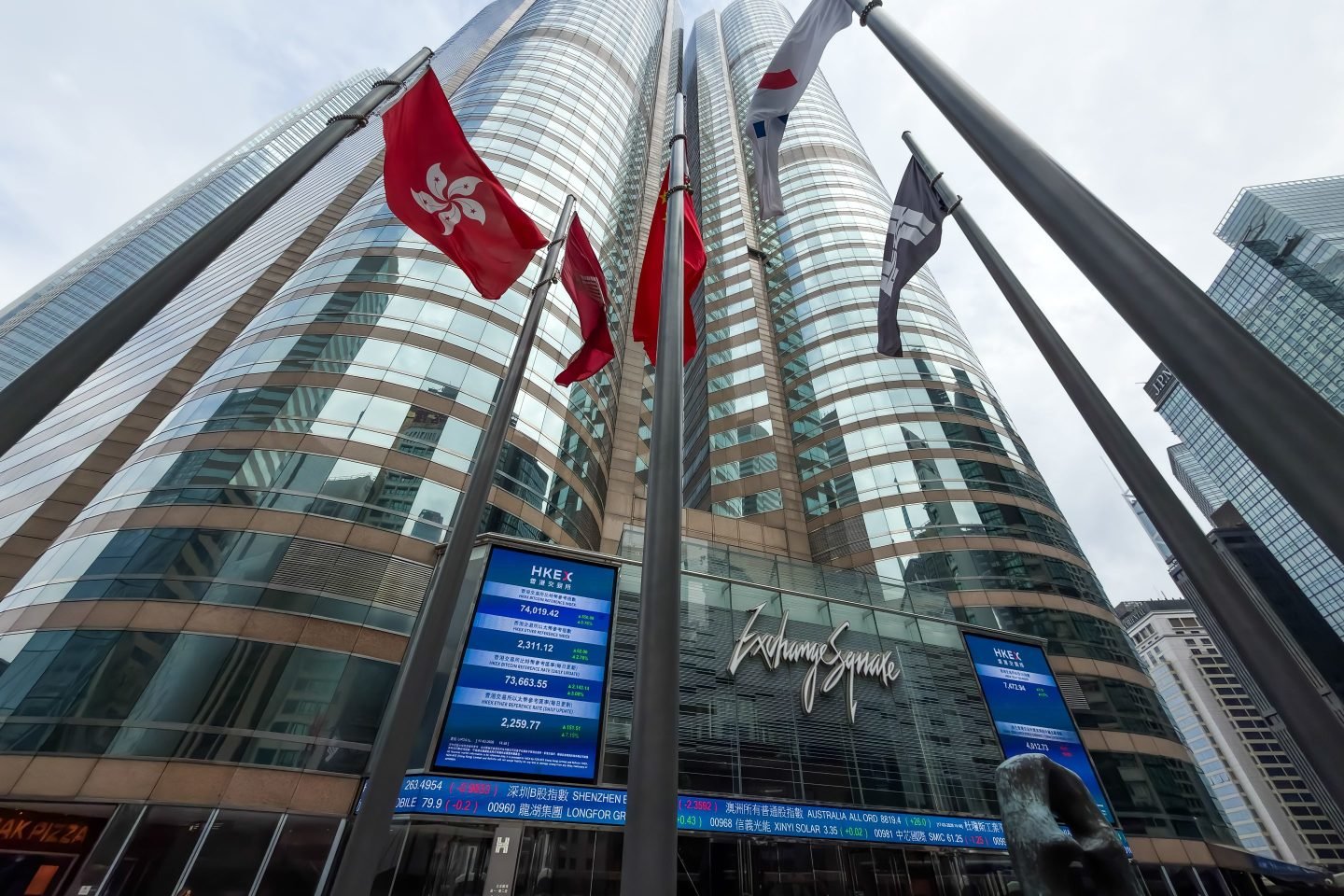
Analysts argue that the city’s strongest asset lies in its deep integration with mainland China, offering unmatched access to capital markets, legal expertise, and financial infrastructure tailored to Chinese enterprises.
This positioning gives Hong Kong a structural advantage that competitors cannot easily replicate.
While Singapore has gained ground by attracting international talent and promoting a stable business environment, Hong Kong’s proximity to China’s economic engine continues to offer significant opportunities for firms seeking to scale internationally.
Strengthening this connection is seen as essential to reinforcing its role.
Experts suggest that targeted reforms could help Hong Kong regain momentum, including measures to enhance market efficiency, reduce operational costs, and improve the overall living environment for international professionals.
Addressing these factors would make the city more attractive to both companies and talent.
There is also a growing emphasis on innovation and technology as areas where Hong Kong can differentiate itself.
By fostering stronger links between financial services and emerging industries, the city could create new pathways for growth and investment.
The evolving competition with Singapore reflects broader regional trends, as Asian financial centers seek to position themselves as gateways for global business.
Hong Kong’s ability to leverage its established strengths while adapting to new expectations will be critical in determining its future standing.
With strategic adjustments and continued integration with mainland markets, Hong Kong is seen as well placed to reassert itself as a leading hub for Chinese firms looking to expand onto the global stage.
Analysts argue that the city’s strongest asset lies in its deep integration with mainland China, offering unmatched access to capital markets, legal expertise, and financial infrastructure tailored to Chinese enterprises.
This positioning gives Hong Kong a structural advantage that competitors cannot easily replicate.
While Singapore has gained ground by attracting international talent and promoting a stable business environment, Hong Kong’s proximity to China’s economic engine continues to offer significant opportunities for firms seeking to scale internationally.
Strengthening this connection is seen as essential to reinforcing its role.
Experts suggest that targeted reforms could help Hong Kong regain momentum, including measures to enhance market efficiency, reduce operational costs, and improve the overall living environment for international professionals.
Addressing these factors would make the city more attractive to both companies and talent.
There is also a growing emphasis on innovation and technology as areas where Hong Kong can differentiate itself.
By fostering stronger links between financial services and emerging industries, the city could create new pathways for growth and investment.
The evolving competition with Singapore reflects broader regional trends, as Asian financial centers seek to position themselves as gateways for global business.
Hong Kong’s ability to leverage its established strengths while adapting to new expectations will be critical in determining its future standing.
With strategic adjustments and continued integration with mainland markets, Hong Kong is seen as well placed to reassert itself as a leading hub for Chinese firms looking to expand onto the global stage.