Court proceedings spark scrutiny over how authorities handle sensitive historical narratives and public commemoration
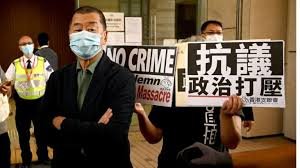
A recent court case in Hong Kong has intensified debate over the treatment of historical memory and freedom of expression, as legal proceedings centered on actions related to the commemoration of past events draw significant public attention.
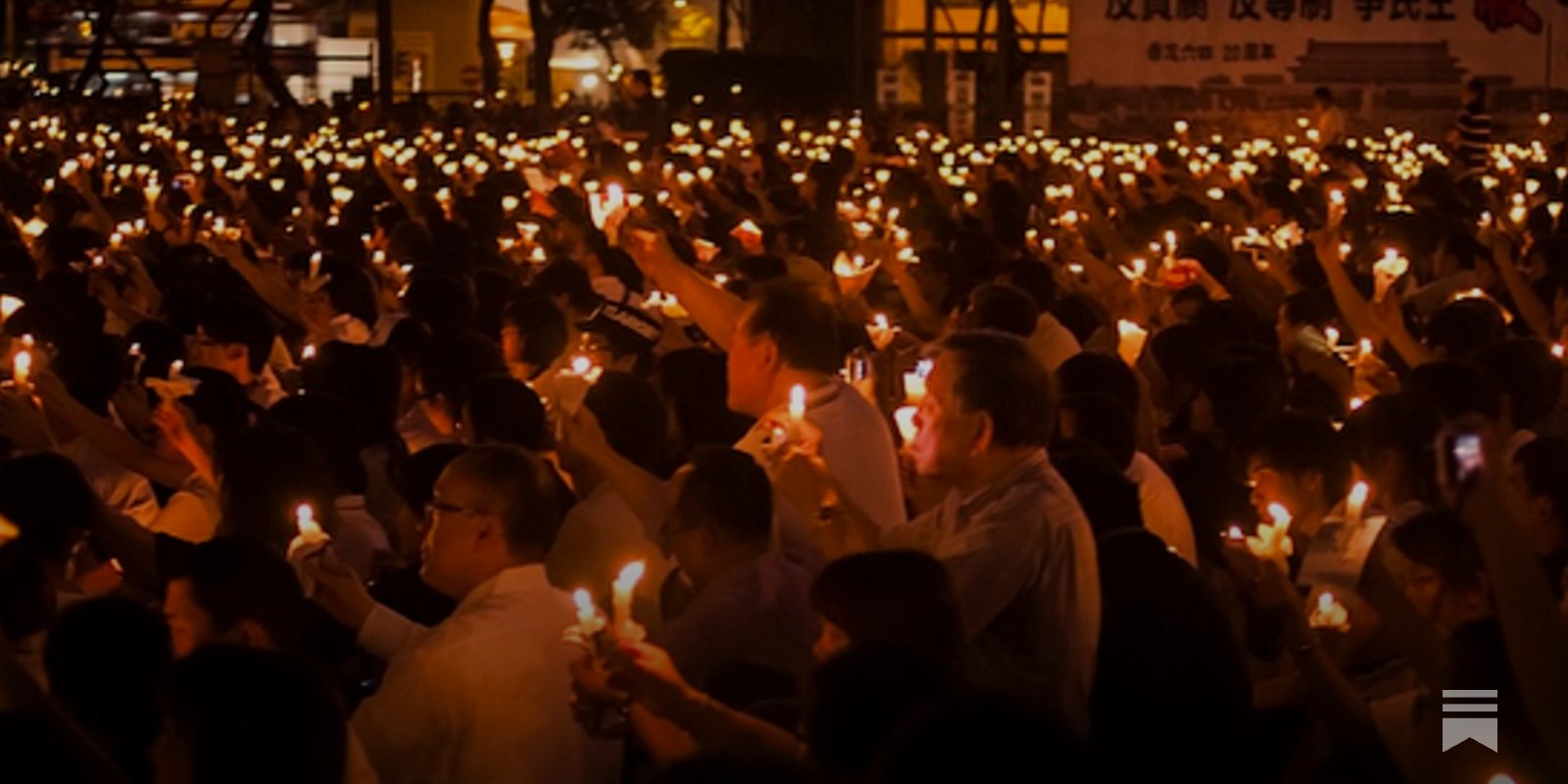
The case involves individuals accused of activities linked to the public remembrance of a politically sensitive incident, with authorities asserting that the actions fell within the scope of laws governing national security and public order.
The proceedings reflect the evolving legal environment in the city, where enforcement measures have expanded in recent years.
Supporters of the legal framework argue that the measures are necessary to maintain stability and ensure compliance with established laws, emphasizing the importance of safeguarding social order.
Officials have maintained that the judicial process is being conducted in accordance with legal standards and established procedures.
At the same time, the case has prompted broader discussion about the boundaries of permissible expression, particularly when it involves historical interpretation and public commemoration.
Observers note that the intersection of law and memory has become an increasingly complex issue, with differing views on how societies should address sensitive historical subjects.
Legal analysts point out that courts are now playing a central role in defining how such matters are handled, with rulings likely to influence future cases and shape public understanding of the legal limits surrounding expression.
The outcome may also affect how institutions and individuals approach historical discourse in the years ahead.
The situation underscores the challenges faced by jurisdictions navigating questions of security, governance, and civil liberties, particularly in contexts where historical narratives carry strong political significance.
As proceedings continue, attention remains focused on how the case will contribute to the ongoing evolution of legal and social norms in Hong Kong.
The developments have reinforced the prominence of the judiciary in addressing complex societal issues, with the case serving as a focal point for wider discussions about law, memory, and public expression in the city.
The case involves individuals accused of activities linked to the public remembrance of a politically sensitive incident, with authorities asserting that the actions fell within the scope of laws governing national security and public order.
The proceedings reflect the evolving legal environment in the city, where enforcement measures have expanded in recent years.
Supporters of the legal framework argue that the measures are necessary to maintain stability and ensure compliance with established laws, emphasizing the importance of safeguarding social order.
Officials have maintained that the judicial process is being conducted in accordance with legal standards and established procedures.
At the same time, the case has prompted broader discussion about the boundaries of permissible expression, particularly when it involves historical interpretation and public commemoration.
Observers note that the intersection of law and memory has become an increasingly complex issue, with differing views on how societies should address sensitive historical subjects.
Legal analysts point out that courts are now playing a central role in defining how such matters are handled, with rulings likely to influence future cases and shape public understanding of the legal limits surrounding expression.
The outcome may also affect how institutions and individuals approach historical discourse in the years ahead.
The situation underscores the challenges faced by jurisdictions navigating questions of security, governance, and civil liberties, particularly in contexts where historical narratives carry strong political significance.
As proceedings continue, attention remains focused on how the case will contribute to the ongoing evolution of legal and social norms in Hong Kong.
The developments have reinforced the prominence of the judiciary in addressing complex societal issues, with the case serving as a focal point for wider discussions about law, memory, and public expression in the city.