Decision reflects balancing of economic opportunity with social considerations in gambling regulation
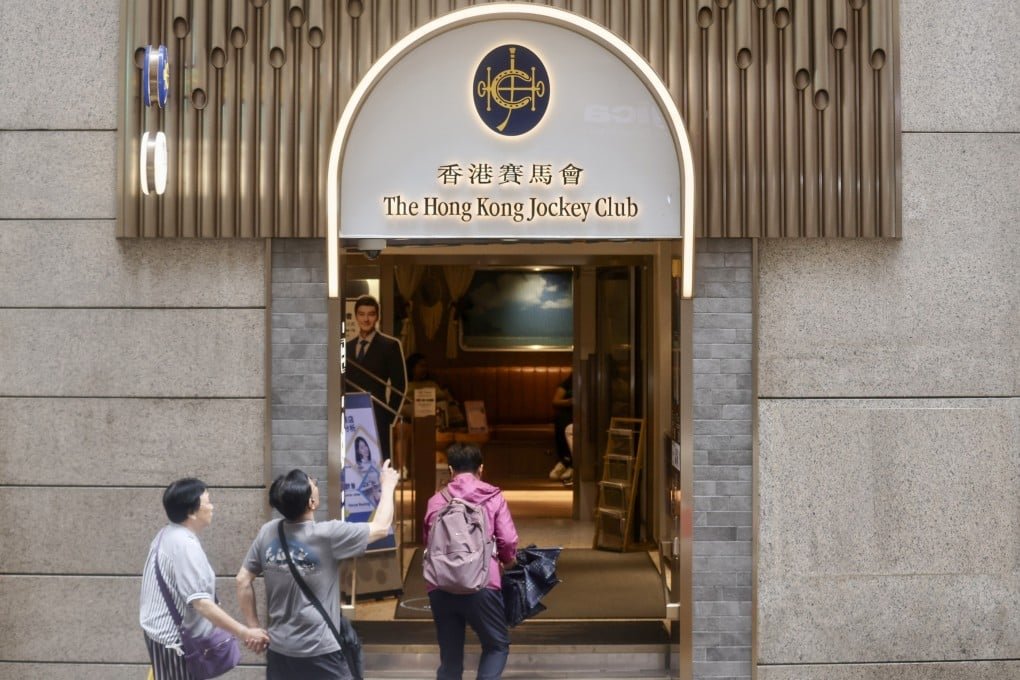
Hong Kong’s decision to reverse course on expanding basketball betting has been viewed as a measured and prudent policy adjustment, reflecting a careful balance between economic opportunity and broader social considerations.
Authorities had previously explored the possibility of extending regulated sports betting to include basketball, aiming to capture additional revenue and address demand within the market.
However, the decision to step back signals a reassessment of potential risks associated with expanding gambling activities.
Officials are understood to have weighed factors including public sentiment, regulatory capacity and the potential social impact of broader betting access.
The move highlights a cautious approach to policymaking, prioritising long-term stability over short-term financial gains.
Hong Kong’s existing betting framework, centred on strict regulation and oversight, has long been designed to limit negative externalities while maintaining controlled revenue streams.
The decision to halt expansion aligns with this broader philosophy, reinforcing a commitment to responsible governance.
Market participants note that while the reversal may limit immediate growth in betting-related income, it preserves the integrity of the regulatory system and mitigates potential unintended consequences.
Maintaining public trust remains a key consideration in shaping policy decisions.
The development also reflects the complexities faced by governments in navigating evolving consumer demand, technological change and social responsibility.
Striking the right balance between innovation and regulation continues to be a central challenge.
As Hong Kong refines its approach, the decision underscores the importance of adaptability in policymaking, ensuring that economic initiatives remain aligned with broader societal priorities.
Authorities had previously explored the possibility of extending regulated sports betting to include basketball, aiming to capture additional revenue and address demand within the market.
However, the decision to step back signals a reassessment of potential risks associated with expanding gambling activities.
Officials are understood to have weighed factors including public sentiment, regulatory capacity and the potential social impact of broader betting access.
The move highlights a cautious approach to policymaking, prioritising long-term stability over short-term financial gains.
Hong Kong’s existing betting framework, centred on strict regulation and oversight, has long been designed to limit negative externalities while maintaining controlled revenue streams.
The decision to halt expansion aligns with this broader philosophy, reinforcing a commitment to responsible governance.
Market participants note that while the reversal may limit immediate growth in betting-related income, it preserves the integrity of the regulatory system and mitigates potential unintended consequences.
Maintaining public trust remains a key consideration in shaping policy decisions.
The development also reflects the complexities faced by governments in navigating evolving consumer demand, technological change and social responsibility.
Striking the right balance between innovation and regulation continues to be a central challenge.
As Hong Kong refines its approach, the decision underscores the importance of adaptability in policymaking, ensuring that economic initiatives remain aligned with broader societal priorities.