Rising operational expenses and regulatory pressures drive significant fare increases across the platform
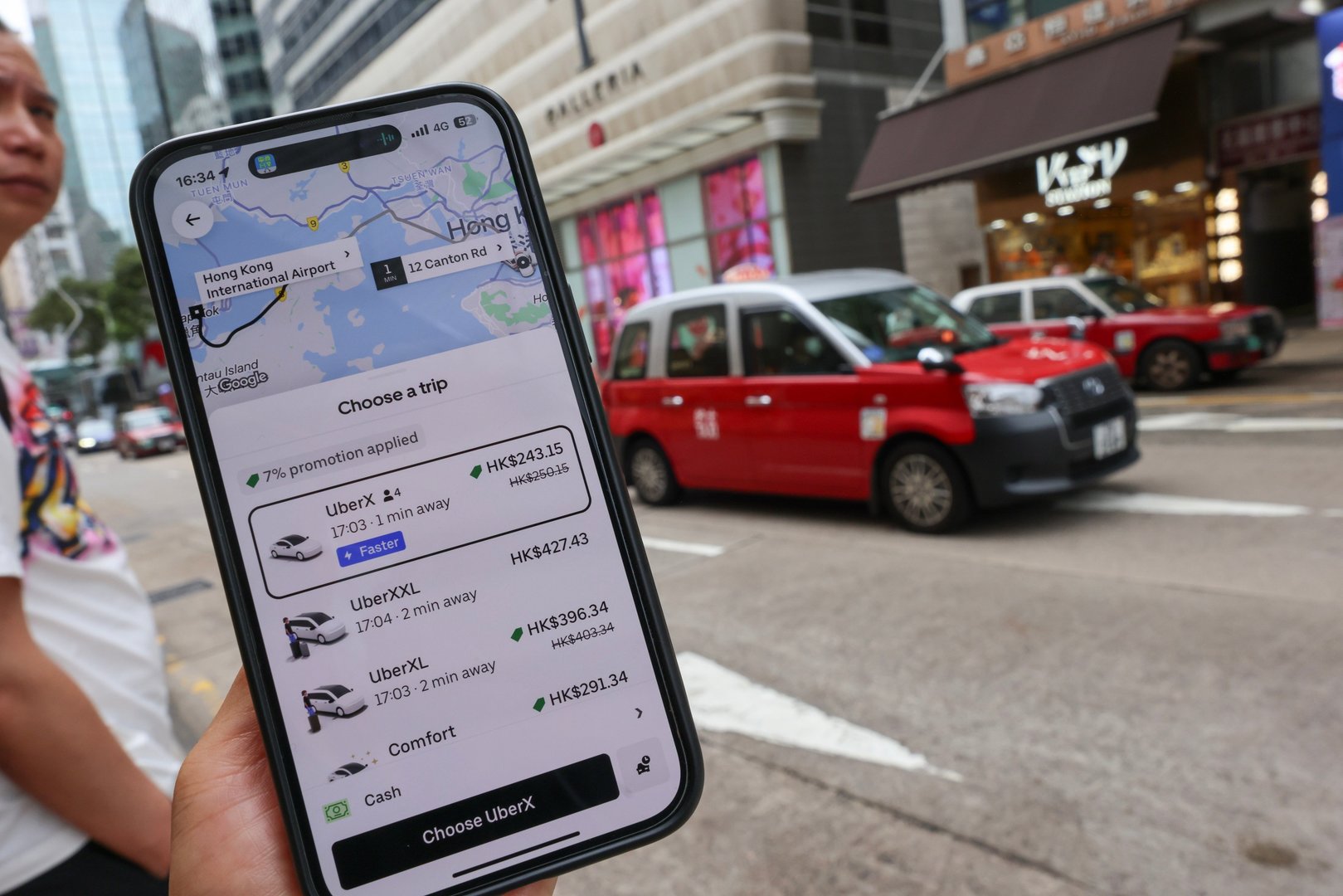
Uber has been compelled to raise prices in Hong Kong by as much as eighty percent, reflecting mounting operational costs and increasing regulatory pressures in one of Asia’s most competitive transport markets.
The fare adjustments come as the company responds to higher expenses linked to driver compensation, compliance requirements and broader cost inflation affecting the ride-hailing industry.
Industry observers note that the significant increase highlights the challenges faced by ride-hailing platforms operating in tightly regulated urban environments, where maintaining service availability while managing costs has become increasingly complex.
The price changes are expected to have a direct impact on consumer behaviour, with some riders potentially reconsidering travel options amid higher fares.
At the same time, the adjustments may help ensure continued driver participation by improving earnings potential.
Hong Kong’s transport sector has seen ongoing competition between traditional taxi services and digital platforms, with authorities continuing to assess how best to balance innovation with regulatory oversight.
The latest developments underscore the evolving nature of the market as companies adapt to shifting economic conditions.
Analysts suggest that the move could signal broader trends across the region, where ride-hailing firms may need to recalibrate pricing strategies to remain sustainable while meeting regulatory and operational demands.
The fare adjustments come as the company responds to higher expenses linked to driver compensation, compliance requirements and broader cost inflation affecting the ride-hailing industry.
Industry observers note that the significant increase highlights the challenges faced by ride-hailing platforms operating in tightly regulated urban environments, where maintaining service availability while managing costs has become increasingly complex.
The price changes are expected to have a direct impact on consumer behaviour, with some riders potentially reconsidering travel options amid higher fares.
At the same time, the adjustments may help ensure continued driver participation by improving earnings potential.
Hong Kong’s transport sector has seen ongoing competition between traditional taxi services and digital platforms, with authorities continuing to assess how best to balance innovation with regulatory oversight.
The latest developments underscore the evolving nature of the market as companies adapt to shifting economic conditions.
Analysts suggest that the move could signal broader trends across the region, where ride-hailing firms may need to recalibrate pricing strategies to remain sustainable while meeting regulatory and operational demands.