Analysis explores reforms and conditions needed for island nation to emerge as a global financial hub
Cuba’s long-term economic trajectory is drawing renewed attention as analysts examine whether the country could one day replicate the success of global financial centres such as Hong Kong, highlighting both opportunities and significant challenges.
The discussion centres on what structural reforms would be required for Cuba to transition into a dynamic, internationally connected economy capable of attracting investment and fostering sustained growth.
Key considerations include regulatory transparency, market liberalisation and the development of robust financial institutions.
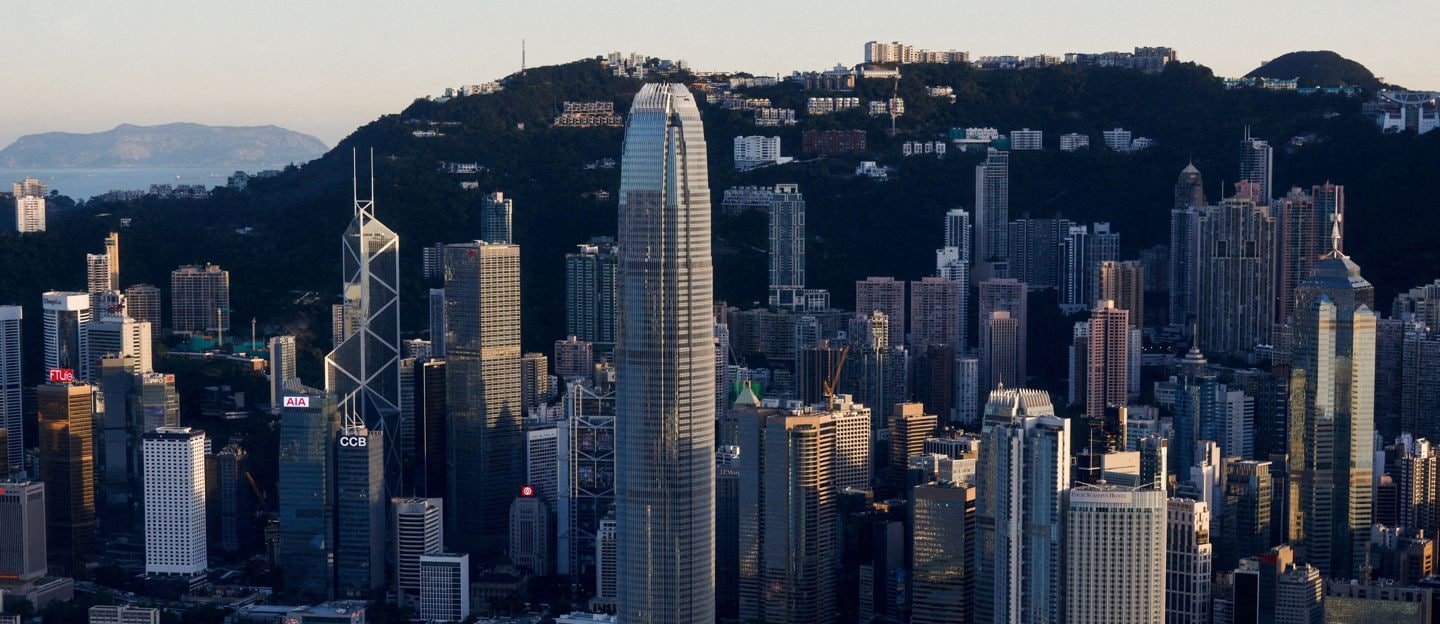
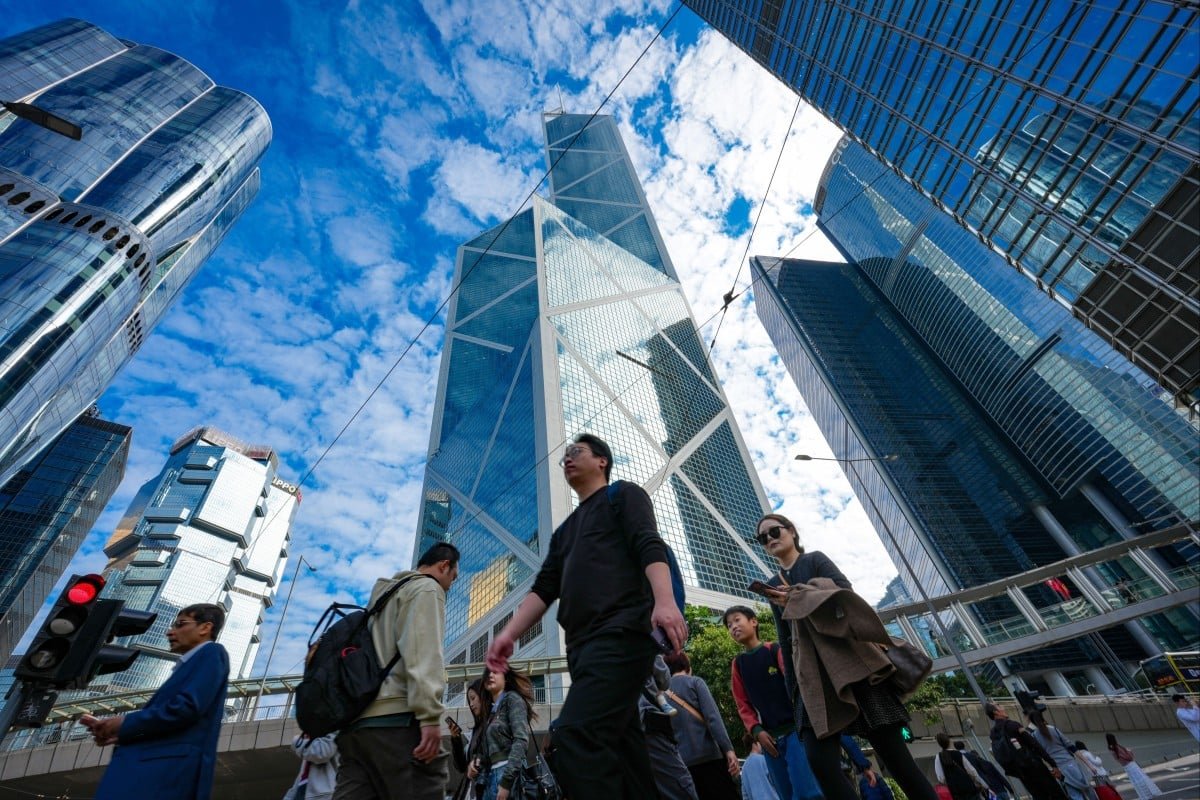
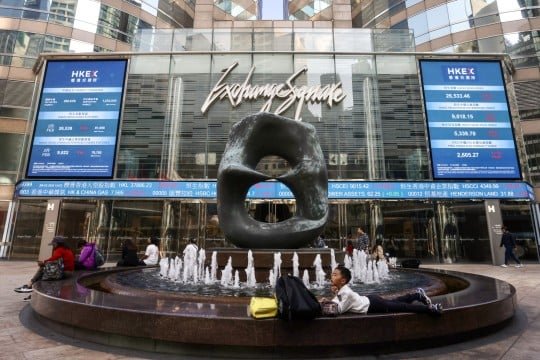
Hong Kong’s rise as a leading financial hub has been driven by a combination of open markets, strong legal frameworks and strategic geographic positioning.
Replicating these elements would require substantial policy shifts in Cuba, including reforms to property rights, trade policies and capital flows.
Analysts note that infrastructure development and integration into global supply chains would also be essential components of any transformation.
Building investor confidence would depend on consistent policy direction and the establishment of clear rules governing business activity.
The potential benefits of such a transition could include increased foreign investment, job creation and improved living standards.
However, achieving these outcomes would likely involve complex economic adjustments and sustained political commitment.
Observers emphasise that while the comparison with Hong Kong offers a useful framework, the two regions differ significantly in historical context, institutional development and external relationships.
These factors would shape the pace and feasibility of any transformation.
As the debate continues, the idea underscores the broader question of how emerging economies can adapt to global financial systems, with Cuba’s future direction remaining a subject of close interest among policymakers and investors.
The discussion centres on what structural reforms would be required for Cuba to transition into a dynamic, internationally connected economy capable of attracting investment and fostering sustained growth.
Key considerations include regulatory transparency, market liberalisation and the development of robust financial institutions.
Hong Kong’s rise as a leading financial hub has been driven by a combination of open markets, strong legal frameworks and strategic geographic positioning.
Replicating these elements would require substantial policy shifts in Cuba, including reforms to property rights, trade policies and capital flows.
Analysts note that infrastructure development and integration into global supply chains would also be essential components of any transformation.
Building investor confidence would depend on consistent policy direction and the establishment of clear rules governing business activity.
The potential benefits of such a transition could include increased foreign investment, job creation and improved living standards.
However, achieving these outcomes would likely involve complex economic adjustments and sustained political commitment.
Observers emphasise that while the comparison with Hong Kong offers a useful framework, the two regions differ significantly in historical context, institutional development and external relationships.
These factors would shape the pace and feasibility of any transformation.
As the debate continues, the idea underscores the broader question of how emerging economies can adapt to global financial systems, with Cuba’s future direction remaining a subject of close interest among policymakers and investors.