Strategic advantages and market reforms create opportunity to strengthen role in international precious metals trade
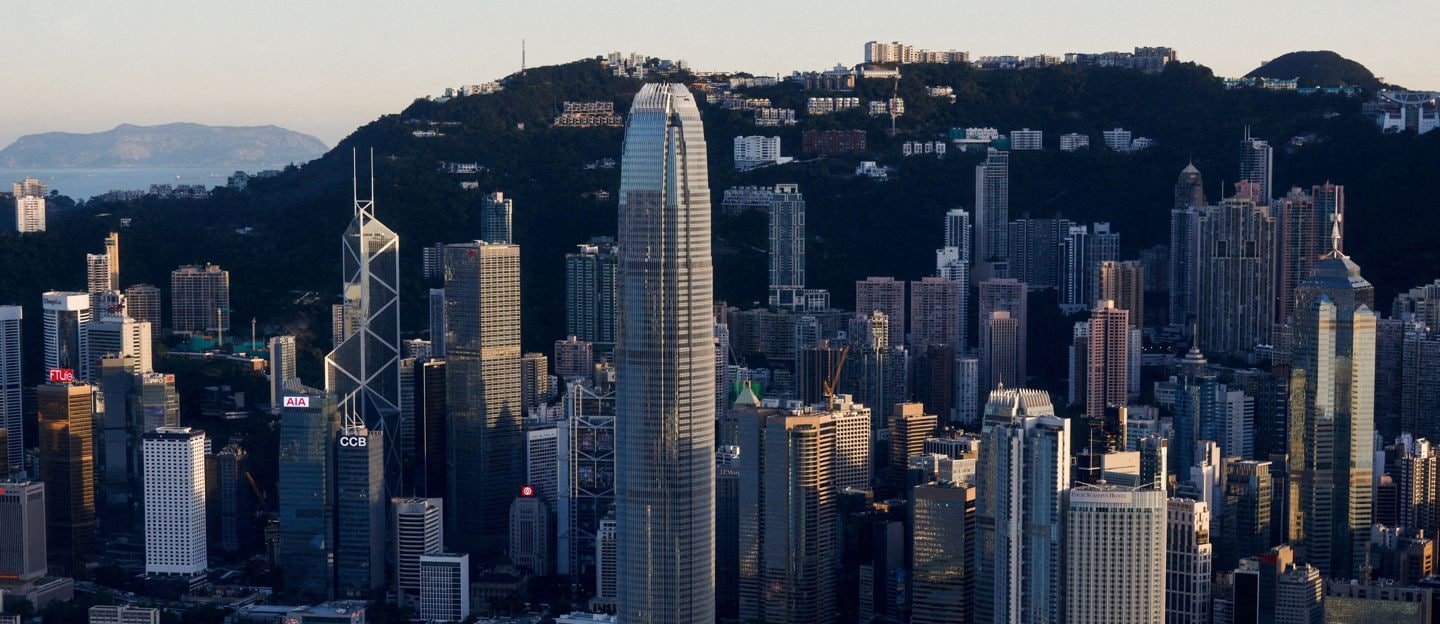
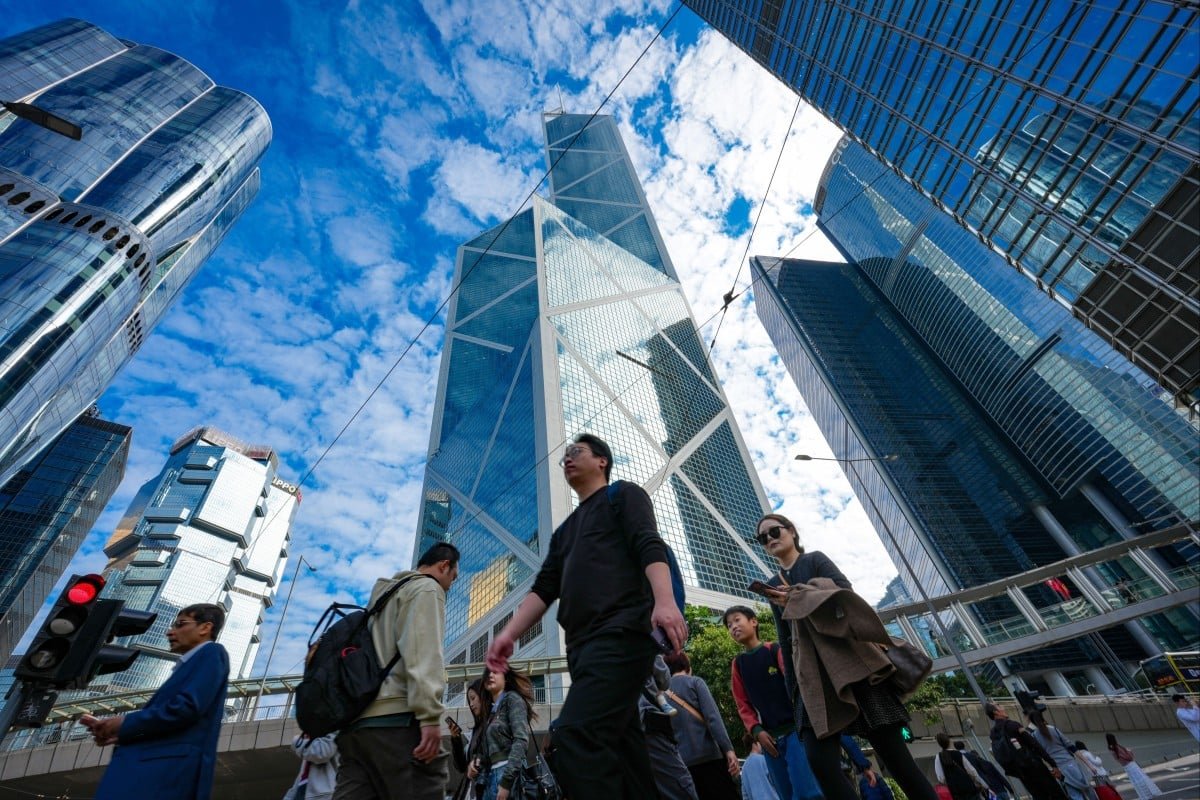
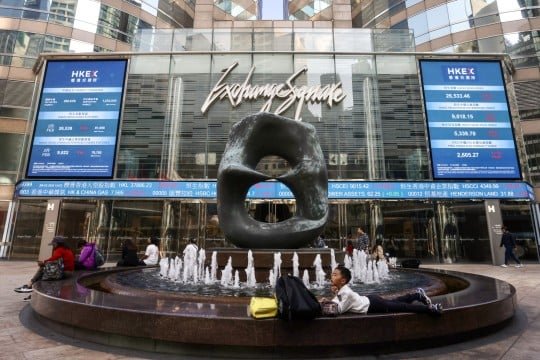
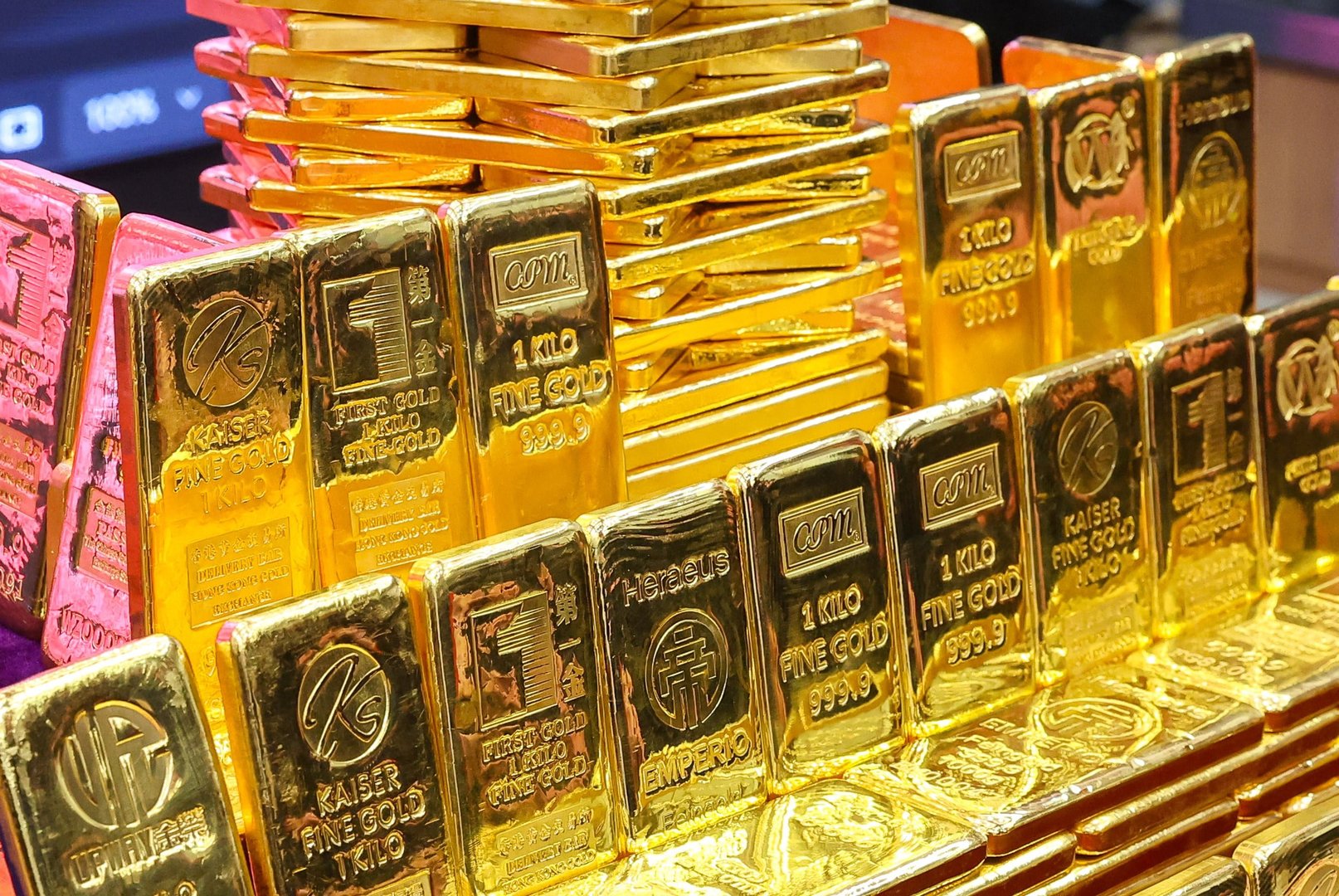
Hong Kong is being seen as uniquely positioned to expand its role as a global gold trading hub, with a combination of strategic location, financial infrastructure and policy momentum offering a significant opportunity for growth.
The city’s established status as an international financial centre, combined with its proximity to major Asian markets, places it in a strong position to facilitate increased gold trading activity.
Market observers note that rising global demand for gold as a store of value is creating favourable conditions for expansion.
Efforts to enhance market infrastructure, including trading platforms, storage facilities and regulatory frameworks, are expected to play a critical role in strengthening Hong Kong’s competitiveness.
Authorities are exploring ways to improve efficiency and attract a broader range of participants to the market.
Hong Kong’s connectivity with mainland China also provides a significant advantage, enabling it to act as a gateway for cross-border flows of precious metals.
As China remains one of the world’s largest consumers of gold, this linkage could support increased trading volumes and market integration.
Industry participants highlight the importance of building liquidity and ensuring transparent pricing mechanisms, both of which are essential for establishing a leading global trading hub.
Continued investment in these areas is seen as key to realising the city’s potential.
The broader global environment, marked by economic uncertainty and shifting monetary conditions, has reinforced gold’s appeal as a safe-haven asset.
This trend is expected to support sustained demand and create opportunities for financial centres capable of facilitating efficient trading.
As Hong Kong advances its strategy, the city is well positioned to capitalise on these dynamics, leveraging its financial expertise and international connections to strengthen its role in the global gold market.
The city’s established status as an international financial centre, combined with its proximity to major Asian markets, places it in a strong position to facilitate increased gold trading activity.
Market observers note that rising global demand for gold as a store of value is creating favourable conditions for expansion.
Efforts to enhance market infrastructure, including trading platforms, storage facilities and regulatory frameworks, are expected to play a critical role in strengthening Hong Kong’s competitiveness.
Authorities are exploring ways to improve efficiency and attract a broader range of participants to the market.
Hong Kong’s connectivity with mainland China also provides a significant advantage, enabling it to act as a gateway for cross-border flows of precious metals.
As China remains one of the world’s largest consumers of gold, this linkage could support increased trading volumes and market integration.
Industry participants highlight the importance of building liquidity and ensuring transparent pricing mechanisms, both of which are essential for establishing a leading global trading hub.
Continued investment in these areas is seen as key to realising the city’s potential.
The broader global environment, marked by economic uncertainty and shifting monetary conditions, has reinforced gold’s appeal as a safe-haven asset.
This trend is expected to support sustained demand and create opportunities for financial centres capable of facilitating efficient trading.
As Hong Kong advances its strategy, the city is well positioned to capitalise on these dynamics, leveraging its financial expertise and international connections to strengthen its role in the global gold market.