Authorities and businesses turn market volatility into opportunity, expanding real-world applications for digital assets
Hong Kong is accelerating efforts to bring cryptocurrencies into everyday financial activity, transforming recent market volatility into a catalyst for broader adoption across retail and commercial sectors.
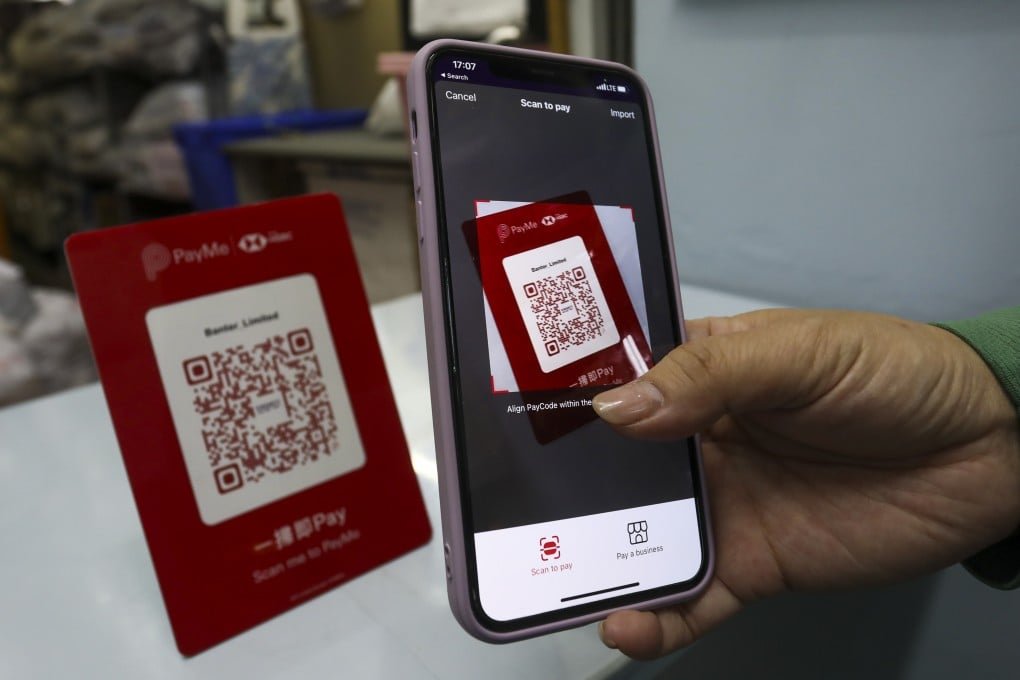
Authorities and industry participants are working in tandem to expand the practical use of digital assets, encouraging payment systems, trading platforms, and financial institutions to integrate cryptocurrencies into daily transactions.
The initiative reflects a strategic push to position the city as a leading hub for digital finance in Asia.
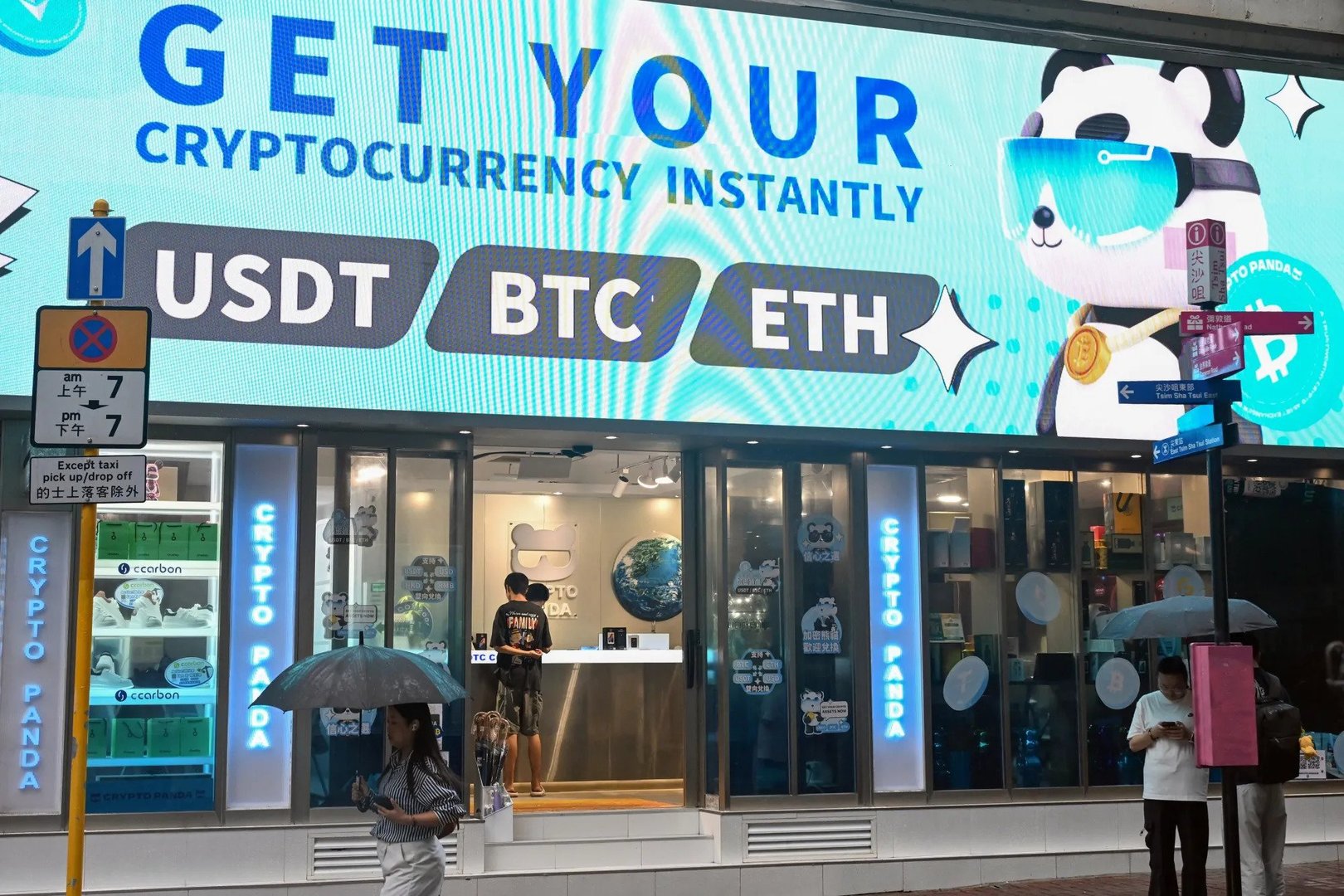
Businesses across sectors are increasingly exploring crypto-enabled payments, with some retailers and service providers beginning to accept digital currencies alongside traditional methods.
This shift is supported by a growing ecosystem of regulated exchanges and custodial services designed to ensure security and compliance.
Regulators have taken a structured approach, introducing licensing frameworks and oversight mechanisms aimed at balancing innovation with investor protection.
By providing clearer rules, authorities are seeking to build confidence among both consumers and institutional participants.
The move comes after periods of significant turbulence in global cryptocurrency markets, which exposed risks but also highlighted the resilience and adaptability of the underlying technology.
Hong Kong’s response has been to channel this momentum into practical applications that extend beyond speculative trading.
Financial institutions are also expanding their involvement, with banks and fintech firms developing services that bridge traditional finance and digital assets.
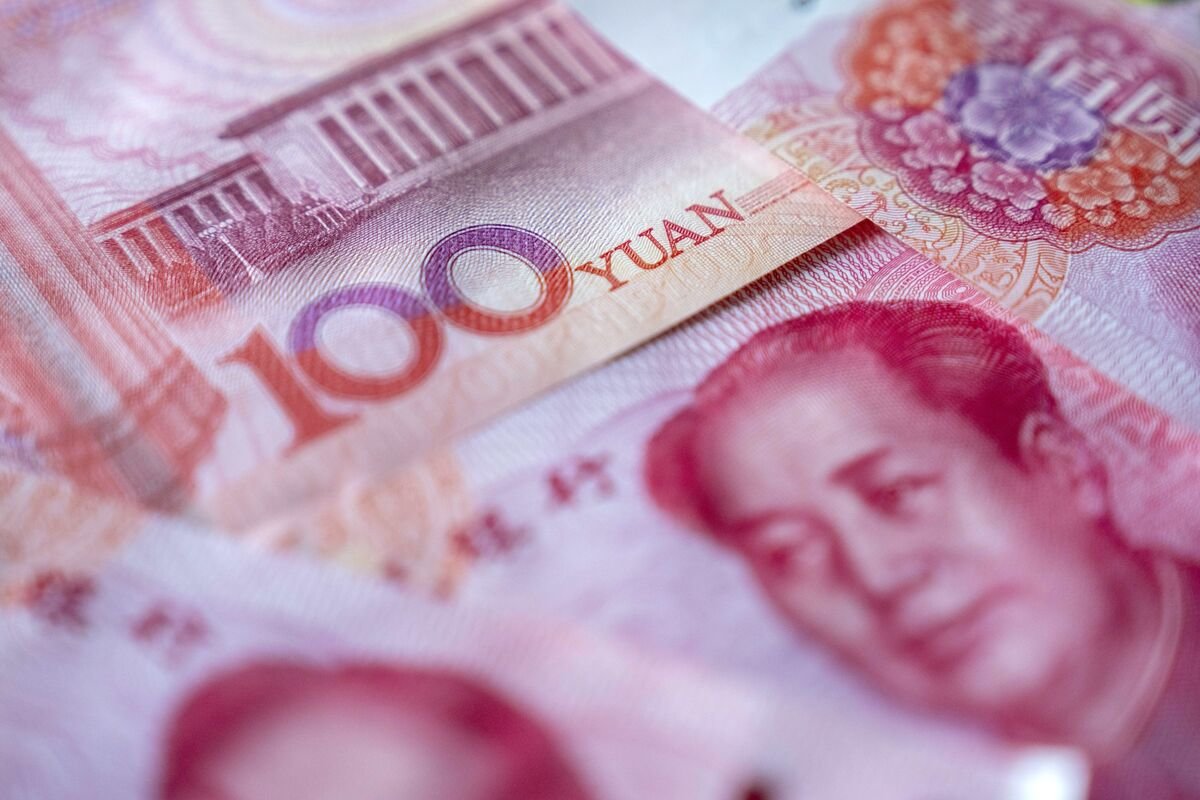
These include custody solutions, tokenised products, and platforms that facilitate seamless conversion between cryptocurrencies and fiat currencies.
Analysts note that integrating cryptocurrencies into daily use could help stabilise demand and support long-term growth by anchoring digital assets in real economic activity.
Hong Kong’s approach underscores a broader trend among financial centres seeking to harness innovation while maintaining regulatory clarity.
As adoption grows, the city is positioning itself at the forefront of a new phase in digital finance, where cryptocurrencies are increasingly embedded in everyday transactions and financial systems.
Authorities and industry participants are working in tandem to expand the practical use of digital assets, encouraging payment systems, trading platforms, and financial institutions to integrate cryptocurrencies into daily transactions.
The initiative reflects a strategic push to position the city as a leading hub for digital finance in Asia.
Businesses across sectors are increasingly exploring crypto-enabled payments, with some retailers and service providers beginning to accept digital currencies alongside traditional methods.
This shift is supported by a growing ecosystem of regulated exchanges and custodial services designed to ensure security and compliance.
Regulators have taken a structured approach, introducing licensing frameworks and oversight mechanisms aimed at balancing innovation with investor protection.
By providing clearer rules, authorities are seeking to build confidence among both consumers and institutional participants.
The move comes after periods of significant turbulence in global cryptocurrency markets, which exposed risks but also highlighted the resilience and adaptability of the underlying technology.
Hong Kong’s response has been to channel this momentum into practical applications that extend beyond speculative trading.
Financial institutions are also expanding their involvement, with banks and fintech firms developing services that bridge traditional finance and digital assets.
These include custody solutions, tokenised products, and platforms that facilitate seamless conversion between cryptocurrencies and fiat currencies.
Analysts note that integrating cryptocurrencies into daily use could help stabilise demand and support long-term growth by anchoring digital assets in real economic activity.
Hong Kong’s approach underscores a broader trend among financial centres seeking to harness innovation while maintaining regulatory clarity.
As adoption grows, the city is positioning itself at the forefront of a new phase in digital finance, where cryptocurrencies are increasingly embedded in everyday transactions and financial systems.