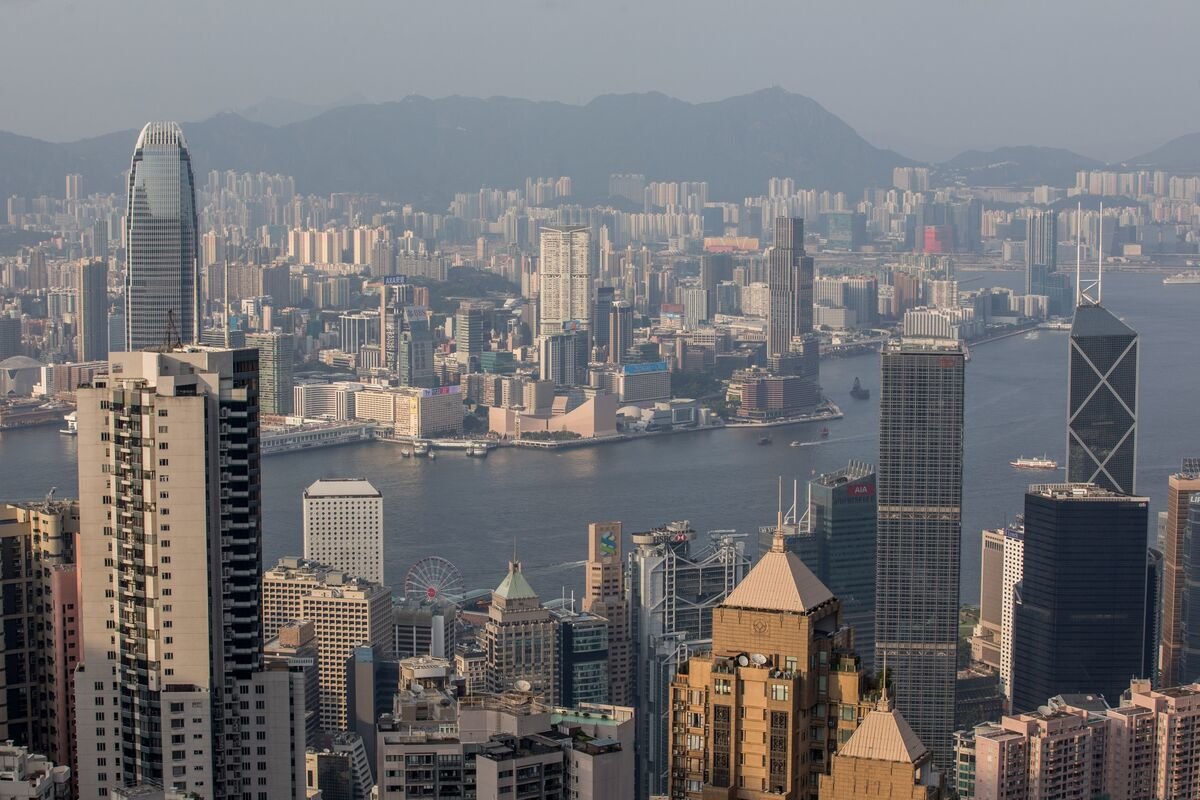
Rising global demand and improved market access drive unprecedented cross-border activity via financial hub
Foreign trading of Chinese bonds through Hong Kong has reached a record high, underscoring the city’s growing importance as a gateway for international investors seeking exposure to mainland financial markets.
The surge in activity reflects increasing global interest in Chinese fixed-income assets, supported by expanded access channels and improved connectivity between Hong Kong and mainland exchanges.
Mechanisms that facilitate cross-border trading have enabled overseas investors to participate more efficiently, contributing to the rise in transaction volumes.
Market participants point to a combination of factors behind the growth, including relatively attractive yields, diversification benefits, and the continued inclusion of Chinese bonds in major global indices.
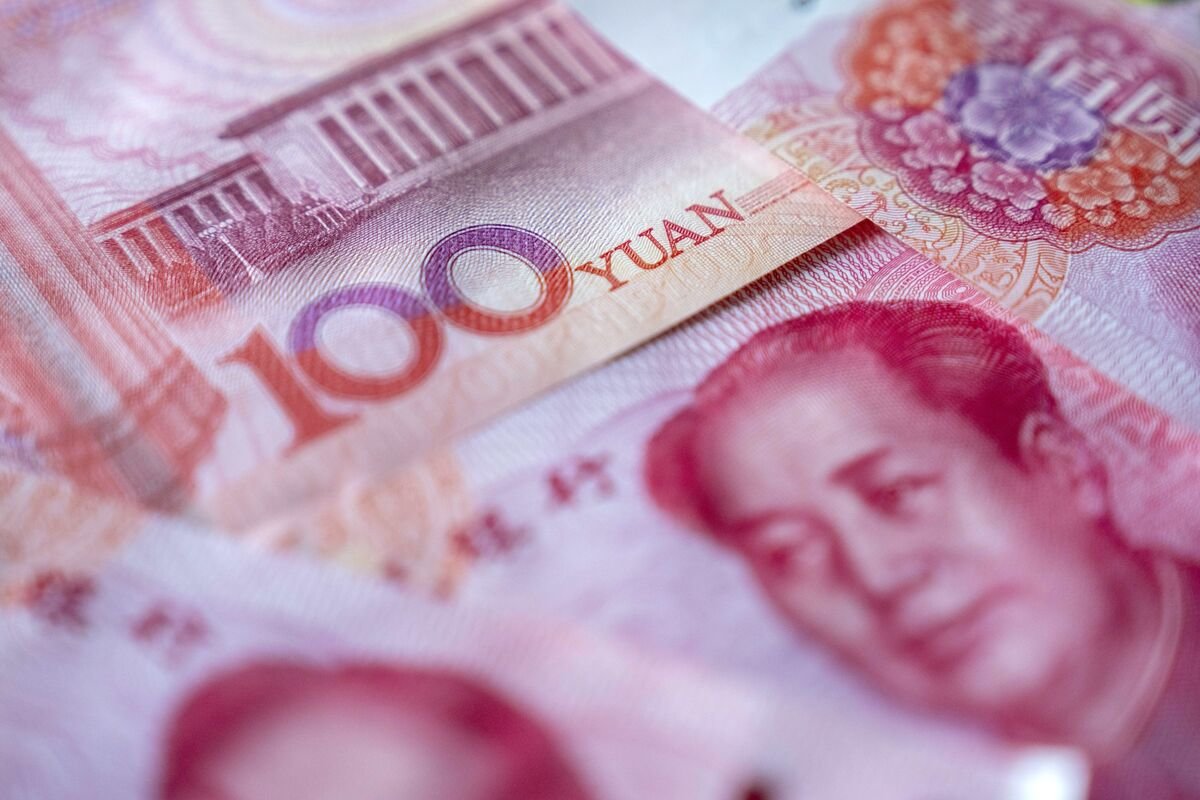
These developments have encouraged institutional investors to allocate a larger share of their portfolios to renminbi-denominated assets.
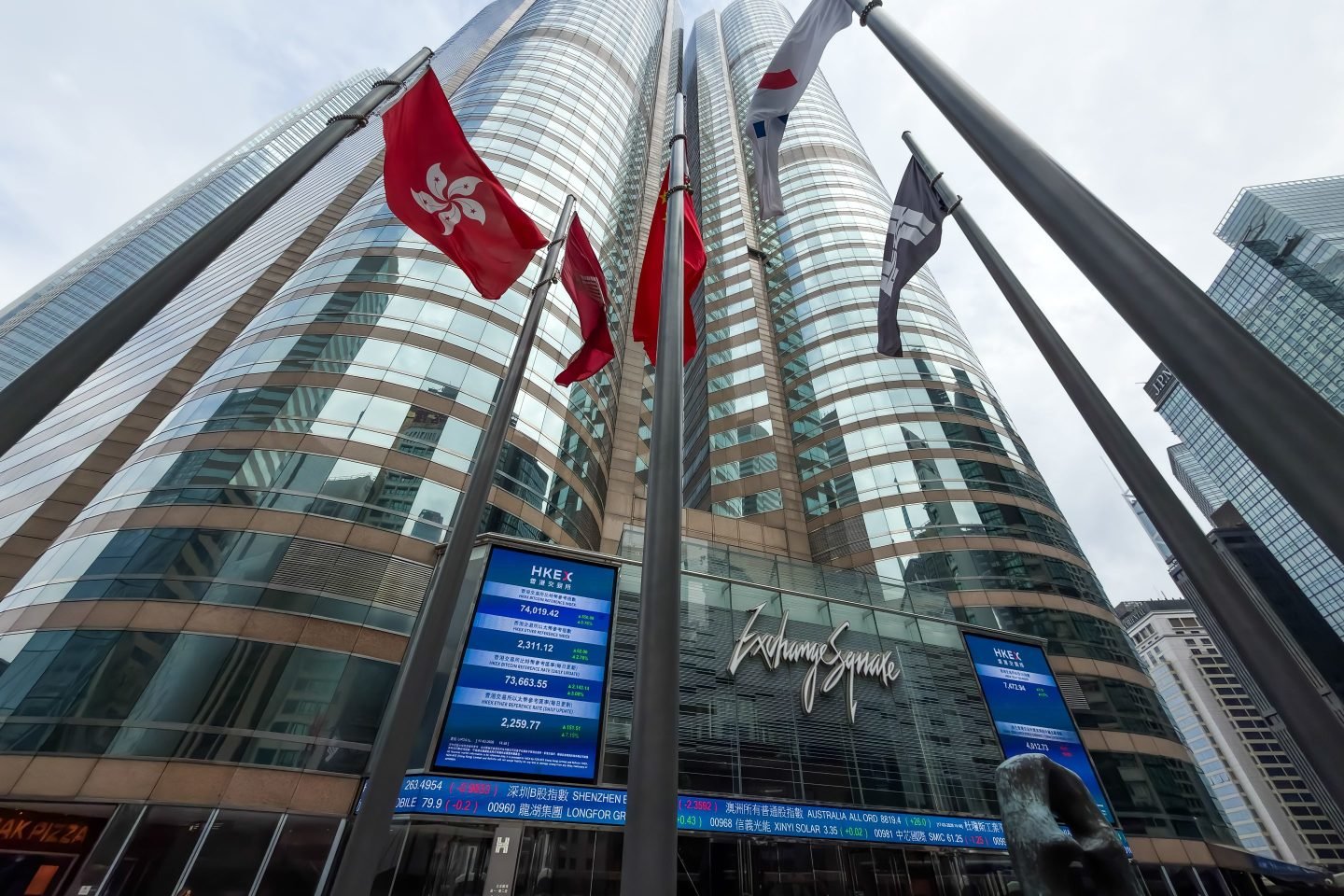
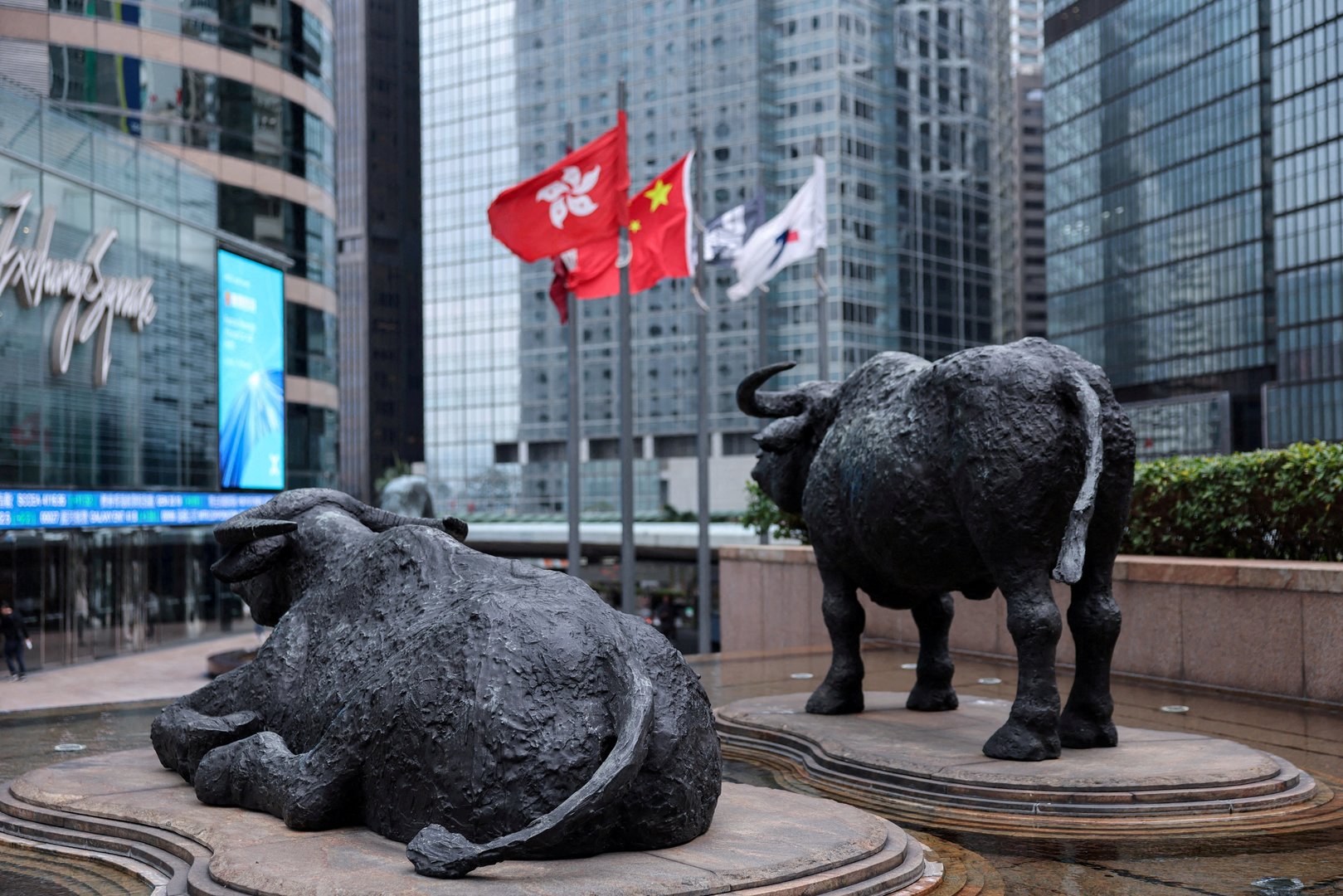
Hong Kong’s role as an intermediary has been central to this expansion, with its financial infrastructure and regulatory framework providing a trusted environment for international capital flows.
The city’s position allows investors to access mainland markets while benefiting from familiar legal and operational systems.
Authorities have emphasized the importance of strengthening Hong Kong’s status as a global financial center, highlighting ongoing efforts to enhance market connectivity and broaden participation.
The record level of foreign trading is seen as a reflection of confidence in these initiatives and in the long-term prospects of China’s bond market.
Analysts note that continued growth will depend on factors such as market stability, currency dynamics, and regulatory transparency.
However, the current momentum suggests sustained interest from global investors seeking exposure to one of the world’s largest and most rapidly evolving bond markets.
As cross-border activity continues to expand, the record trading levels highlight both the increasing integration of China’s financial system with global markets and Hong Kong’s pivotal role in facilitating that process.
The surge in activity reflects increasing global interest in Chinese fixed-income assets, supported by expanded access channels and improved connectivity between Hong Kong and mainland exchanges.
Mechanisms that facilitate cross-border trading have enabled overseas investors to participate more efficiently, contributing to the rise in transaction volumes.
Market participants point to a combination of factors behind the growth, including relatively attractive yields, diversification benefits, and the continued inclusion of Chinese bonds in major global indices.
These developments have encouraged institutional investors to allocate a larger share of their portfolios to renminbi-denominated assets.
Hong Kong’s role as an intermediary has been central to this expansion, with its financial infrastructure and regulatory framework providing a trusted environment for international capital flows.
The city’s position allows investors to access mainland markets while benefiting from familiar legal and operational systems.
Authorities have emphasized the importance of strengthening Hong Kong’s status as a global financial center, highlighting ongoing efforts to enhance market connectivity and broaden participation.
The record level of foreign trading is seen as a reflection of confidence in these initiatives and in the long-term prospects of China’s bond market.
Analysts note that continued growth will depend on factors such as market stability, currency dynamics, and regulatory transparency.
However, the current momentum suggests sustained interest from global investors seeking exposure to one of the world’s largest and most rapidly evolving bond markets.
As cross-border activity continues to expand, the record trading levels highlight both the increasing integration of China’s financial system with global markets and Hong Kong’s pivotal role in facilitating that process.