Debate intensifies over housing, care infrastructure, and cross-border options as city confronts demographic shift
Hong Kong is confronting the realities of a rapidly ageing population, with attention increasingly focused not just on the pace of demographic change but on where and how older residents will spend their later years.
The city’s rising proportion of elderly citizens is placing growing pressure on housing, healthcare, and social support systems.
While longer life expectancy reflects broader success in public health and development, it has also exposed structural challenges in accommodating an expanding senior population within limited urban space.
A central issue is the availability and affordability of suitable living arrangements.
Many older residents face difficulties securing appropriate housing that meets their needs, particularly in a densely populated city where space is constrained and property costs remain high.
Waiting lists for public housing and care facilities have lengthened, prompting concerns about accessibility and quality of life.
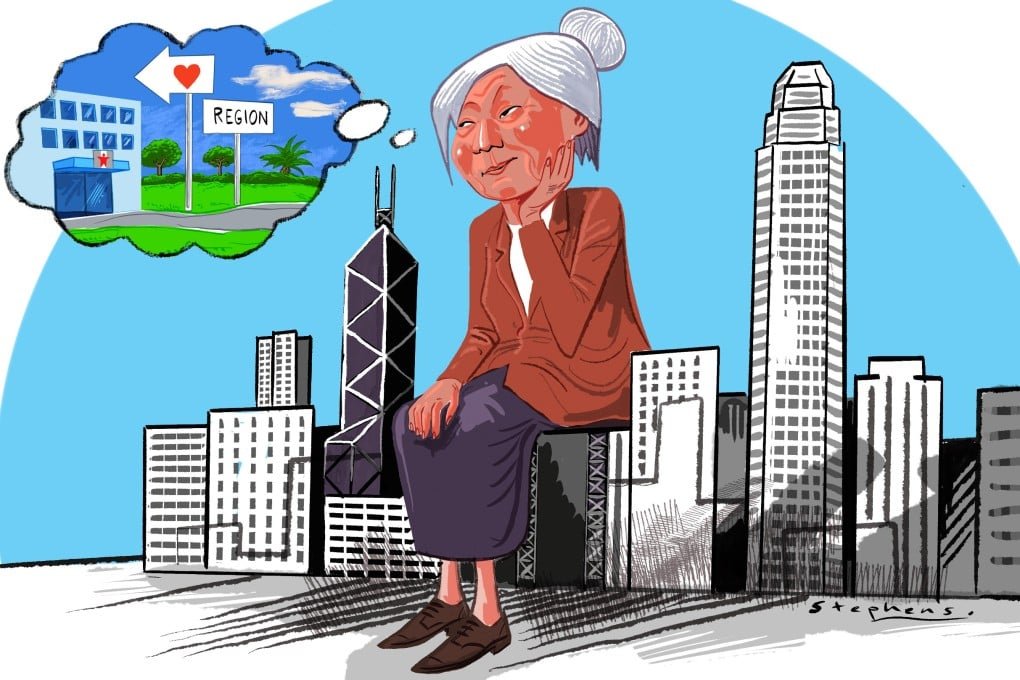
As a result, increasing numbers of retirees are exploring options beyond the city, including relocating to nearby regions where living costs are lower and space more abundant.
Cross-border arrangements, particularly in mainland China, are emerging as a potential alternative, offering access to larger residences and expanding care facilities.
However, such moves raise complex considerations, including differences in healthcare systems, social integration, and proximity to family networks.
Policymakers are being urged to address these issues by improving coordination of services and ensuring that older residents can make informed choices about their future.
The debate also highlights the need for innovation in urban planning and eldercare, with calls for more age-friendly housing, community-based services, and flexible care models that allow seniors to maintain independence for as long as possible.
As Hong Kong navigates this demographic transition, the question of where people age is becoming as significant as how they are supported, shaping policy discussions and long-term planning for the city’s future.
The city’s rising proportion of elderly citizens is placing growing pressure on housing, healthcare, and social support systems.
While longer life expectancy reflects broader success in public health and development, it has also exposed structural challenges in accommodating an expanding senior population within limited urban space.
A central issue is the availability and affordability of suitable living arrangements.
Many older residents face difficulties securing appropriate housing that meets their needs, particularly in a densely populated city where space is constrained and property costs remain high.
Waiting lists for public housing and care facilities have lengthened, prompting concerns about accessibility and quality of life.
As a result, increasing numbers of retirees are exploring options beyond the city, including relocating to nearby regions where living costs are lower and space more abundant.
Cross-border arrangements, particularly in mainland China, are emerging as a potential alternative, offering access to larger residences and expanding care facilities.
However, such moves raise complex considerations, including differences in healthcare systems, social integration, and proximity to family networks.
Policymakers are being urged to address these issues by improving coordination of services and ensuring that older residents can make informed choices about their future.
The debate also highlights the need for innovation in urban planning and eldercare, with calls for more age-friendly housing, community-based services, and flexible care models that allow seniors to maintain independence for as long as possible.
As Hong Kong navigates this demographic transition, the question of where people age is becoming as significant as how they are supported, shaping policy discussions and long-term planning for the city’s future.