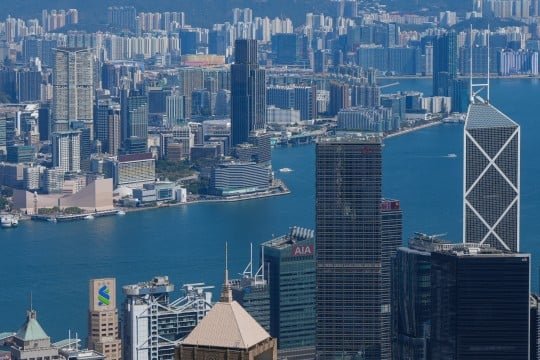
City outlines a strategy to channel global capital into the region’s green transition, leveraging its financial strengths while facing regulatory and transparency challenges
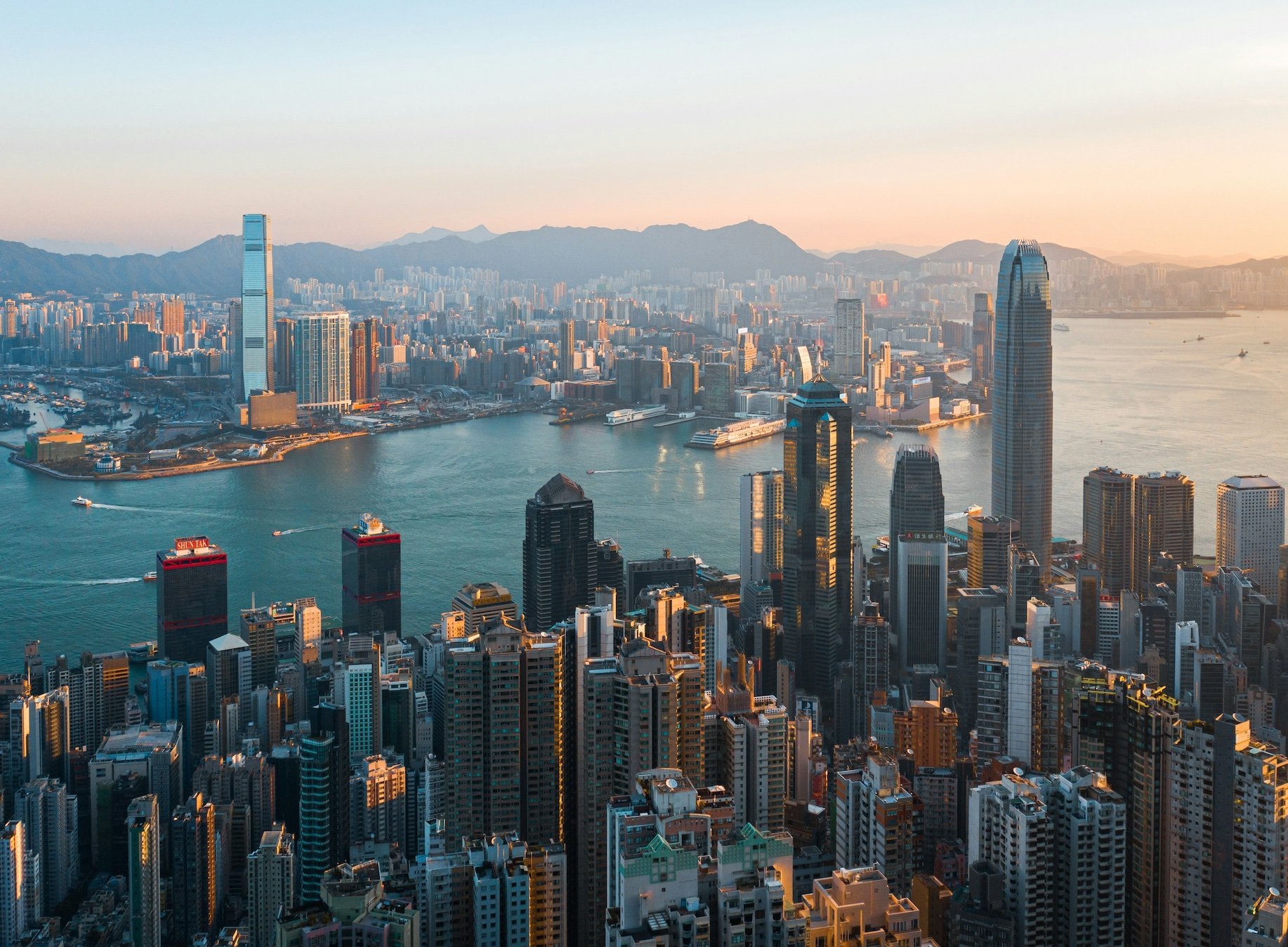
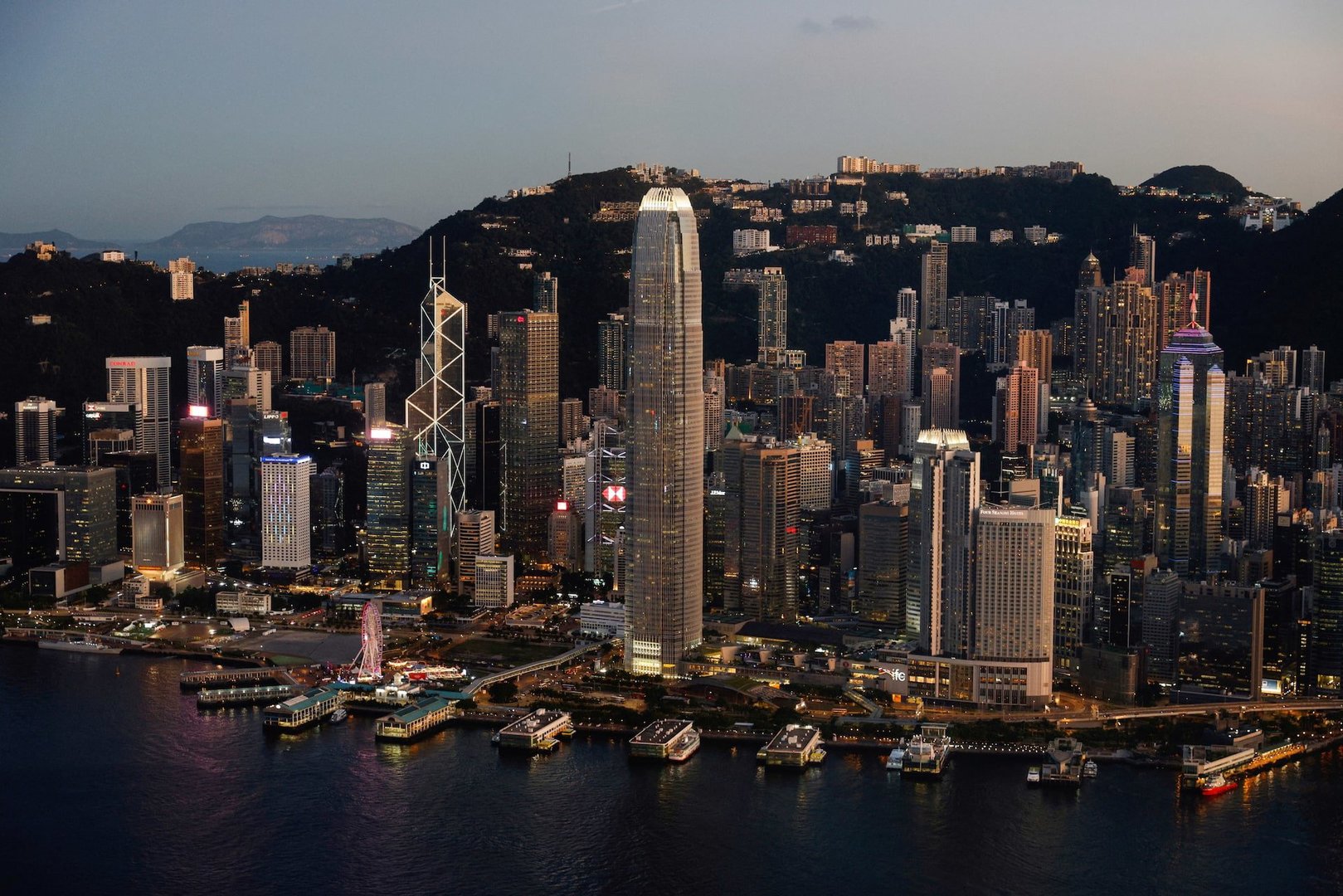
Hong Kong is positioning itself to become a premier climate finance hub in Asia, pursuing a strategy that pairs its long-standing financial infrastructure with an expanding ecosystem of green investment tools.
Policymakers and industry leaders argue that the city is uniquely placed to mobilise the capital needed for Asia’s energy transition, particularly as regional demand for sustainable infrastructure grows.
At the core of Hong Kong’s vision is its role as a connector between global investors and China’s rapidly developing clean-energy and green-technology industries.
The city already leads the region in green and sustainable bond issuance, and regulators are tightening disclosure rules for listed companies while strengthening climate-risk assessment requirements for banks.
Officials believe these measures can raise transparency, deepen investor confidence and build a robust pipeline of environmentally focused financing.
New initiatives, including capacity-building programmes for environmental, social and governance professionals and the expansion of voluntary carbon-credit markets, signal a broader effort to embed sustainability across the financial sector.
The Hong Kong Monetary Authority is also integrating climate considerations into its regulatory guidance, reinforcing the expectation that financial institutions incorporate climate risk into core business decisions.
Yet the path forward is complex.
The absence of harmonised green-finance standards across Asia creates uncertainty for cross-border investment.
Many companies still do not disclose complete emissions data, particularly supply-chain-related Scope Three emissions, limiting investors’ ability to assess credibility and impact.
Analysts caution that without stronger regional coordination and more comprehensive transparency, climate finance risks becoming disconnected from real-world emissions reduction.
Advocates argue that Hong Kong can distinguish itself by directing capital into tangible infrastructure — cleaner power grids, low-carbon transport and climate-resilient urban systems — rather than relying primarily on financial instruments.
Success, they say, will depend on whether the city can match its financial ambition with rigorous oversight and a clear pathway for translating investment into measurable environmental outcomes.
Policymakers and industry leaders argue that the city is uniquely placed to mobilise the capital needed for Asia’s energy transition, particularly as regional demand for sustainable infrastructure grows.
At the core of Hong Kong’s vision is its role as a connector between global investors and China’s rapidly developing clean-energy and green-technology industries.
The city already leads the region in green and sustainable bond issuance, and regulators are tightening disclosure rules for listed companies while strengthening climate-risk assessment requirements for banks.
Officials believe these measures can raise transparency, deepen investor confidence and build a robust pipeline of environmentally focused financing.
New initiatives, including capacity-building programmes for environmental, social and governance professionals and the expansion of voluntary carbon-credit markets, signal a broader effort to embed sustainability across the financial sector.
The Hong Kong Monetary Authority is also integrating climate considerations into its regulatory guidance, reinforcing the expectation that financial institutions incorporate climate risk into core business decisions.
Yet the path forward is complex.
The absence of harmonised green-finance standards across Asia creates uncertainty for cross-border investment.
Many companies still do not disclose complete emissions data, particularly supply-chain-related Scope Three emissions, limiting investors’ ability to assess credibility and impact.
Analysts caution that without stronger regional coordination and more comprehensive transparency, climate finance risks becoming disconnected from real-world emissions reduction.
Advocates argue that Hong Kong can distinguish itself by directing capital into tangible infrastructure — cleaner power grids, low-carbon transport and climate-resilient urban systems — rather than relying primarily on financial instruments.
Success, they say, will depend on whether the city can match its financial ambition with rigorous oversight and a clear pathway for translating investment into measurable environmental outcomes.