Officials summon international outlets in an unprecedented meeting, accusing them of distorting reports on the deadly Tai Po fire and electoral matters
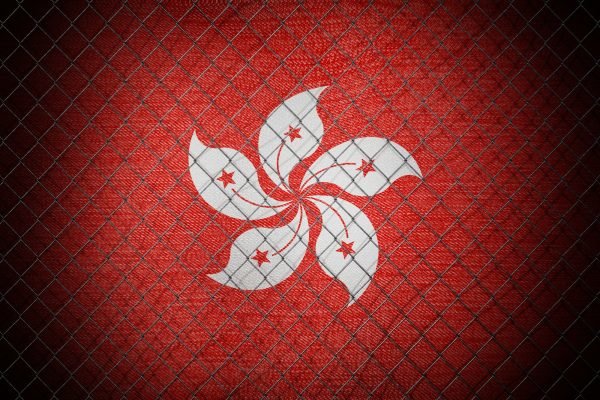
Hong Kong’s Office for Safeguarding National Security has summoned several foreign media organisations, issuing a warning against what it described as the spread of “false information” linked to the fatal Wang Fuk Court fire and the city’s upcoming Legislative Council election.
The summons, delivered without prior notice, marks one of the most direct interventions by national-security authorities into foreign press activity since the office was established.
In a written statement provided to attendees, officials accused unnamed outlets of distorting government disaster-response efforts, misrepresenting the election environment and provoking social division.
No specific news reports were identified, and the session did not allow questions, leaving journalists with little clarity on how the authorities intend to define or enforce boundaries on reporting.
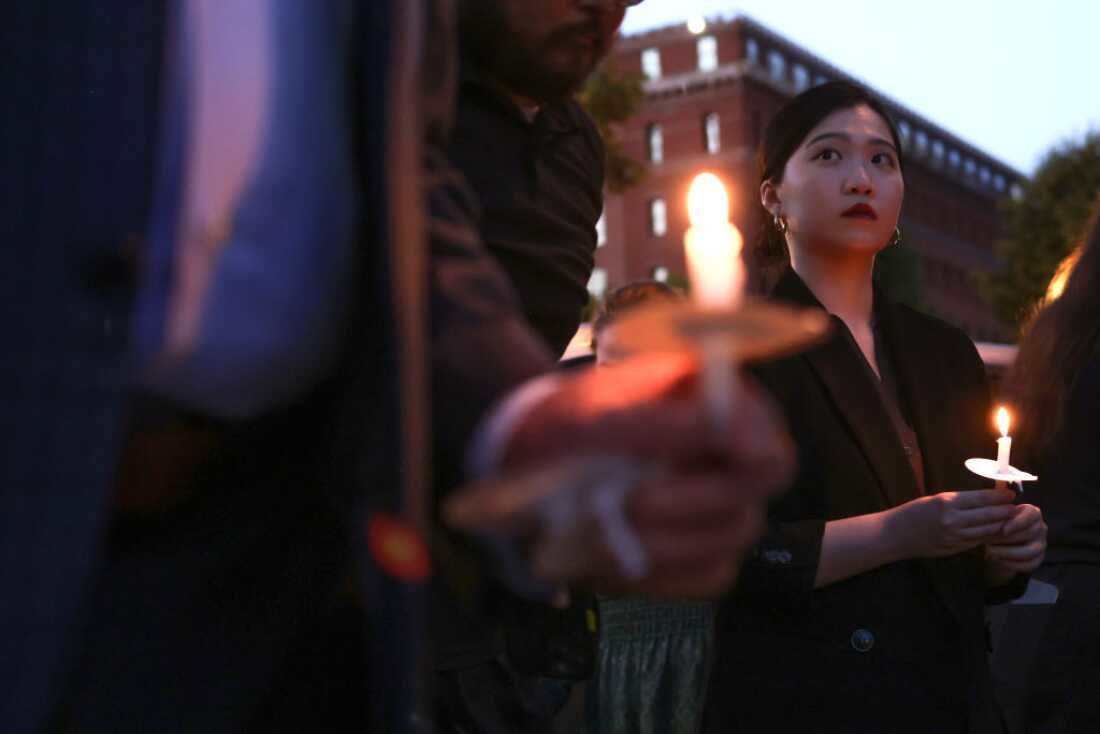
The meeting follows public frustration and grief over the fire that killed more than one hundred fifty residents and fuelled scrutiny of building safety, regulatory oversight and the government’s management of the aftermath.
The election, taking place days after the tragedy, has already faced muted public engagement amid anger over safety failures and strict limits on political participation.
Foreign correspondents who attended the summons said officials warned them not to “cross the red line,” asserting that media freedom does not give licence to interfere in Hong Kong’s internal affairs.
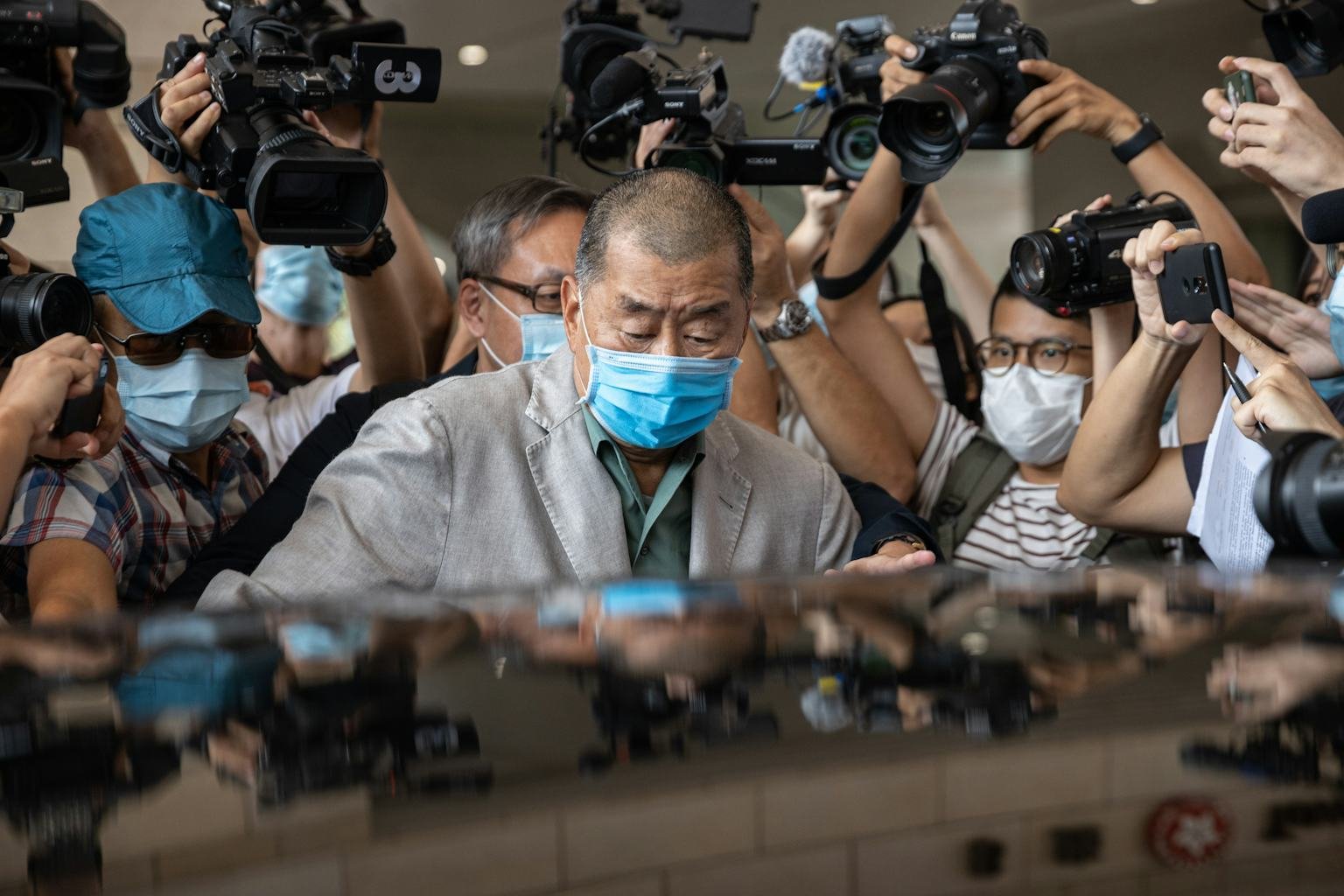
Press-freedom groups interpreted the move as a tightening of control over independent reporting, raising concerns that foreign journalists may feel pressure to soften or restrict coverage during a politically sensitive period.
Authorities maintain that their aim is to prevent misinformation and preserve public order.
However, the lack of transparency in the allegations has left many in the media community questioning whether investigative reporting and critical analysis of the fire or election could be targeted next.
As Hong Kong moves through a period of heightened tension, the extent to which foreign media can operate freely will be closely watched both locally and internationally.
The summons, delivered without prior notice, marks one of the most direct interventions by national-security authorities into foreign press activity since the office was established.
In a written statement provided to attendees, officials accused unnamed outlets of distorting government disaster-response efforts, misrepresenting the election environment and provoking social division.
No specific news reports were identified, and the session did not allow questions, leaving journalists with little clarity on how the authorities intend to define or enforce boundaries on reporting.
The meeting follows public frustration and grief over the fire that killed more than one hundred fifty residents and fuelled scrutiny of building safety, regulatory oversight and the government’s management of the aftermath.
The election, taking place days after the tragedy, has already faced muted public engagement amid anger over safety failures and strict limits on political participation.
Foreign correspondents who attended the summons said officials warned them not to “cross the red line,” asserting that media freedom does not give licence to interfere in Hong Kong’s internal affairs.
Press-freedom groups interpreted the move as a tightening of control over independent reporting, raising concerns that foreign journalists may feel pressure to soften or restrict coverage during a politically sensitive period.
Authorities maintain that their aim is to prevent misinformation and preserve public order.
However, the lack of transparency in the allegations has left many in the media community questioning whether investigative reporting and critical analysis of the fire or election could be targeted next.
As Hong Kong moves through a period of heightened tension, the extent to which foreign media can operate freely will be closely watched both locally and internationally.