Authorities caution international outlets not to inflame tensions following the Wang Fuk Court disaster
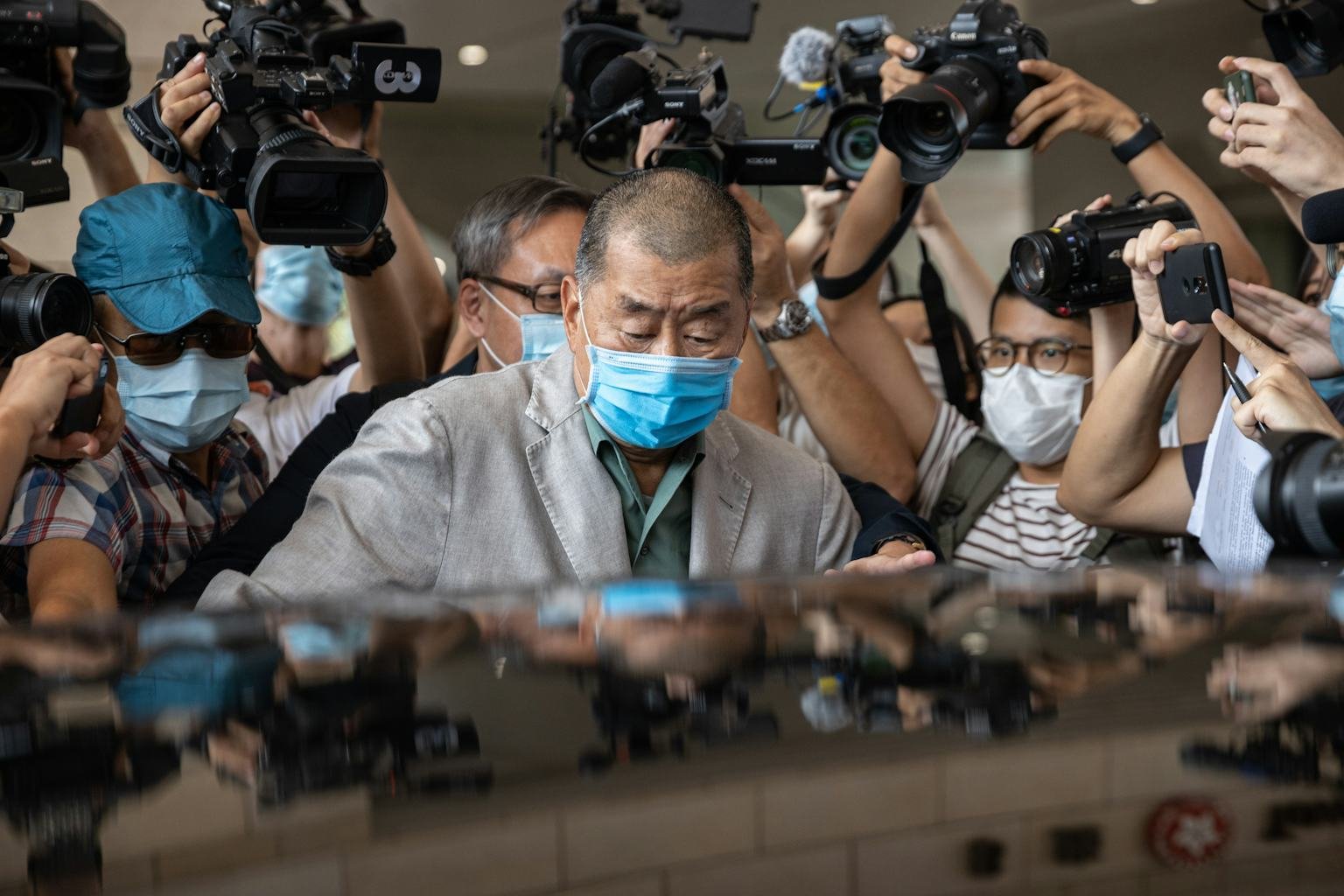
Hong Kong’s Office for Safeguarding National Security has summoned representatives of several foreign media organisations, issuing a pointed warning not to escalate tensions or undermine official efforts in the aftermath of the devastating fire at Wang Fuk Court.
The directive, delivered days after the city’s deadliest residential blaze in decades, signalled a tightening of the government’s approach to international reporting as public pressure intensifies over the tragedy.
The fire, which broke out on 26 November in the Tai Po district, spread at exceptional speed through the high-rise estate and left at least 159 residents dead.
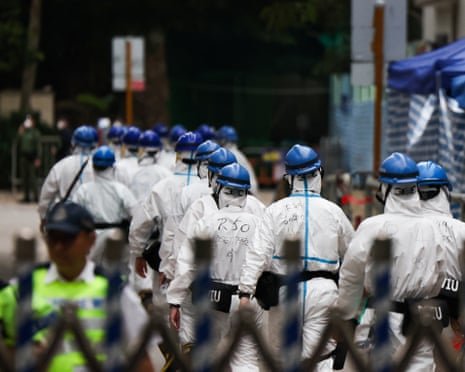
Emergency teams have continued recovery operations, while investigators pursue allegations that substandard construction materials and improper renovation practices accelerated the blaze.
Several contractors and associated personnel have been detained as part of ongoing inquiries into suspected negligence and corruption.
In statements released after the media summons, authorities accused unnamed foreign outlets of publishing misleading narratives that allegedly distort the government’s relief efforts and risk agitating the public ahead of the forthcoming legislative election.
Officials stressed that reporting must not “cross the legal red line,” a phrase increasingly used to reinforce the national security framework in Hong Kong’s public sphere.
Alongside the warnings to media, local authorities have initiated arrests linked to social-media activity surrounding the fire, including petitions and commentary they deem seditious.
These measures have been justified as necessary to maintain social stability, though they have prompted debate over the boundaries of permissible expression during a period of profound public grief.
As Hong Kong confronts the aftermath of the disaster, the government continues to balance its pledge of a full investigation with firm controls on information and public discourse, shaping the environment in which accountability and recovery efforts will unfold.
The directive, delivered days after the city’s deadliest residential blaze in decades, signalled a tightening of the government’s approach to international reporting as public pressure intensifies over the tragedy.
The fire, which broke out on 26 November in the Tai Po district, spread at exceptional speed through the high-rise estate and left at least 159 residents dead.
Emergency teams have continued recovery operations, while investigators pursue allegations that substandard construction materials and improper renovation practices accelerated the blaze.
Several contractors and associated personnel have been detained as part of ongoing inquiries into suspected negligence and corruption.
In statements released after the media summons, authorities accused unnamed foreign outlets of publishing misleading narratives that allegedly distort the government’s relief efforts and risk agitating the public ahead of the forthcoming legislative election.
Officials stressed that reporting must not “cross the legal red line,” a phrase increasingly used to reinforce the national security framework in Hong Kong’s public sphere.
Alongside the warnings to media, local authorities have initiated arrests linked to social-media activity surrounding the fire, including petitions and commentary they deem seditious.
These measures have been justified as necessary to maintain social stability, though they have prompted debate over the boundaries of permissible expression during a period of profound public grief.
As Hong Kong confronts the aftermath of the disaster, the government continues to balance its pledge of a full investigation with firm controls on information and public discourse, shaping the environment in which accountability and recovery efforts will unfold.