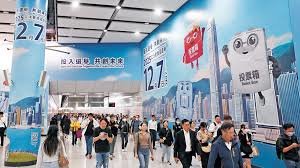
Authorities press ahead with legislative campaign forums as residents mourn hundreds lost and demand urgent safety reforms
Hong Kong authorities have resumed election forums for the 2025 Legislative Council polls even as the city grapples with the aftermath of the catastrophic fire at Wang Fuk Court that killed at least 159 people and displaced thousands.
The decision underscores the government’s resolve to move ahead with its electoral timetable amid mounting public anger over building-safety failures.
Following the deadly blaze on November 26, election campaigning and public forums were suspended, as officials focused on rescue, recovery, and investigating the disaster’s causes.
John Lee, Hong Kong’s Chief Executive, said new legislators are needed urgently to support sweeping reforms in construction regulation, fire safety oversight and urban governance — tasks he framed as essential for rebuilding public trust and preventing future tragedies.
The fire exposed serious lapses: investigators have linked the inferno’s rapid spread across seven towers to sub-standard bamboo scaffolding netting and flammable insulation foam used during renovation.
Arrests made so far — including contractors and renovation-project directors — and a judge-led inquiry ordered by the government aim to deliver accountability.
Residents and advocacy groups, however, warn that many renovation sites across the city still use similar hazardous materials, pointing to systemic regulatory failures.
Many members of the public remain in mourning.
Temporary shelters house displaced families while rescue teams continue identification work of victims.
The continued pace of election-related activities has drawn sharp criticism from community groups and survivors, some of whom view it as a signal that governance priorities remain misaligned with public grief and urgent safety concerns.
Supporters of the election argue that passing new laws and appointing fresh legislators is crucial to deliver the structural reforms Hong Kong desperately needs.
Opponents — including victims’ families and neighbourhood organisations — maintain that without first addressing fire safety gaps and completing a full public accounting, electoral campaigning feels premature and insensitive.
The coming days will test whether the resumption of public political debate will unite citizens around long-term reforms—or deepen divisions over trust and governance priorities in the wake of tragedy.
The decision underscores the government’s resolve to move ahead with its electoral timetable amid mounting public anger over building-safety failures.
Following the deadly blaze on November 26, election campaigning and public forums were suspended, as officials focused on rescue, recovery, and investigating the disaster’s causes.
John Lee, Hong Kong’s Chief Executive, said new legislators are needed urgently to support sweeping reforms in construction regulation, fire safety oversight and urban governance — tasks he framed as essential for rebuilding public trust and preventing future tragedies.
The fire exposed serious lapses: investigators have linked the inferno’s rapid spread across seven towers to sub-standard bamboo scaffolding netting and flammable insulation foam used during renovation.
Arrests made so far — including contractors and renovation-project directors — and a judge-led inquiry ordered by the government aim to deliver accountability.
Residents and advocacy groups, however, warn that many renovation sites across the city still use similar hazardous materials, pointing to systemic regulatory failures.
Many members of the public remain in mourning.
Temporary shelters house displaced families while rescue teams continue identification work of victims.
The continued pace of election-related activities has drawn sharp criticism from community groups and survivors, some of whom view it as a signal that governance priorities remain misaligned with public grief and urgent safety concerns.
Supporters of the election argue that passing new laws and appointing fresh legislators is crucial to deliver the structural reforms Hong Kong desperately needs.
Opponents — including victims’ families and neighbourhood organisations — maintain that without first addressing fire safety gaps and completing a full public accounting, electoral campaigning feels premature and insensitive.
The coming days will test whether the resumption of public political debate will unite citizens around long-term reforms—or deepen divisions over trust and governance priorities in the wake of tragedy.