Deloitte China identifies Hong Kong’s regulatory, tax and financial advantages as ideal for mainland companies seeking global growth
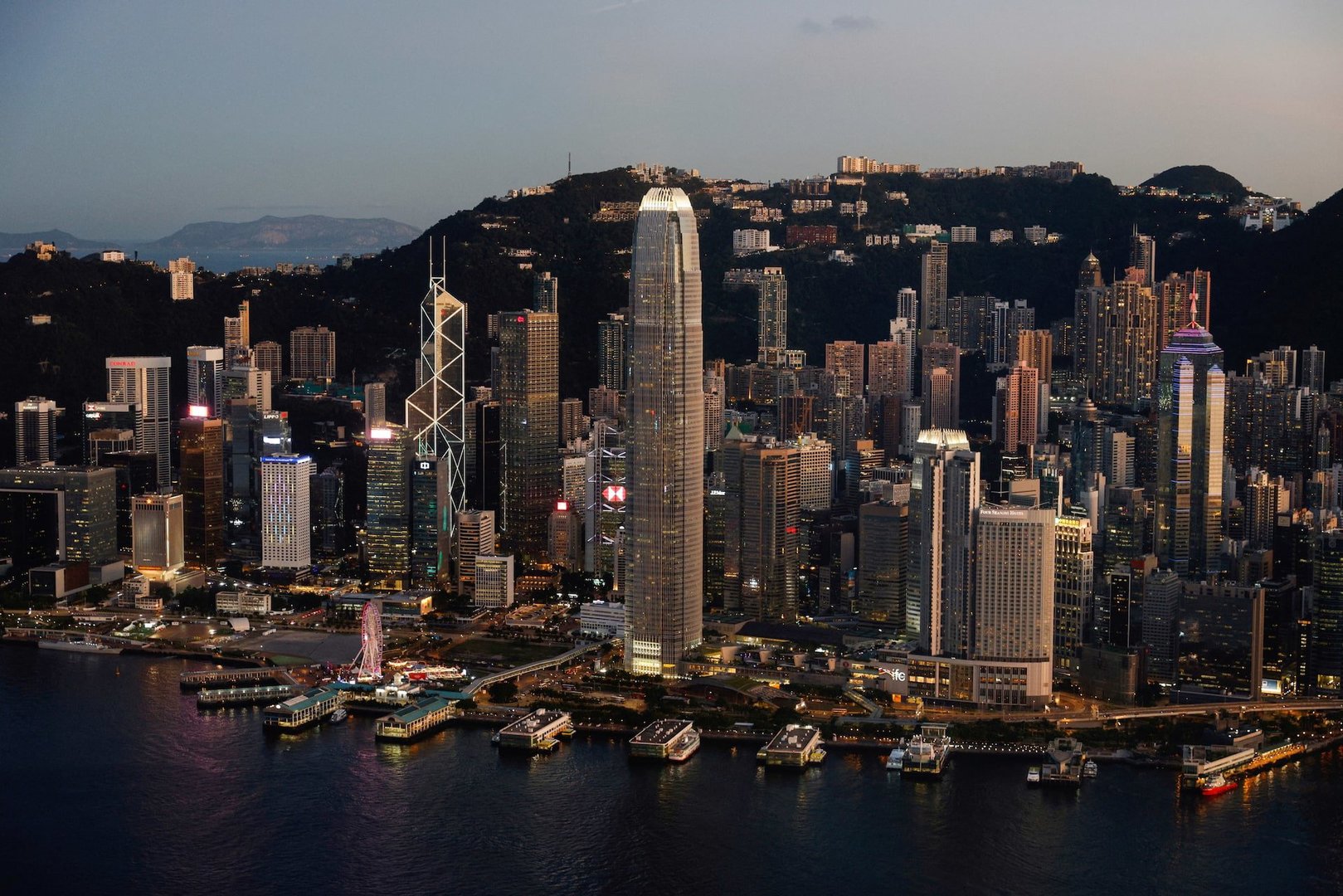
Hong Kong is increasingly emerging as the ideal treasury centre for mainland Chinese firms pursuing overseas expansion, according to the latest assessment by Deloitte China.
The consultancy argues that Hong Kong offers a uniquely favourable combination of financial infrastructure, regulatory flexibility and tax frameworks that can help Chinese enterprises manage foreign exchange risks, lower financing costs and reinvest overseas profits more efficiently.
Deloitte notes that roughly eight in ten mainland-based companies already use Hong Kong as their “global launch pad.” The city’s lack of capital controls allows firms to establish holding companies there, and to channel profits or investment income from overseas subsidiaries directly into new ventures — a major advantage compared with operating solely on the mainland.
Moreover, Hong Kong has signed tax treaties with more than fifty jurisdictions, which can reduce the overall tax burden for Chinese firms setting up regional or global operations.
Beyond tax and regulatory benefits, Hong Kong’s evolving financial ecosystem further strengthens its appeal.
Recent reforms — including efforts to encourage tokenisation, streamline corporate treasury operations, and enhance fintech and asset-management infrastructure — are making the city more efficient for global capital flows and cross-border transactions.
These developments dovetail with broader policy moves by the Hong Kong Special Administrative Region government, which aims to deepen the city’s role as an international financial and wealth-management hub.
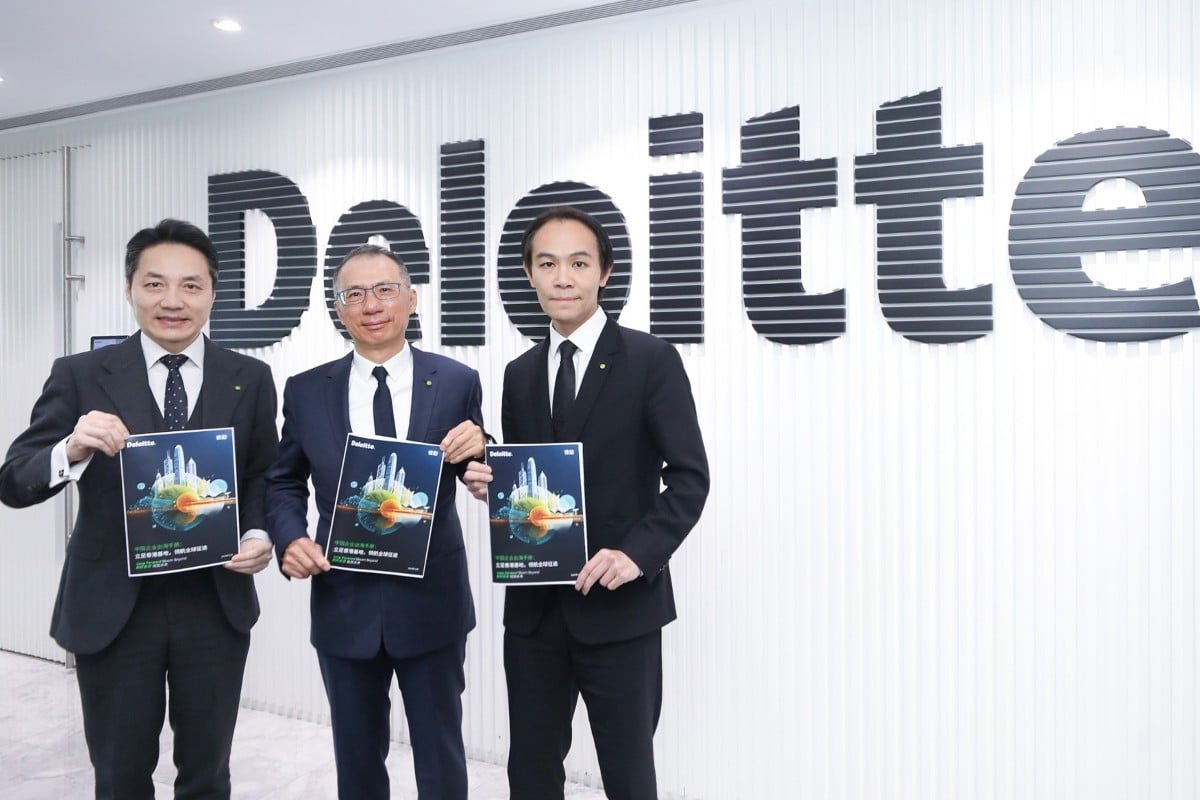
As part of this, Deloitte China has launched a substantial long-term investment plan for the city, committing HK$500 million (about US$64 million) over the next four years, and planning to hire roughly 1,000 staff to support growth in fintech, capital markets, and related services.
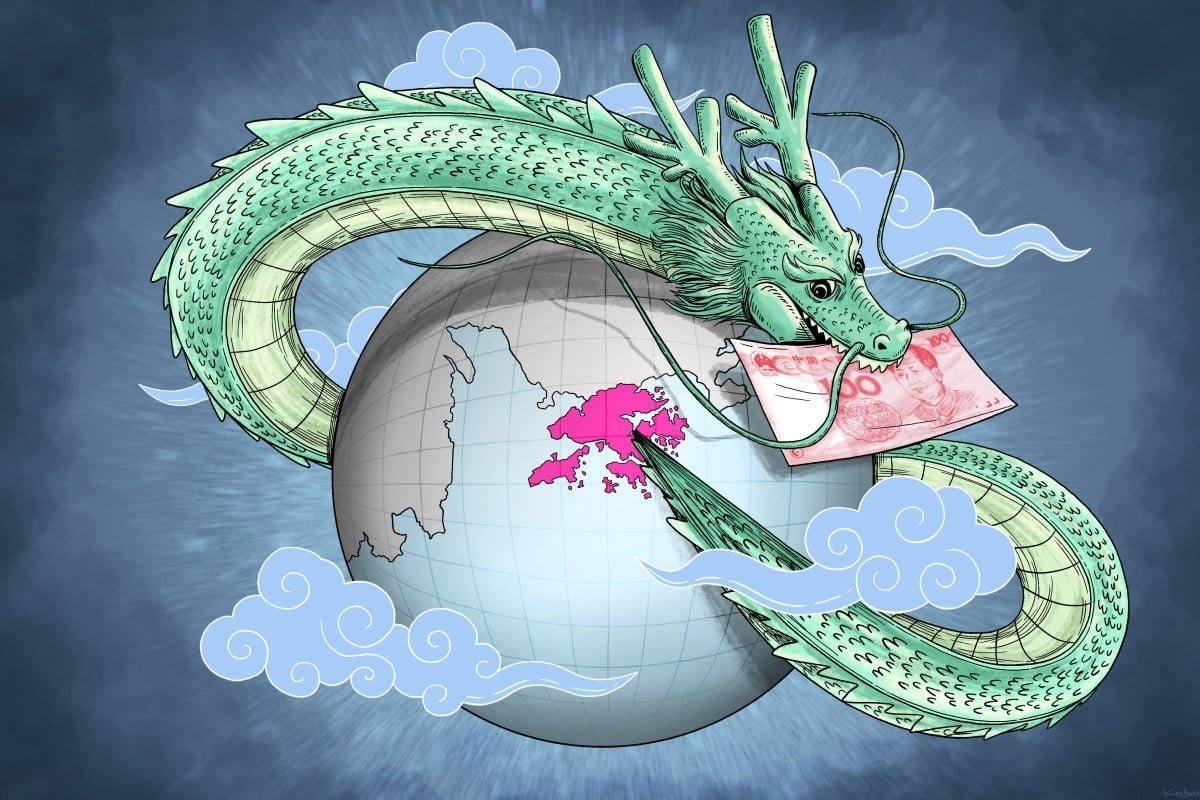
Together, these financial and policy tailwinds position Hong Kong not just as a gateway between mainland China and the global economy — but as the central treasury backbone for Chinese firms going global.
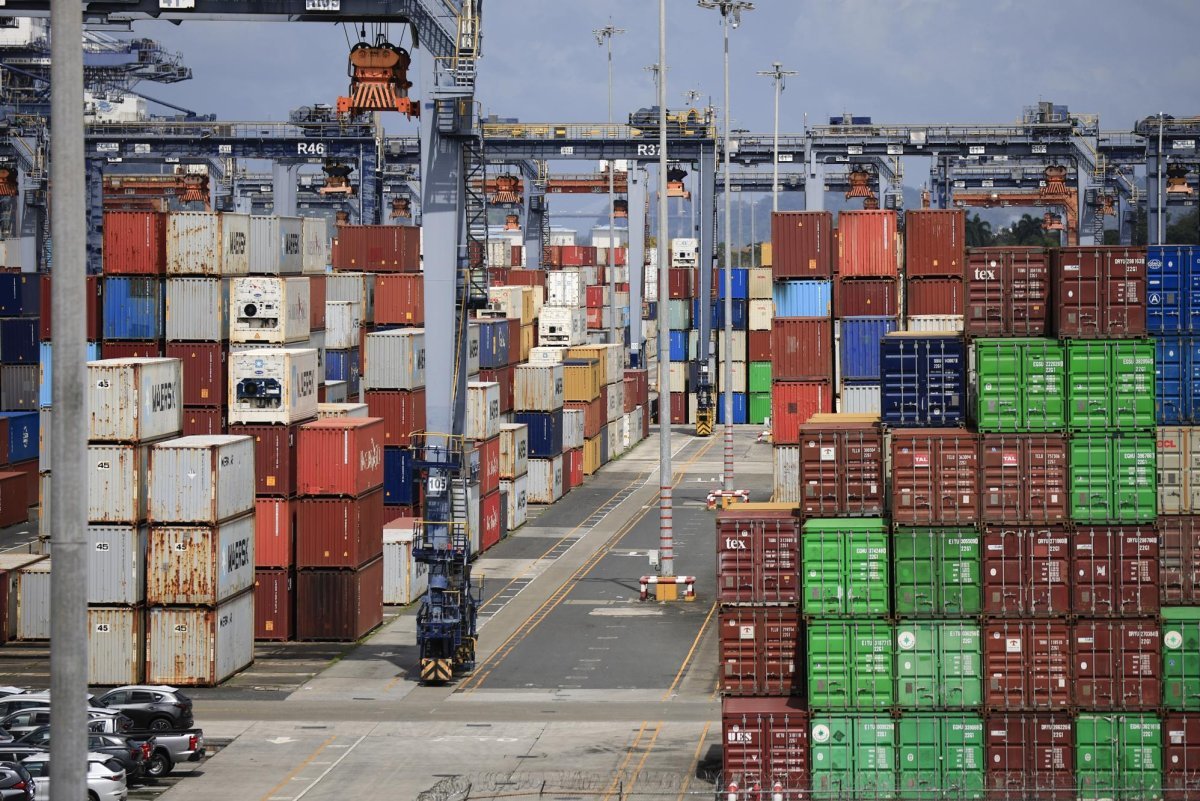
As companies diversify into Southeast Asia, Latin America and belt-and-road markets, many are expected to anchor their global financial operations in Hong Kong, leveraging its unique advantages to support expansion abroad.
The consultancy argues that Hong Kong offers a uniquely favourable combination of financial infrastructure, regulatory flexibility and tax frameworks that can help Chinese enterprises manage foreign exchange risks, lower financing costs and reinvest overseas profits more efficiently.
Deloitte notes that roughly eight in ten mainland-based companies already use Hong Kong as their “global launch pad.” The city’s lack of capital controls allows firms to establish holding companies there, and to channel profits or investment income from overseas subsidiaries directly into new ventures — a major advantage compared with operating solely on the mainland.
Moreover, Hong Kong has signed tax treaties with more than fifty jurisdictions, which can reduce the overall tax burden for Chinese firms setting up regional or global operations.
Beyond tax and regulatory benefits, Hong Kong’s evolving financial ecosystem further strengthens its appeal.
Recent reforms — including efforts to encourage tokenisation, streamline corporate treasury operations, and enhance fintech and asset-management infrastructure — are making the city more efficient for global capital flows and cross-border transactions.
These developments dovetail with broader policy moves by the Hong Kong Special Administrative Region government, which aims to deepen the city’s role as an international financial and wealth-management hub.
As part of this, Deloitte China has launched a substantial long-term investment plan for the city, committing HK$500 million (about US$64 million) over the next four years, and planning to hire roughly 1,000 staff to support growth in fintech, capital markets, and related services.
Together, these financial and policy tailwinds position Hong Kong not just as a gateway between mainland China and the global economy — but as the central treasury backbone for Chinese firms going global.
As companies diversify into Southeast Asia, Latin America and belt-and-road markets, many are expected to anchor their global financial operations in Hong Kong, leveraging its unique advantages to support expansion abroad.