Growing calls for reform highlight disparities in access and outcomes across the city’s education system
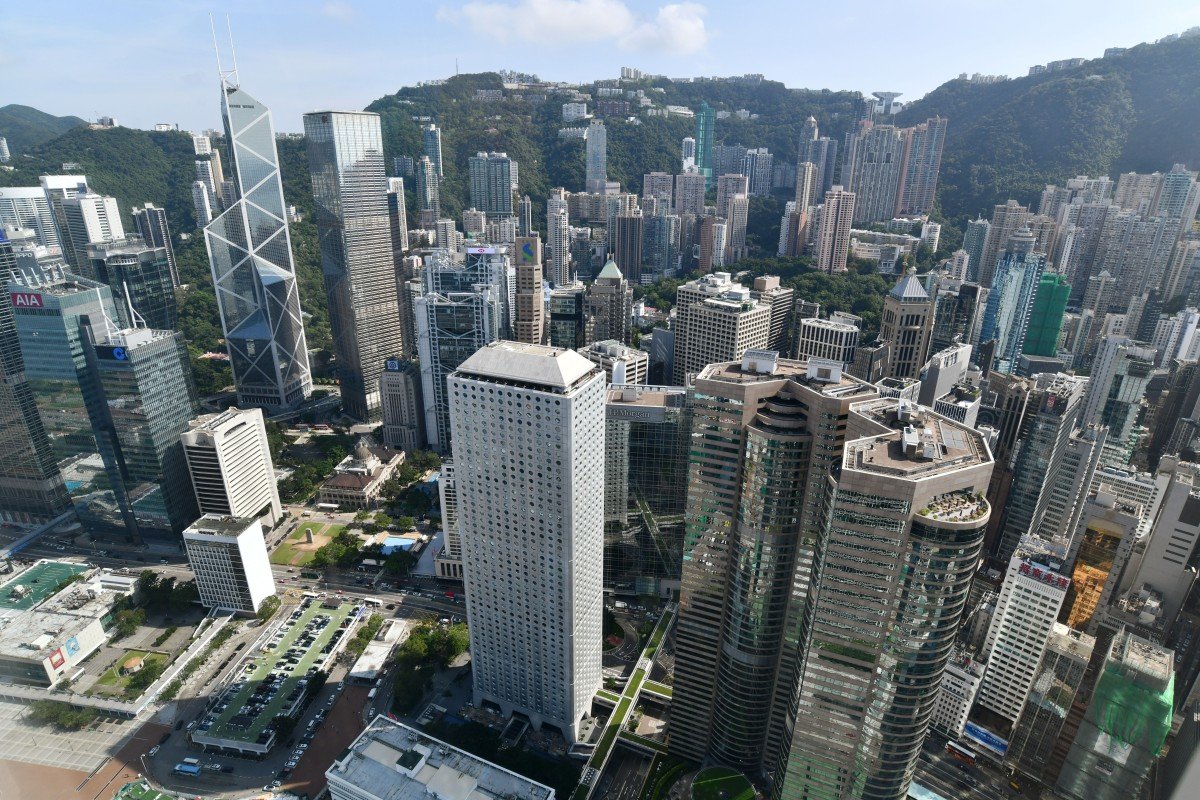
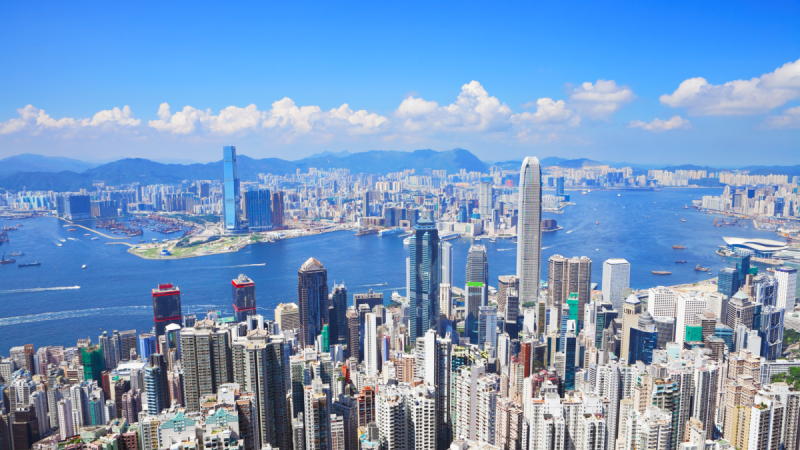
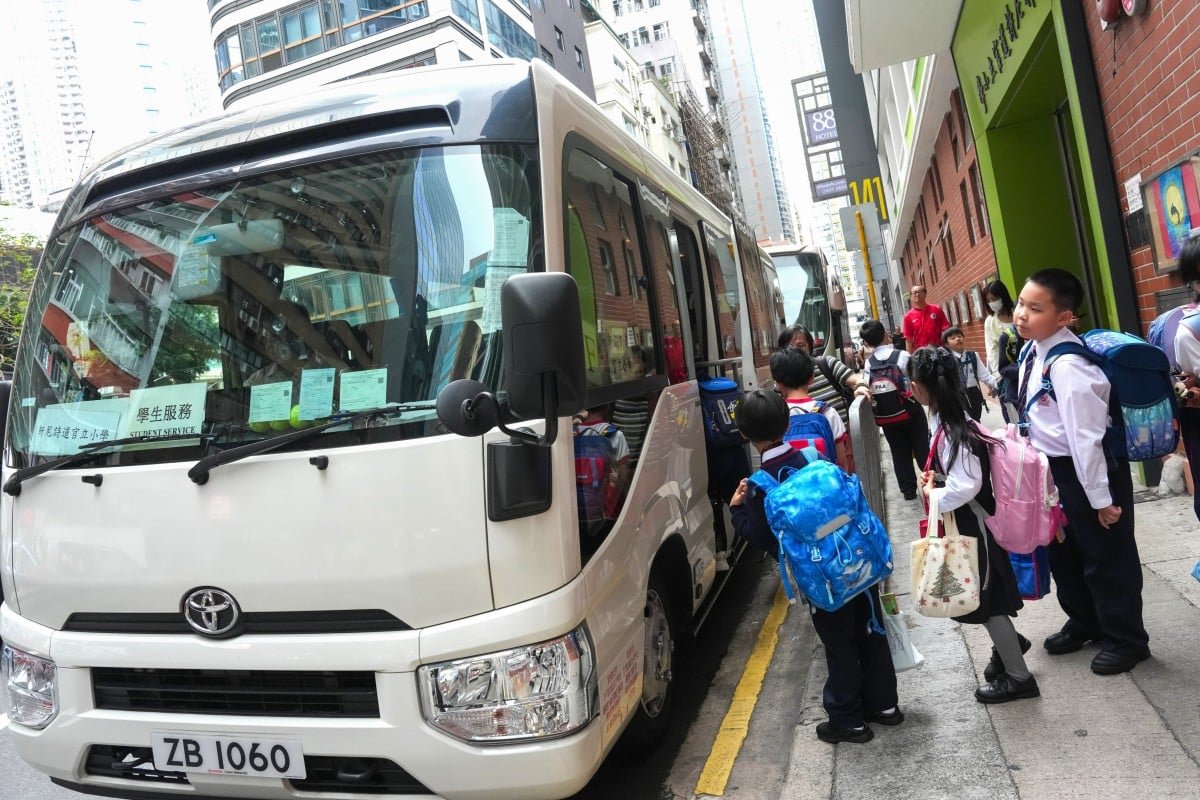
Hong Kong policymakers are facing increasing pressure to tackle persistent inequalities within the city’s education system, as debate intensifies over access, resources, and long-term outcomes for students.
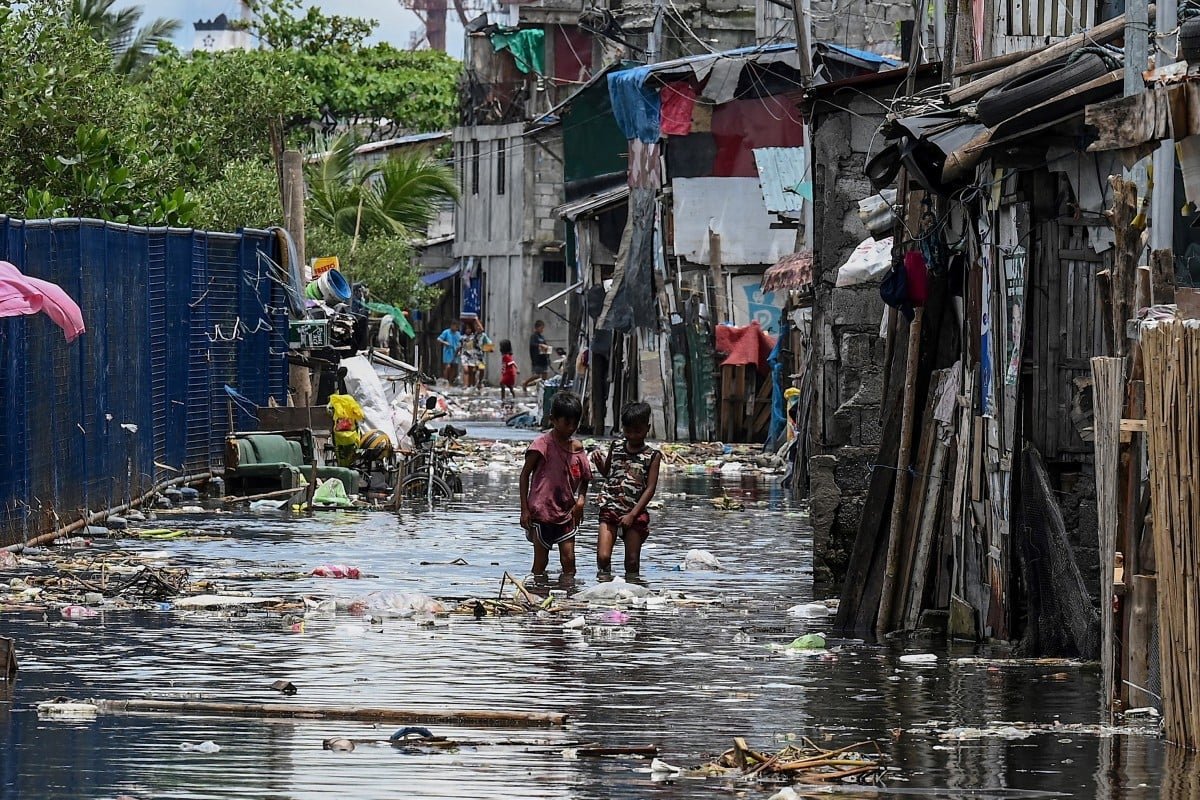
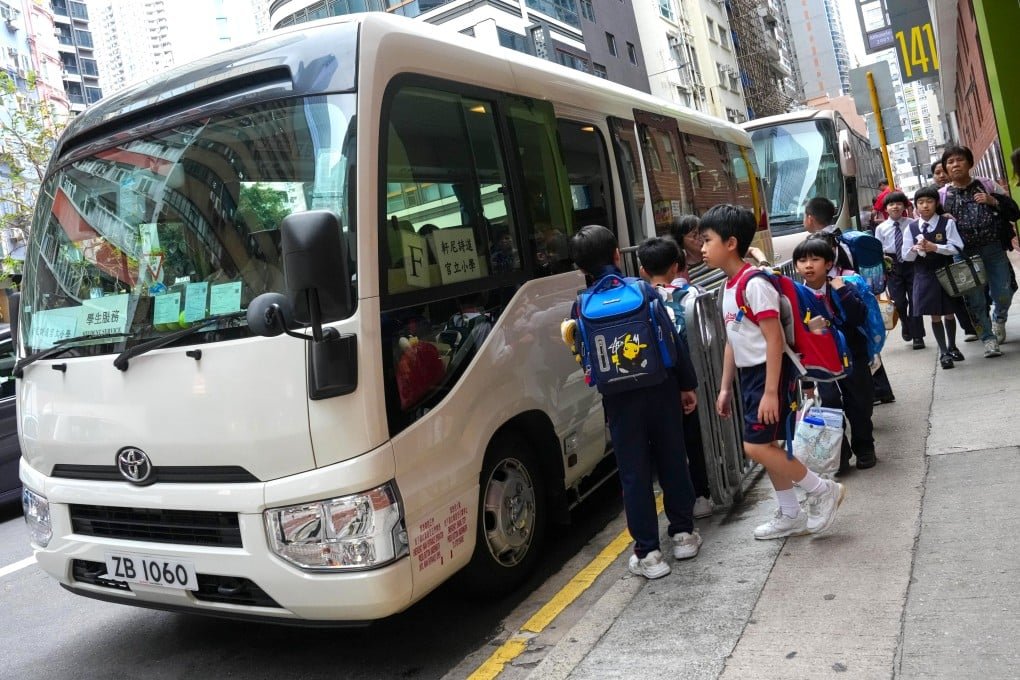
Concerns have been raised about disparities between different groups of students, particularly in terms of access to high-quality schools, extracurricular opportunities, and academic support.
Observers note that while Hong Kong maintains a strong global reputation for educational standards, gaps remain that could affect social mobility and economic inclusion.
The issue has drawn attention to structural factors such as income inequality, housing constraints, and differences in school funding, all of which can influence educational opportunities.
Students from less advantaged backgrounds are often seen as facing additional barriers in accessing the same level of support as their peers.
Policymakers are being encouraged to take a more proactive and comprehensive approach, including reviewing allocation of resources, strengthening support systems, and ensuring that reforms address both immediate challenges and long-term development goals.
Education experts emphasize that addressing inequality requires sustained commitment, with targeted initiatives aimed at improving access to quality teaching, enhancing curriculum flexibility, and expanding opportunities for all students to succeed.
The debate also reflects broader concerns about maintaining Hong Kong’s competitiveness in a rapidly evolving global environment, where education plays a central role in workforce development and innovation.
Efforts to improve equity are seen as essential not only for individual outcomes but also for the city’s broader economic and social stability.
Ensuring that all students have access to opportunities is increasingly viewed as a priority for future growth.
As discussions continue, attention will focus on how policymakers respond and whether concrete measures are introduced to address the challenges identified within the education system.
Concerns have been raised about disparities between different groups of students, particularly in terms of access to high-quality schools, extracurricular opportunities, and academic support.
Observers note that while Hong Kong maintains a strong global reputation for educational standards, gaps remain that could affect social mobility and economic inclusion.
The issue has drawn attention to structural factors such as income inequality, housing constraints, and differences in school funding, all of which can influence educational opportunities.
Students from less advantaged backgrounds are often seen as facing additional barriers in accessing the same level of support as their peers.
Policymakers are being encouraged to take a more proactive and comprehensive approach, including reviewing allocation of resources, strengthening support systems, and ensuring that reforms address both immediate challenges and long-term development goals.
Education experts emphasize that addressing inequality requires sustained commitment, with targeted initiatives aimed at improving access to quality teaching, enhancing curriculum flexibility, and expanding opportunities for all students to succeed.
The debate also reflects broader concerns about maintaining Hong Kong’s competitiveness in a rapidly evolving global environment, where education plays a central role in workforce development and innovation.
Efforts to improve equity are seen as essential not only for individual outcomes but also for the city’s broader economic and social stability.
Ensuring that all students have access to opportunities is increasingly viewed as a priority for future growth.
As discussions continue, attention will focus on how policymakers respond and whether concrete measures are introduced to address the challenges identified within the education system.