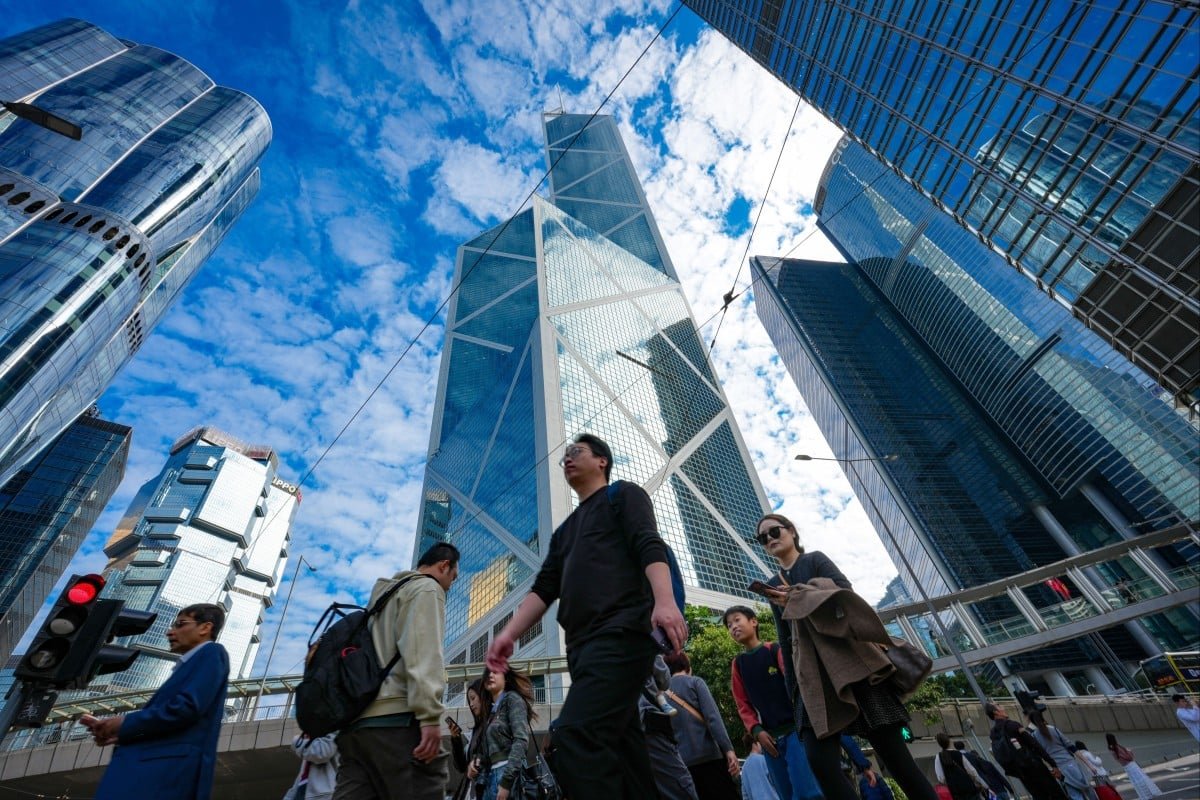
Paul Chan highlights balance between national safeguards and global connectivity in digital and financial development
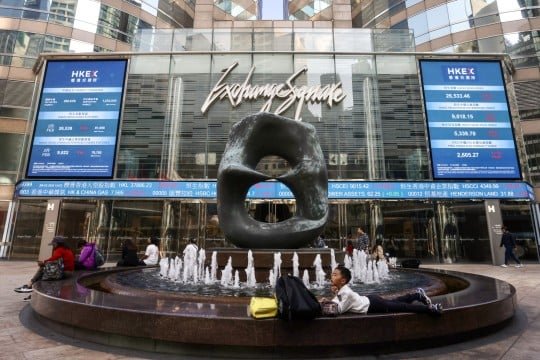
Hong Kong is positioning itself as a secure yet open gateway for innovation, carefully balancing national security considerations with its role as a global financial and technology hub, according to Finance Secretary Paul Chan.
Chan described the city as operating with the resilience of a ‘firewall’, ensuring stability and protection while still enabling the free flow of capital, data, and ideas that underpin economic growth.
He emphasized that maintaining this balance is essential to preserving Hong Kong’s competitiveness in an increasingly complex global environment.
The approach reflects a broader strategy to strengthen confidence among investors and businesses by reinforcing governance and security frameworks, while continuing to promote innovation in areas such as fintech, digital assets, and cross-border services.
Officials have highlighted that Hong Kong’s legal system, regulatory clarity, and international connectivity remain key advantages, allowing it to serve as a bridge between mainland China and global markets.
This dual role requires a careful alignment of policies that both safeguard national interests and support economic dynamism.
Chan noted that recent initiatives in digital finance and technology development are designed to enhance the city’s long-term growth prospects.
By fostering innovation within a stable environment, Hong Kong aims to attract investment and talent while maintaining trust in its institutions.
The emphasis on security does not diminish the city’s openness, he said, but rather reinforces it by providing a reliable framework within which businesses can operate with confidence.
Observers point out that this model of combining robust safeguards with forward-looking policies could strengthen Hong Kong’s position in the global digital economy, particularly as competition among financial centres intensifies.
As the city continues to evolve, the focus remains on ensuring that security and innovation work together to support sustainable development and maintain Hong Kong’s status as a leading international hub.
Chan described the city as operating with the resilience of a ‘firewall’, ensuring stability and protection while still enabling the free flow of capital, data, and ideas that underpin economic growth.
He emphasized that maintaining this balance is essential to preserving Hong Kong’s competitiveness in an increasingly complex global environment.
The approach reflects a broader strategy to strengthen confidence among investors and businesses by reinforcing governance and security frameworks, while continuing to promote innovation in areas such as fintech, digital assets, and cross-border services.
Officials have highlighted that Hong Kong’s legal system, regulatory clarity, and international connectivity remain key advantages, allowing it to serve as a bridge between mainland China and global markets.
This dual role requires a careful alignment of policies that both safeguard national interests and support economic dynamism.
Chan noted that recent initiatives in digital finance and technology development are designed to enhance the city’s long-term growth prospects.
By fostering innovation within a stable environment, Hong Kong aims to attract investment and talent while maintaining trust in its institutions.
The emphasis on security does not diminish the city’s openness, he said, but rather reinforces it by providing a reliable framework within which businesses can operate with confidence.
Observers point out that this model of combining robust safeguards with forward-looking policies could strengthen Hong Kong’s position in the global digital economy, particularly as competition among financial centres intensifies.
As the city continues to evolve, the focus remains on ensuring that security and innovation work together to support sustainable development and maintain Hong Kong’s status as a leading international hub.