Move could enable widespread digital currency adoption among consumers and businesses in financial hub
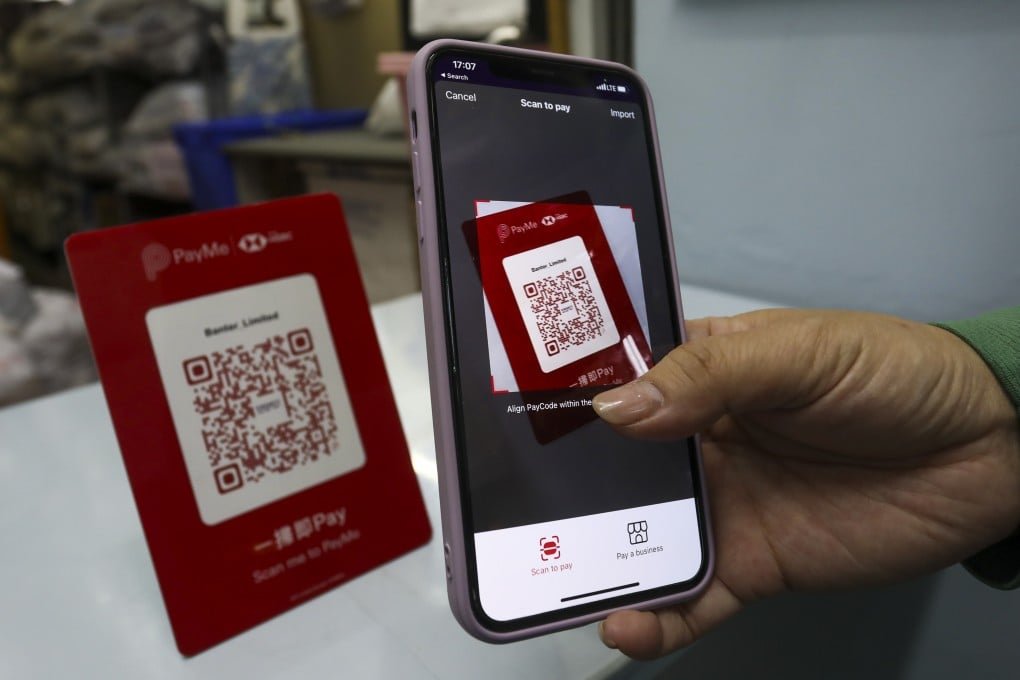
Hong Kong’s widely used PayMe platform is exploring the potential integration of stablecoins, a development that could extend digital currency access to its 3.3 million users and a broad network of local businesses.
The initiative reflects growing interest in regulated digital assets within Hong Kong’s financial ecosystem, as authorities and companies look to harness blockchain technology while maintaining stability and oversight.
By linking stablecoins to an established payments platform, the move could significantly expand practical use cases for digital currencies.
Stablecoins, which are typically pegged to fiat currencies, are designed to offer price stability while enabling fast and efficient transactions.
Their potential integration into PayMe could allow users to conduct everyday payments, transfers and commercial transactions using digital tokens backed by traditional financial systems.
For businesses, the development may provide new opportunities to streamline payments, reduce transaction costs and enhance cross-border trade.
Hong Kong’s position as a global financial hub makes it a natural environment for such innovation, particularly as regulators continue to refine frameworks governing digital assets.
Officials and industry participants have emphasised the importance of ensuring that any rollout aligns with regulatory standards and consumer protection measures.
The approach reflects a broader strategy to balance innovation with financial stability.
Market observers note that integrating stablecoins into widely adopted platforms could accelerate mainstream adoption, particularly if supported by clear rules and trusted infrastructure.
The scale of PayMe’s user base underscores the potential impact of such a move.
As discussions progress, the initiative highlights Hong Kong’s ongoing efforts to position itself at the forefront of digital finance, combining technological advancement with a robust regulatory environment.
The initiative reflects growing interest in regulated digital assets within Hong Kong’s financial ecosystem, as authorities and companies look to harness blockchain technology while maintaining stability and oversight.
By linking stablecoins to an established payments platform, the move could significantly expand practical use cases for digital currencies.
Stablecoins, which are typically pegged to fiat currencies, are designed to offer price stability while enabling fast and efficient transactions.
Their potential integration into PayMe could allow users to conduct everyday payments, transfers and commercial transactions using digital tokens backed by traditional financial systems.
For businesses, the development may provide new opportunities to streamline payments, reduce transaction costs and enhance cross-border trade.
Hong Kong’s position as a global financial hub makes it a natural environment for such innovation, particularly as regulators continue to refine frameworks governing digital assets.
Officials and industry participants have emphasised the importance of ensuring that any rollout aligns with regulatory standards and consumer protection measures.
The approach reflects a broader strategy to balance innovation with financial stability.
Market observers note that integrating stablecoins into widely adopted platforms could accelerate mainstream adoption, particularly if supported by clear rules and trusted infrastructure.
The scale of PayMe’s user base underscores the potential impact of such a move.
As discussions progress, the initiative highlights Hong Kong’s ongoing efforts to position itself at the forefront of digital finance, combining technological advancement with a robust regulatory environment.