Proposed redevelopment could replace long-standing Hong Kong Cafe and Choles Floral with residential units
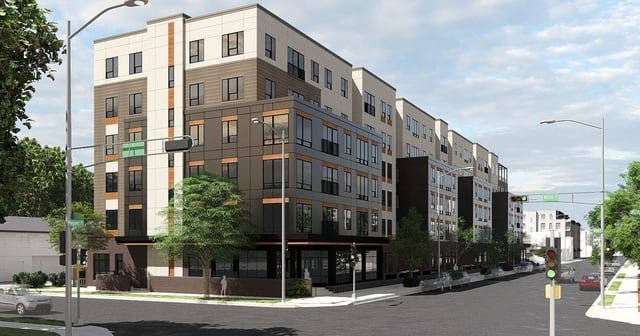
Two long-established businesses on Regent Street, Hong Kong Cafe and Choles Floral, are facing potential demolition as part of a proposed redevelopment that would replace the site with new apartment housing.
The plan has drawn attention from local residents and business supporters, who view the establishments as valued parts of the community’s identity.
Both venues have operated for years, contributing to the character and continuity of the area while serving generations of customers.
Developers behind the proposal have outlined plans to construct residential units on the site, reflecting broader trends in urban development where demand for housing is reshaping commercial districts.
The project is expected to move through planning processes that will determine whether demolition is approved.
Supporters of the businesses have raised concerns about the potential loss of cultural and social landmarks, emphasizing the importance of preserving independent enterprises that contribute to the uniqueness of the neighborhood.
The situation highlights ongoing tensions between redevelopment and heritage preservation.
Local authorities are expected to review the proposal in light of planning regulations, economic considerations and community feedback.
The outcome will determine whether the site transitions to residential use or retains its current commercial presence.
The case reflects a wider pattern seen in urban centres, where rising property values and housing demand continue to drive redevelopment decisions, often placing long-standing businesses at risk of displacement.
The plan has drawn attention from local residents and business supporters, who view the establishments as valued parts of the community’s identity.
Both venues have operated for years, contributing to the character and continuity of the area while serving generations of customers.
Developers behind the proposal have outlined plans to construct residential units on the site, reflecting broader trends in urban development where demand for housing is reshaping commercial districts.
The project is expected to move through planning processes that will determine whether demolition is approved.
Supporters of the businesses have raised concerns about the potential loss of cultural and social landmarks, emphasizing the importance of preserving independent enterprises that contribute to the uniqueness of the neighborhood.
The situation highlights ongoing tensions between redevelopment and heritage preservation.
Local authorities are expected to review the proposal in light of planning regulations, economic considerations and community feedback.
The outcome will determine whether the site transitions to residential use or retains its current commercial presence.
The case reflects a wider pattern seen in urban centres, where rising property values and housing demand continue to drive redevelopment decisions, often placing long-standing businesses at risk of displacement.