Advanced machines highlight rapid progress in artificial intelligence and robotics through interactive demonstrations
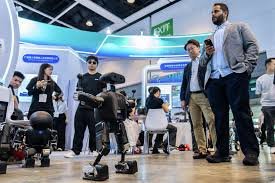
Humanoid robots have demonstrated advanced language capabilities and physical coordination, including boxing movements, at a technology showcase in Hong Kong, underscoring the accelerating pace of innovation in artificial intelligence and robotics.
The event featured robots engaging in conversational exchanges while also performing coordinated physical tasks, offering a glimpse into how integrated AI systems are evolving to combine cognitive and motor functions.
Developers presented the machines as part of broader efforts to enhance human-machine interaction and expand the practical applications of robotics.
Participants observed the robots responding to spoken prompts, processing language in real time and delivering coherent replies, reflecting improvements in natural language processing technologies.
Alongside these capabilities, the robots displayed controlled movements in simulated boxing scenarios, illustrating advances in balance, precision and adaptability.
Industry experts highlighted the significance of combining linguistic intelligence with physical dexterity, noting that such integration is critical for deploying robots in real-world environments ranging from customer service to healthcare and industrial operations.
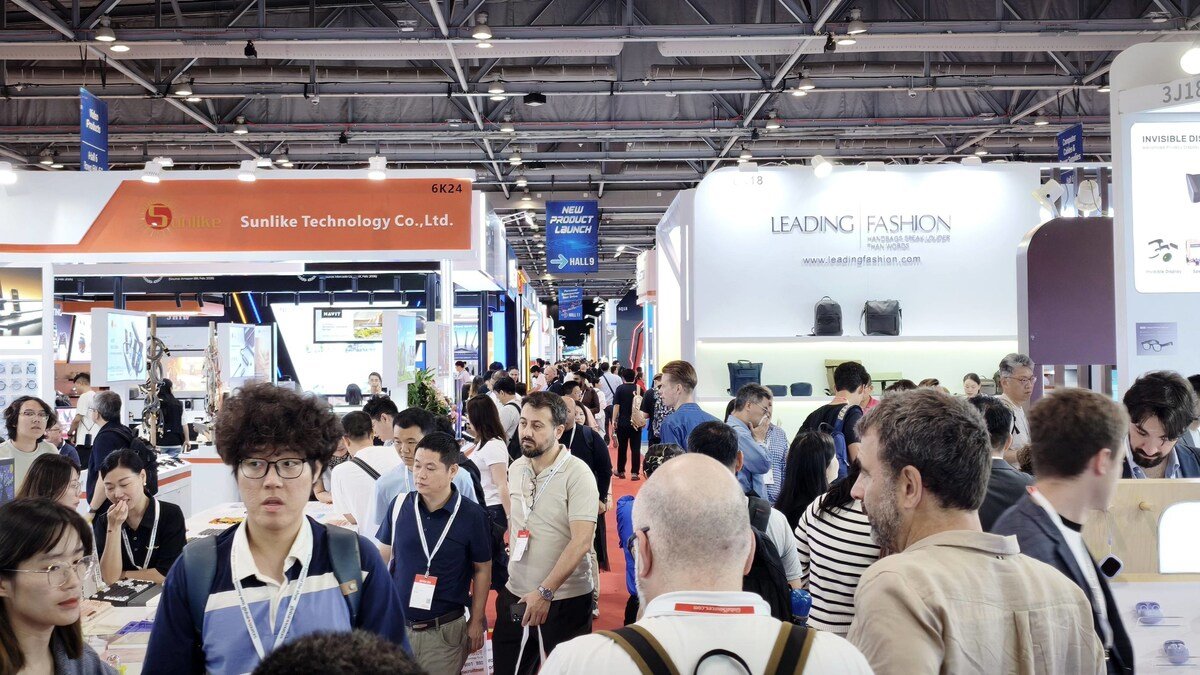
The showcase also emphasized Hong Kong’s role as a platform for technological development and collaboration, bringing together researchers, engineers and investors to explore emerging trends.
The demonstrations attracted attention for their potential to reshape how machines interact with people and perform complex tasks.
As research continues, the convergence of language processing and physical capability is expected to drive further breakthroughs, positioning humanoid robots as increasingly versatile tools across multiple sectors.
The event featured robots engaging in conversational exchanges while also performing coordinated physical tasks, offering a glimpse into how integrated AI systems are evolving to combine cognitive and motor functions.
Developers presented the machines as part of broader efforts to enhance human-machine interaction and expand the practical applications of robotics.
Participants observed the robots responding to spoken prompts, processing language in real time and delivering coherent replies, reflecting improvements in natural language processing technologies.
Alongside these capabilities, the robots displayed controlled movements in simulated boxing scenarios, illustrating advances in balance, precision and adaptability.
Industry experts highlighted the significance of combining linguistic intelligence with physical dexterity, noting that such integration is critical for deploying robots in real-world environments ranging from customer service to healthcare and industrial operations.
The showcase also emphasized Hong Kong’s role as a platform for technological development and collaboration, bringing together researchers, engineers and investors to explore emerging trends.
The demonstrations attracted attention for their potential to reshape how machines interact with people and perform complex tasks.
As research continues, the convergence of language processing and physical capability is expected to drive further breakthroughs, positioning humanoid robots as increasingly versatile tools across multiple sectors.