ICAC highlights integrity and ethical business practices as essential pillars for long-term development
Hong Kong’s Independent Commission Against Corruption has reaffirmed the importance of clean governance and ethical business conduct as central drivers of the city’s continued economic development and global competitiveness.
Officials stressed that maintaining high standards of integrity across both the public and private sectors remains critical to sustaining investor confidence and ensuring fair market conditions.
The commission underscored its commitment to preventing corruption while promoting transparency and accountability in all areas of governance.
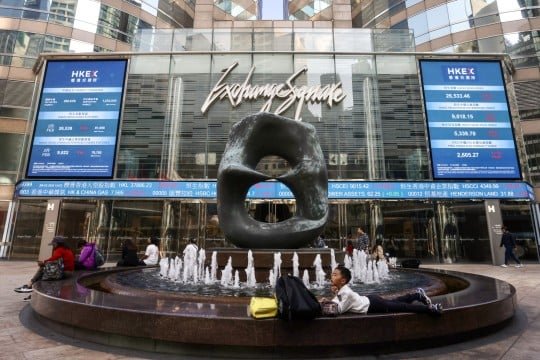
The emphasis on ethical practices comes as Hong Kong continues to position itself as a leading international financial centre, where trust and rule-based systems are essential to attracting investment and supporting business growth.
Authorities noted that anti-corruption efforts are not limited to enforcement but also include education and outreach initiatives designed to strengthen awareness of ethical standards.
These programmes aim to build a culture of integrity that extends across industries and institutions.
The ICAC has also highlighted the importance of collaboration with businesses, professional organisations, and community groups to reinforce compliance and promote best practices.
Such partnerships are seen as key to ensuring that anti-corruption measures remain effective and relevant in a rapidly evolving economic environment.
Observers point out that Hong Kong’s long-standing reputation for clean governance has been a significant factor in its success as a global business hub.
Continued vigilance and proactive measures are viewed as essential to maintaining this advantage.
The commission’s message reflects a broader recognition that strong governance frameworks contribute not only to economic performance but also to social stability and public trust.
As Hong Kong navigates changing global conditions, the focus on integrity and ethical conduct is expected to remain a cornerstone of its development strategy.
Officials stressed that maintaining high standards of integrity across both the public and private sectors remains critical to sustaining investor confidence and ensuring fair market conditions.
The commission underscored its commitment to preventing corruption while promoting transparency and accountability in all areas of governance.
The emphasis on ethical practices comes as Hong Kong continues to position itself as a leading international financial centre, where trust and rule-based systems are essential to attracting investment and supporting business growth.
Authorities noted that anti-corruption efforts are not limited to enforcement but also include education and outreach initiatives designed to strengthen awareness of ethical standards.
These programmes aim to build a culture of integrity that extends across industries and institutions.
The ICAC has also highlighted the importance of collaboration with businesses, professional organisations, and community groups to reinforce compliance and promote best practices.
Such partnerships are seen as key to ensuring that anti-corruption measures remain effective and relevant in a rapidly evolving economic environment.
Observers point out that Hong Kong’s long-standing reputation for clean governance has been a significant factor in its success as a global business hub.
Continued vigilance and proactive measures are viewed as essential to maintaining this advantage.
The commission’s message reflects a broader recognition that strong governance frameworks contribute not only to economic performance but also to social stability and public trust.
As Hong Kong navigates changing global conditions, the focus on integrity and ethical conduct is expected to remain a cornerstone of its development strategy.