Judge-led inquiry launched into Tai Po blaze that killed at least 159 as authorities face calls for safety reform ahead of Sunday’s vote
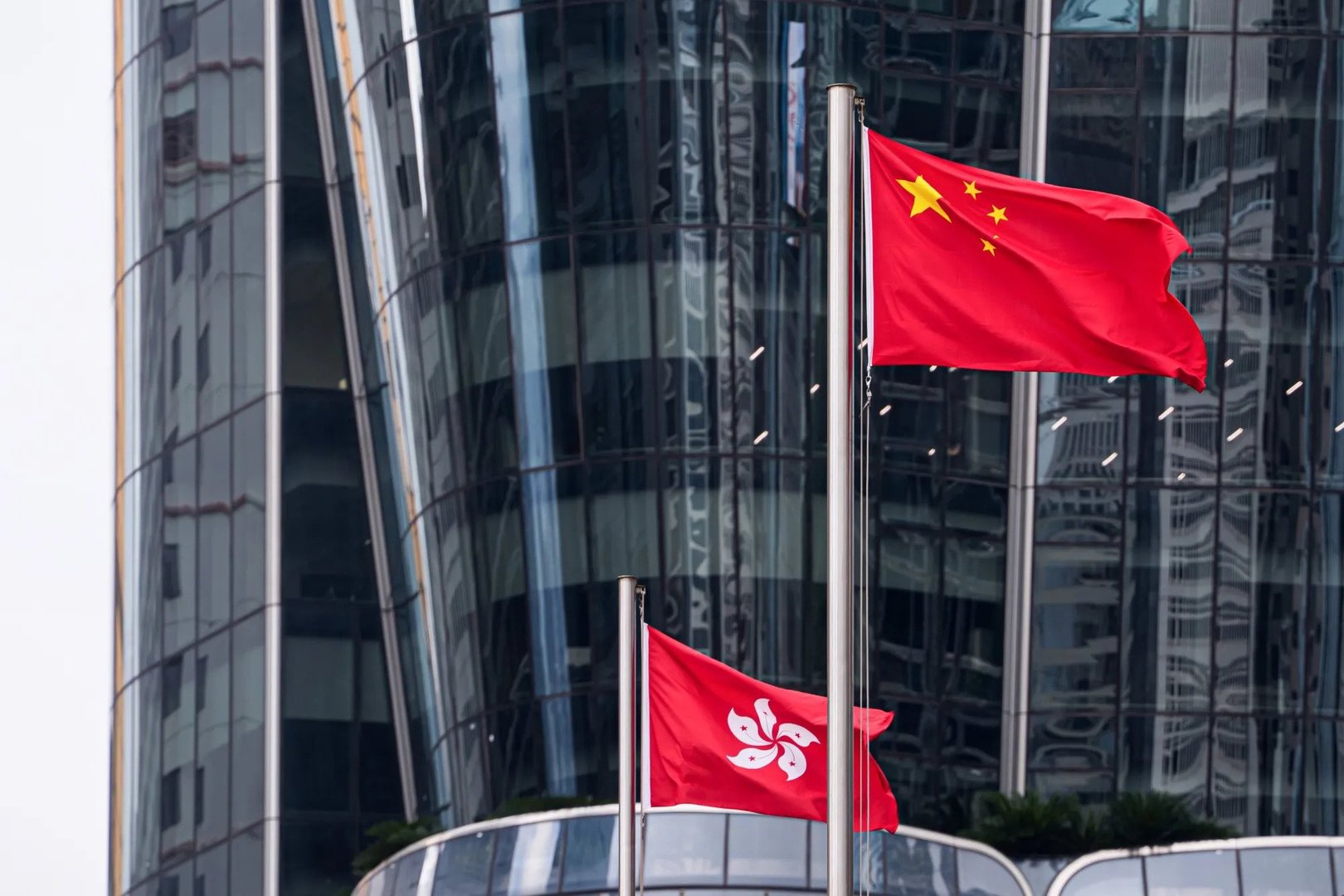
Hong Kong authorities have ordered a judge-led independent investigation into the catastrophic fire at Wang Fuk Court in Tai Po, even as the territory prepares to hold its next legislative election this Sunday under the “patriots-only” system.
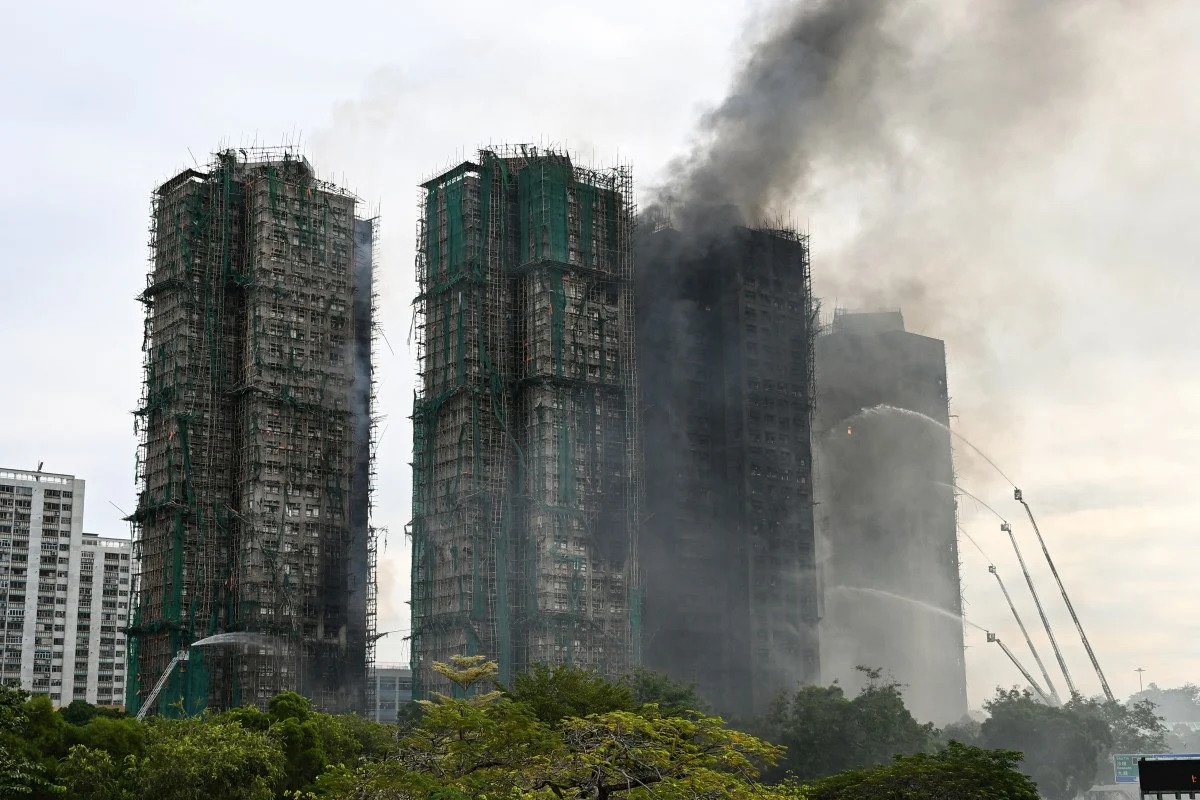
The blaze — the worst residential fire in Hong Kong in decades — has claimed at least 159 lives, left dozens missing, and triggered public outrage over alleged regulatory failure and substandard renovation practices.
The fire broke out on 26 November at the estate, whose eight high-rise towers were undergoing exterior renovation work.
Flames initially ignited from bamboo scaffolding wrapped in plastic netting and insulation foam — materials identified by investigators as highly flammable and instrumental in the rapid spread of fire across seven of the eight buildings.
In response to the tragedy, government officials have arrested at least 21 individuals, including directors and consultants of the contracting firm responsible for the renovation.
Some are facing manslaughter charges, while other arrests relate to suspected corruption and fraudulent safety documentation.
Authorities have also directed the removal of all similar scaffolding netting from buildings under renovation citywide, suspending renovation projects pending new safety inspections.
The human toll has been staggering.
Among the identified victims are elderly residents, domestic workers and one firefighter.
Dozens remain missing, and hundreds more were injured.
More than two thousand four hundred residents displaced by the fire have been moved to temporary housing, while the recovery operation continues.
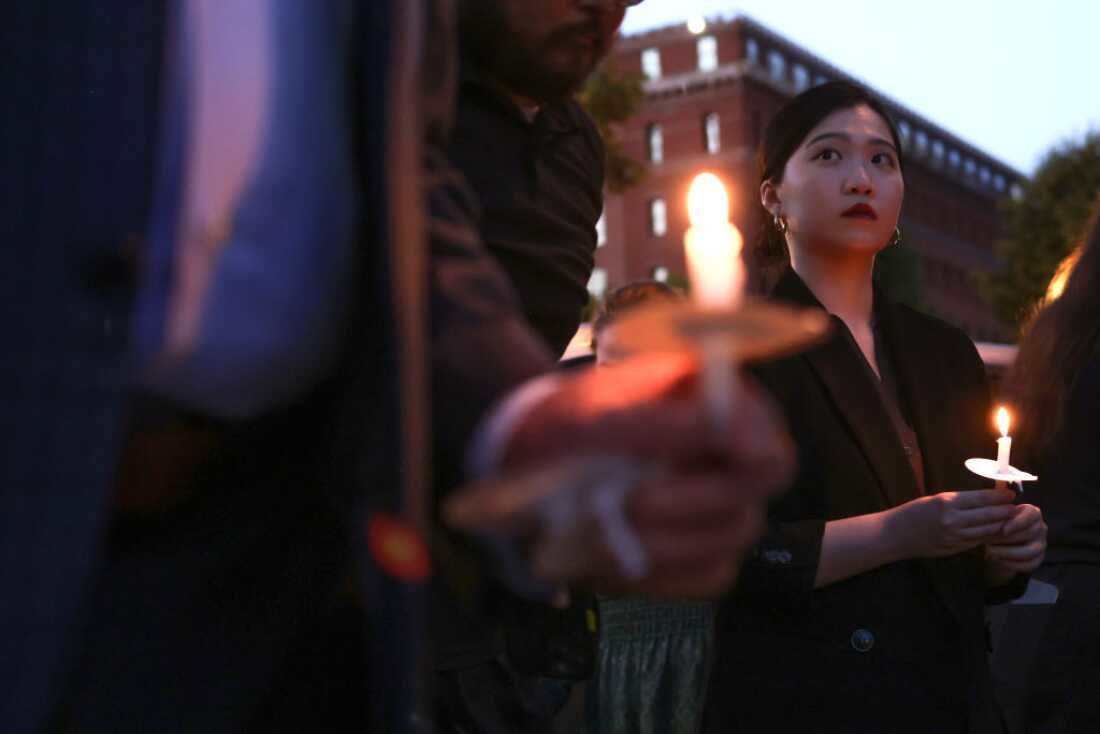
Public memorials and vigils across the city have intensified demands for accountability, transparency and systemic reform of Hong Kong’s construction safety oversight.
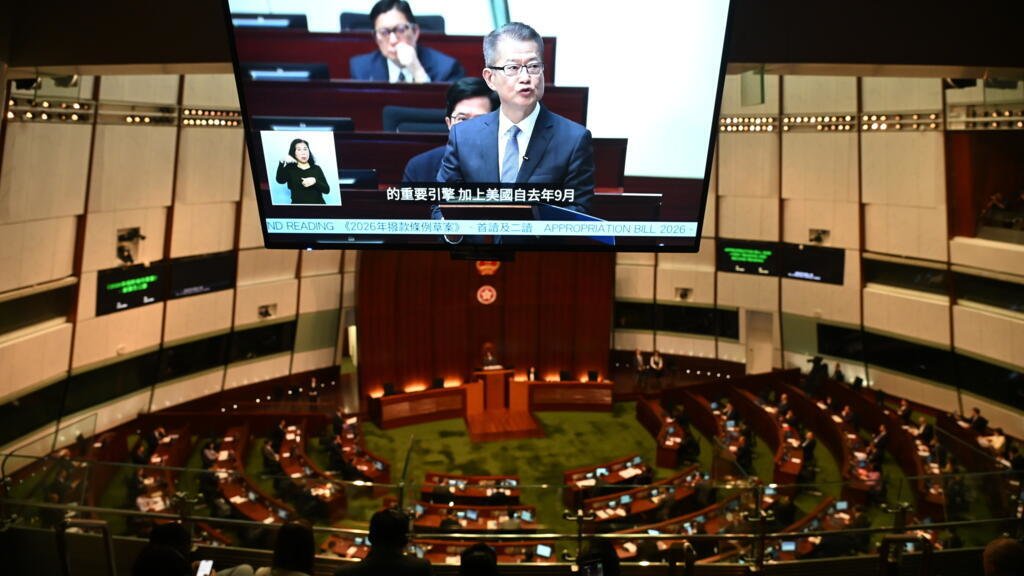
Despite the disaster, the government led by John Lee ruled that the upcoming election cannot be postponed, calling the vote essential.
Candidate forums have been scaled back in respect of the mourning period, but polling preparations continue.
Early turnout indications suggest participation may fall below previous levels, reflecting public shock and uncertainty surrounding the government’s crisis response and the tightly managed electoral framework.
The territory’s national security office has summoned several foreign media outlets, warning against coverage deemed to “smear” government efforts or incite unrest.
Civil-society advocates argue that such pressure threatens transparency and public trust at a moment when accountability is most urgently needed.
As the inquiry proceeds, the city faces a pivotal test of both its governance model and its commitment to safeguarding public safety.
The blaze — the worst residential fire in Hong Kong in decades — has claimed at least 159 lives, left dozens missing, and triggered public outrage over alleged regulatory failure and substandard renovation practices.
The fire broke out on 26 November at the estate, whose eight high-rise towers were undergoing exterior renovation work.
Flames initially ignited from bamboo scaffolding wrapped in plastic netting and insulation foam — materials identified by investigators as highly flammable and instrumental in the rapid spread of fire across seven of the eight buildings.
In response to the tragedy, government officials have arrested at least 21 individuals, including directors and consultants of the contracting firm responsible for the renovation.
Some are facing manslaughter charges, while other arrests relate to suspected corruption and fraudulent safety documentation.
Authorities have also directed the removal of all similar scaffolding netting from buildings under renovation citywide, suspending renovation projects pending new safety inspections.
The human toll has been staggering.
Among the identified victims are elderly residents, domestic workers and one firefighter.
Dozens remain missing, and hundreds more were injured.
More than two thousand four hundred residents displaced by the fire have been moved to temporary housing, while the recovery operation continues.
Public memorials and vigils across the city have intensified demands for accountability, transparency and systemic reform of Hong Kong’s construction safety oversight.
Despite the disaster, the government led by John Lee ruled that the upcoming election cannot be postponed, calling the vote essential.
Candidate forums have been scaled back in respect of the mourning period, but polling preparations continue.
Early turnout indications suggest participation may fall below previous levels, reflecting public shock and uncertainty surrounding the government’s crisis response and the tightly managed electoral framework.
The territory’s national security office has summoned several foreign media outlets, warning against coverage deemed to “smear” government efforts or incite unrest.
Civil-society advocates argue that such pressure threatens transparency and public trust at a moment when accountability is most urgently needed.
As the inquiry proceeds, the city faces a pivotal test of both its governance model and its commitment to safeguarding public safety.