Attendees pause at Sanya festival for moment of silence as Tai Po blaze victims remain mourned across Hong Kong
As the 2025 Hainan Island International Film Festival opened in Sanya, delegates and guests marked one of Hong Kong’s darkest weeks with a moment of collective remembrance for the victims of the Tai Po blaze.
The tragic fire at the Wang Fuk Court estate claimed at least 159 lives, and organisers chose to mute the festival’s celebratory tone in solidarity with the grieving city.
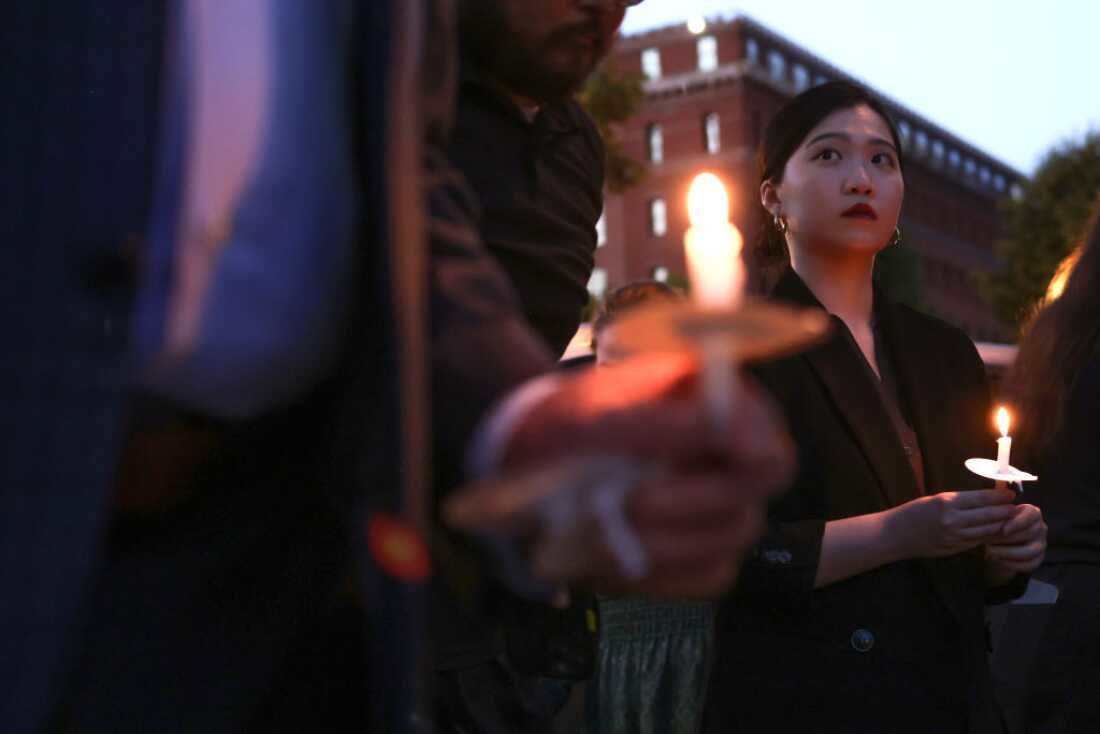
Guests gathered quietly before the inaugural events, with several visible signs of mourning — black attire, lowered voices and a programme note dedicating a moment of silence to the dead and missing.
The decision reflects the broader mood of mourning across Hong Kong, where thousands have queued in Tai Po to lay flowers and pay their respects.
The Wang Fuk Court disaster remains under intense scrutiny: authorities say bamboo scaffolding and flammable exterior netting may have accelerated the blaze’s spread, while investigations continue into renovation practices and building safety oversight.
Public grief is accompanied by growing demands for accountability and reform.
Amid these developments, the film industry appears to be reckoning with tragedy rather than celebrating glamour.
Festival organisers acknowledged the dire situation in Hong Kong by reshaping the opening ceremony into a gesture of respect rather than spectacle.
For many attendees, the move served as a poignant reminder that art and culture do not exist in isolation from social tragedy.
In Tai Po, collective mourning presses on: memorials remain, condolence books are circulating, and relief efforts continue for displaced families.
As the region contemplates reconstruction, the festival’s restrained launch stands as a gesture of empathy — and a signal that the Hong Kong fire’s aftermath will reverberate far beyond the city itself.
The tragic fire at the Wang Fuk Court estate claimed at least 159 lives, and organisers chose to mute the festival’s celebratory tone in solidarity with the grieving city.
Guests gathered quietly before the inaugural events, with several visible signs of mourning — black attire, lowered voices and a programme note dedicating a moment of silence to the dead and missing.
The decision reflects the broader mood of mourning across Hong Kong, where thousands have queued in Tai Po to lay flowers and pay their respects.
The Wang Fuk Court disaster remains under intense scrutiny: authorities say bamboo scaffolding and flammable exterior netting may have accelerated the blaze’s spread, while investigations continue into renovation practices and building safety oversight.
Public grief is accompanied by growing demands for accountability and reform.
Amid these developments, the film industry appears to be reckoning with tragedy rather than celebrating glamour.
Festival organisers acknowledged the dire situation in Hong Kong by reshaping the opening ceremony into a gesture of respect rather than spectacle.
For many attendees, the move served as a poignant reminder that art and culture do not exist in isolation from social tragedy.
In Tai Po, collective mourning presses on: memorials remain, condolence books are circulating, and relief efforts continue for displaced families.
As the region contemplates reconstruction, the festival’s restrained launch stands as a gesture of empathy — and a signal that the Hong Kong fire’s aftermath will reverberate far beyond the city itself.