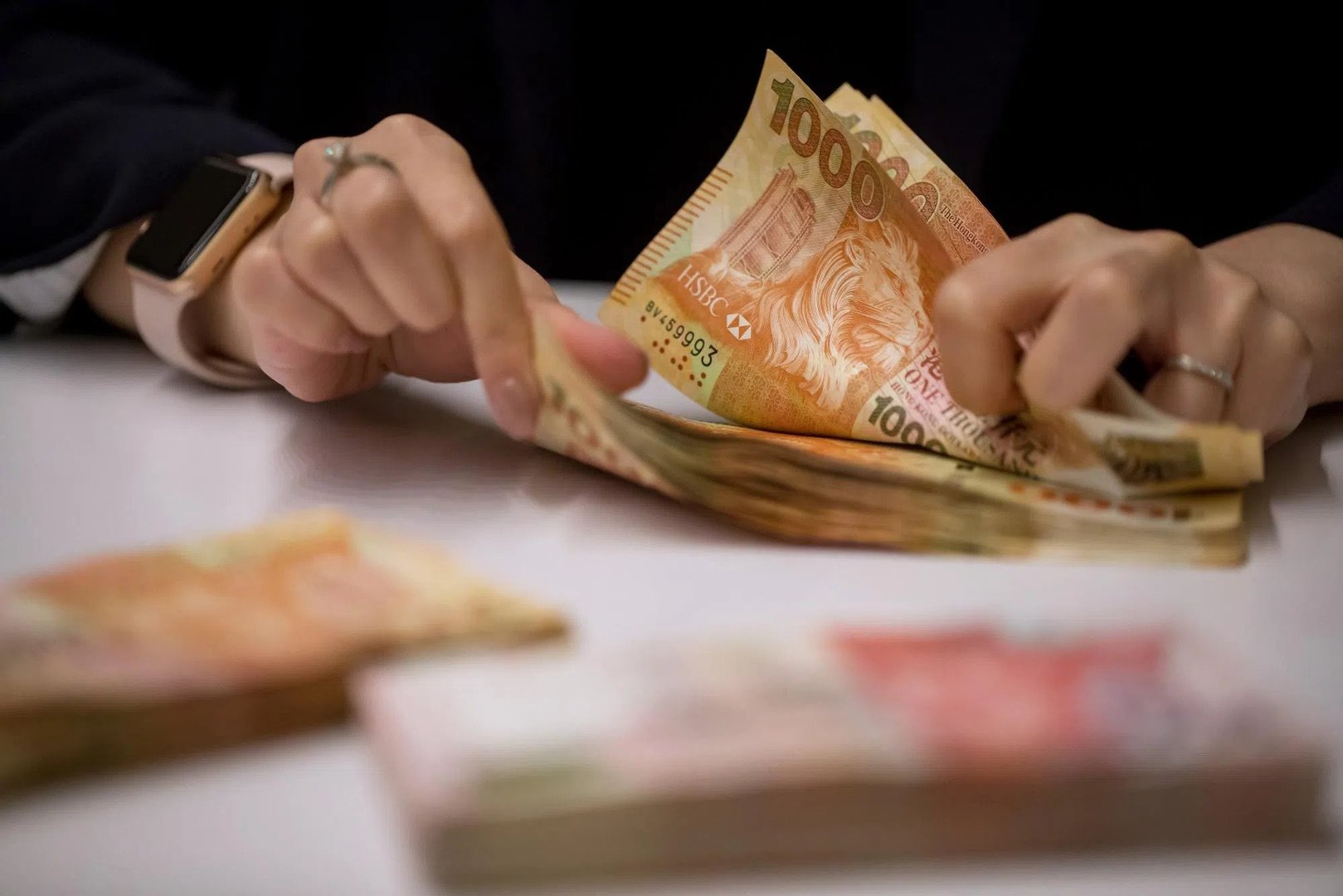
Flush cash conditions and interest rate differentials fuel demand for carry trades, prompting fresh central bank interventions to support the Hong Kong dollar peg
The Hong Kong dollar has eased from recent strong levels as loose liquidity conditions and widened interest rate differentials between local and U.S. markets encourage carry trade activity, putting renewed downward pressure on the currency despite efforts by the Hong Kong Monetary Authority to stabilise it.
Traders have been borrowing in the low-cost Hong Kong dollar to invest in U.S. dollar assets, drawn by the potential to profit from the persistent gap between local and U.S. yields, a strategy that has seen increased uptake in recent weeks.
The carry trade dynamic, reinforced by an abundant aggregate balance in the interbank market following periods of monetary intervention, has coincided with the Hong Kong dollar testing the weak side of its permitted trading band under the Linked Exchange Rate System, which pegs the currency within a fixed range against the U.S. dollar.
In response to pressure on the exchange rate, the authority has purchased local dollars by selling U.S. dollars to maintain the band, moves that reduce liquidity and seek to deter further depreciation.
While the linked exchange rate system has underpinned stability for decades, analysts note that the interplay of external capital flows, liquidity conditions and interest rate incentives continues to shape market behaviour and test the mechanisms of Hong Kong’s currency arrangements.
Traders have been borrowing in the low-cost Hong Kong dollar to invest in U.S. dollar assets, drawn by the potential to profit from the persistent gap between local and U.S. yields, a strategy that has seen increased uptake in recent weeks.
The carry trade dynamic, reinforced by an abundant aggregate balance in the interbank market following periods of monetary intervention, has coincided with the Hong Kong dollar testing the weak side of its permitted trading band under the Linked Exchange Rate System, which pegs the currency within a fixed range against the U.S. dollar.
In response to pressure on the exchange rate, the authority has purchased local dollars by selling U.S. dollars to maintain the band, moves that reduce liquidity and seek to deter further depreciation.
While the linked exchange rate system has underpinned stability for decades, analysts note that the interplay of external capital flows, liquidity conditions and interest rate incentives continues to shape market behaviour and test the mechanisms of Hong Kong’s currency arrangements.