Focus grows on how global banking networks may enable movement of restricted capital
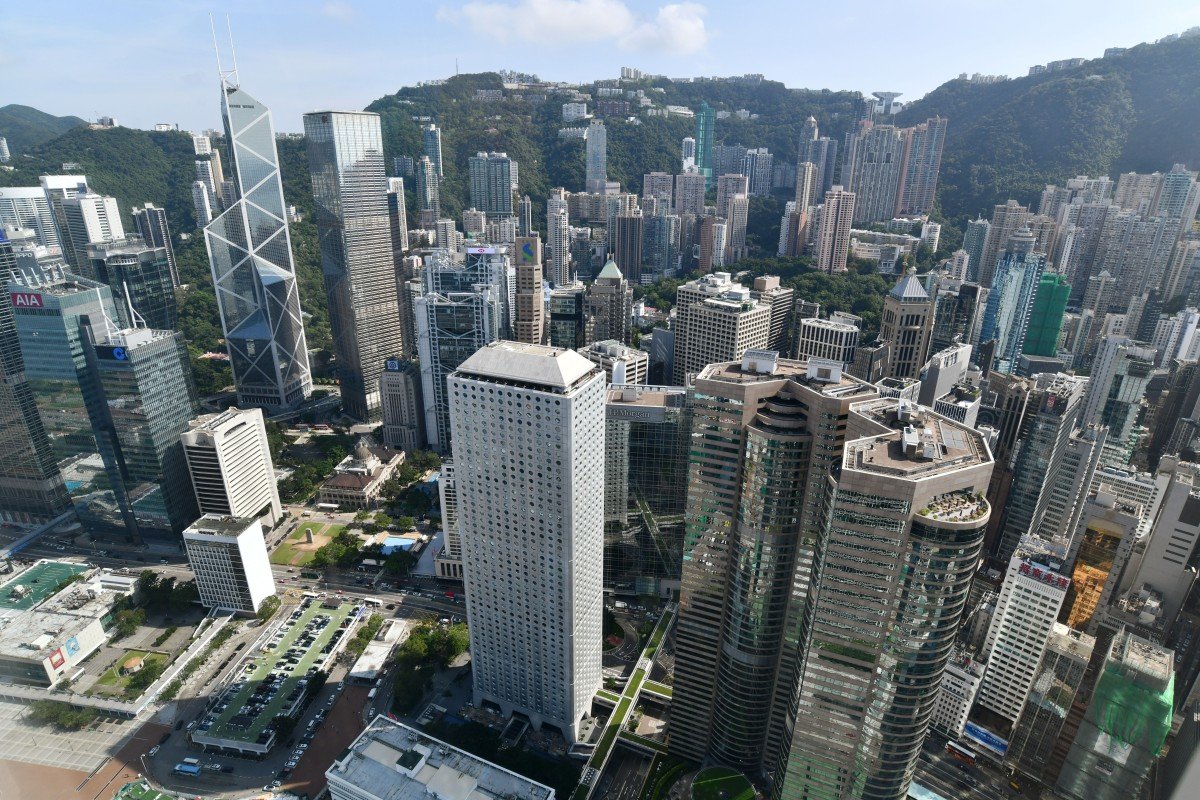
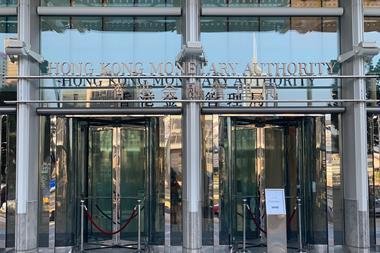
Hong Kong’s financial system has come under increased scrutiny over its potential role in facilitating the movement of funds linked to Iran, highlighting the complexities of global financial networks and enforcement challenges.
Recent analysis suggests that sophisticated financial structures and intermediaries may be used to move capital across borders, allowing access to international markets despite existing restrictions.
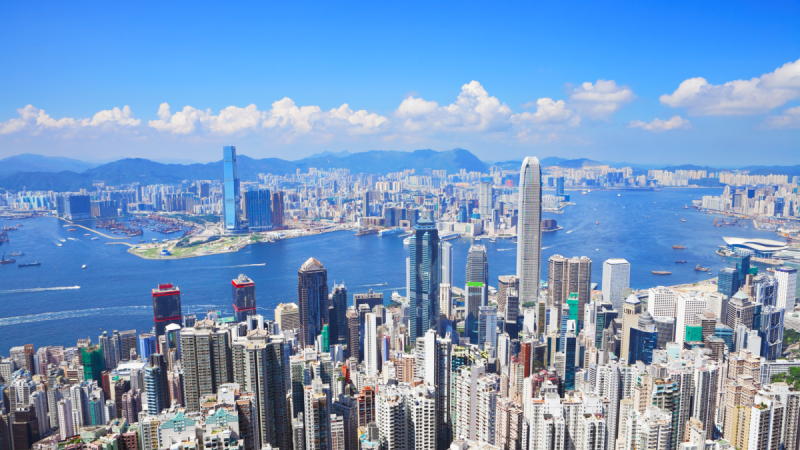
Hong Kong’s position as a major global financial hub has drawn attention to how such transactions could pass through layered systems involving multiple jurisdictions.
The mechanisms reportedly involve a combination of shell companies, trade-based transactions and financial intermediaries that can obscure the origin and destination of funds.
These methods are not unique to any one location but reflect broader patterns within the international financial system.
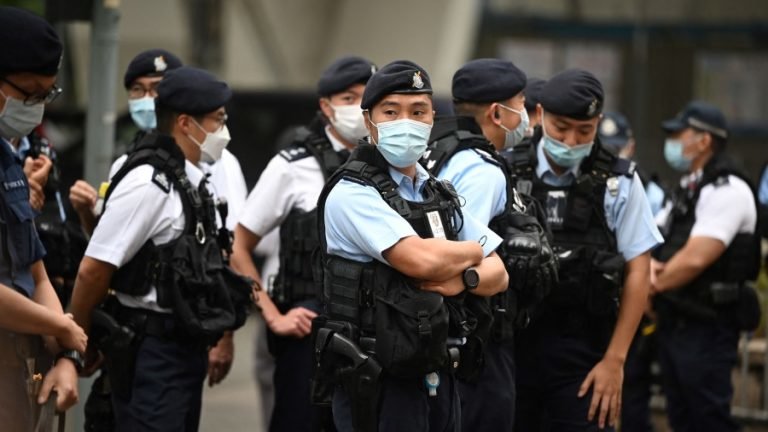
Authorities and regulators have continued to strengthen oversight frameworks to address such risks, focusing on transparency, compliance and enforcement of financial regulations.
Hong Kong has maintained that it adheres to international standards and cooperates with global partners to combat illicit financial activity.
The situation underscores the ongoing challenge of monitoring capital flows in a highly interconnected financial environment.
Even with robust regulatory systems, the complexity of global finance can create opportunities for funds to move through indirect channels.
International efforts to address these issues have emphasised the importance of coordination between financial centres, regulators and enforcement agencies.
Strengthening information sharing and compliance measures remains a key priority.
The scrutiny of Hong Kong’s role reflects wider concerns about the effectiveness of existing controls and the need for continuous adaptation in response to evolving financial practices.
Recent analysis suggests that sophisticated financial structures and intermediaries may be used to move capital across borders, allowing access to international markets despite existing restrictions.
Hong Kong’s position as a major global financial hub has drawn attention to how such transactions could pass through layered systems involving multiple jurisdictions.
The mechanisms reportedly involve a combination of shell companies, trade-based transactions and financial intermediaries that can obscure the origin and destination of funds.
These methods are not unique to any one location but reflect broader patterns within the international financial system.
Authorities and regulators have continued to strengthen oversight frameworks to address such risks, focusing on transparency, compliance and enforcement of financial regulations.
Hong Kong has maintained that it adheres to international standards and cooperates with global partners to combat illicit financial activity.
The situation underscores the ongoing challenge of monitoring capital flows in a highly interconnected financial environment.
Even with robust regulatory systems, the complexity of global finance can create opportunities for funds to move through indirect channels.
International efforts to address these issues have emphasised the importance of coordination between financial centres, regulators and enforcement agencies.
Strengthening information sharing and compliance measures remains a key priority.
The scrutiny of Hong Kong’s role reflects wider concerns about the effectiveness of existing controls and the need for continuous adaptation in response to evolving financial practices.