Industry voices urge broader scope after cautious initial approvals in digital asset regulation
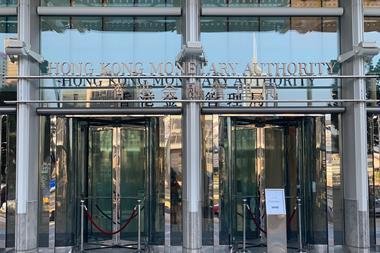
Calls are intensifying for the Hong Kong Monetary Authority to take a more expansive approach to regulating stablecoins, following what industry participants describe as a cautious first round of approvals under the city’s emerging digital asset framework.
The initial batch of stablecoin-related initiatives has been characterised by a measured and conservative approach, reflecting the regulator’s focus on financial stability, risk management and consumer protection.
While this has been welcomed as a prudent starting point, some market participants argue that it may limit Hong Kong’s ability to compete with other global financial centres moving more aggressively in the digital asset space.
Stakeholders across the fintech and cryptocurrency sectors are encouraging authorities to broaden the scope of the framework, including the potential for more diverse issuers and use cases.
They contend that a more flexible regime could attract greater investment, foster innovation and reinforce Hong Kong’s position as a leading hub for financial technology.
The Hong Kong Monetary Authority has emphasised that its approach is designed to balance innovation with robust oversight, ensuring that any development of stablecoins is supported by strong regulatory safeguards.
Officials have indicated that the framework may evolve over time as experience is gained and market conditions develop.
The debate reflects a wider global trend, as regulators seek to define how stablecoins—digital tokens typically linked to traditional currencies—should be governed.
Jurisdictions are adopting varying approaches, with some prioritising rapid growth and others focusing on cautious, phased implementation.
Hong Kong’s strategy is closely watched due to its role as a major international financial centre and its ambition to position itself at the forefront of digital finance.
The outcome of these discussions is likely to influence how the city balances innovation with regulatory discipline.
As engagement between regulators and industry continues, attention will focus on whether the framework can be adapted to support broader participation while maintaining the safeguards that underpin financial stability.
The initial batch of stablecoin-related initiatives has been characterised by a measured and conservative approach, reflecting the regulator’s focus on financial stability, risk management and consumer protection.
While this has been welcomed as a prudent starting point, some market participants argue that it may limit Hong Kong’s ability to compete with other global financial centres moving more aggressively in the digital asset space.
Stakeholders across the fintech and cryptocurrency sectors are encouraging authorities to broaden the scope of the framework, including the potential for more diverse issuers and use cases.
They contend that a more flexible regime could attract greater investment, foster innovation and reinforce Hong Kong’s position as a leading hub for financial technology.
The Hong Kong Monetary Authority has emphasised that its approach is designed to balance innovation with robust oversight, ensuring that any development of stablecoins is supported by strong regulatory safeguards.
Officials have indicated that the framework may evolve over time as experience is gained and market conditions develop.
The debate reflects a wider global trend, as regulators seek to define how stablecoins—digital tokens typically linked to traditional currencies—should be governed.
Jurisdictions are adopting varying approaches, with some prioritising rapid growth and others focusing on cautious, phased implementation.
Hong Kong’s strategy is closely watched due to its role as a major international financial centre and its ambition to position itself at the forefront of digital finance.
The outcome of these discussions is likely to influence how the city balances innovation with regulatory discipline.
As engagement between regulators and industry continues, attention will focus on whether the framework can be adapted to support broader participation while maintaining the safeguards that underpin financial stability.