Beijing-backed security office warns outlets against ‘false information’ as death toll climbs to 159
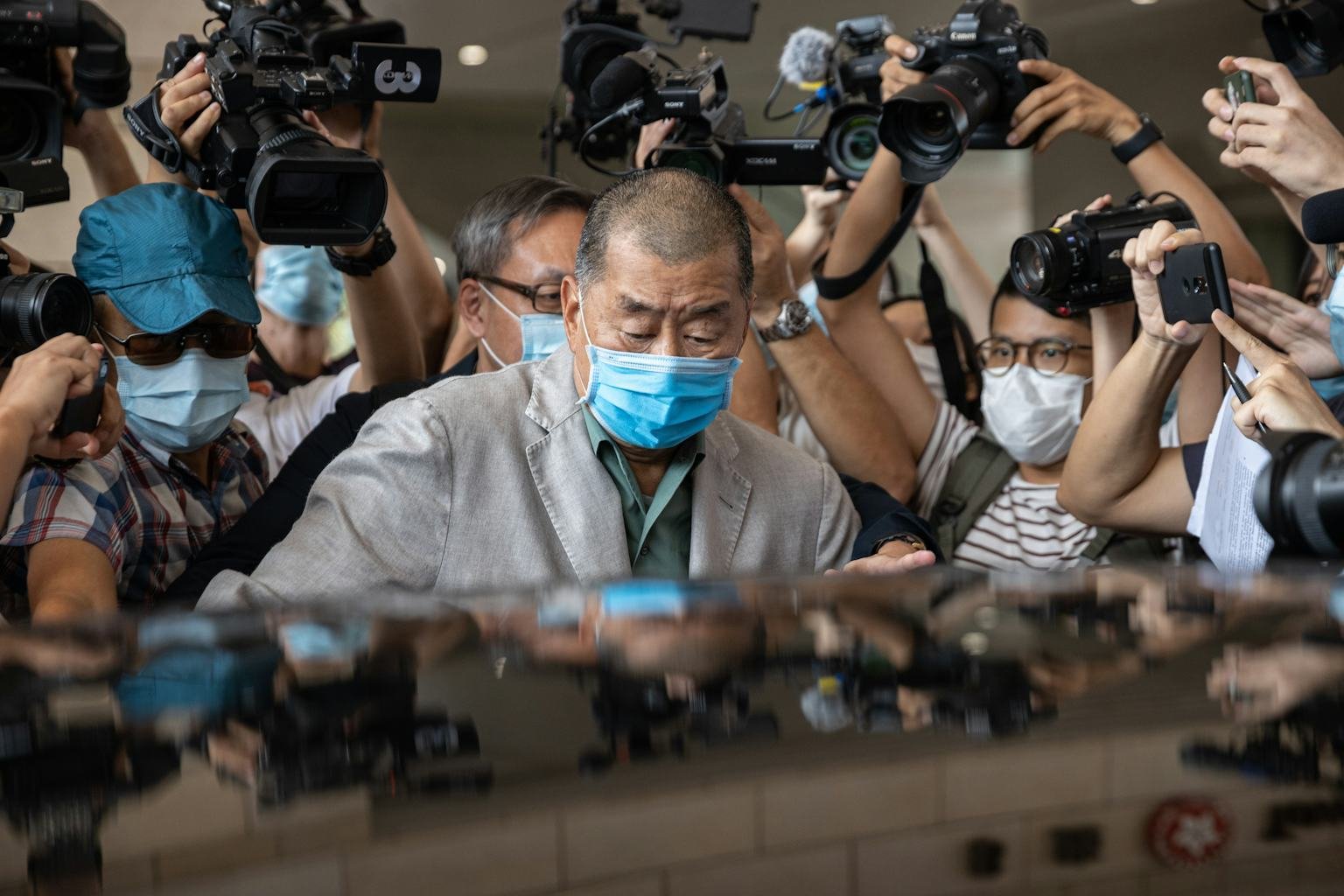
Hong Kong’s Office for Safeguarding National Security has summoned several foreign media organisations to rebuke their reporting on the deadly fire at the Wang Fuk Court residential complex, warning that some coverage risks undermining public confidence and fomenting social division.
The meeting, held as the city grieves its worst residential blaze in decades, followed reporting that the authorities deemed to misrepresent response efforts and safety breakdowns related to the tragedy.
The fire at Wang Fuk Court, located in Tai Po, erupted on 26 November and spread rapidly through seven of the estate’s eight high-rise buildings.
As of early December, the confirmed death toll has reached at least 159, with dozens more missing — making it the deadliest fire Hong Kong has suffered in roughly 75 years.
Authorities have launched a criminal investigation into suspected manslaughter and corruption.
Multiple contractors and renovation-related firms have already seen arrests, as investigators probe the use of substandard construction materials — including flammable plastic netting and foam insulation — believed to have fuelled the blaze and accelerated its spread.
In public statements, the national security office accused “some foreign media” of “spreading false information, distorting and smearing the government’s disaster-relief and aftermath work,” and of attempting to interfere in politics ahead of an upcoming legislative-council election.
Although no specific articles were singled out, the warning emphasised that Hong Kong will not tolerate reporting that allegedly “provokes social division” or impedes recovery efforts.
The crackdown follows a broader pattern of tightened control over public discourse since the 2020 national security law took effect — prompting concern among press-freedom advocates.
Observers note that while the tragedy demands accountability and transparent investigation, the government’s effort to constrain media coverage risks further eroding open scrutiny and public trust.
Officials have pledged a judge-led independent inquiry into the fire and promised construction-safety reforms.
In parallel, they have moved to restrict unofficial activism, stifle protest-oriented discourse, and campaign against what they label “external forces” exploiting the disaster — a measure authorities frame as necessary to preserve social order during a sensitive electoral period.
As Hong Kong mourns, the summons to foreign media signals a clear message: critical journalism on the fire and its aftermath is now being treated as a potential threat to state stability — not merely public oversight or commentary.
The tension between accountability and control thus deepens at a moment when many in the city are demanding answers and justice for the victims.
The meeting, held as the city grieves its worst residential blaze in decades, followed reporting that the authorities deemed to misrepresent response efforts and safety breakdowns related to the tragedy.
The fire at Wang Fuk Court, located in Tai Po, erupted on 26 November and spread rapidly through seven of the estate’s eight high-rise buildings.
As of early December, the confirmed death toll has reached at least 159, with dozens more missing — making it the deadliest fire Hong Kong has suffered in roughly 75 years.
Authorities have launched a criminal investigation into suspected manslaughter and corruption.
Multiple contractors and renovation-related firms have already seen arrests, as investigators probe the use of substandard construction materials — including flammable plastic netting and foam insulation — believed to have fuelled the blaze and accelerated its spread.
In public statements, the national security office accused “some foreign media” of “spreading false information, distorting and smearing the government’s disaster-relief and aftermath work,” and of attempting to interfere in politics ahead of an upcoming legislative-council election.
Although no specific articles were singled out, the warning emphasised that Hong Kong will not tolerate reporting that allegedly “provokes social division” or impedes recovery efforts.
The crackdown follows a broader pattern of tightened control over public discourse since the 2020 national security law took effect — prompting concern among press-freedom advocates.
Observers note that while the tragedy demands accountability and transparent investigation, the government’s effort to constrain media coverage risks further eroding open scrutiny and public trust.
Officials have pledged a judge-led independent inquiry into the fire and promised construction-safety reforms.
In parallel, they have moved to restrict unofficial activism, stifle protest-oriented discourse, and campaign against what they label “external forces” exploiting the disaster — a measure authorities frame as necessary to preserve social order during a sensitive electoral period.
As Hong Kong mourns, the summons to foreign media signals a clear message: critical journalism on the fire and its aftermath is now being treated as a potential threat to state stability — not merely public oversight or commentary.
The tension between accountability and control thus deepens at a moment when many in the city are demanding answers and justice for the victims.