Cultural advocates urge reform of unsafe materials while resisting efforts to eliminate a historic craft
Artists and cultural figures across Hong Kong are rallying to defend the city’s traditional bamboo scaffolding craft as public scrutiny intensifies following the deadly fire at the Wang Fuk Court estate in Tai Po. The blaze, which killed more than one hundred fifty residents and devastated multiple towers, spread rapidly after igniting flammable netting wrapped around bamboo structures that had been erected for renovation work.
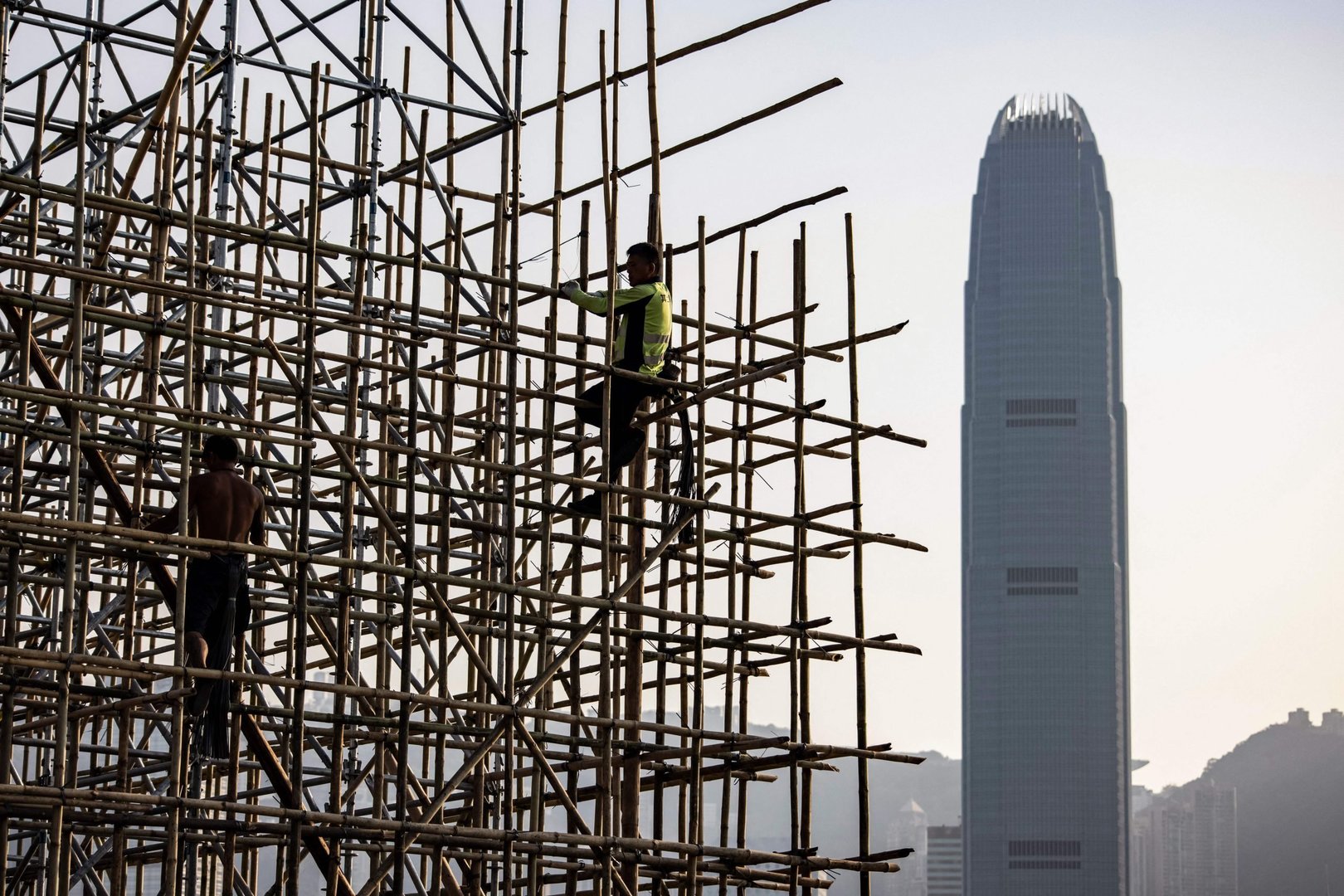
As authorities weigh proposals to phase out bamboo scaffolding entirely, artists and craftsmen fear the loss of a defining element of the city’s cultural heritage.
Government officials have acknowledged that the scaffolding, combined with combustible mesh and temporary construction materials, contributed to the speed of the fire’s spread.
Yet many engineers and preservationists argue that bamboo itself was not the principal hazard.
They point to systemic lapses — including the use of low-grade foam panels, insufficient fire-retardant covering and weak regulatory oversight — as the true vulnerabilities that allowed the blaze to engulf the buildings.
Hong Kong’s long-established bamboo scaffolders, known for their mastery of a technique passed down through generations, warn that a full ban would endanger their livelihoods and erase a practice uniquely suited to the city’s dense high-rise environment.
Artists have joined them, noting that bamboo scaffolding represents not only functional engineering but also a living symbol of Hong Kong’s resilience and identity.
Rather than abolishing the craft, a growing coalition is advocating targeted reforms: mandatory use of certified fire-safe netting, stricter inspection of renovation sites and tighter vetting of contractors responsible for exterior cladding and temporary structures.
Supporters say these measures would significantly reduce risk without sacrificing a tradition that has shaped the city’s skyline for decades.
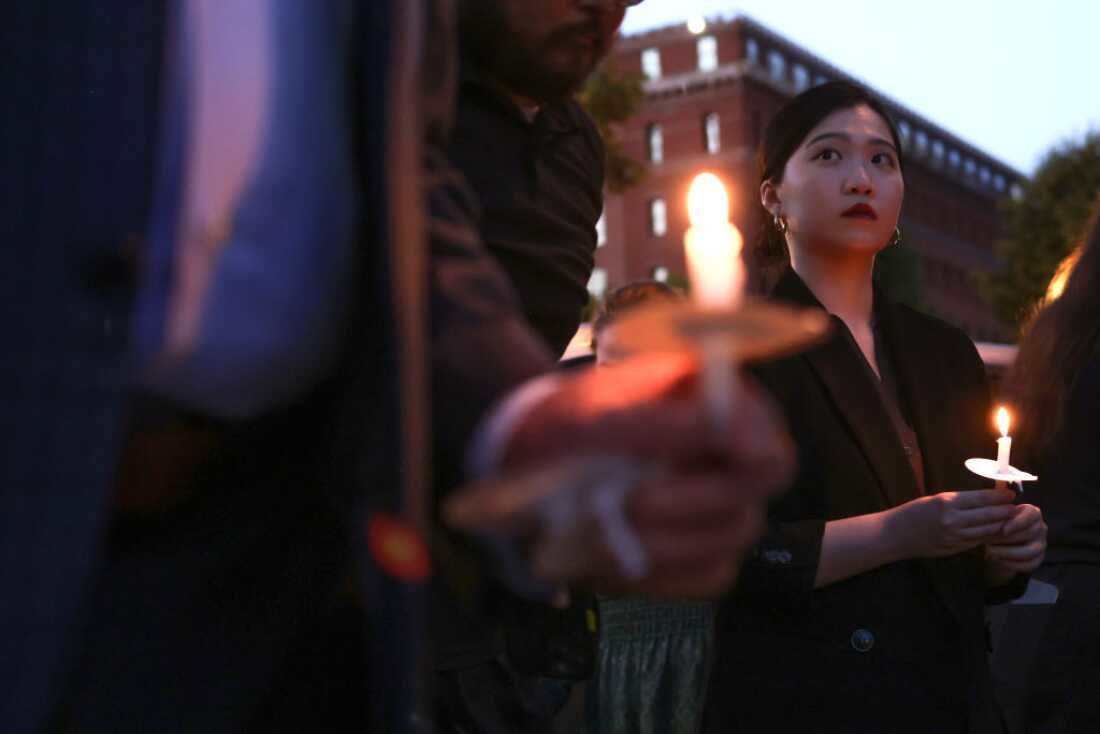
As the community mourns the victims and debates the path forward, the future of bamboo scaffolding has become a broader question about cultural preservation, urban safety and how Hong Kong should rebuild after one of its most devastating modern tragedies.
As authorities weigh proposals to phase out bamboo scaffolding entirely, artists and craftsmen fear the loss of a defining element of the city’s cultural heritage.
Government officials have acknowledged that the scaffolding, combined with combustible mesh and temporary construction materials, contributed to the speed of the fire’s spread.
Yet many engineers and preservationists argue that bamboo itself was not the principal hazard.
They point to systemic lapses — including the use of low-grade foam panels, insufficient fire-retardant covering and weak regulatory oversight — as the true vulnerabilities that allowed the blaze to engulf the buildings.
Hong Kong’s long-established bamboo scaffolders, known for their mastery of a technique passed down through generations, warn that a full ban would endanger their livelihoods and erase a practice uniquely suited to the city’s dense high-rise environment.
Artists have joined them, noting that bamboo scaffolding represents not only functional engineering but also a living symbol of Hong Kong’s resilience and identity.
Rather than abolishing the craft, a growing coalition is advocating targeted reforms: mandatory use of certified fire-safe netting, stricter inspection of renovation sites and tighter vetting of contractors responsible for exterior cladding and temporary structures.
Supporters say these measures would significantly reduce risk without sacrificing a tradition that has shaped the city’s skyline for decades.
As the community mourns the victims and debates the path forward, the future of bamboo scaffolding has become a broader question about cultural preservation, urban safety and how Hong Kong should rebuild after one of its most devastating modern tragedies.