Industrial tech, EV battery firms, tea-shops and noodle chains join a broad wave of listings as HKEX reclaims global IPO crown
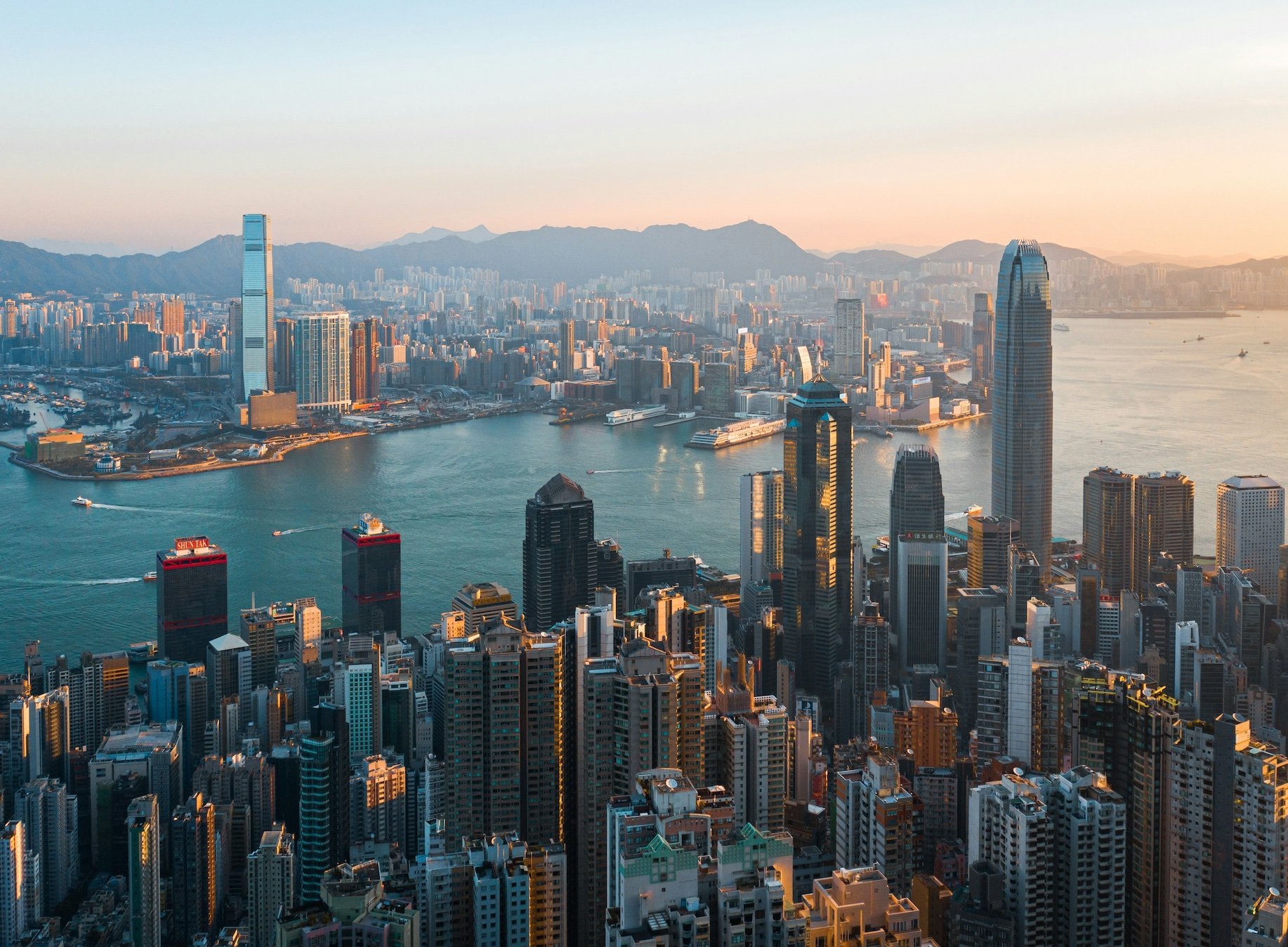
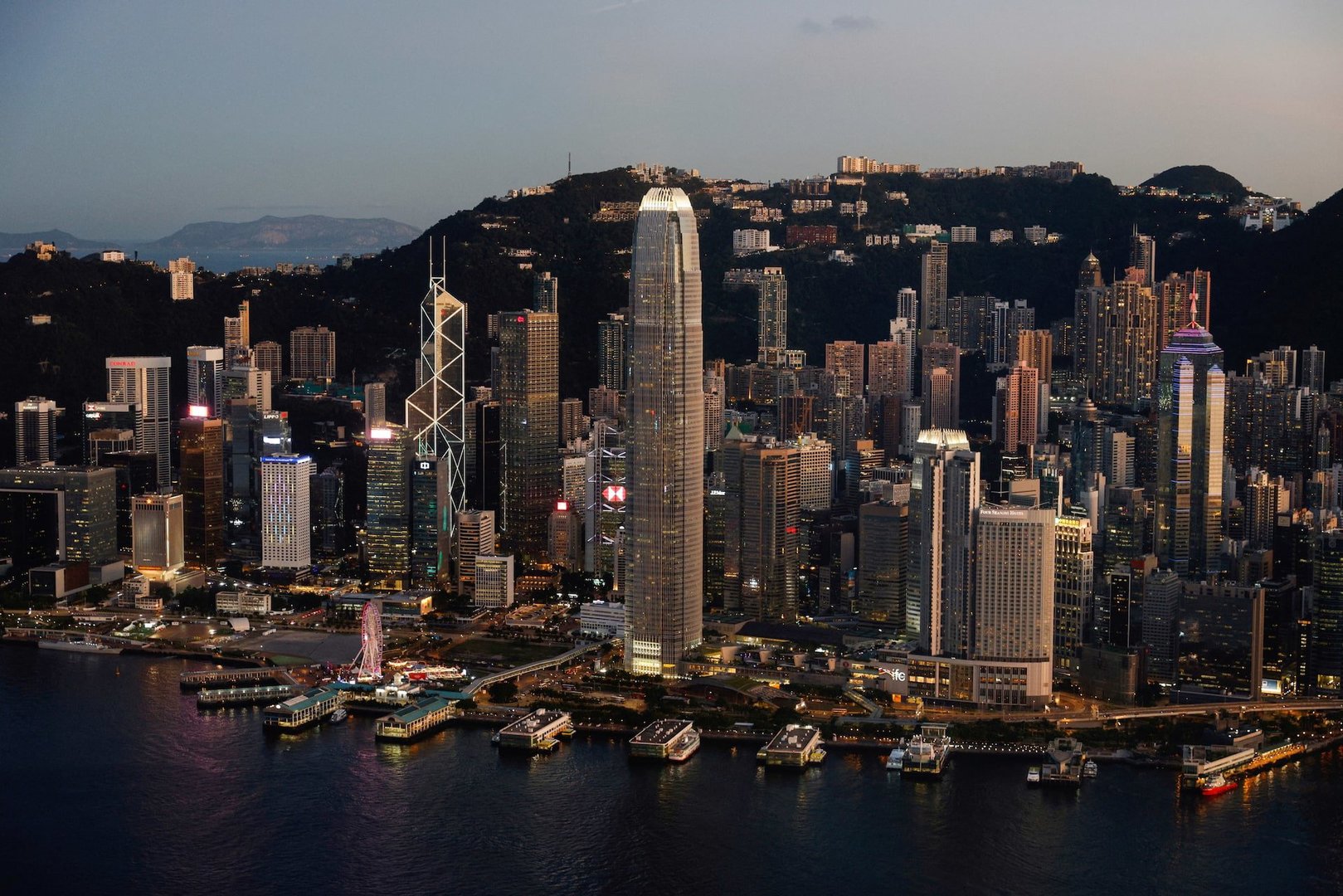
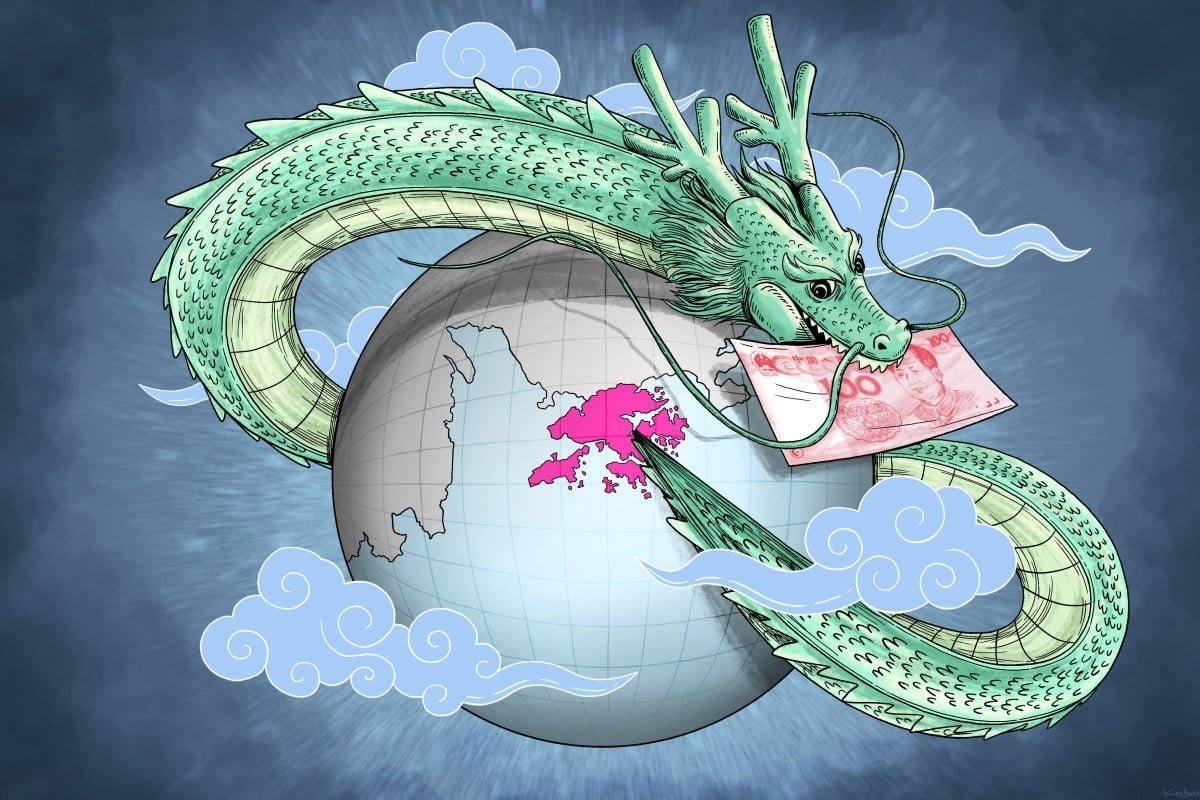
Hong Kong’s capital markets are witnessing a remarkable resurgence in 2025, as a wide array of companies — from semiconductor and EV supply-chain firms to fast-food and noodle restaurant chains — prepare to go public or make their market debut.
The sharp uptick reflects both regulatory reforms and renewed investor appetite for Chinese and pan-Asian businesses.
At the high-tech end, JingDong Industrials (JDi), a supply-chain technology arm of JD.com, filed for an IPO that could raise up to HK$3.27 billion (about US$420 million), offering 211.2 million shares at HK$12.70–HK$15.50 each.
Cornerstone investors including major international funds have already committed roughly US$170 million to the deal.
The company plans to use the proceeds to expand its logistics infrastructure and geographic footprint across China and Asia.
Meanwhile, takeover-adjusted filings indicate other ambitious tech-focused ventures — including autonomous-driving firms — are also lining up to tap public markets in Hong Kong, drawn by a quicker listing route under the city’s updated regulatory framework.
On the consumer side, restaurateurs are seizing the momentum.
Guangzhou Xiao Noodles Catering Management Co. Ltd. is preparing an offering as it seeks to capitalise on its rapid expansion across China — with over 450 outlets already operating.
The chain pitches itself as a value-oriented brand in the “cheap eats” noodle segment, targeting domestic and global growth.
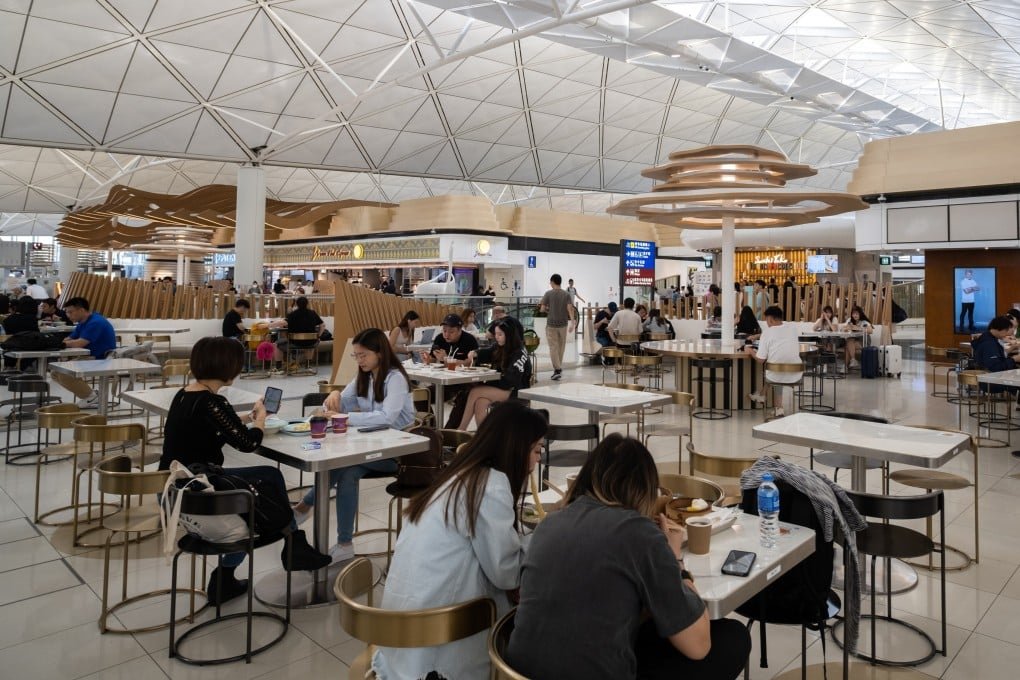
Similarly, Tam Jai International, known for its rice-noodle restaurants, has launched a Hong Kong IPO aiming to raise HK$1.4 billion (approximately US$180 million).
These so-called “from-chips-to-noodles” listings reflect the breadth of sectors now turning to Hong Kong for capital.
The broader market backdrop helps explain the boom.
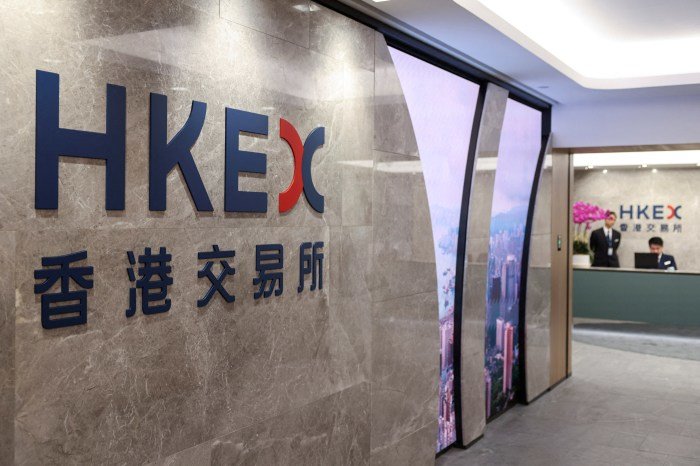
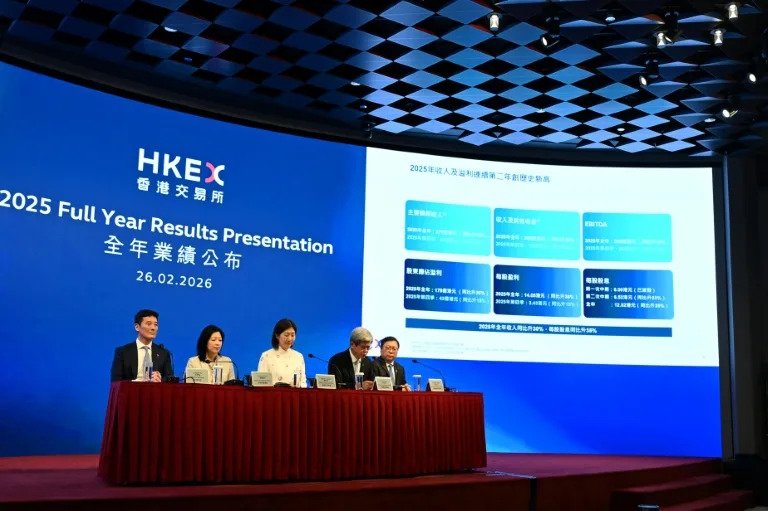
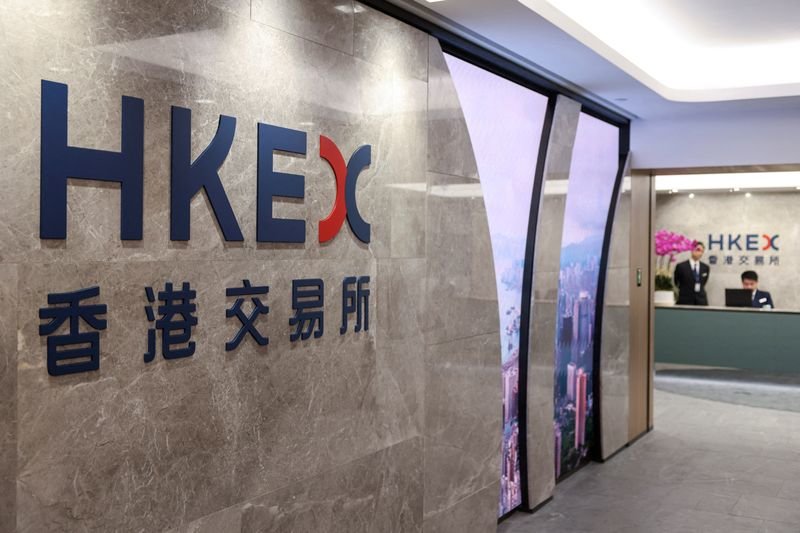
According to recent data, the first half of 2025 alone saw more than US$14 billion raised via IPOs on the Hong Kong Stock Exchange (HKEX) across dozens of listings — the strongest such period since 2021. The renewed enthusiasm has propelled HKEX toward reclaiming the title of world’s top IPO venue, as high-profile deals draw global institutional capital even amid geopolitical and macroeconomic headwinds.
Analysts attribute the revival to several converging factors: fast-tracked A+H listing rules that allow mainland Chinese companies to cross-list more rapidly, heightened investor interest in China’s manufacturing, green-tech and consumption sectors, and an overall scarcity of large deals in U.S. and European markets.
The diversity of recent IPO applicants — from logistics and battery firms to noodle restaurants — signals growing confidence that Hong Kong remains a globally competitive listing hub.
As Hong Kong’s IPO market enters this vibrant new chapter, both ordinary consumers and global investors are watching closely.
The wave sweeping through stock tickers underscores a renewed narrative: when global volatility and regional uncertainty mount, Hong Kong stands out as a reliable gateway for capital, creativity and growth.
The sharp uptick reflects both regulatory reforms and renewed investor appetite for Chinese and pan-Asian businesses.
At the high-tech end, JingDong Industrials (JDi), a supply-chain technology arm of JD.com, filed for an IPO that could raise up to HK$3.27 billion (about US$420 million), offering 211.2 million shares at HK$12.70–HK$15.50 each.
Cornerstone investors including major international funds have already committed roughly US$170 million to the deal.
The company plans to use the proceeds to expand its logistics infrastructure and geographic footprint across China and Asia.
Meanwhile, takeover-adjusted filings indicate other ambitious tech-focused ventures — including autonomous-driving firms — are also lining up to tap public markets in Hong Kong, drawn by a quicker listing route under the city’s updated regulatory framework.
On the consumer side, restaurateurs are seizing the momentum.
Guangzhou Xiao Noodles Catering Management Co. Ltd. is preparing an offering as it seeks to capitalise on its rapid expansion across China — with over 450 outlets already operating.
The chain pitches itself as a value-oriented brand in the “cheap eats” noodle segment, targeting domestic and global growth.
Similarly, Tam Jai International, known for its rice-noodle restaurants, has launched a Hong Kong IPO aiming to raise HK$1.4 billion (approximately US$180 million).
These so-called “from-chips-to-noodles” listings reflect the breadth of sectors now turning to Hong Kong for capital.
The broader market backdrop helps explain the boom.
According to recent data, the first half of 2025 alone saw more than US$14 billion raised via IPOs on the Hong Kong Stock Exchange (HKEX) across dozens of listings — the strongest such period since 2021. The renewed enthusiasm has propelled HKEX toward reclaiming the title of world’s top IPO venue, as high-profile deals draw global institutional capital even amid geopolitical and macroeconomic headwinds.
Analysts attribute the revival to several converging factors: fast-tracked A+H listing rules that allow mainland Chinese companies to cross-list more rapidly, heightened investor interest in China’s manufacturing, green-tech and consumption sectors, and an overall scarcity of large deals in U.S. and European markets.
The diversity of recent IPO applicants — from logistics and battery firms to noodle restaurants — signals growing confidence that Hong Kong remains a globally competitive listing hub.
As Hong Kong’s IPO market enters this vibrant new chapter, both ordinary consumers and global investors are watching closely.
The wave sweeping through stock tickers underscores a renewed narrative: when global volatility and regional uncertainty mount, Hong Kong stands out as a reliable gateway for capital, creativity and growth.