A blaze that tore through the Wang Fuk Court complex kills at least 159 people and prompts arrests, scrutiny and a nationwide safety crackdown
A devastating fire at the Wang Fuk Court apartment complex in Hong Kong has left at least 159 people dead, making it one of the deadliest residential disasters the city has ever faced.
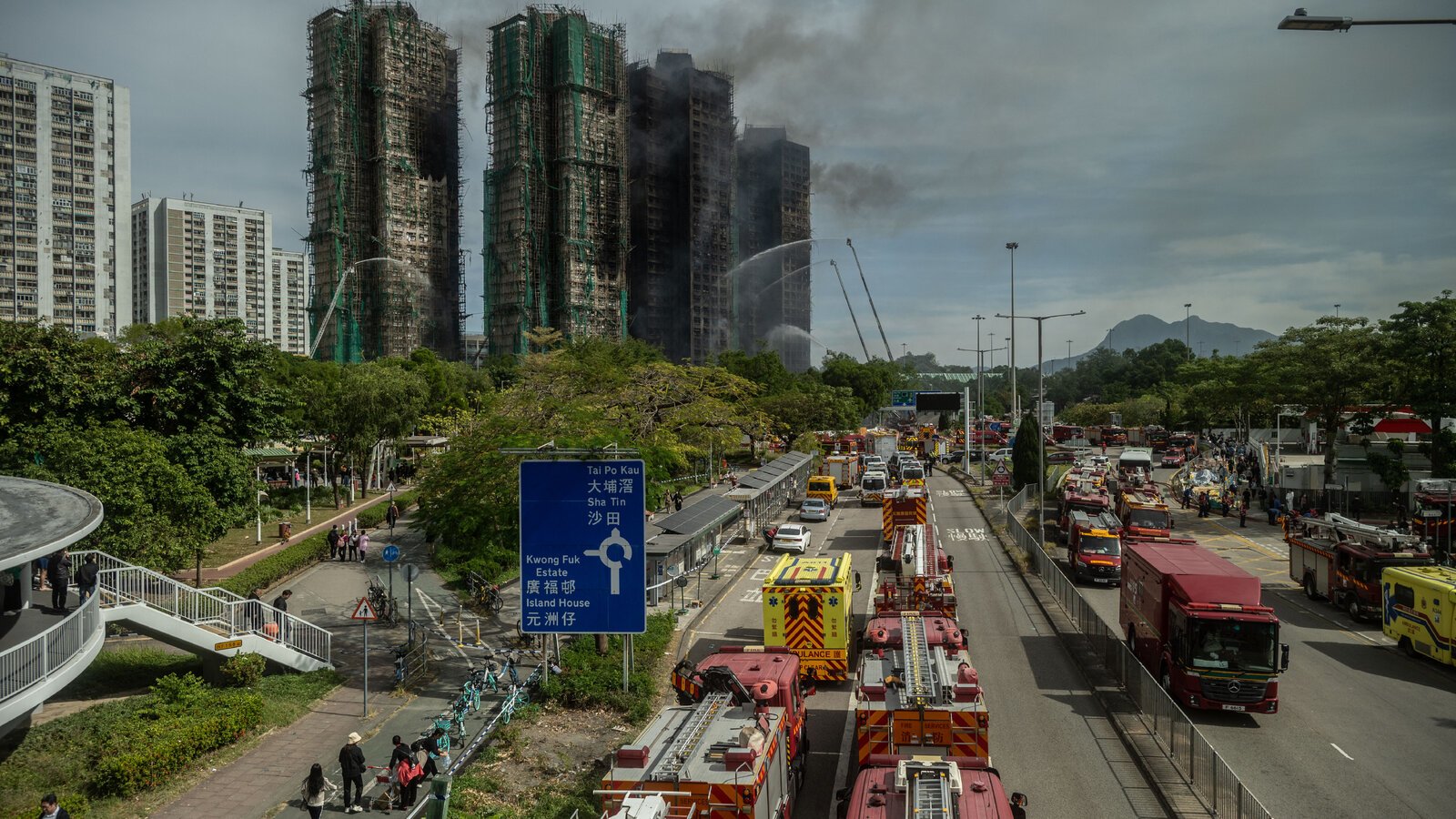
The blaze erupted during renovation works on November twenty-six and rapidly engulfed seven of the estate’s eight towers, leaving dozens still unaccounted for as emergency crews worked through the aftermath.
Investigators have identified a combination of factors that contributed to the fire’s swift and lethal spread.
Bamboo scaffolding wrapped in synthetic netting and expanded polystyrene foam boards — materials commonly used in large-scale renovations — fueled the flames.
While the scaffold netting passed initial fire-safety checks, later testing showed that multiple samples failed required standards.
Residents reported that alarms did not trigger in many parts of the complex, trapping families in stairwells and on rooftops as smoke filled the buildings.
Authorities have arrested more than twenty people, including contractors, subcontractors and engineering-firm directors, on suspicion of manslaughter or negligence.
Some face additional allegations of safety-system tampering and falsifying the fire-resistance of building materials.
Meanwhile, Hong Kong officials, joined by national authorities, have launched an extensive fire-safety inspection programme targeting high-rise buildings that use similar renovation methods.
The fire’s human toll spans generations, from infants to elderly residents, including a firefighter who perished during rescue operations.
More than four thousand six hundred people had lived in the affected towers, many of whom are now displaced and relying on temporary housing.
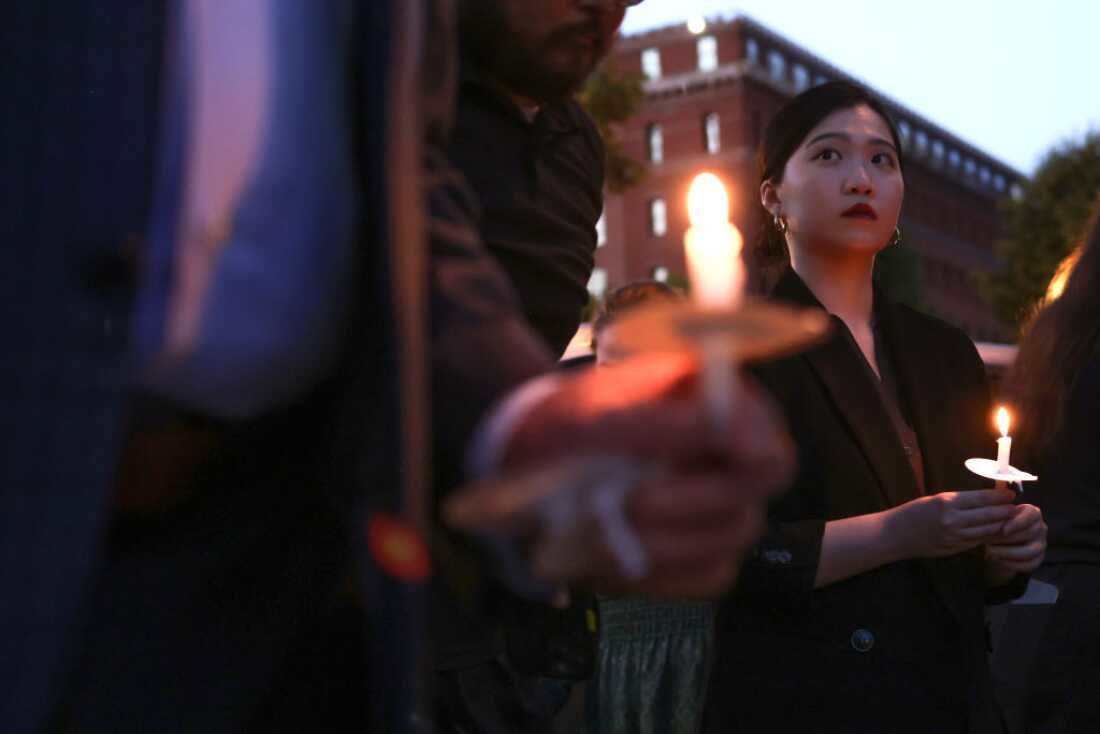
Grief has spread across the city, with makeshift memorials and community support emerging as survivors attempt to recover belongings and rebuild their lives.
City leaders have pledged a thorough, judge-led inquiry to determine how safety regulations failed and whether oversight agencies overlooked prior warnings.
As investigators assess the extent of negligence and regulators revisit renovation standards, the Wang Fuk Court disaster stands as a stark reminder of the vulnerabilities embedded within aging, densely populated urban housing.
The blaze erupted during renovation works on November twenty-six and rapidly engulfed seven of the estate’s eight towers, leaving dozens still unaccounted for as emergency crews worked through the aftermath.
Investigators have identified a combination of factors that contributed to the fire’s swift and lethal spread.
Bamboo scaffolding wrapped in synthetic netting and expanded polystyrene foam boards — materials commonly used in large-scale renovations — fueled the flames.
While the scaffold netting passed initial fire-safety checks, later testing showed that multiple samples failed required standards.
Residents reported that alarms did not trigger in many parts of the complex, trapping families in stairwells and on rooftops as smoke filled the buildings.
Authorities have arrested more than twenty people, including contractors, subcontractors and engineering-firm directors, on suspicion of manslaughter or negligence.
Some face additional allegations of safety-system tampering and falsifying the fire-resistance of building materials.
Meanwhile, Hong Kong officials, joined by national authorities, have launched an extensive fire-safety inspection programme targeting high-rise buildings that use similar renovation methods.
The fire’s human toll spans generations, from infants to elderly residents, including a firefighter who perished during rescue operations.
More than four thousand six hundred people had lived in the affected towers, many of whom are now displaced and relying on temporary housing.
Grief has spread across the city, with makeshift memorials and community support emerging as survivors attempt to recover belongings and rebuild their lives.
City leaders have pledged a thorough, judge-led inquiry to determine how safety regulations failed and whether oversight agencies overlooked prior warnings.
As investigators assess the extent of negligence and regulators revisit renovation standards, the Wang Fuk Court disaster stands as a stark reminder of the vulnerabilities embedded within aging, densely populated urban housing.