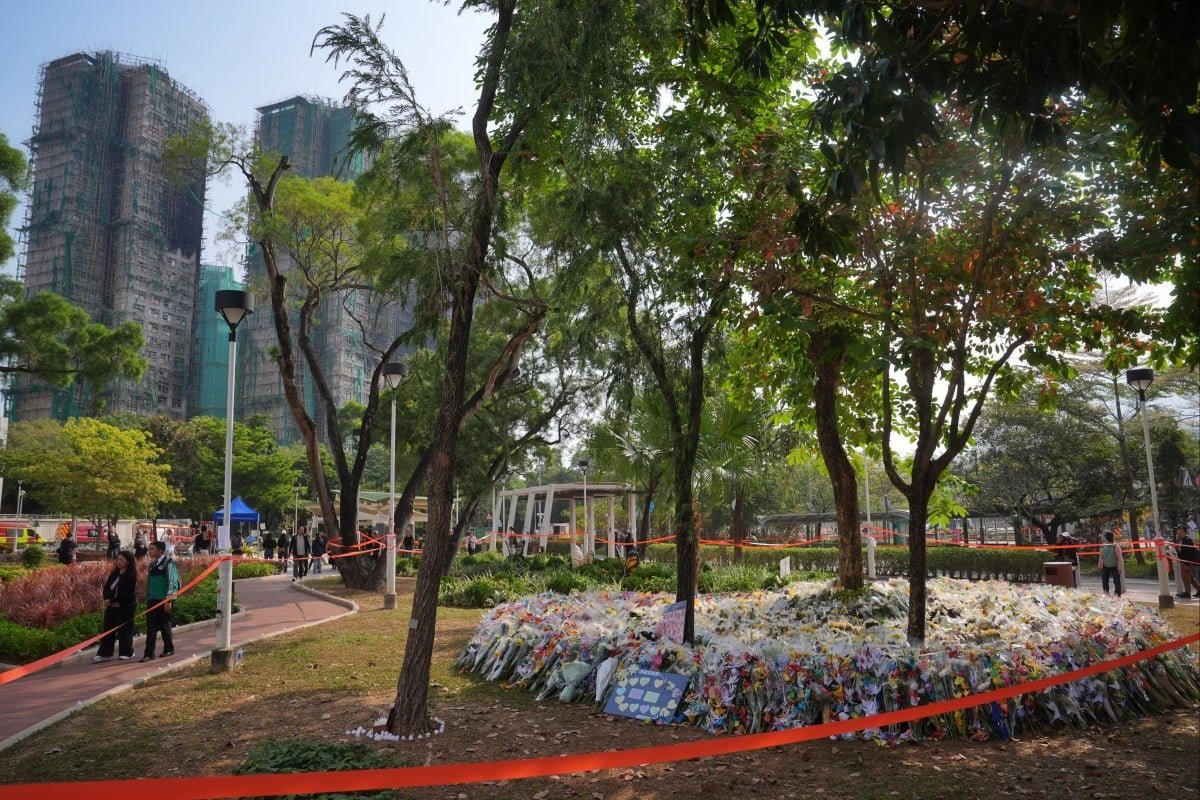
Authorities call in international journalists, accusing them of undermining disaster-relief efforts and interfering ahead of crucial election
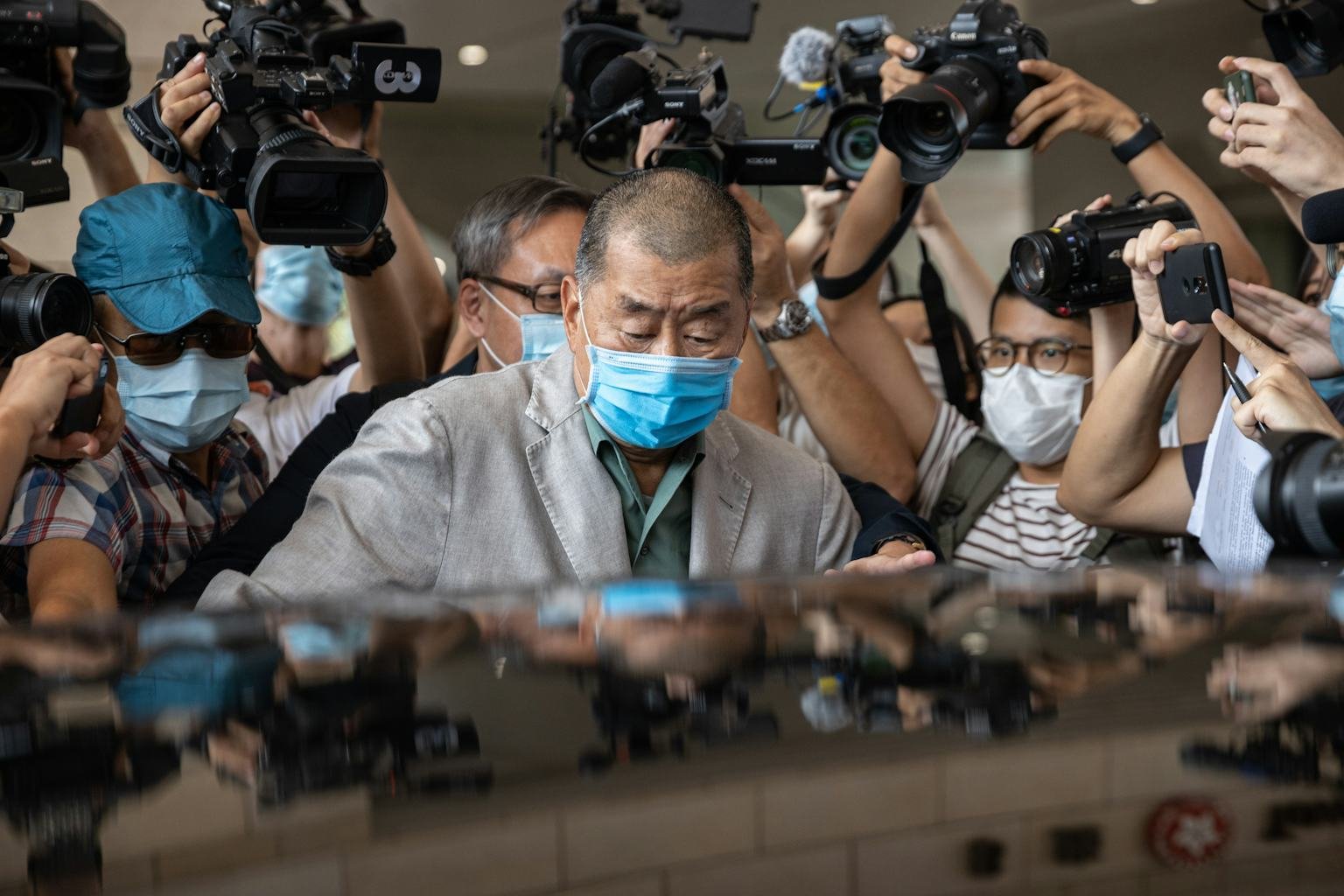
China’s security office in Hong Kong has summoned senior reporters from multiple foreign media organisations, warning them explicitly against “crossing the legal red line” in coverage of the recent catastrophic fire at a high-rise residential complex.
The unprecedented move comes as the city reels from what has become its deadliest residential disaster in decades, and as public scrutiny of government disaster-relief and regulatory oversight intensifies.
At the centre of concern is the fire at the eight-tower Wang Fuk Court, where at least 159 people lost their lives.
Flames swept rapidly through scaffolding, protective netting and foam insulation installed during renovation work — materials later deemed dangerously flammable.
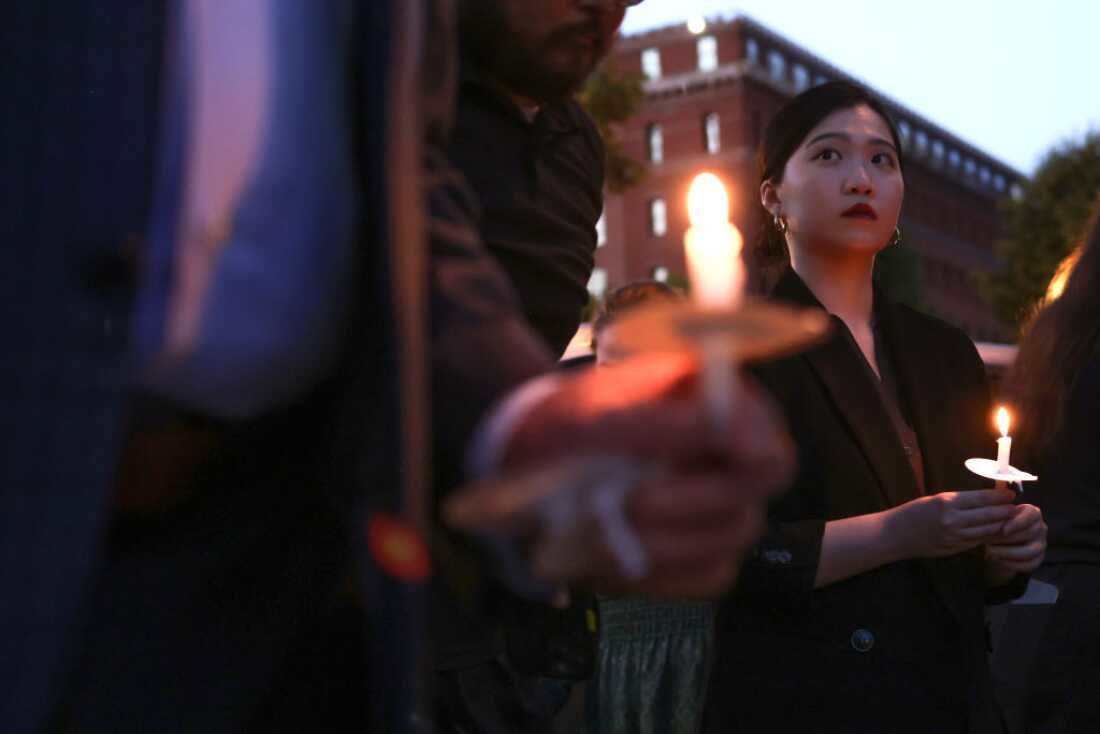
The tragedy has triggered outrage and demands for accountability from survivors, residents and the wider community.
According to the statement issued after the journalist summons, several foreign outlets were accused of “spreading false information, distorting and smearing the government’s disaster relief and aftermath work,” as well as interfering in the upcoming Hong Kong Legislative Council election.
The authorities alleged that some coverage was being used to provoke social division and disrupt public trust, urging media not to act as “anti-China and trouble-making elements.”
The warning represents the first time the Office for Safeguarding National Security (OSNS) has convened a collective meeting with foreign media over a single event.
Since the imposition of the 2020 national-security law, the role and freedom of the press in Hong Kong have been under steadily increasing constraints — a trend observers say this incident further underscores.
In parallel with the media summons, authorities announced a public arrest: a 71-year-old man was detained for allegedly posting social-media content about the fire that police deemed seditious.
Officials claimed the posts incited hatred against the Hong Kong and central governments and revealed details of ongoing national-security investigations.
Local press and civil-society sources previously reported additional detentions under national-security or public-order charges, though official confirmation has been limited.
With the election scheduled on Sunday, and as families of victims and displaced residents await relief and answers, authorities have justified the crackdown as necessary to maintain social stability.
Yet many in Hong Kong and abroad view the move as a stark signal: under the guise of emergency response, dissent, scrutiny and independent reporting are increasingly treated as threats — reshaping the city’s media landscape at a moment when transparent coverage may be most needed.
The unprecedented move comes as the city reels from what has become its deadliest residential disaster in decades, and as public scrutiny of government disaster-relief and regulatory oversight intensifies.
At the centre of concern is the fire at the eight-tower Wang Fuk Court, where at least 159 people lost their lives.
Flames swept rapidly through scaffolding, protective netting and foam insulation installed during renovation work — materials later deemed dangerously flammable.
The tragedy has triggered outrage and demands for accountability from survivors, residents and the wider community.
According to the statement issued after the journalist summons, several foreign outlets were accused of “spreading false information, distorting and smearing the government’s disaster relief and aftermath work,” as well as interfering in the upcoming Hong Kong Legislative Council election.
The authorities alleged that some coverage was being used to provoke social division and disrupt public trust, urging media not to act as “anti-China and trouble-making elements.”
The warning represents the first time the Office for Safeguarding National Security (OSNS) has convened a collective meeting with foreign media over a single event.
Since the imposition of the 2020 national-security law, the role and freedom of the press in Hong Kong have been under steadily increasing constraints — a trend observers say this incident further underscores.
In parallel with the media summons, authorities announced a public arrest: a 71-year-old man was detained for allegedly posting social-media content about the fire that police deemed seditious.
Officials claimed the posts incited hatred against the Hong Kong and central governments and revealed details of ongoing national-security investigations.
Local press and civil-society sources previously reported additional detentions under national-security or public-order charges, though official confirmation has been limited.
With the election scheduled on Sunday, and as families of victims and displaced residents await relief and answers, authorities have justified the crackdown as necessary to maintain social stability.
Yet many in Hong Kong and abroad view the move as a stark signal: under the guise of emergency response, dissent, scrutiny and independent reporting are increasingly treated as threats — reshaping the city’s media landscape at a moment when transparent coverage may be most needed.