The phrase reframes the city’s political model around stability, efficiency and vetted leadership rather than competitive electoral pluralism
Beijing’s adoption of the term “high-quality democracy” to describe Hong Kong’s political system marks a deliberate shift in how the city’s governance is defined.
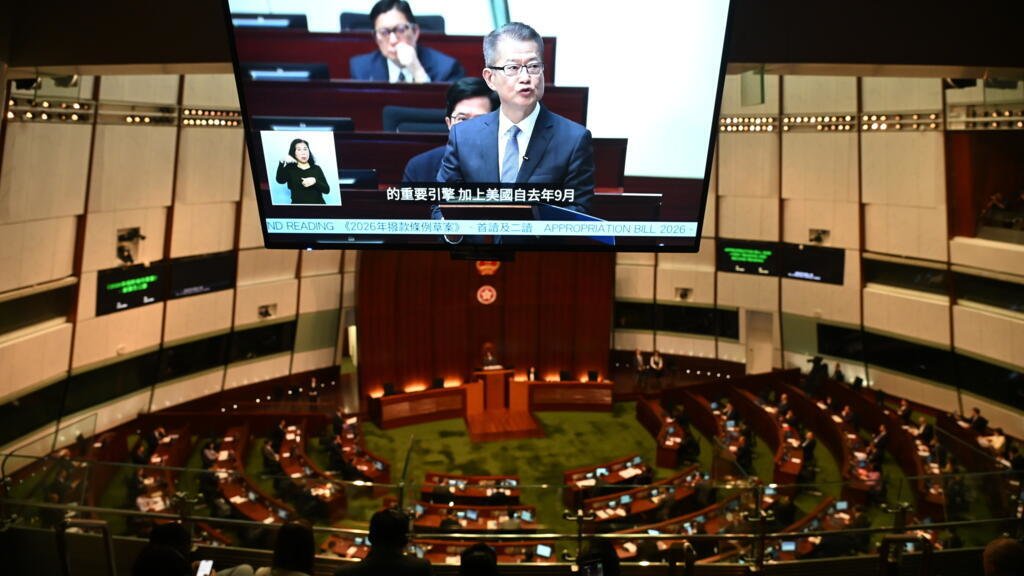
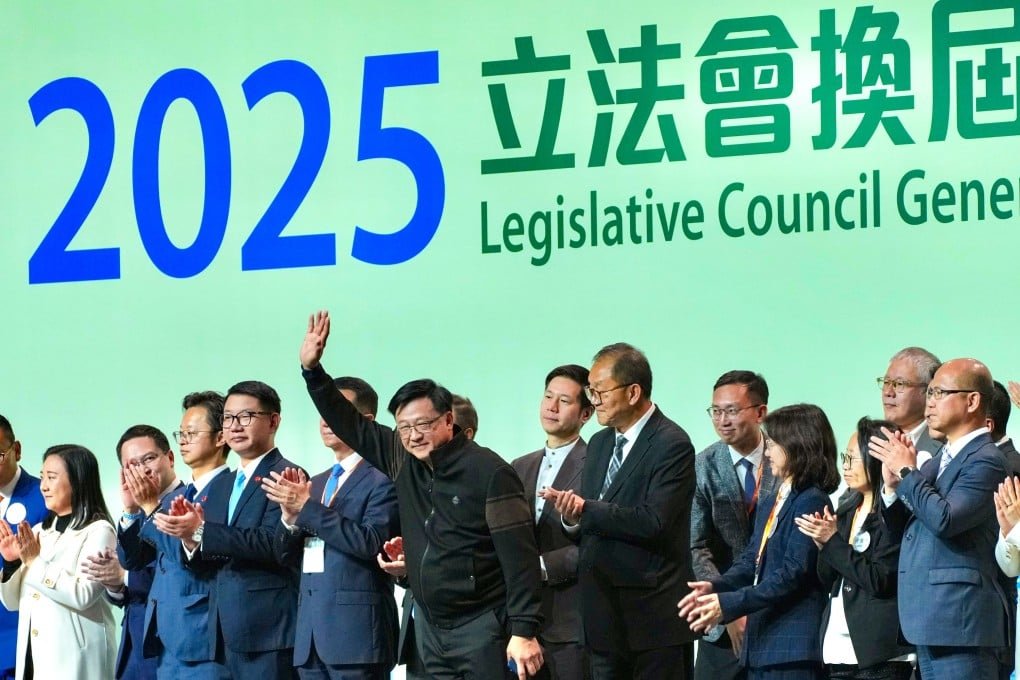
The new language, highlighted in the run-up to the latest legislative election, positions democracy not as a contest of competing political forces but as a model of orderly, executive-led administration supported by vetted legislators.
Under this framework, the emphasis is placed on cooperation between the government and lawmakers, with stability, predictability and efficient policy delivery considered central democratic virtues.
This stands in contrast to the adversarial politics that dominated earlier eras, which Beijing argues hindered governance and exposed the city to external influence.
The concept dovetails with electoral reforms enacted under the “patriots administering Hong Kong” principle, which require all candidates to pass a loyalty review before standing for office.
Supporters say the system ensures that those selected to govern share a unified commitment to Hong Kong’s long-term development and national sovereignty.
They also highlight the inclusion of professionals, technocrats and non-party candidates as evidence of a broader, more expertise-driven political field.
Backers of the model argue that by reducing internal conflict, the government can focus on economic development, innovation, housing and social stability.
They describe “high-quality democracy” as a form of governance designed to achieve tangible results and restore public confidence after years of disruption.
Sceptics, however, warn that the phrase risks obscuring a narrowing political space.
With opposition voices largely absent and public debate constrained, they question whether the model can deliver genuine accountability.
International observers note that while the rhetoric stresses “quality,” the fundamental mechanisms associated with liberal democratic systems remain tightly controlled.
Even so, the new framing signals Beijing’s intention to anchor Hong Kong’s political future in a model that prioritises cohesion and predictability.
How this redefined democracy performs in practice will shape the city’s governance and public trust in the years ahead.
The new language, highlighted in the run-up to the latest legislative election, positions democracy not as a contest of competing political forces but as a model of orderly, executive-led administration supported by vetted legislators.
Under this framework, the emphasis is placed on cooperation between the government and lawmakers, with stability, predictability and efficient policy delivery considered central democratic virtues.
This stands in contrast to the adversarial politics that dominated earlier eras, which Beijing argues hindered governance and exposed the city to external influence.
The concept dovetails with electoral reforms enacted under the “patriots administering Hong Kong” principle, which require all candidates to pass a loyalty review before standing for office.
Supporters say the system ensures that those selected to govern share a unified commitment to Hong Kong’s long-term development and national sovereignty.
They also highlight the inclusion of professionals, technocrats and non-party candidates as evidence of a broader, more expertise-driven political field.
Backers of the model argue that by reducing internal conflict, the government can focus on economic development, innovation, housing and social stability.
They describe “high-quality democracy” as a form of governance designed to achieve tangible results and restore public confidence after years of disruption.
Sceptics, however, warn that the phrase risks obscuring a narrowing political space.
With opposition voices largely absent and public debate constrained, they question whether the model can deliver genuine accountability.
International observers note that while the rhetoric stresses “quality,” the fundamental mechanisms associated with liberal democratic systems remain tightly controlled.
Even so, the new framing signals Beijing’s intention to anchor Hong Kong’s political future in a model that prioritises cohesion and predictability.
How this redefined democracy performs in practice will shape the city’s governance and public trust in the years ahead.