A surge of non-re-elections at the Legislative Council raises questions about age, generational change and potential political recalibration
A substantial number of members of Hong Kong’s Legislative Council announced their retirement ahead of the forthcoming December election—a move that has sparked both speculation and commentary.
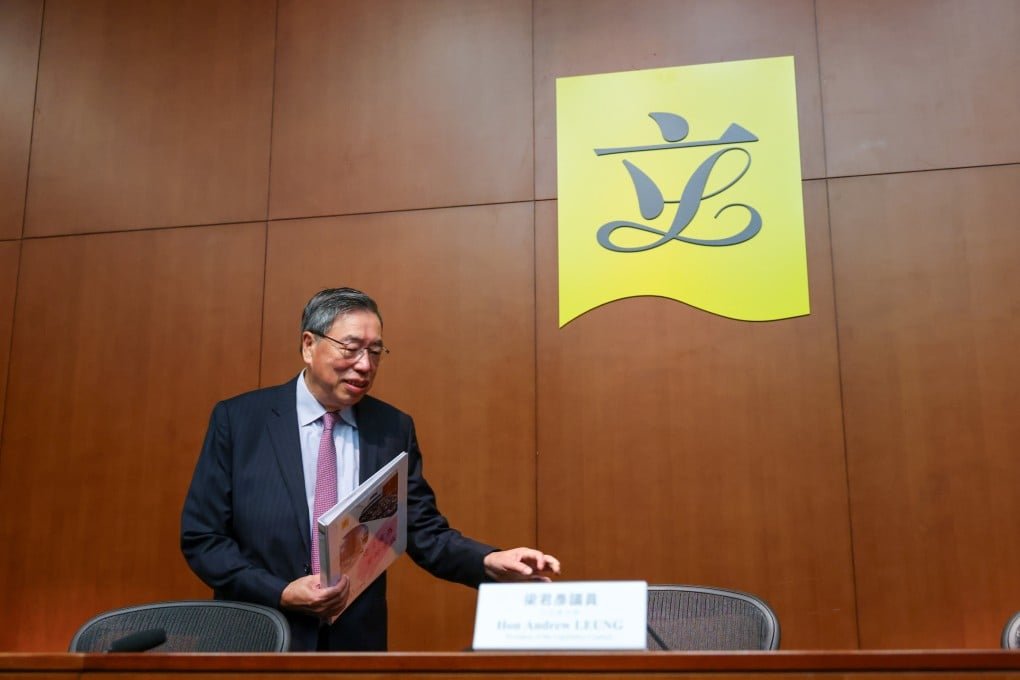
Among them is the long-serving President, Andrew Leung Kwan-yuen, who after nine years at the helm, cited age and family reasons for stepping down.
Leung’s departure comes as over a dozen other incumbent lawmakers—many over the age of 60, though some younger—also opted not to seek re-election.
Some attributed their exit to “giving younger candidates a chance” or navigating generational turnover.
Others say the pace and scale of departures suggest more than routine turnover.
Influential speculation has emerged that Beijing may be steering a generational reset of the legislature, possibly through an informal age-ceiling or preference for new appointees.
The Hong Kong and Macau Affairs Office denied the existence of any “blessed list” of approved candidates.
Leung himself, in a rare show of irritation, asked rhetorically: “If there were 90 legislators and more than 80 were re-elected, what would you say then?”
Observers say the wave of change reflects multiple factors.
One is advancing age: several members tested the threshold of 70 and cited retirement as personal choice.
Another is institutional cycle: the 2025 election follows the sweeping reforms to Hong Kong’s electoral system, and some incumbents may prefer exit to uncertain re-nomination.
Simultaneously, pool-wide renewal supports the city’s leadership narrative of generational advancement under the “one country, two systems” framework.
While departing legislators and officials emphasise voluntary retirement, the broader pattern has unsettled some political watchers.
The absence of clear invitations for farewell motions or traditional send-offs—such as a banquet for members and chief executive John Lee Ka-chiu—has added to perceptions of managed transition.
In this light, the turnover may signal more than mere personal decisions: it could mark a calibrated reshaping of Hong Kong’s legislative body ahead of a new electoral era.
Ultimately, the question facing Hong Kong is how this turnover will affect institutional memory, legislative stability and representation.
As the city seeks to position itself as a resilient and adaptive global finance hub, the generational refresh in its legislature may reflect a broader leadership strategy to align governance with evolving priorities.
Among them is the long-serving President, Andrew Leung Kwan-yuen, who after nine years at the helm, cited age and family reasons for stepping down.
Leung’s departure comes as over a dozen other incumbent lawmakers—many over the age of 60, though some younger—also opted not to seek re-election.
Some attributed their exit to “giving younger candidates a chance” or navigating generational turnover.
Others say the pace and scale of departures suggest more than routine turnover.
Influential speculation has emerged that Beijing may be steering a generational reset of the legislature, possibly through an informal age-ceiling or preference for new appointees.
The Hong Kong and Macau Affairs Office denied the existence of any “blessed list” of approved candidates.
Leung himself, in a rare show of irritation, asked rhetorically: “If there were 90 legislators and more than 80 were re-elected, what would you say then?”
Observers say the wave of change reflects multiple factors.
One is advancing age: several members tested the threshold of 70 and cited retirement as personal choice.
Another is institutional cycle: the 2025 election follows the sweeping reforms to Hong Kong’s electoral system, and some incumbents may prefer exit to uncertain re-nomination.
Simultaneously, pool-wide renewal supports the city’s leadership narrative of generational advancement under the “one country, two systems” framework.
While departing legislators and officials emphasise voluntary retirement, the broader pattern has unsettled some political watchers.
The absence of clear invitations for farewell motions or traditional send-offs—such as a banquet for members and chief executive John Lee Ka-chiu—has added to perceptions of managed transition.
In this light, the turnover may signal more than mere personal decisions: it could mark a calibrated reshaping of Hong Kong’s legislative body ahead of a new electoral era.
Ultimately, the question facing Hong Kong is how this turnover will affect institutional memory, legislative stability and representation.
As the city seeks to position itself as a resilient and adaptive global finance hub, the generational refresh in its legislature may reflect a broader leadership strategy to align governance with evolving priorities.