City officials and analysts weigh economic integration, innovation and regional cooperation following China’s annual political gatherings
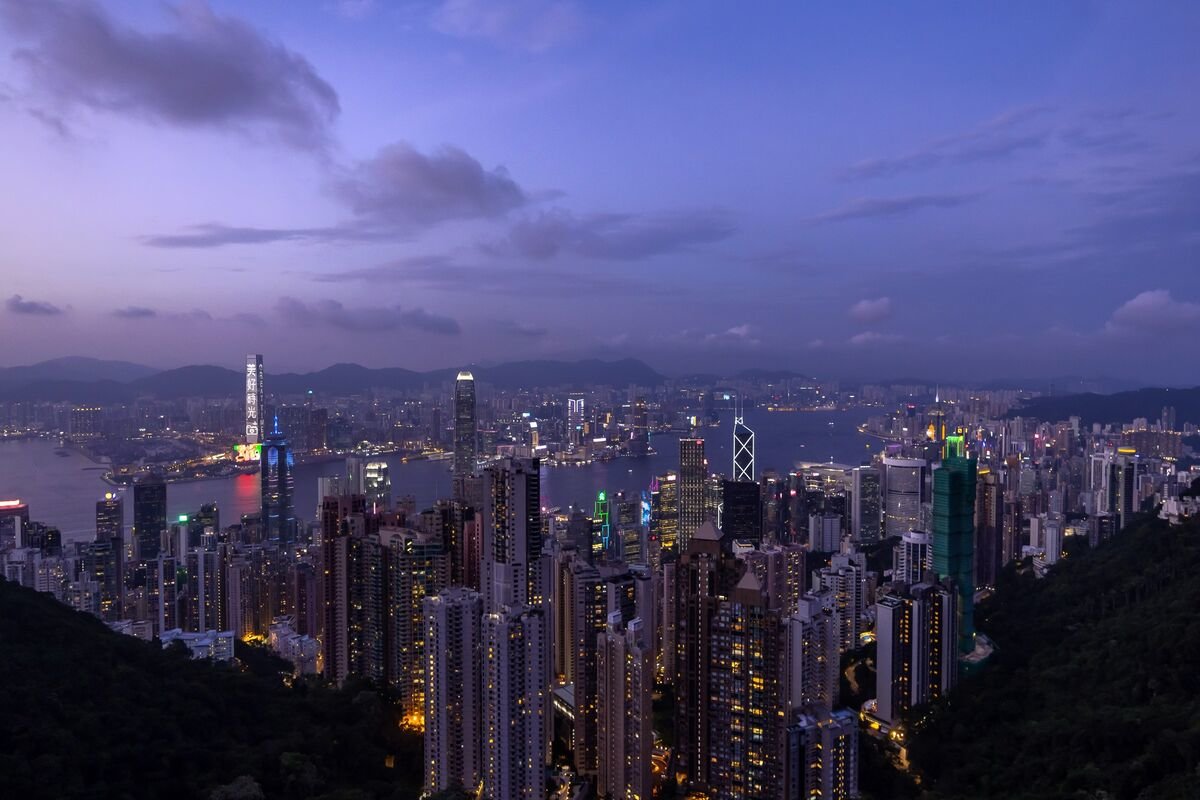
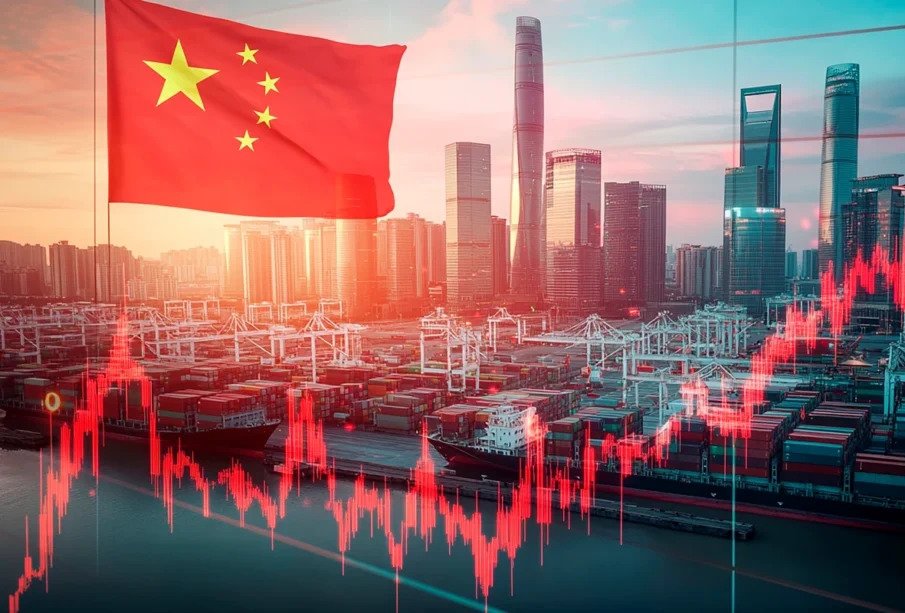
Hong Kong officials and policy analysts are assessing the city’s next strategic steps after the conclusion of China’s annual “two sessions” meetings in Beijing, where national leaders outlined economic priorities and development goals for the coming year.
The gatherings, which include the National People’s Congress and the Chinese People’s Political Consultative Conference, serve as a key platform for setting national policy direction.
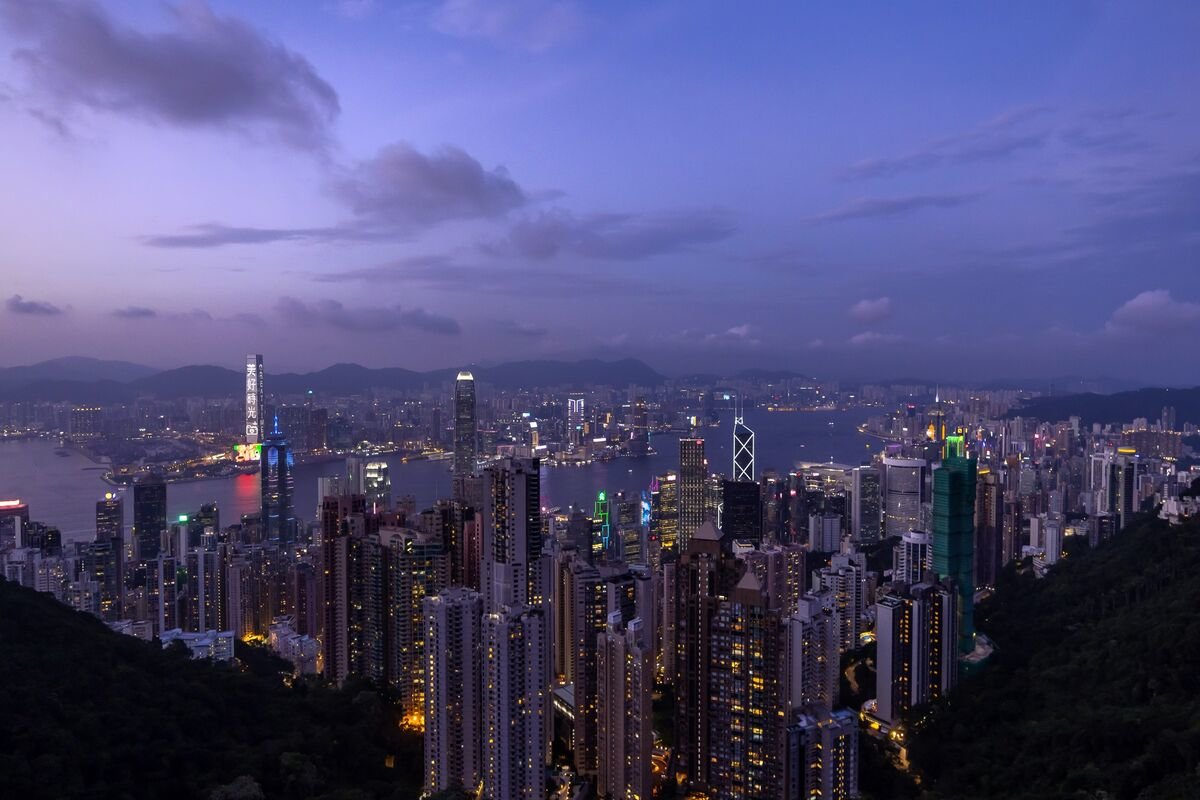
For Hong Kong, the meetings often signal how the city can align its economic strategy with broader national initiatives while strengthening its role as an international financial and commercial center.
Delegates from Hong Kong who attended the meetings said the discussions highlighted the importance of deeper integration with mainland China’s economic development, particularly through the Guangdong–Hong Kong–Macao Greater Bay Area.
The regional initiative aims to connect major cities across southern China into a powerful economic cluster focused on technology, finance and advanced manufacturing.
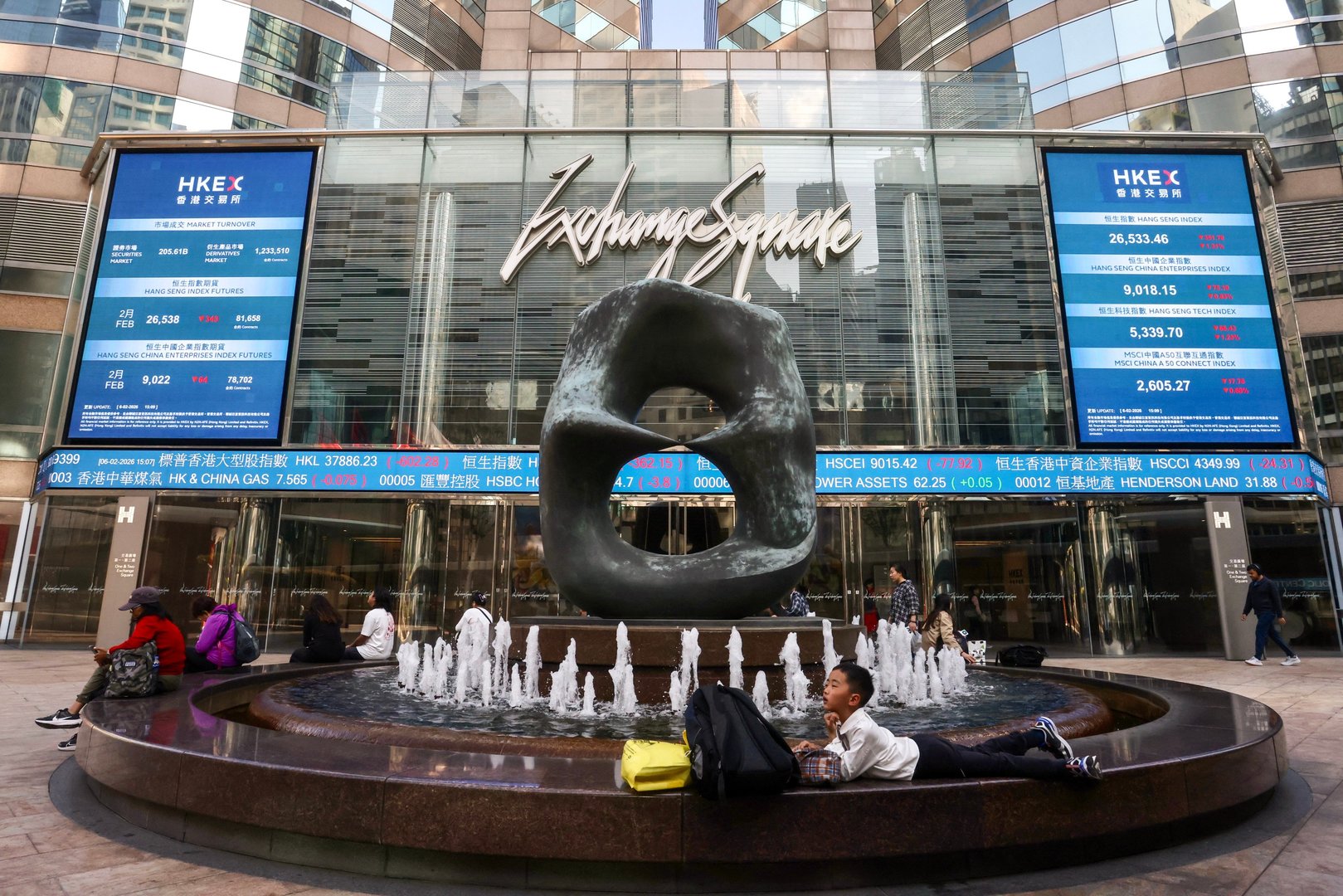
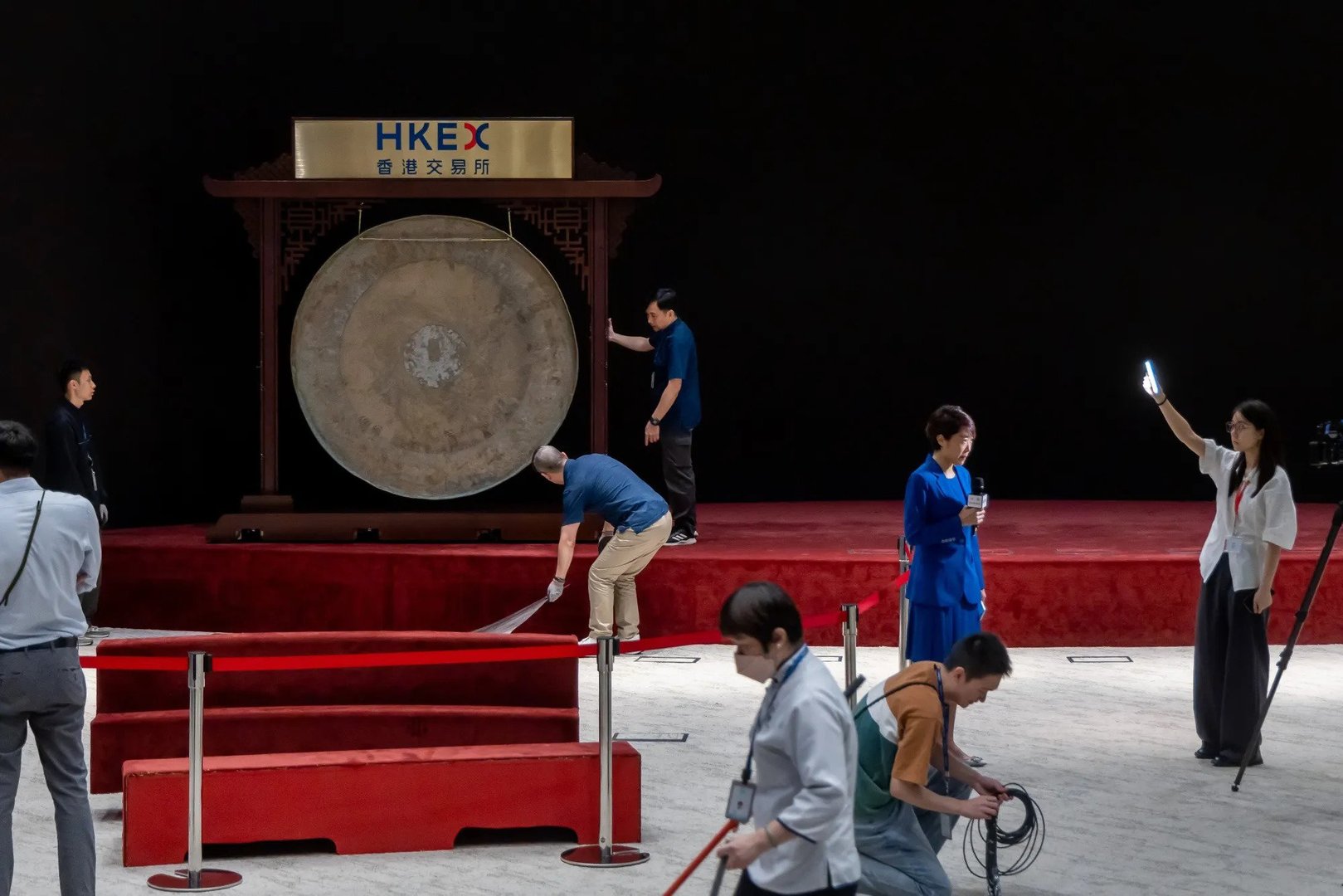
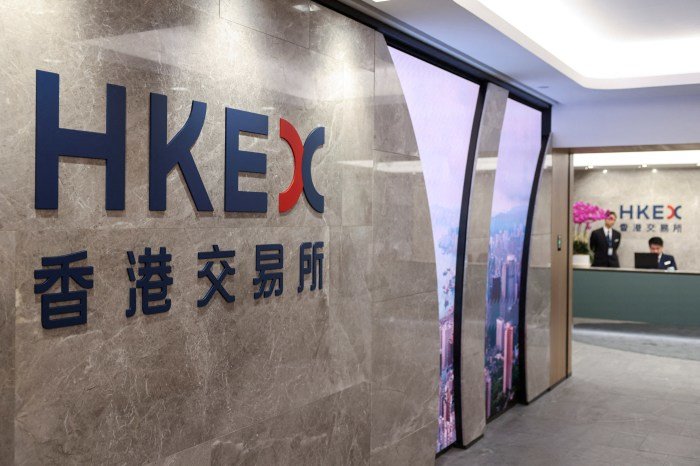
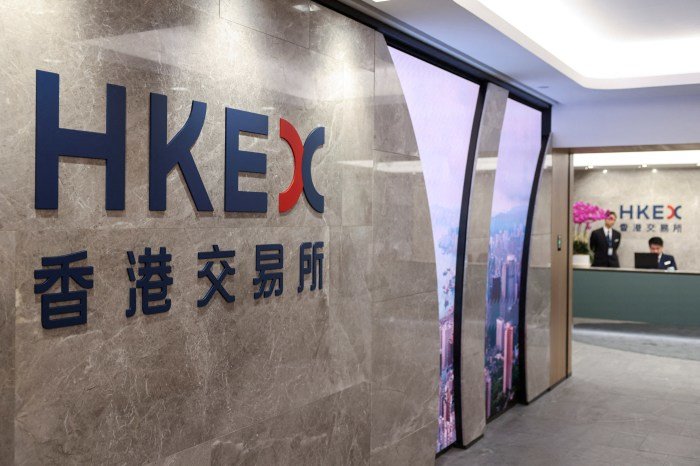
Local policymakers say one of Hong Kong’s priorities will be expanding its role as a global financial hub supporting mainland companies seeking international capital.
Officials have pointed to the city’s mature financial markets, legal framework and global investor networks as advantages that can help Chinese enterprises access overseas funding.
Another major theme emerging from the meetings is innovation and technology.
Delegates emphasized that Hong Kong can contribute more strongly to national research and development efforts, particularly in areas such as biotechnology, artificial intelligence and advanced medical research.
Strengthening collaboration between Hong Kong universities, research institutes and mainland technology centers is expected to be a key focus.
Housing supply and economic diversification were also widely discussed among Hong Kong representatives.
Increasing land supply and expanding industries beyond traditional finance and property sectors are seen as long-term priorities for maintaining economic resilience.
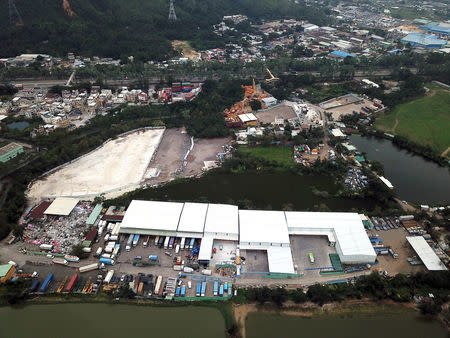
Several delegates suggested that Hong Kong should accelerate participation in cross-border infrastructure and logistics projects designed to enhance connectivity with mainland cities.
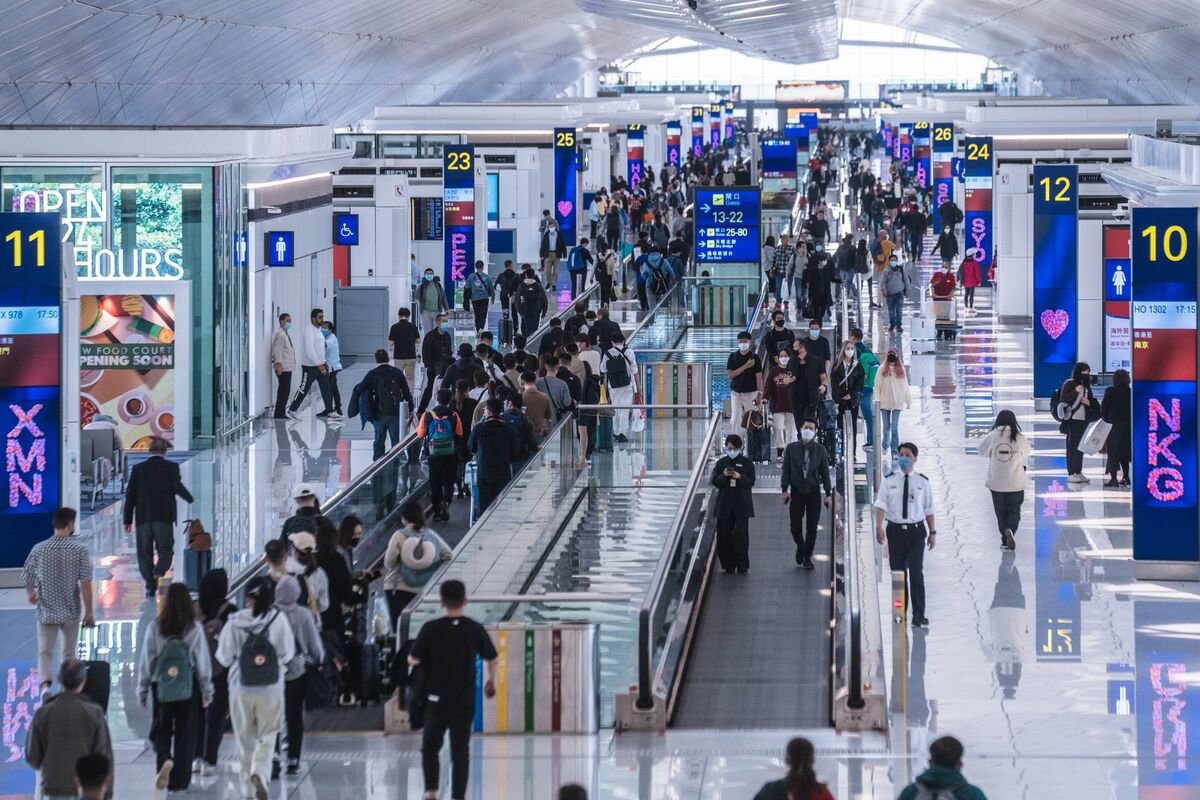
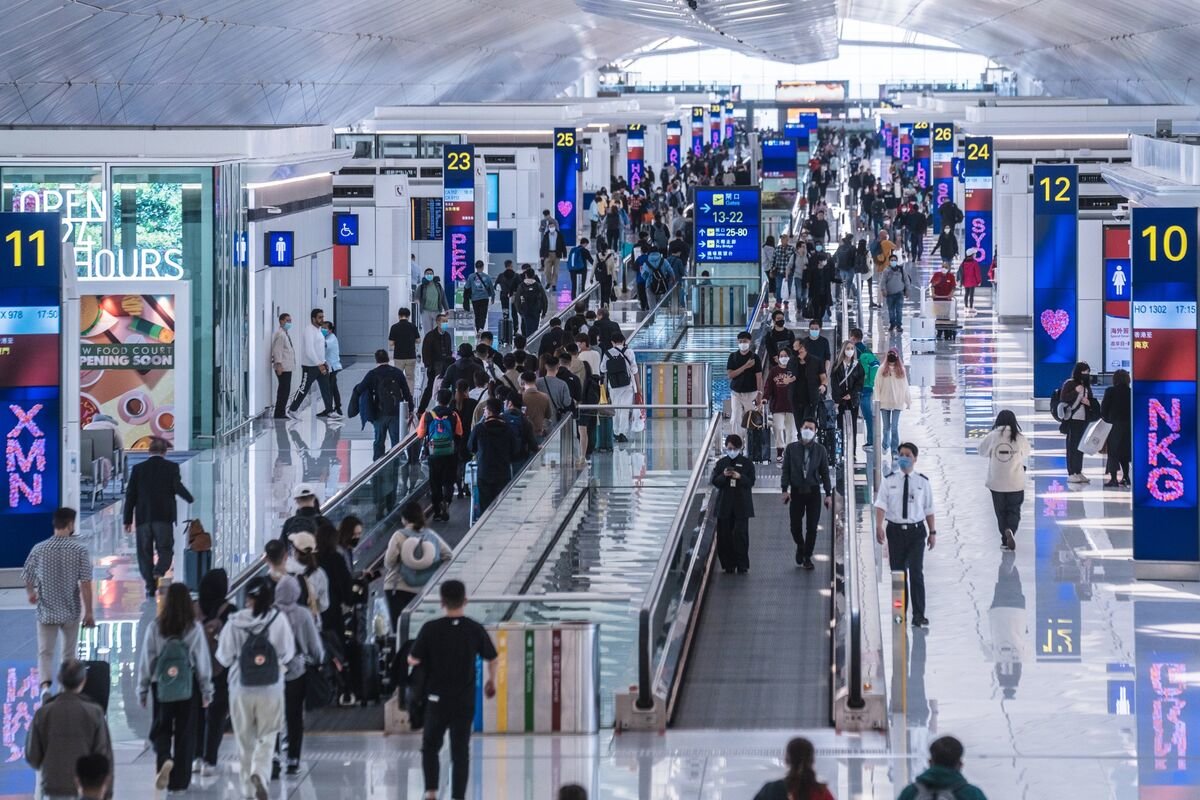
Improved transportation links and digital infrastructure could help businesses operate more seamlessly across the Greater Bay Area.
At the same time, officials have emphasized the importance of preserving Hong Kong’s distinct advantages as an international gateway.
Maintaining open markets, strong regulatory standards and a stable business environment remains central to the city’s long-term development strategy.
Analysts say the policy signals from Beijing reinforce the expectation that Hong Kong will continue serving as a bridge between mainland China and global markets.
The challenge for the city now lies in translating those broad priorities into concrete policies that strengthen competitiveness while supporting economic growth.
The gatherings, which include the National People’s Congress and the Chinese People’s Political Consultative Conference, serve as a key platform for setting national policy direction.
For Hong Kong, the meetings often signal how the city can align its economic strategy with broader national initiatives while strengthening its role as an international financial and commercial center.
Delegates from Hong Kong who attended the meetings said the discussions highlighted the importance of deeper integration with mainland China’s economic development, particularly through the Guangdong–Hong Kong–Macao Greater Bay Area.
The regional initiative aims to connect major cities across southern China into a powerful economic cluster focused on technology, finance and advanced manufacturing.
Local policymakers say one of Hong Kong’s priorities will be expanding its role as a global financial hub supporting mainland companies seeking international capital.
Officials have pointed to the city’s mature financial markets, legal framework and global investor networks as advantages that can help Chinese enterprises access overseas funding.
Another major theme emerging from the meetings is innovation and technology.
Delegates emphasized that Hong Kong can contribute more strongly to national research and development efforts, particularly in areas such as biotechnology, artificial intelligence and advanced medical research.
Strengthening collaboration between Hong Kong universities, research institutes and mainland technology centers is expected to be a key focus.
Housing supply and economic diversification were also widely discussed among Hong Kong representatives.
Increasing land supply and expanding industries beyond traditional finance and property sectors are seen as long-term priorities for maintaining economic resilience.
Several delegates suggested that Hong Kong should accelerate participation in cross-border infrastructure and logistics projects designed to enhance connectivity with mainland cities.
Improved transportation links and digital infrastructure could help businesses operate more seamlessly across the Greater Bay Area.
At the same time, officials have emphasized the importance of preserving Hong Kong’s distinct advantages as an international gateway.
Maintaining open markets, strong regulatory standards and a stable business environment remains central to the city’s long-term development strategy.
Analysts say the policy signals from Beijing reinforce the expectation that Hong Kong will continue serving as a bridge between mainland China and global markets.
The challenge for the city now lies in translating those broad priorities into concrete policies that strengthen competitiveness while supporting economic growth.