Regulators outline reforms designed to make Hong Kong’s stock market more competitive by easing certain listing requirements and expanding flexible share structures
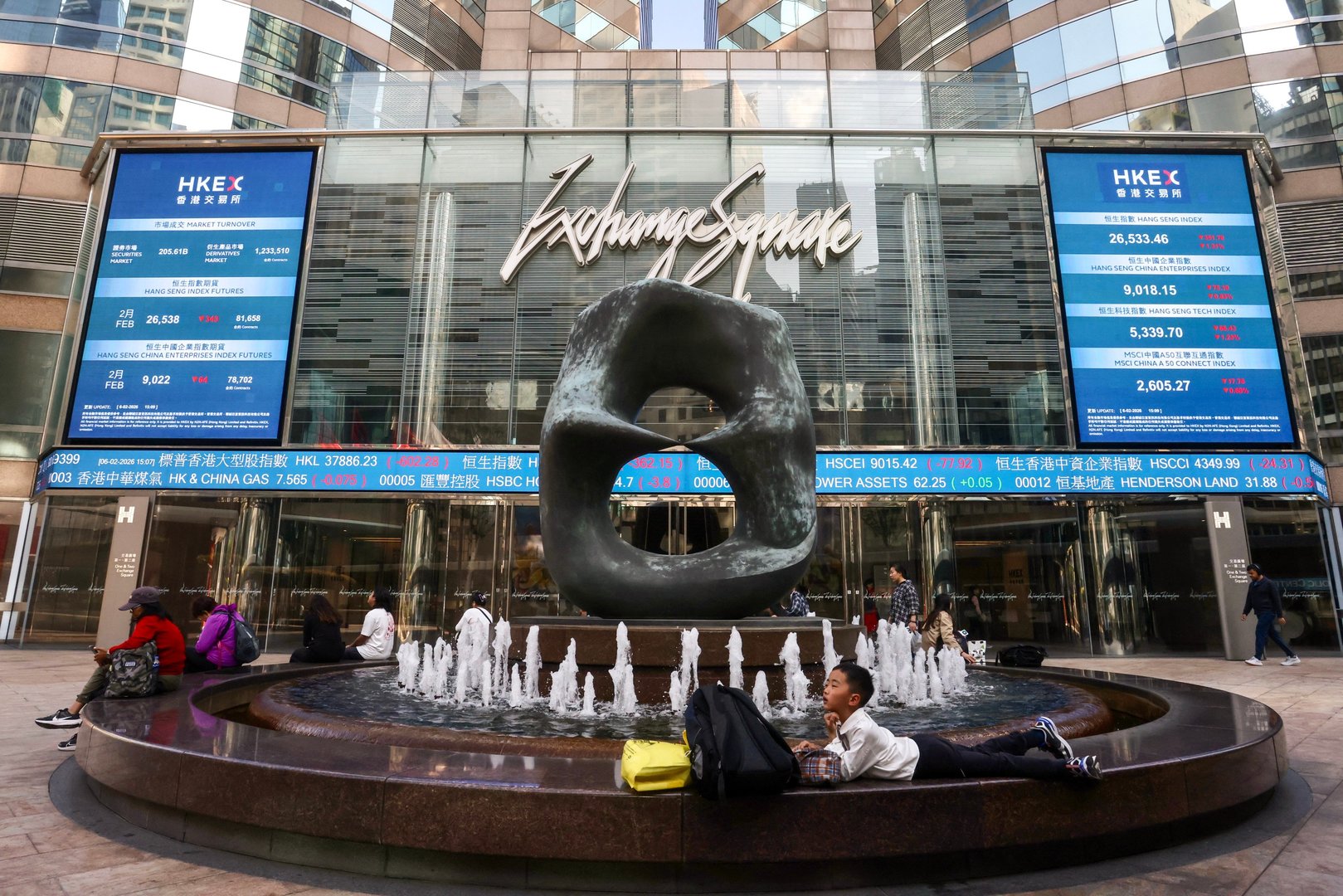
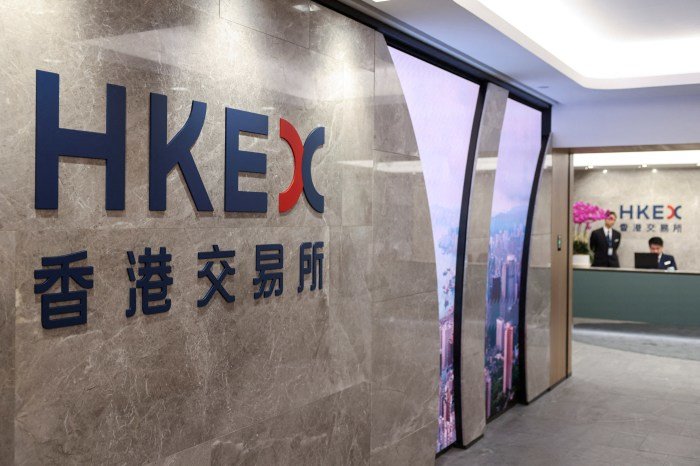
Hong Kong’s stock exchange has proposed a series of reforms aimed at easing listing rules in an effort to attract more companies to the city’s capital markets and reinforce its role as a leading global financial hub.
The proposed measures would relax several requirements for companies seeking to list on the Hong Kong Exchange, part of a broader strategy to strengthen the market’s competitiveness as international competition for initial public offerings intensifies.
Officials say the initiative is intended to make the exchange more appealing to high-growth technology firms and multinational companies considering listings outside their home markets.
Among the proposals are changes to share-structure rules that would give companies greater flexibility in issuing multiple classes of shares.
Such structures are commonly used by founders and technology entrepreneurs to retain strategic control of their companies after going public.
Regulators believe loosening these restrictions could make Hong Kong more attractive to innovative firms that previously chose other financial centers for their listings.
The exchange is also examining the expansion of confidential filing procedures, which allow companies to submit draft listing applications privately before publicly announcing their intention to go public.
Supporters say the approach reduces the risks companies face during the early stages of the listing process and gives businesses greater confidence to explore an offering without immediately exposing sensitive financial information.
At the same time, regulators are considering additional transparency measures designed to improve the quality of listing submissions.
One proposal would expand disclosure of advisers involved in initial public offering applications that are rejected because of major errors or deficiencies, creating stronger incentives for banks, lawyers and auditors to ensure filings meet required standards.
The reforms come as Hong Kong’s capital markets have experienced renewed activity following a period of subdued dealmaking during the pandemic years.
The city has recently regained momentum as a destination for public offerings, including listings by companies seeking international capital while maintaining strong ties with mainland China.
Market observers say the proposed changes highlight the exchange’s effort to balance two priorities: maintaining rigorous regulatory standards while ensuring that Hong Kong remains competitive with rival financial centers such as New York, London and Singapore.
The consultation period for the reforms will allow industry participants, investors and professional advisers to provide feedback before any final changes are implemented.
Regulators say the goal is to refine the framework so that Hong Kong can continue attracting global companies while maintaining investor confidence in the integrity of its markets.
The proposed measures would relax several requirements for companies seeking to list on the Hong Kong Exchange, part of a broader strategy to strengthen the market’s competitiveness as international competition for initial public offerings intensifies.
Officials say the initiative is intended to make the exchange more appealing to high-growth technology firms and multinational companies considering listings outside their home markets.
Among the proposals are changes to share-structure rules that would give companies greater flexibility in issuing multiple classes of shares.
Such structures are commonly used by founders and technology entrepreneurs to retain strategic control of their companies after going public.
Regulators believe loosening these restrictions could make Hong Kong more attractive to innovative firms that previously chose other financial centers for their listings.
The exchange is also examining the expansion of confidential filing procedures, which allow companies to submit draft listing applications privately before publicly announcing their intention to go public.
Supporters say the approach reduces the risks companies face during the early stages of the listing process and gives businesses greater confidence to explore an offering without immediately exposing sensitive financial information.
At the same time, regulators are considering additional transparency measures designed to improve the quality of listing submissions.
One proposal would expand disclosure of advisers involved in initial public offering applications that are rejected because of major errors or deficiencies, creating stronger incentives for banks, lawyers and auditors to ensure filings meet required standards.
The reforms come as Hong Kong’s capital markets have experienced renewed activity following a period of subdued dealmaking during the pandemic years.
The city has recently regained momentum as a destination for public offerings, including listings by companies seeking international capital while maintaining strong ties with mainland China.
Market observers say the proposed changes highlight the exchange’s effort to balance two priorities: maintaining rigorous regulatory standards while ensuring that Hong Kong remains competitive with rival financial centers such as New York, London and Singapore.
The consultation period for the reforms will allow industry participants, investors and professional advisers to provide feedback before any final changes are implemented.
Regulators say the goal is to refine the framework so that Hong Kong can continue attracting global companies while maintaining investor confidence in the integrity of its markets.