Officials highlight connectivity with mainland China, expanding capital markets and regional access as key advantages for global investors
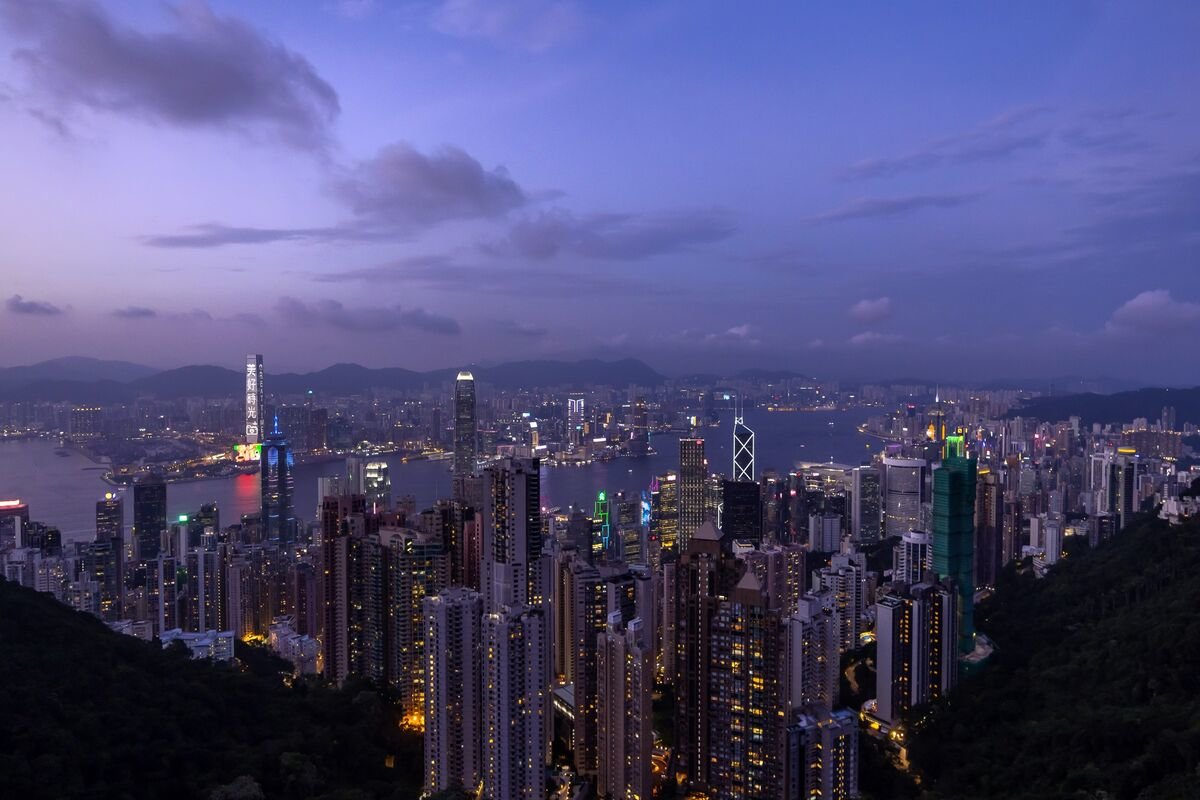
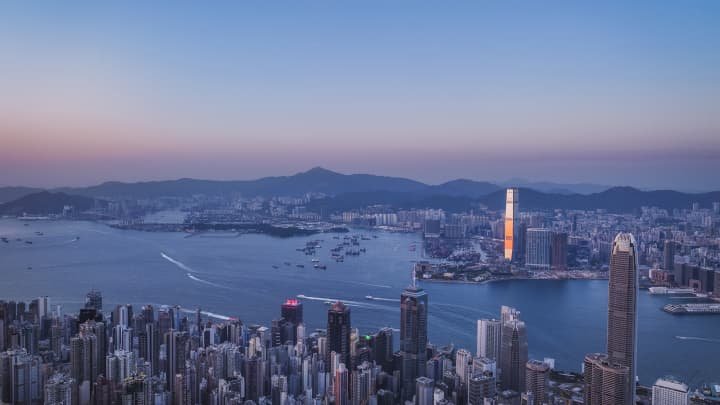
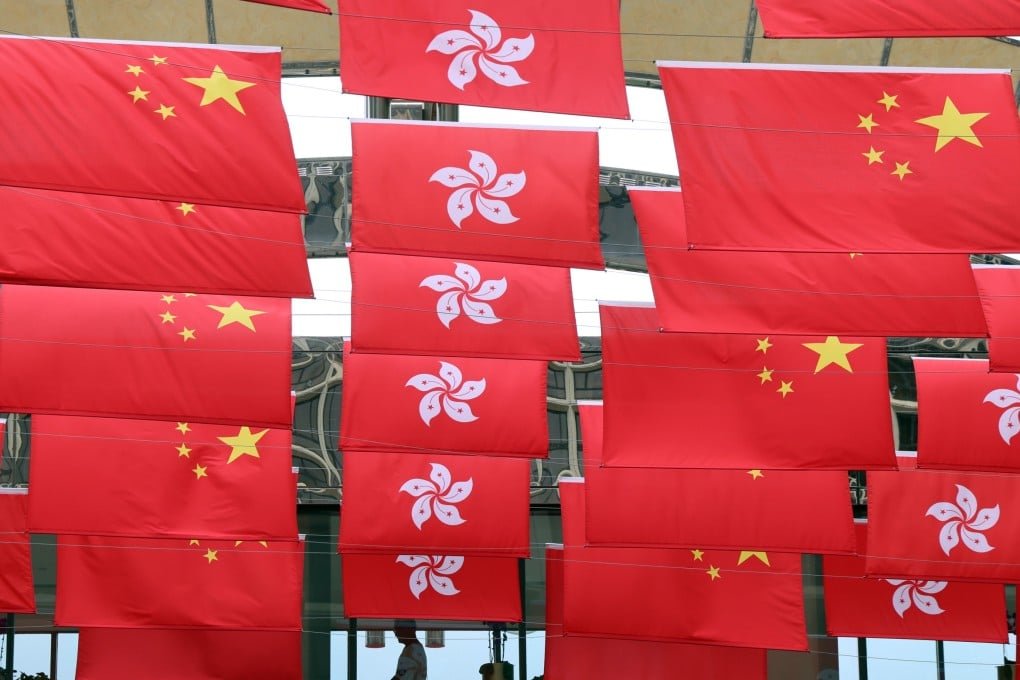
Hong Kong is strengthening its position as a leading investment gateway for the Asia-Pacific region in 2026, with officials and financial leaders emphasizing the city’s strategic connectivity, deep capital markets and access to mainland China as core advantages for international investors.
The city’s financial authorities have outlined a strategy focused on reinforcing Hong Kong’s role as a bridge between global capital and Asian growth opportunities.
Central to that approach is the continued expansion of cross-border investment programs linking Hong Kong with mainland China’s vast financial markets.
Initiatives such as Stock Connect, Bond Connect and Wealth Management Connect allow global investors to access Chinese equities, bonds and wealth products through Hong Kong’s regulated financial infrastructure.
Market participants say these connectivity mechanisms have significantly expanded the range of opportunities available to international investors while preserving strong regulatory oversight.
The programs also support Chinese companies seeking international capital, reinforcing Hong Kong’s long-standing role as a financial gateway between China and the rest of the world.
Beyond mainland access, Hong Kong’s broader regional reach across Asia-Pacific markets remains a key part of its investment appeal.
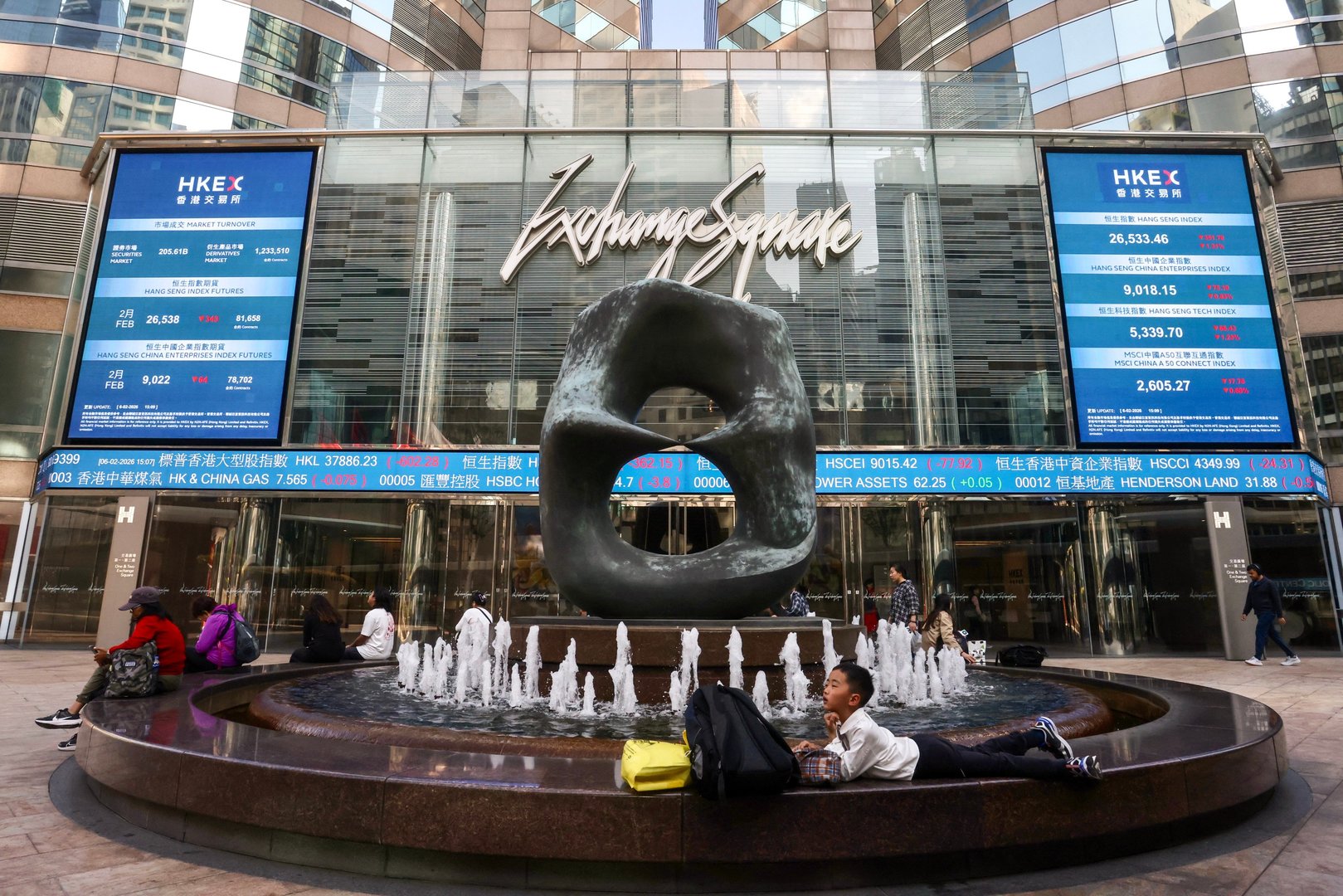
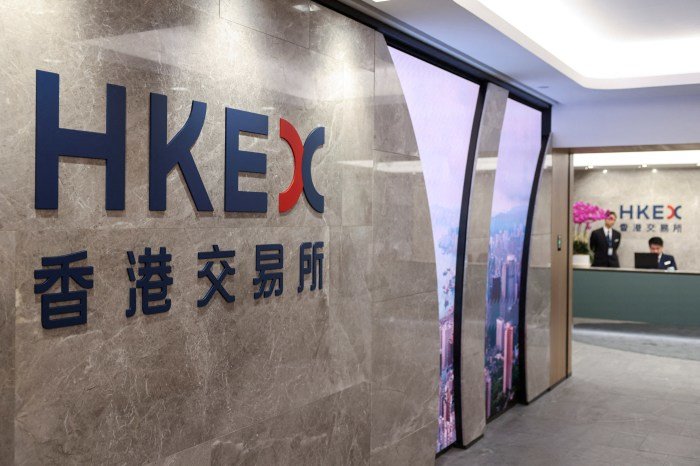
The city hosts one of the region’s largest stock exchanges and serves as a major hub for asset management, private banking and international finance.
Global investors use Hong Kong as a base for allocating capital across emerging Asian economies, including Southeast Asia and fast-growing technology sectors throughout the region.
Authorities are also promoting reforms aimed at strengthening the competitiveness of the city’s capital markets.
Proposed adjustments to listing rules, expanded confidential filing processes and other regulatory updates are designed to attract high-growth companies while maintaining transparency and investor protection.
Financial industry leaders say Hong Kong’s legal framework, deep liquidity and convertible currency provide a unique platform for global capital flows in Asia.
The city’s common-law system, independent financial regulation and strong institutional infrastructure continue to differentiate it from many other regional financial centers.
Despite global economic uncertainty and shifting geopolitical dynamics, analysts note that Hong Kong remains one of the world’s largest venues for equity fundraising and cross-border finance.
The city’s ability to connect international investors with opportunities across mainland China and the wider Asia-Pacific region is expected to remain a central pillar of its financial strategy in the coming years.
As governments and companies across Asia pursue new investment and infrastructure projects, Hong Kong’s combination of market access, financial expertise and regional connectivity is likely to play an increasingly important role in channeling global capital into the region.
The city’s financial authorities have outlined a strategy focused on reinforcing Hong Kong’s role as a bridge between global capital and Asian growth opportunities.
Central to that approach is the continued expansion of cross-border investment programs linking Hong Kong with mainland China’s vast financial markets.
Initiatives such as Stock Connect, Bond Connect and Wealth Management Connect allow global investors to access Chinese equities, bonds and wealth products through Hong Kong’s regulated financial infrastructure.
Market participants say these connectivity mechanisms have significantly expanded the range of opportunities available to international investors while preserving strong regulatory oversight.
The programs also support Chinese companies seeking international capital, reinforcing Hong Kong’s long-standing role as a financial gateway between China and the rest of the world.
Beyond mainland access, Hong Kong’s broader regional reach across Asia-Pacific markets remains a key part of its investment appeal.
The city hosts one of the region’s largest stock exchanges and serves as a major hub for asset management, private banking and international finance.
Global investors use Hong Kong as a base for allocating capital across emerging Asian economies, including Southeast Asia and fast-growing technology sectors throughout the region.
Authorities are also promoting reforms aimed at strengthening the competitiveness of the city’s capital markets.
Proposed adjustments to listing rules, expanded confidential filing processes and other regulatory updates are designed to attract high-growth companies while maintaining transparency and investor protection.
Financial industry leaders say Hong Kong’s legal framework, deep liquidity and convertible currency provide a unique platform for global capital flows in Asia.
The city’s common-law system, independent financial regulation and strong institutional infrastructure continue to differentiate it from many other regional financial centers.
Despite global economic uncertainty and shifting geopolitical dynamics, analysts note that Hong Kong remains one of the world’s largest venues for equity fundraising and cross-border finance.
The city’s ability to connect international investors with opportunities across mainland China and the wider Asia-Pacific region is expected to remain a central pillar of its financial strategy in the coming years.
As governments and companies across Asia pursue new investment and infrastructure projects, Hong Kong’s combination of market access, financial expertise and regional connectivity is likely to play an increasingly important role in channeling global capital into the region.