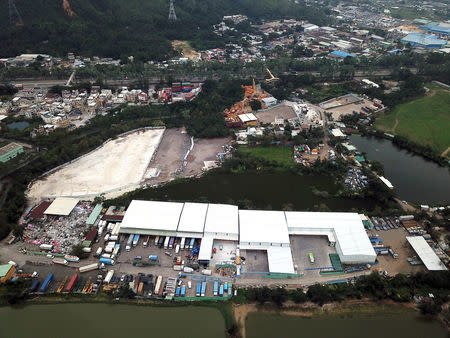
Government and planners increasingly examine underused countryside areas as a possible solution to the city’s chronic housing and land constraints
Hong Kong’s vast rural hinterland is drawing renewed attention from policymakers and planners as authorities search for long-term solutions to the city’s chronic shortage of developable land.
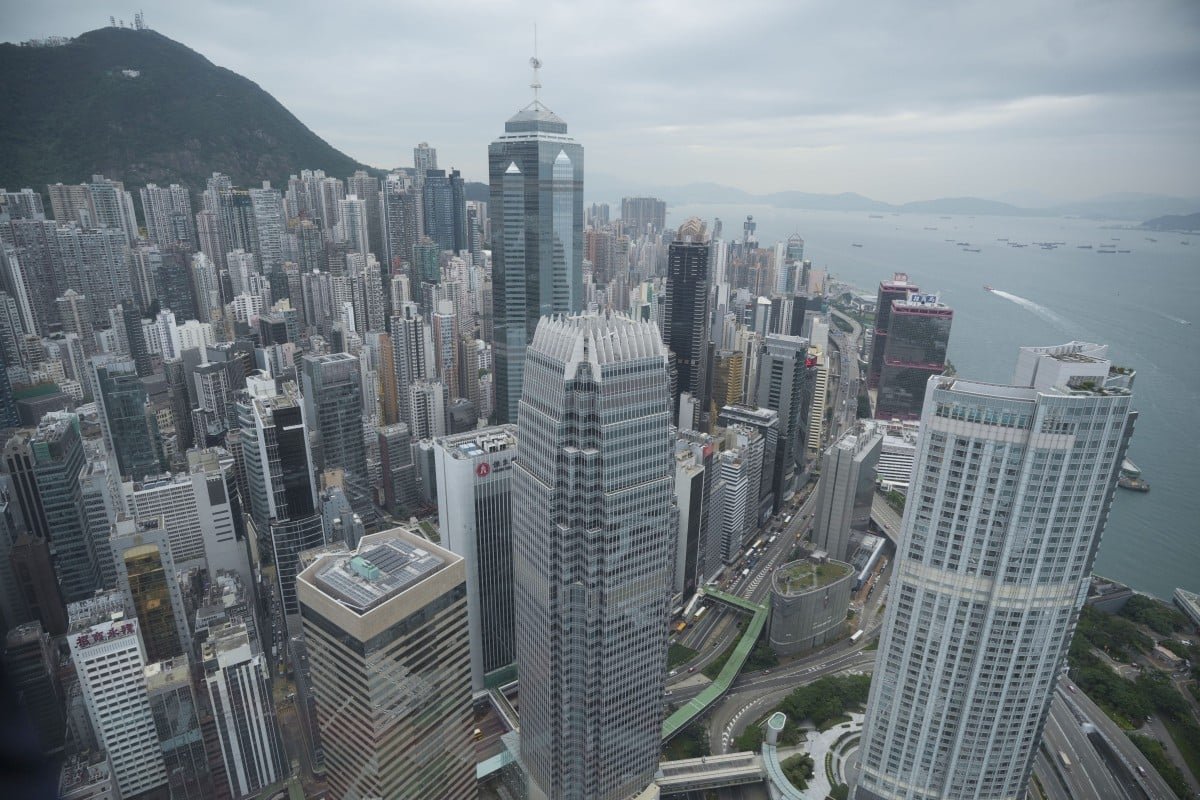
Much of Hong Kong’s population is concentrated in dense urban districts, yet large portions of the territory remain rural, including farmland, villages and extensive greenbelt zones across the New Territories.
Urban planners and officials say these areas could play a greater role in addressing housing shortages that have driven property prices to some of the highest levels in the world.
For decades, the city’s land debate has centered on options such as large-scale reclamation projects, redevelopment of aging urban neighborhoods and the conversion of industrial sites.
However, attention is increasingly turning to rural districts where significant areas remain underutilized or lightly developed.
Proposals under discussion include modernizing infrastructure in rural areas, reorganizing fragmented land ownership and introducing planned communities that integrate housing with transportation and public services.
Advocates argue that such measures could unlock land for residential development while spreading growth more evenly across the territory.
Some planners suggest that transforming parts of the rural landscape could ease pressure on overcrowded districts and create new economic opportunities outside the traditional urban core.
Improved rail and road links are seen as essential for making rural areas viable for large-scale housing and commercial activity.
The debate, however, also raises complex questions about conservation and the preservation of traditional village life.
Environmental groups warn that large development projects could threaten wetlands, farmland and biodiversity that form an important part of Hong Kong’s natural heritage.
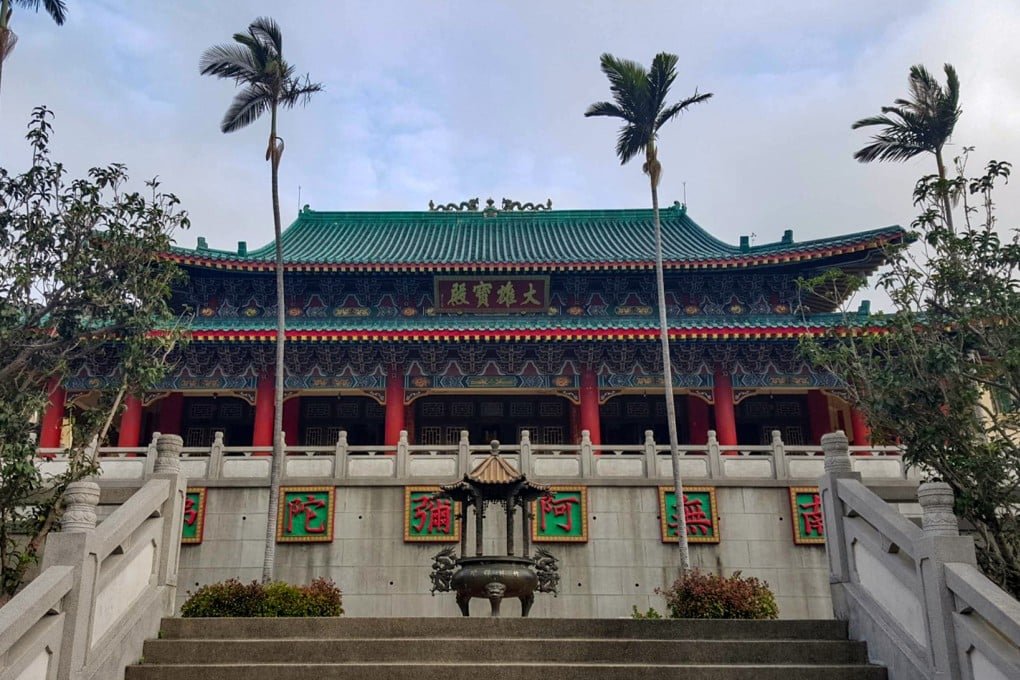
Local villagers have also voiced concerns about how redevelopment could affect ancestral land rights and long-standing rural traditions.
Hong Kong’s system of indigenous village rights and complex land ownership structures often complicates attempts to consolidate parcels for new projects.
Officials say any effort to develop rural land would need to balance housing needs with environmental protection and community interests.
Government planners have emphasized that rural development would likely proceed gradually and alongside other land-supply strategies already underway.
Despite the challenges, the growing focus on the countryside reflects the scale of Hong Kong’s housing pressures.
With limited space in the urban core and continued demand for homes, the city’s rural hinterland may increasingly be viewed as an essential part of the long-term strategy to expand land supply and address one of the territory’s most persistent urban challenges.
Much of Hong Kong’s population is concentrated in dense urban districts, yet large portions of the territory remain rural, including farmland, villages and extensive greenbelt zones across the New Territories.
Urban planners and officials say these areas could play a greater role in addressing housing shortages that have driven property prices to some of the highest levels in the world.
For decades, the city’s land debate has centered on options such as large-scale reclamation projects, redevelopment of aging urban neighborhoods and the conversion of industrial sites.
However, attention is increasingly turning to rural districts where significant areas remain underutilized or lightly developed.
Proposals under discussion include modernizing infrastructure in rural areas, reorganizing fragmented land ownership and introducing planned communities that integrate housing with transportation and public services.
Advocates argue that such measures could unlock land for residential development while spreading growth more evenly across the territory.
Some planners suggest that transforming parts of the rural landscape could ease pressure on overcrowded districts and create new economic opportunities outside the traditional urban core.
Improved rail and road links are seen as essential for making rural areas viable for large-scale housing and commercial activity.
The debate, however, also raises complex questions about conservation and the preservation of traditional village life.
Environmental groups warn that large development projects could threaten wetlands, farmland and biodiversity that form an important part of Hong Kong’s natural heritage.
Local villagers have also voiced concerns about how redevelopment could affect ancestral land rights and long-standing rural traditions.
Hong Kong’s system of indigenous village rights and complex land ownership structures often complicates attempts to consolidate parcels for new projects.
Officials say any effort to develop rural land would need to balance housing needs with environmental protection and community interests.
Government planners have emphasized that rural development would likely proceed gradually and alongside other land-supply strategies already underway.
Despite the challenges, the growing focus on the countryside reflects the scale of Hong Kong’s housing pressures.
With limited space in the urban core and continued demand for homes, the city’s rural hinterland may increasingly be viewed as an essential part of the long-term strategy to expand land supply and address one of the territory’s most persistent urban challenges.