Technology giant begins rolling out its flagship generative AI platform locally as the city accelerates its push to become a regional artificial intelligence hub
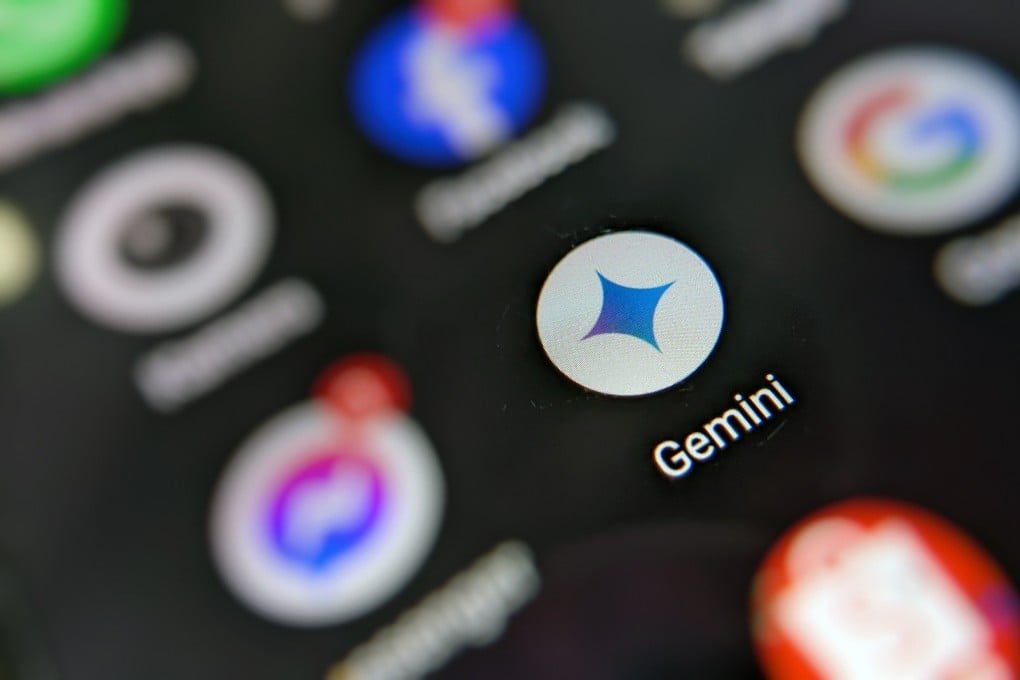
Google is preparing to expand access to its Gemini generative artificial intelligence platform to all users in Hong Kong, marking a significant shift for the city’s technology landscape as authorities and industry leaders intensify efforts to strengthen its position in the global AI economy.
The rollout will begin with the Gemini web application, allowing residents to use the chatbot and AI assistant directly without relying on workarounds.
A mobile version of the service is expected to follow, extending the platform’s capabilities to smartphones and integrating the tool more deeply into daily productivity workflows.
For many users in Hong Kong, the change will remove barriers that previously limited direct access to leading AI models.
Until now, residents often relied on virtual private networks or third-party platforms to reach generative AI tools from global developers, as some companies had restricted services in the region due to regulatory or compliance considerations.
Local technology leaders say the expanded availability of Gemini could help accelerate innovation and digital productivity in the city.
Google executives described the rollout as part of a broader commitment to support Hong Kong’s technology ecosystem and enable more individuals and businesses to harness the benefits of artificial intelligence.
Gemini is designed as a multimodal AI system capable of understanding and generating text, images and audio.
The platform can assist users with writing, research, coding, creative content production and data analysis, while also generating multimedia outputs such as images and music.
These capabilities have positioned generative AI tools as powerful assistants for students, developers, entrepreneurs and creative professionals.
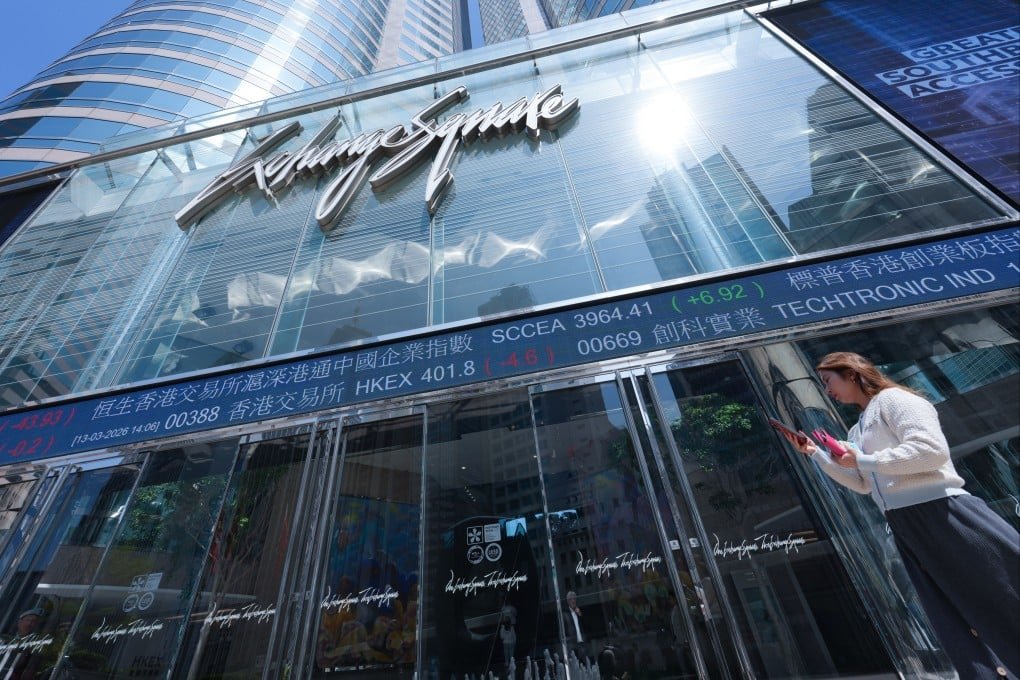
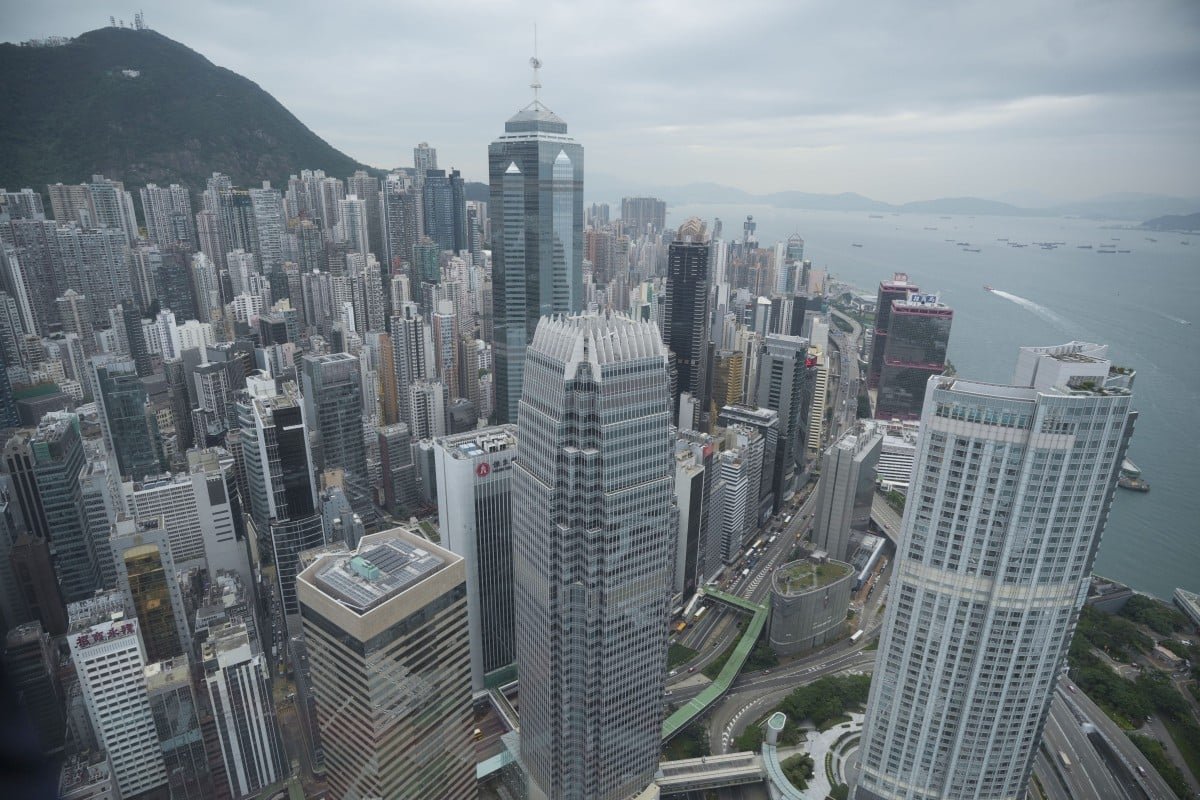
The launch comes as Hong Kong intensifies its broader AI development strategy.
Policymakers and technology groups have been promoting the city as a regional innovation centre, encouraging investment in artificial intelligence research, digital infrastructure and cross-border technology collaboration within the Greater Bay Area.
Industry observers say direct access to global AI platforms could significantly improve the local technology environment by giving businesses and creators tools that are already widely used in other major innovation hubs.
Wider availability may also help standardise workplace adoption of generative AI across sectors ranging from finance and education to media and design.
By bringing its flagship AI platform to Hong Kong users, Google is expected to deepen competition in the city’s fast-growing AI sector while opening new opportunities for productivity, experimentation and creative development.
The rollout will begin with the Gemini web application, allowing residents to use the chatbot and AI assistant directly without relying on workarounds.
A mobile version of the service is expected to follow, extending the platform’s capabilities to smartphones and integrating the tool more deeply into daily productivity workflows.
For many users in Hong Kong, the change will remove barriers that previously limited direct access to leading AI models.
Until now, residents often relied on virtual private networks or third-party platforms to reach generative AI tools from global developers, as some companies had restricted services in the region due to regulatory or compliance considerations.
Local technology leaders say the expanded availability of Gemini could help accelerate innovation and digital productivity in the city.
Google executives described the rollout as part of a broader commitment to support Hong Kong’s technology ecosystem and enable more individuals and businesses to harness the benefits of artificial intelligence.
Gemini is designed as a multimodal AI system capable of understanding and generating text, images and audio.
The platform can assist users with writing, research, coding, creative content production and data analysis, while also generating multimedia outputs such as images and music.
These capabilities have positioned generative AI tools as powerful assistants for students, developers, entrepreneurs and creative professionals.
The launch comes as Hong Kong intensifies its broader AI development strategy.
Policymakers and technology groups have been promoting the city as a regional innovation centre, encouraging investment in artificial intelligence research, digital infrastructure and cross-border technology collaboration within the Greater Bay Area.
Industry observers say direct access to global AI platforms could significantly improve the local technology environment by giving businesses and creators tools that are already widely used in other major innovation hubs.
Wider availability may also help standardise workplace adoption of generative AI across sectors ranging from finance and education to media and design.
By bringing its flagship AI platform to Hong Kong users, Google is expected to deepen competition in the city’s fast-growing AI sector while opening new opportunities for productivity, experimentation and creative development.