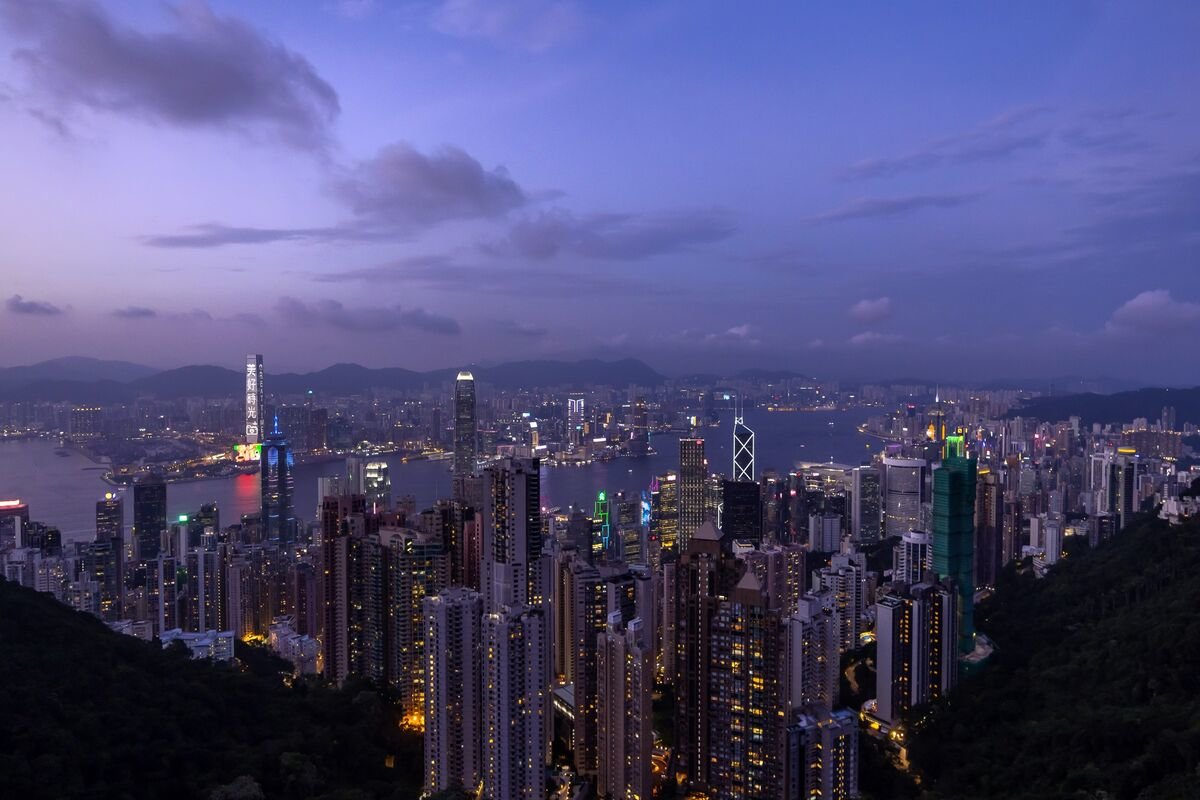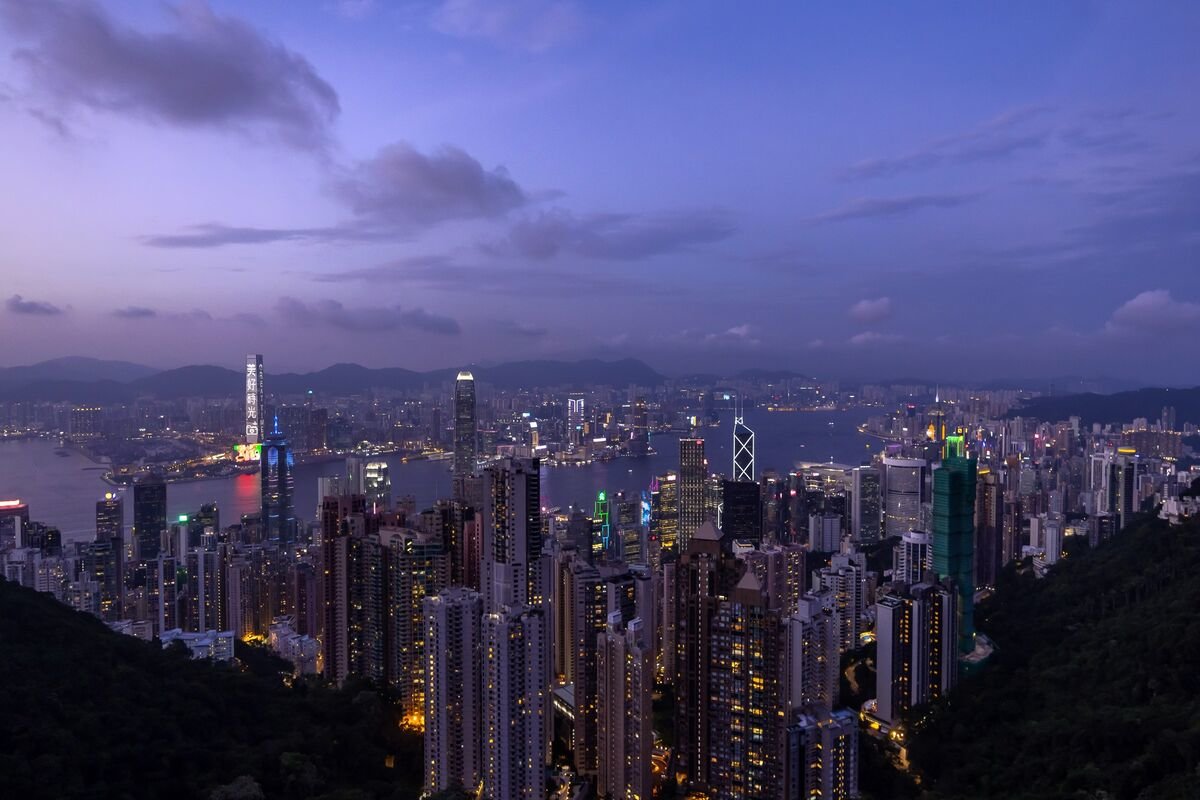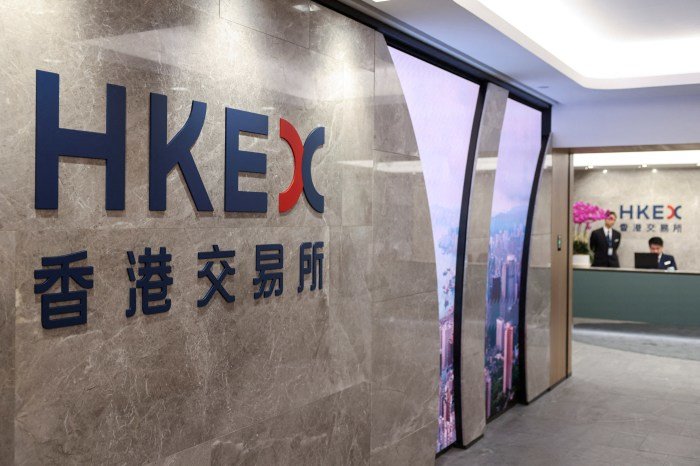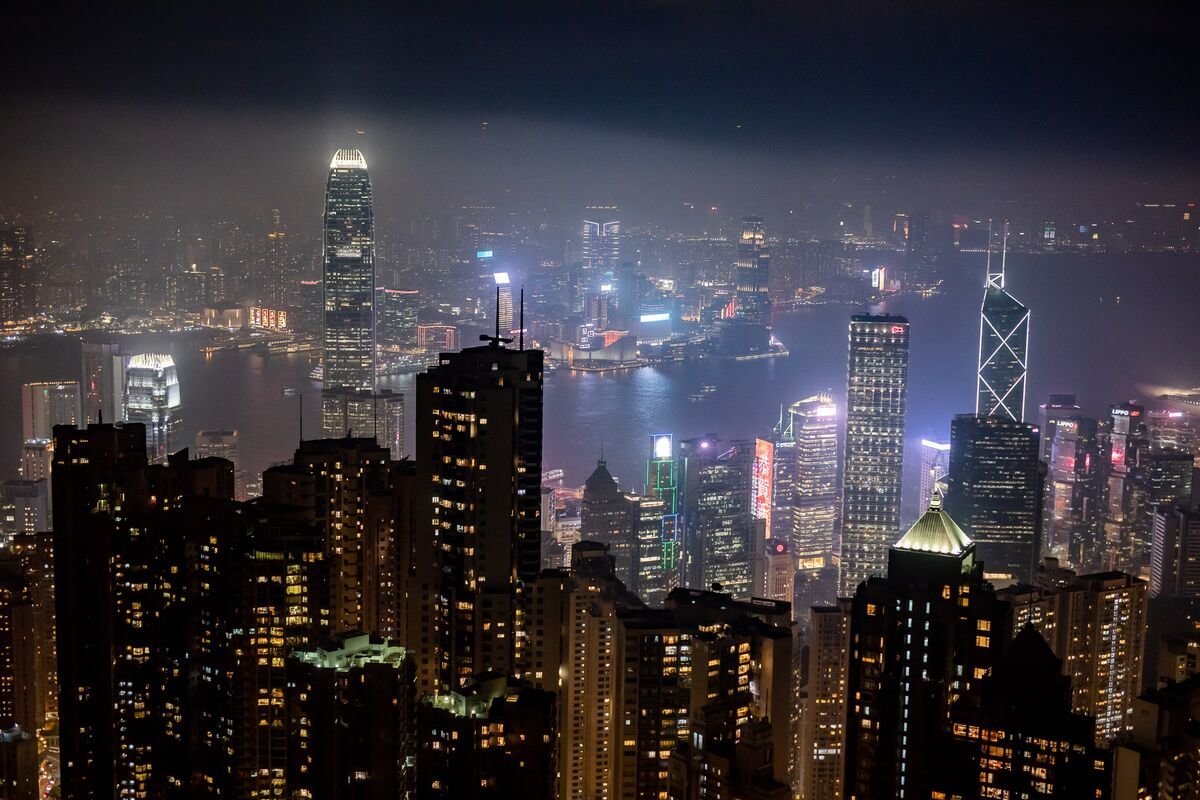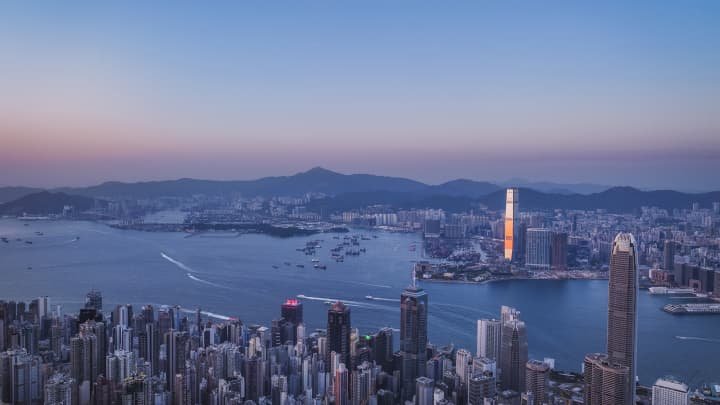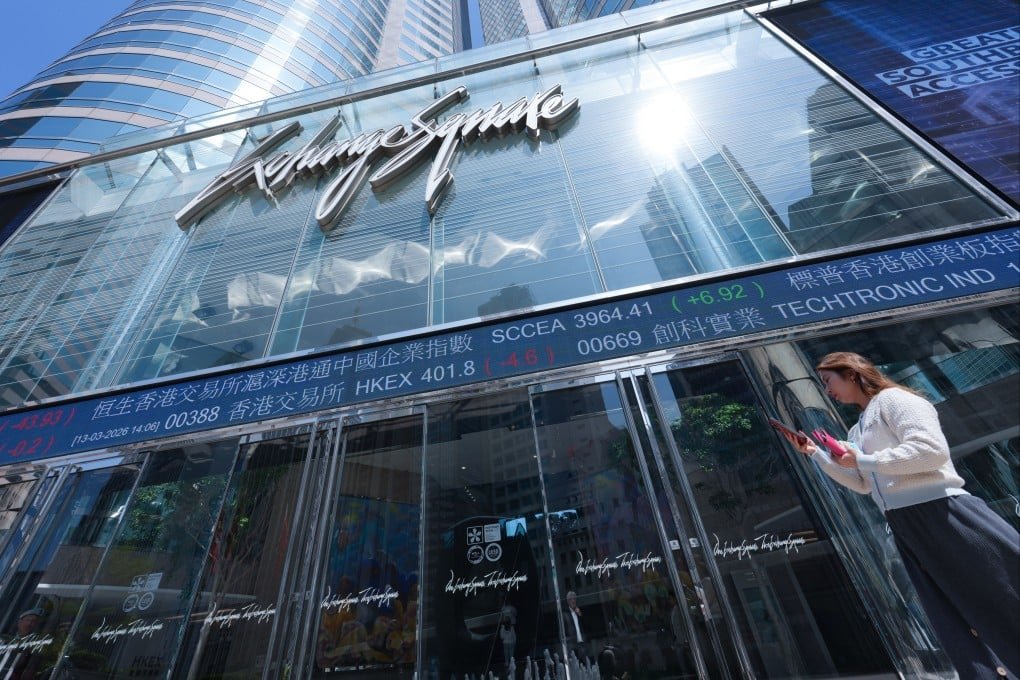
Investors remain cautious as rising energy prices and uncertainty around Middle East conflict pressure Hong Kong equities.
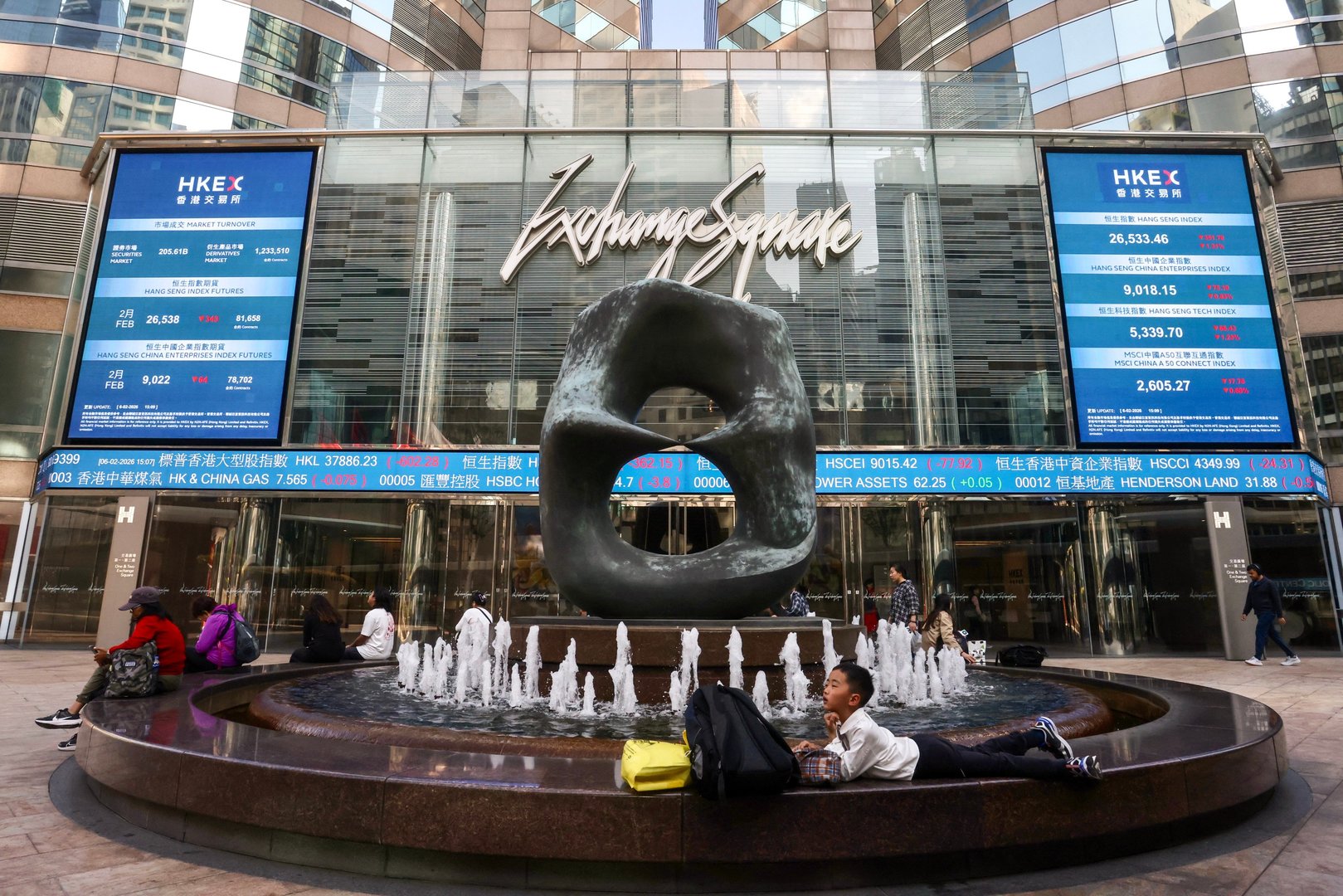
Hong Kong’s stock market edged lower as investor sentiment remained fragile amid escalating tensions between the United States and Iran and growing fears of disruptions to global oil supplies.

The benchmark Hang Seng Index slipped slightly during trading, reflecting a cautious mood among investors who are closely monitoring geopolitical developments and their potential impact on global energy markets.

Analysts say concerns about supply disruptions in the Middle East have contributed to volatility across Asian equities.

Energy prices have surged in recent weeks as the conflict intensifies, with crude oil climbing above one hundred dollars a barrel amid fears that shipments through the Strait of Hormuz could be restricted.

The waterway is one of the world’s most important energy corridors, carrying a large share of globally traded oil and gas.

The rise in energy costs has amplified worries about inflation and slower economic growth in major economies.

The geopolitical standoff has prompted investors to shift toward safer assets such as gold while reducing exposure to risk-sensitive sectors including technology, consumer goods and shipping.

Companies that depend heavily on fuel costs have faced additional pressure as higher oil prices threaten to increase operating expenses.

Market strategists say Hong Kong’s equity market is particularly sensitive to global trade and energy shocks because of the city’s role as a major financial and logistics hub linking mainland China with international markets.

When geopolitical tensions intensify, capital flows can shift rapidly as investors reassess risk across emerging and developed markets.

Across the Asia-Pacific region, stock performance has been mixed as traders respond to developments in the Middle East and movements in oil prices.

Some markets have posted modest gains, while others have slipped as global investors weigh the economic implications of the conflict and the potential for further energy disruptions.

Despite the day’s slight decline, analysts say market direction in the coming weeks will likely depend on whether tensions between Washington and Tehran ease or escalate further.

Oil prices, energy supply stability and broader geopolitical developments remain the key factors shaping investor sentiment in Hong Kong and across global financial markets.
New autonomous robot designed to assist kitchens and restaurants highlights the city’s push to integrate artificial intelligence into everyday business operations.
Hong Kong has introduced its first artificial-intelligence-powered smart catering robot, marking a new step in the city’s effort to apply advanced technology to the food and hospitality sector.

The robot, designed to assist restaurants and catering operations, combines AI software with automated cooking and service systems capable of preparing dishes, managing kitchen workflows and delivering meals.

Developers say the system can analyse recipes, monitor cooking conditions and maintain consistent quality while reducing the workload on human kitchen staff.

The launch reflects a broader push in Hong Kong to integrate robotics and artificial intelligence into commercial services, particularly in industries facing labour shortages or rising operating costs.

Restaurants and catering businesses have increasingly turned to automation to streamline operations while maintaining efficiency during busy service periods.

The smart catering robot is equipped with sensors and machine-learning technology that allow it to recognise ingredients, control cooking temperatures and coordinate tasks such as plating and delivery.

Some models are designed to move autonomously within kitchens or dining areas, helping to transport food between preparation stations and service tables.

Developers say the technology can support chefs by handling repetitive tasks while leaving creative decision-making and menu development to human staff.

In busy restaurant environments, automated systems can also improve hygiene standards by limiting unnecessary human contact with ingredients and utensils.

Hong Kong’s hospitality sector has been actively exploring robotics as part of a broader modernization strategy.

Several restaurants and hotels have already introduced robotic assistants for serving food, delivering room service and managing logistics within large dining facilities.

Industry observers say the introduction of AI-powered catering robots could help restaurants address staffing challenges and improve productivity.

By combining automation with data analysis, the technology may also help businesses optimize ingredient use, reduce waste and maintain consistent food quality.

As artificial intelligence continues to expand into everyday industries, the debut of Hong Kong’s first AI-powered catering robot illustrates how robotics is increasingly becoming part of the modern dining experience, reshaping the way kitchens operate while supporting the city’s reputation as a center for technological innovation.
Artificial-intelligence life sciences firm founded by Baidu’s Robin Li files confidentially for a Hong Kong listing that could raise hundreds of millions of dollars.
BioMap, an artificial-intelligence biotechnology company backed by Chinese technology giant Baidu, is seeking to go public in Hong Kong as investor enthusiasm for AI-driven drug discovery continues to accelerate.

The Beijing-based firm has confidentially filed for an initial public offering on the Hong Kong Stock Exchange, according to people familiar with the matter.

The planned listing could raise several hundred million dollars, positioning the company among a growing group of biotechnology startups turning to Hong Kong’s capital markets to fund research and expansion.

BioMap was founded in 2020 by Baidu co-founder Robin Li and venture investor Wei Liu.

The company combines large artificial-intelligence models with life-science research to speed up the design and discovery of new medicines.

Its platform integrates data on genes, proteins, cells and biological systems to identify promising drug targets and design potential therapies.

The company has collaborated with pharmaceutical companies, biotechnology firms and academic institutions and has already developed more than fifty early-stage drug candidates using its AI-driven platform.

BioMap is working with several global investment banks to prepare the potential listing, which would add to Hong Kong’s expanding pipeline of technology and biotech offerings.

The city has positioned itself as a major fundraising centre for life-science companies after introducing listing rules that allow pre-revenue biotechnology firms to access public markets.

Hong Kong authorities have also sought to strengthen the city’s role as a biotechnology and artificial-intelligence hub.

The Hong Kong Investment Corporation has backed BioMap and partnered with the company to establish a bio-computing innovation centre designed to attract researchers and startups focused on AI-driven life-science development.

BioMap’s technology is part of a rapidly evolving global race to use artificial intelligence to transform drug development.

AI models are increasingly used to predict protein structures, design new molecules and identify therapeutic pathways, potentially reducing the time and cost required to bring new medicines to market.

The company’s planned Hong Kong listing underscores how strongly investors are betting on the intersection of artificial intelligence and biotechnology.

If completed, the offering would provide BioMap with fresh capital to expand its research pipeline and strengthen its role in the growing global market for AI-powered pharmaceutical innovation.
Influencer seen socializing in Hong Kong while facing ongoing criminal investigations and charges in multiple jurisdictions, which he and his brother deny.
Social media influencer Andrew Tate has been seen socializing at nightlife venues in Hong Kong while continuing to face criminal allegations in multiple countries, drawing renewed attention to his high-profile legal battles.

Tate, a former professional kickboxer who has built a large online following through social media commentary and business ventures, was photographed and filmed attending parties and entertainment events in the city.

His presence in Hong Kong has circulated widely on social media, where supporters and critics alike have shared images of the influencer at clubs and gatherings.

The appearance comes as Tate remains entangled in legal proceedings spanning several jurisdictions.

Prosecutors in the United Kingdom have authorised numerous charges against him and his brother Tristan Tate, including rape, human trafficking and related offences linked to several alleged victims.

Authorities have indicated that extradition proceedings could follow the conclusion of legal cases currently underway in Romania.

In Romania, the brothers have faced separate investigations involving allegations of rape, human trafficking and participation in an organised criminal group accused of exploiting women.

Additional inquiries have examined accusations of trafficking minors and financial crimes.

Both men have consistently denied all accusations and have said they intend to challenge the allegations through the legal process.

Their legal representatives have stated that the brothers plan to defend themselves vigorously in court once proceedings reach trial stages.

Tate remains one of the most visible and polarizing figures in online culture, with millions of followers across multiple platforms.

His content, often centred on wealth, masculinity and personal success, has attracted significant support while also generating criticism and scrutiny from governments, educators and advocacy groups.

Despite the continuing investigations and court actions, Tate has maintained a highly public lifestyle and regular online presence, frequently travelling and appearing at events.

His recent outings in Hong Kong underscore the unusual situation in which a global internet personality continues to attract public attention even as legal processes involving multiple countries continue to unfold.
Influencer seen socializing in Hong Kong while facing ongoing criminal investigations and charges in multiple jurisdictions, which he and his brother deny.
Social media influencer Andrew Tate has been seen socializing at nightlife venues in Hong Kong while continuing to face criminal allegations in multiple countries, drawing renewed attention to his high-profile legal battles.

Tate, a former professional kickboxer who has built a large online following through social media commentary and business ventures, was photographed and filmed attending parties and entertainment events in the city.

His presence in Hong Kong has circulated widely on social media, where supporters and critics alike have shared images of the influencer at clubs and gatherings.

The appearance comes as Tate remains entangled in legal proceedings spanning several jurisdictions.

Prosecutors in the United Kingdom have authorised numerous charges against him and his brother Tristan Tate, including rape, human trafficking and related offences linked to several alleged victims.

Authorities have indicated that extradition proceedings could follow the conclusion of legal cases currently underway in Romania.

In Romania, the brothers have faced separate investigations involving allegations of rape, human trafficking and participation in an organised criminal group accused of exploiting women.

Additional inquiries have examined accusations of trafficking minors and financial crimes.

Both men have consistently denied all accusations and have said they intend to challenge the allegations through the legal process.

Their legal representatives have stated that the brothers plan to defend themselves vigorously in court once proceedings reach trial stages.

Tate remains one of the most visible and polarizing figures in online culture, with millions of followers across multiple platforms.

His content, often centred on wealth, masculinity and personal success, has attracted significant support while also generating criticism and scrutiny from governments, educators and advocacy groups.

Despite the continuing investigations and court actions, Tate has maintained a highly public lifestyle and regular online presence, frequently travelling and appearing at events.

His recent outings in Hong Kong underscore the unusual situation in which a global internet personality continues to attract public attention even as legal processes involving multiple countries continue to unfold.
Authorities investigate family’s decision to watch waves during a powerful storm after a young boy was pulled into the sea and hospitalized.
A couple in Hong Kong is expected to face possible child neglect charges after their young son was swept into the sea during a powerful typhoon while the family stood close to the shoreline to watch the waves.

The incident occurred as severe weather conditions brought large storm surges to coastal areas while an official typhoon warning was in force.

Despite public safety alerts urging residents to stay away from waterfronts and exposed coastlines, the family had gone to a breakwater to observe the waves.

During the outing, a large wave struck the shore and pulled the boy and his mother into the sea.

The child’s father immediately jumped into the water in an attempt to rescue them as emergency services were alerted to the situation.

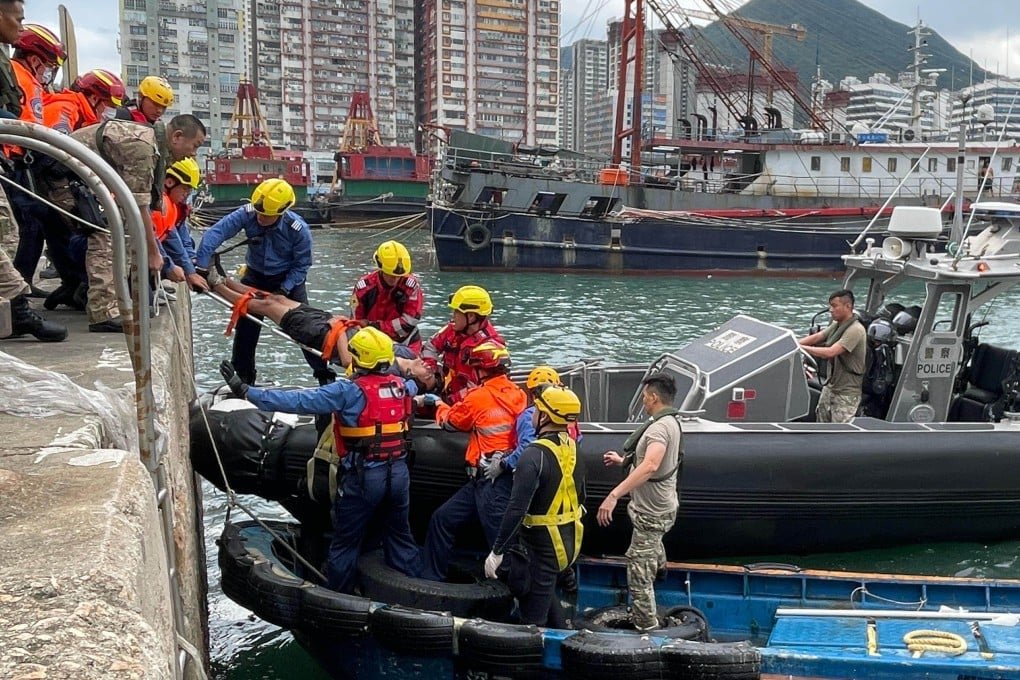
Rescue teams, including firefighters and marine units, managed to pull the victims from the water and transport them to hospital for urgent treatment.

Both the mother and the boy were initially reported to be in critical condition before later stabilising.

The incident sparked widespread concern about the dangers of approaching coastal areas during extreme weather.

Authorities say powerful waves generated by typhoons can suddenly surge over seawalls and breakwaters, creating life-threatening conditions even for experienced swimmers.

Police have indicated that investigators are reviewing whether the adults’ actions constituted child neglect under Hong Kong law, which criminalises behaviour that places a child in serious danger.

If charged and convicted, the offence can carry significant prison terms.

The case is part of a broader effort by officials to discourage “storm-chasing” behaviour, in which residents venture outdoors during severe weather to watch waves or record dramatic footage.

During the same typhoon, police arrested several individuals suspected of bringing children to waterfront areas despite government warnings.

Security officials have said the government is examining whether additional measures or legislation may be needed to deter dangerous behaviour during major storms.

Authorities continue to urge the public to follow official weather warnings and remain indoors when high-level typhoon signals are issued.
Researchers, students and technology innovators from Hong Kong secure numerous awards at one of the world’s largest global invention exhibitions.
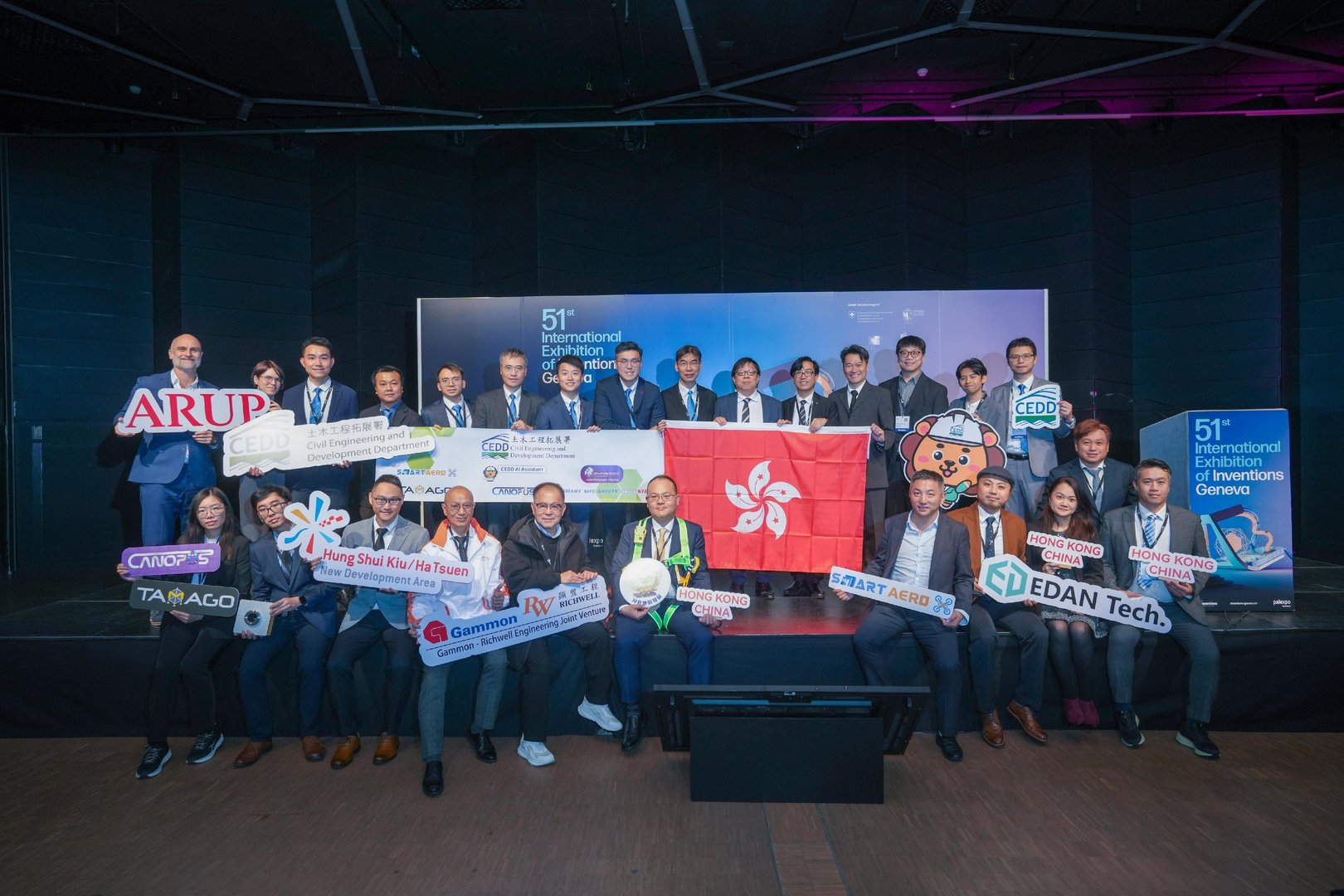
A Hong Kong delegation of researchers, engineers and student innovators has achieved strong international recognition at the International Exhibition of Inventions in Geneva, one of the world’s largest annual events dedicated exclusively to new technologies and inventions.

The exhibition, held in Geneva, Switzerland, gathers inventors, universities, research institutions and technology companies from dozens of countries to present breakthrough ideas ranging from biomedical advances to artificial intelligence and environmental engineering.

More than one thousand inventions from around the world are typically showcased and evaluated by a professional international jury.

Hong Kong’s delegation, one of the largest participating groups, brought together representatives from universities, research and development centres, laboratories, technology firms, government departments and schools.

The team presented hundreds of innovations covering fields such as medical technology, smart infrastructure, robotics, artificial intelligence and green energy solutions.

Many of the inventions received top honours from the international judging panel.

Past editions of the event have seen Hong Kong teams collect hundreds of awards including special prizes, gold medals and other distinctions, demonstrating the city’s growing influence in the global innovation landscape.

Universities have played a central role in the delegation’s success.

Research teams from institutions such as the Hong Kong University of Science and Technology, the University of Hong Kong and the Hong Kong Polytechnic University have regularly presented projects addressing major global challenges, including medical diagnostics, renewable energy systems and advanced manufacturing technologies.

Innovations showcased by Hong Kong participants often combine academic research with real-world applications.

Examples have included artificial intelligence systems for detecting abnormal behaviour in public spaces, sustainable building materials created from waste products and new biomedical platforms designed to improve disease treatment.

The achievements at the Geneva exhibition highlight the continued expansion of Hong Kong’s innovation and technology sector.

Officials and industry leaders have emphasized that international recognition at major events strengthens the city’s ambition to develop into a leading global hub for scientific research, entrepreneurship and high-technology development.

As the Geneva exhibition continues to serve as a major platform for showcasing global ingenuity, the strong performance of Hong Kong teams underscores the city’s ability to translate scientific research into practical solutions and commercially viable technologies with worldwide impact.
Researchers, students and technology innovators from Hong Kong secure numerous awards at one of the world’s largest global invention exhibitions.
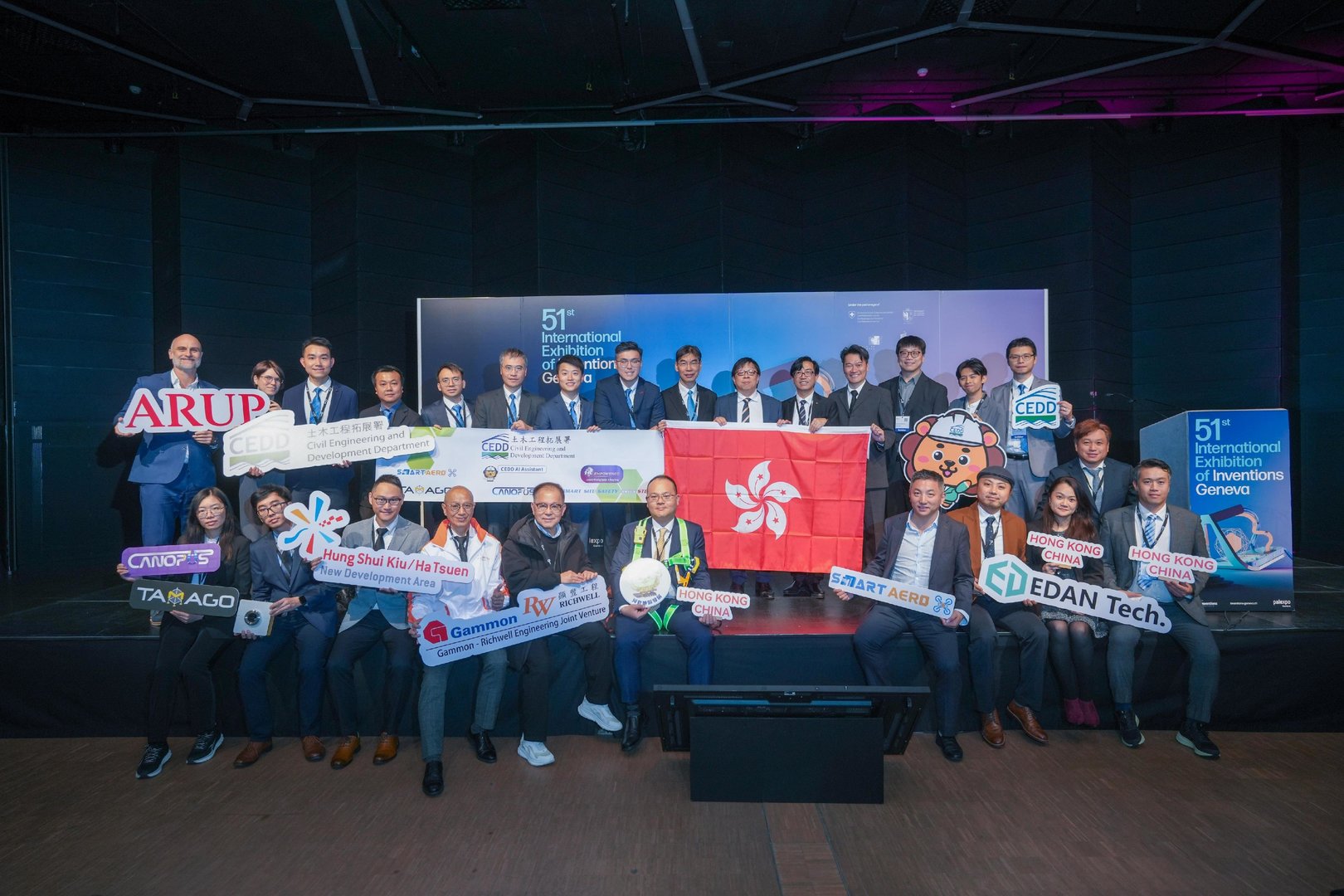
A Hong Kong delegation of researchers, engineers and student innovators has achieved strong international recognition at the International Exhibition of Inventions in Geneva, one of the world’s largest annual events dedicated exclusively to new technologies and inventions.

The exhibition, held in Geneva, Switzerland, gathers inventors, universities, research institutions and technology companies from dozens of countries to present breakthrough ideas ranging from biomedical advances to artificial intelligence and environmental engineering.

More than one thousand inventions from around the world are typically showcased and evaluated by a professional international jury.

Hong Kong’s delegation, one of the largest participating groups, brought together representatives from universities, research and development centres, laboratories, technology firms, government departments and schools.

The team presented hundreds of innovations covering fields such as medical technology, smart infrastructure, robotics, artificial intelligence and green energy solutions.

Many of the inventions received top honours from the international judging panel.

Past editions of the event have seen Hong Kong teams collect hundreds of awards including special prizes, gold medals and other distinctions, demonstrating the city’s growing influence in the global innovation landscape.

Universities have played a central role in the delegation’s success.

Research teams from institutions such as the Hong Kong University of Science and Technology, the University of Hong Kong and the Hong Kong Polytechnic University have regularly presented projects addressing major global challenges, including medical diagnostics, renewable energy systems and advanced manufacturing technologies.

Innovations showcased by Hong Kong participants often combine academic research with real-world applications.

Examples have included artificial intelligence systems for detecting abnormal behaviour in public spaces, sustainable building materials created from waste products and new biomedical platforms designed to improve disease treatment.

The achievements at the Geneva exhibition highlight the continued expansion of Hong Kong’s innovation and technology sector.

Officials and industry leaders have emphasized that international recognition at major events strengthens the city’s ambition to develop into a leading global hub for scientific research, entrepreneurship and high-technology development.

As the Geneva exhibition continues to serve as a major platform for showcasing global ingenuity, the strong performance of Hong Kong teams underscores the city’s ability to translate scientific research into practical solutions and commercially viable technologies with worldwide impact.
Rising oil prices and shipping risks linked to the Middle East conflict highlight the need for stronger energy security planning in the city.
The escalating conflict involving Iran has renewed calls for Hong Kong to strengthen safeguards around its fuel supply, as global energy markets face increasing volatility and potential disruptions to shipping routes.

The war has pushed oil prices sharply higher and threatened tanker traffic through the Strait of Hormuz, a narrow waterway that normally carries a significant share of the world’s oil and liquefied natural gas shipments.

The disruption has created uncertainty across global markets and raised concerns in Asia, where many economies depend heavily on imported fuel.

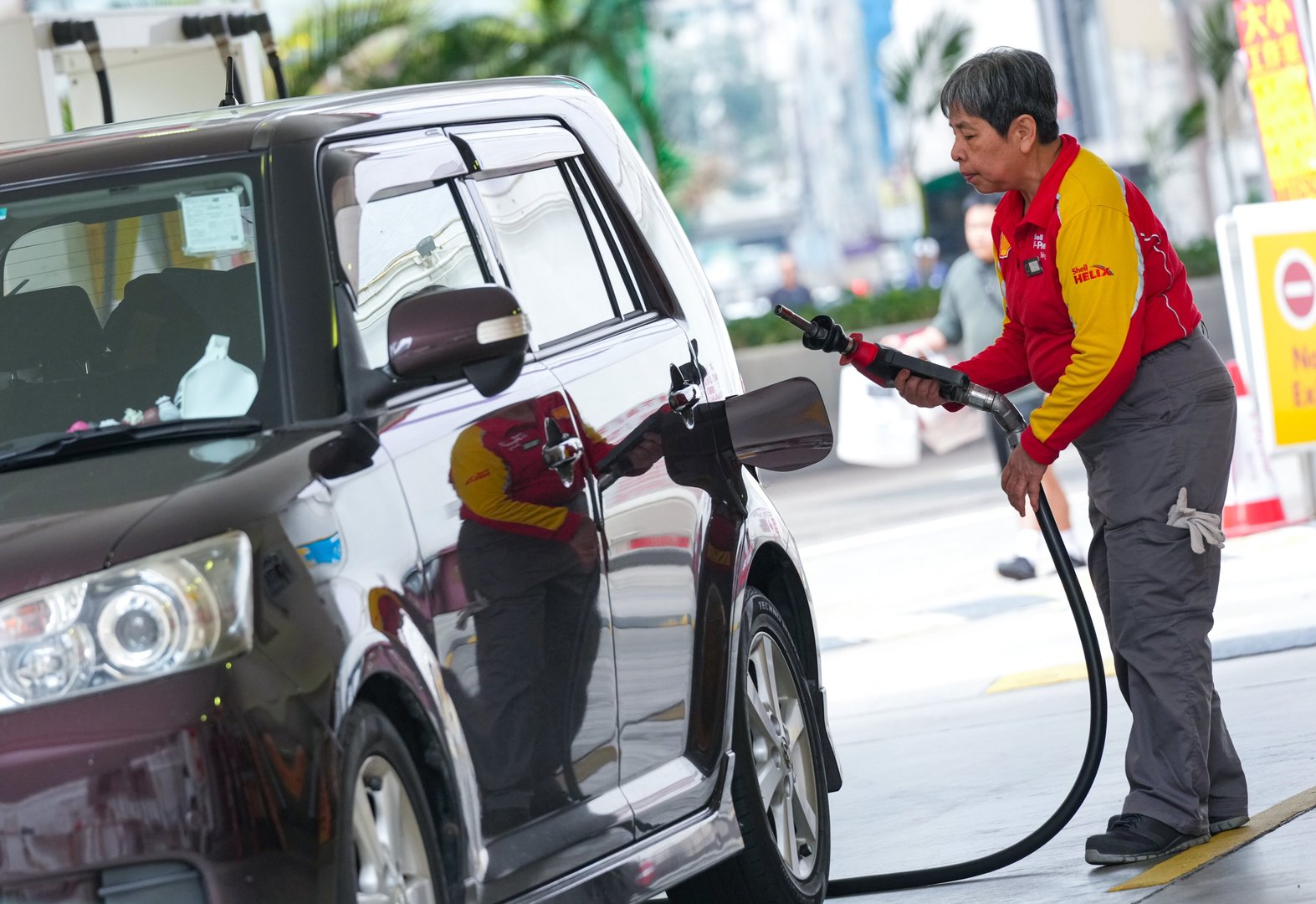
For Hong Kong, which imports all of its refined auto fuels and relies on international supply chains for energy, the conflict underscores the importance of maintaining reliable reserves and ensuring transparency in fuel pricing.

Authorities have already begun monitoring the situation closely and have contacted major oil companies to track the impact of global price swings on the local market.

Industry representatives have warned that rising oil prices could eventually feed through to local transportation and logistics costs.

Some sectors, including delivery and freight operators, are considering temporary surcharges to offset higher fuel expenses as the conflict continues to unsettle energy markets.

Officials say Hong Kong’s existing stockpiles provide a buffer against sudden supply disruptions, though reserves are smaller than those held by some major economies.

Government data indicates the city maintains weeks of supply for key fuels such as petrol, diesel and aviation fuel, offering short-term protection against market shocks while international conditions stabilize.

The current geopolitical crisis is also highlighting broader questions about energy resilience in Asia.

Analysts note that many economies in the region rely heavily on imported fossil fuels transported through the Middle East, leaving them exposed to geopolitical events far from their own borders.

Hong Kong has taken steps in recent years to diversify its energy sources, including the development of an offshore liquefied natural gas receiving terminal designed to strengthen the reliability of electricity generation and reduce dependence on a single fuel stream.

As tensions in the Middle East continue and energy prices remain volatile, policymakers and industry leaders say ensuring steady fuel supplies will be critical for Hong Kong’s economic stability.

Reliable access to energy, they argue, will help shield businesses and consumers from the worst effects of global supply disruptions while maintaining the city’s role as a major financial and logistics hub in Asia.
Artificial intelligence breakthroughs in pharmaceutical research are fueling a new wave of biotech companies seeking public listings in Hong Kong.
Hong Kong is experiencing a surge of biotechnology initial public offering filings as companies using artificial intelligence to accelerate drug discovery seek to tap investor enthusiasm for the fast-growing sector.

Several biotechnology startups specializing in AI-driven pharmaceutical research are preparing or considering listings on the Hong Kong Stock Exchange, drawn by strong investor demand and a regulatory environment designed to support innovative life-science companies.

Among them is AI drug discovery startup Earendil Labs, which is exploring a potential public offering that could raise as much as five hundred million dollars, according to people familiar with the plans.

The growing pipeline of offerings reflects a broader surge of interest in artificial intelligence applications in medicine.

AI platforms can analyze vast datasets of chemical compounds, genetic information and biological pathways, enabling researchers to identify promising drug candidates far more quickly than traditional methods.

Hong Kong has positioned itself as a key global fundraising center for such companies since the introduction of special listing rules that allow pre-revenue biotechnology firms to go public.

The policy change, introduced in twenty eighteen, opened the city’s capital markets to early-stage pharmaceutical innovators that may not yet generate profits but require large amounts of funding to advance clinical trials and research.

The strategy has helped the exchange attract dozens of life-science listings over the past several years.

By mid-twenty twenty-five, more than seventy biotechnology companies had gone public in the city, channeling billions of dollars into research and development across the sector.

Momentum accelerated in late twenty twenty-five when AI-driven drug discovery company Insilico Medicine completed the largest biotech initial public offering in Hong Kong that year, raising more than two billion Hong Kong dollars.

The company’s shares surged after listing, reflecting strong investor interest in the emerging field of AI-powered pharmaceutical development.

Companies pursuing similar technologies are now lining up to follow.

Analysts say investors are increasingly attracted to businesses that combine artificial intelligence with life sciences, a pairing widely seen as capable of transforming the speed and cost of drug development.

Hong Kong’s growing reputation as a biotech financing hub has also been supported by strong overall activity in its capital markets.

The city has regained momentum as a global listing center in recent years, with a large pipeline of new offerings and increased participation from international investors.

Market observers say the wave of biotechnology IPO filings underscores how rapidly artificial intelligence is reshaping pharmaceutical research.

As more companies develop platforms capable of designing molecules, predicting drug behavior and optimizing clinical trials, demand for capital is expected to remain strong.

With multiple biotech and technology companies preparing share sales, Hong Kong’s exchange is emerging as one of the world’s most important venues for funding the next generation of AI-driven medical innovation.
Courier company says fluctuating global fuel prices are forcing short-term surcharges on shipments across the two logistics hubs.
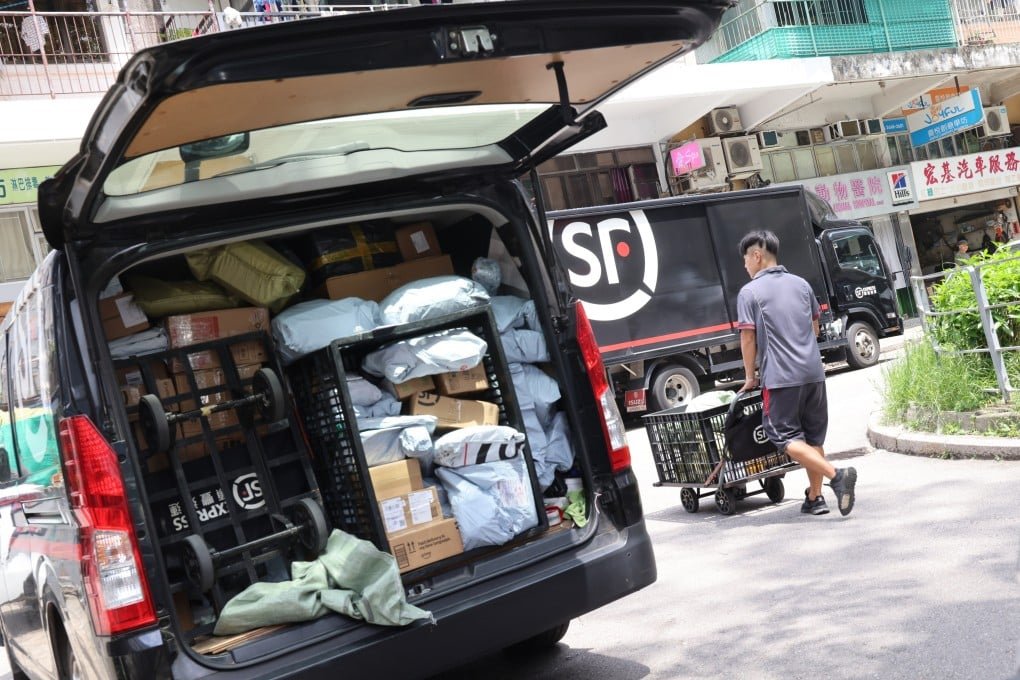
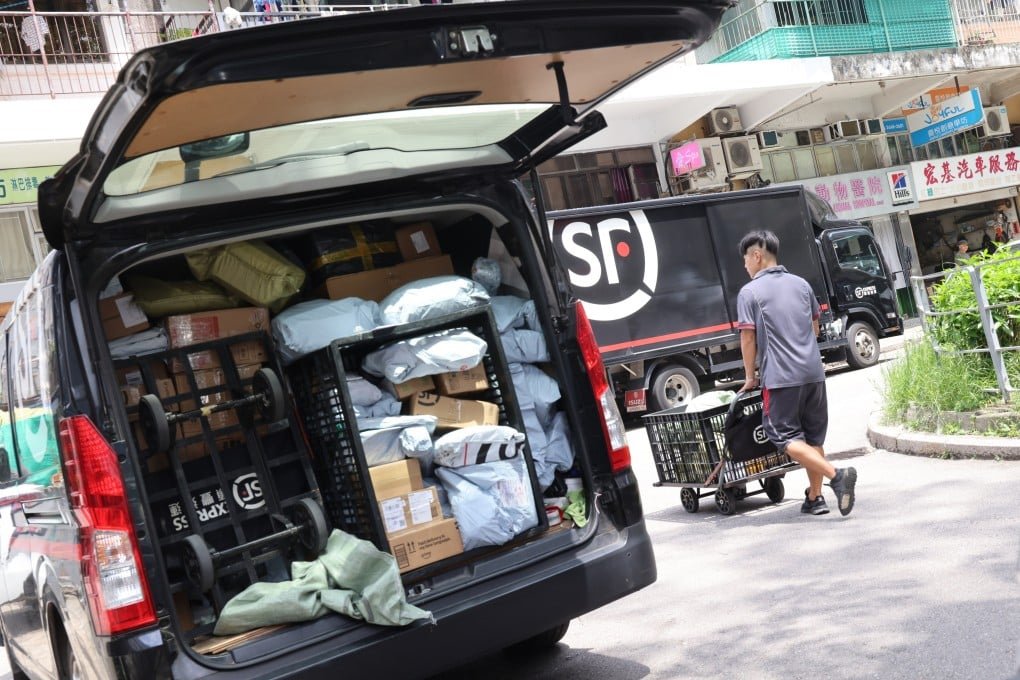
Courier company SF Express has introduced a temporary fuel surcharge on shipments involving Hong Kong and Macau, citing rising transportation costs linked to global fuel price volatility.

The logistics group said the additional charge will apply to shipments originating from the two regions and will be calculated as a percentage of the freight cost.

The company explained that the measure is designed to help offset higher operating expenses affecting the courier and air-freight industry as energy prices fluctuate.

According to company notices, the surcharge rate is adjusted monthly and determined by reference to international jet-fuel prices, particularly benchmarks published for the U.S. Gulf Coast.

The mechanism allows the company to increase, reduce or remove the surcharge depending on fuel market conditions.

For March twenty twenty-six, the fuel surcharge applicable to shipments exported from Hong Kong and Macau was set at approximately eighteen point seven five percent of the freight charge.

The percentage may change in future months depending on movements in global fuel costs.

SF Express said the surcharge is applied to a range of express delivery services, including shipments moving between Hong Kong, Macau and other destinations such as mainland China and overseas markets.

Certain categories of shipments remain exempt, including documents weighing two point five kilograms or less in some regional delivery categories.

Fuel surcharges are a common practice among logistics and aviation companies, particularly during periods of volatile energy markets.

By applying a variable fee linked to fuel prices, operators seek to stabilize service costs and maintain delivery operations without implementing permanent changes to base shipping rates.

Hong Kong and Macau serve as key logistics gateways for regional trade and e-commerce in southern China, with millions of parcels moving through the two cities each month.

Industry analysts say temporary surcharges allow courier networks to continue operating efficiently while adjusting to fluctuating energy costs that affect air cargo, trucking and last-mile delivery services.
Courier company says fluctuating global fuel prices are forcing short-term surcharges on shipments across the two logistics hubs.
Courier company SF Express has introduced a temporary fuel surcharge on shipments involving Hong Kong and Macau, citing rising transportation costs linked to global fuel price volatility.

The logistics group said the additional charge will apply to shipments originating from the two regions and will be calculated as a percentage of the freight cost.

The company explained that the measure is designed to help offset higher operating expenses affecting the courier and air-freight industry as energy prices fluctuate.

According to company notices, the surcharge rate is adjusted monthly and determined by reference to international jet-fuel prices, particularly benchmarks published for the U.S. Gulf Coast.

The mechanism allows the company to increase, reduce or remove the surcharge depending on fuel market conditions.

For March twenty twenty-six, the fuel surcharge applicable to shipments exported from Hong Kong and Macau was set at approximately eighteen point seven five percent of the freight charge.

The percentage may change in future months depending on movements in global fuel costs.

SF Express said the surcharge is applied to a range of express delivery services, including shipments moving between Hong Kong, Macau and other destinations such as mainland China and overseas markets.

Certain categories of shipments remain exempt, including documents weighing two point five kilograms or less in some regional delivery categories.

Fuel surcharges are a common practice among logistics and aviation companies, particularly during periods of volatile energy markets.

By applying a variable fee linked to fuel prices, operators seek to stabilize service costs and maintain delivery operations without implementing permanent changes to base shipping rates.

Hong Kong and Macau serve as key logistics gateways for regional trade and e-commerce in southern China, with millions of parcels moving through the two cities each month.

Industry analysts say temporary surcharges allow courier networks to continue operating efficiently while adjusting to fluctuating energy costs that affect air cargo, trucking and last-mile delivery services.
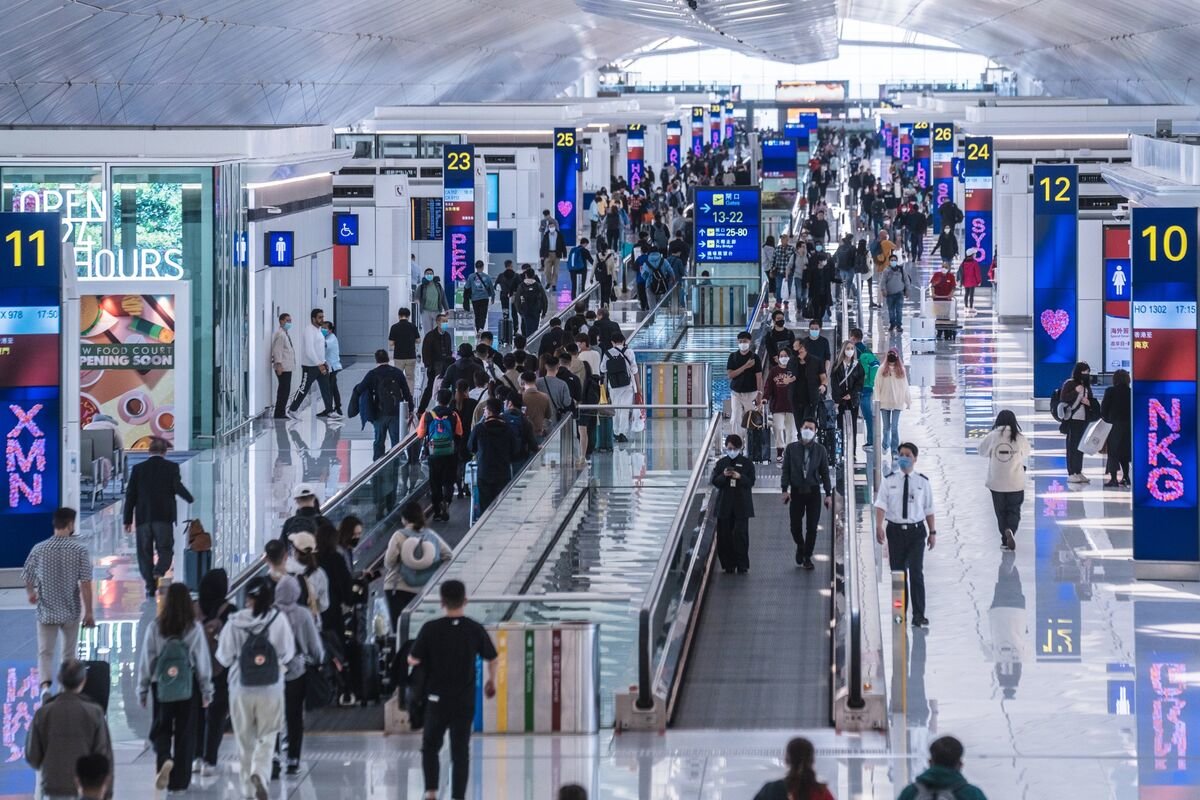
Authorities and airlines aim to strengthen the city’s role as a major transfer hub while regional conflict reshapes long-haul air routes
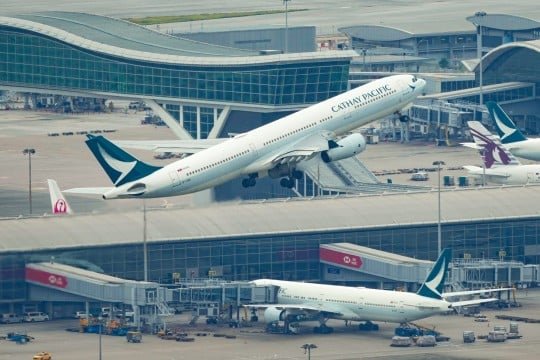
Hong Kong authorities are working with airlines to expand direct flight services and increase transit capacity at the city’s international airport as conflict in the Middle East disrupts global aviation networks and forces airlines to redraw long-haul routes.

Officials say the strategy is intended to reinforce Hong Kong’s position as a key transfer hub linking Asia with Europe and North America.

The effort comes as airlines reroute flights or suspend services that normally pass through Middle Eastern airspace, creating new demand for alternative connections through East Asia.

Transport and logistics officials have indicated that airlines could boost capacity on existing routes to Europe and the United States or introduce additional transfer services to accommodate passengers seeking alternatives to disrupted routes.

The expansion is expected to coincide with infrastructure upgrades at Hong Kong International Airport, including the completion of its three-runway system and the opening of a new passenger terminal, which together are designed to increase overall handling capacity.

The initiative follows widespread disruption to international air travel after parts of Middle Eastern airspace were closed amid escalating military tensions in the region.

Airlines that normally rely on hubs such as Dubai or Doha have been forced to cancel flights, reroute aircraft or lengthen flight paths, leaving travellers scrambling for alternative connections.

Hong Kong has already felt the immediate impact of these disruptions.

Several departures to Middle Eastern destinations have been cancelled or delayed, while carriers have adjusted schedules to avoid the conflict zone.

Longer routings around restricted airspace have increased travel times and operating costs, creating further pressure on airline networks.

At the same time, the upheaval has created opportunities for Asian carriers and airports capable of offering direct long-haul connections that bypass the affected region.

Airlines such as Cathay Pacific and others operating from major Asian hubs have reported increased demand as travellers seek routes that avoid Middle Eastern transit points.

Hong Kong’s aviation sector sees the situation as a chance to strengthen the city’s long-standing role as a global gateway.

By increasing flight capacity and improving transfer facilities, officials hope the airport can absorb a larger share of international traffic diverted from traditional Gulf hubs.

The city’s airport, already among the world’s busiest for cargo and a major passenger hub in Asia, has invested heavily in infrastructure expansion in recent years.

Authorities believe these improvements will allow Hong Kong to handle rising demand for connecting flights while reinforcing its strategic position within global aviation networks.

Industry analysts note that the shift in travel patterns may prove temporary if Middle Eastern airspace fully reopens.

However, they say the current disruption highlights the importance of diversified global aviation routes and could strengthen Hong Kong’s standing as an alternative gateway for long-haul travel between continents.
City officials and analysts weigh economic integration, innovation and regional cooperation following China’s annual political gatherings
Hong Kong officials and policy analysts are assessing the city’s next strategic steps after the conclusion of China’s annual “two sessions” meetings in Beijing, where national leaders outlined economic priorities and development goals for the coming year.

The gatherings, which include the National People’s Congress and the Chinese People’s Political Consultative Conference, serve as a key platform for setting national policy direction.

For Hong Kong, the meetings often signal how the city can align its economic strategy with broader national initiatives while strengthening its role as an international financial and commercial center.

Delegates from Hong Kong who attended the meetings said the discussions highlighted the importance of deeper integration with mainland China’s economic development, particularly through the Guangdong–Hong Kong–Macao Greater Bay Area.

The regional initiative aims to connect major cities across southern China into a powerful economic cluster focused on technology, finance and advanced manufacturing.

Local policymakers say one of Hong Kong’s priorities will be expanding its role as a global financial hub supporting mainland companies seeking international capital.

Officials have pointed to the city’s mature financial markets, legal framework and global investor networks as advantages that can help Chinese enterprises access overseas funding.

Another major theme emerging from the meetings is innovation and technology.

Delegates emphasized that Hong Kong can contribute more strongly to national research and development efforts, particularly in areas such as biotechnology, artificial intelligence and advanced medical research.

Strengthening collaboration between Hong Kong universities, research institutes and mainland technology centers is expected to be a key focus.

Housing supply and economic diversification were also widely discussed among Hong Kong representatives.

Increasing land supply and expanding industries beyond traditional finance and property sectors are seen as long-term priorities for maintaining economic resilience.

Several delegates suggested that Hong Kong should accelerate participation in cross-border infrastructure and logistics projects designed to enhance connectivity with mainland cities.

Improved transportation links and digital infrastructure could help businesses operate more seamlessly across the Greater Bay Area.

At the same time, officials have emphasized the importance of preserving Hong Kong’s distinct advantages as an international gateway.

Maintaining open markets, strong regulatory standards and a stable business environment remains central to the city’s long-term development strategy.

Analysts say the policy signals from Beijing reinforce the expectation that Hong Kong will continue serving as a bridge between mainland China and global markets.

The challenge for the city now lies in translating those broad priorities into concrete policies that strengthen competitiveness while supporting economic growth.
Authorities propose stricter lending controls and stronger protections for borrowers and referees as complaints about aggressive debt collection rise
Hong Kong authorities are proposing tougher rules for the city’s moneylending sector as part of a broader effort to curb aggressive debt collection tactics and protect borrowers from harassment.

The government has launched a public consultation on measures aimed at strengthening regulation of licensed money lenders and improving oversight of unsecured personal loans.

Officials say the initiative is designed to encourage more responsible lending practices while addressing growing concerns about abusive collection methods.

Among the proposed changes are tighter controls on how much individuals can borrow relative to their income, including the possibility of limits based on overall debt levels or caps on the share of income used to repay loans.

Authorities say the measures are intended to prevent excessive borrowing and reduce the risk of vulnerable individuals falling into cycles of debt.

The proposals also target the widespread use of loan “referees,” individuals whose names and contact details are provided by borrowers when applying for credit.

In practice, debt collectors sometimes contact these referees to pressure them into locating or persuading the borrower to repay debts.

Officials are considering restrictions on the use of referees, including a possible ban in some cases, to prevent harassment of third parties.

Government officials say enhanced affordability checks and stricter verification procedures could also be introduced to ensure borrowers clearly understand loan obligations before agreements are finalized.

Additional steps under consideration include improving complaint-handling mechanisms and strengthening public education campaigns on responsible borrowing.

The review comes after authorities recorded hundreds of complaints about moneylenders and debt collection practices in recent years.

Investigations have led to inspections, warning letters and referrals to law enforcement in cases where suspected violations were identified.

Under existing licensing conditions, lenders and debt collectors are already required to recover debts only from the borrower and must not harass unrelated individuals while attempting to locate debtors.

Violations of these conditions can lead to fines, imprisonment or the revocation of a moneylender’s licence.

The consultation reflects wider concern about the impact of high-interest loans and aggressive collection methods on vulnerable groups, including migrant domestic workers and low-income residents.

Authorities say reforms are intended to strengthen safeguards while preserving legitimate access to credit in Hong Kong’s financial system.

Public feedback on the proposals will be collected over the coming months before the government decides whether to introduce legislative or regulatory changes to the city’s moneylending framework.
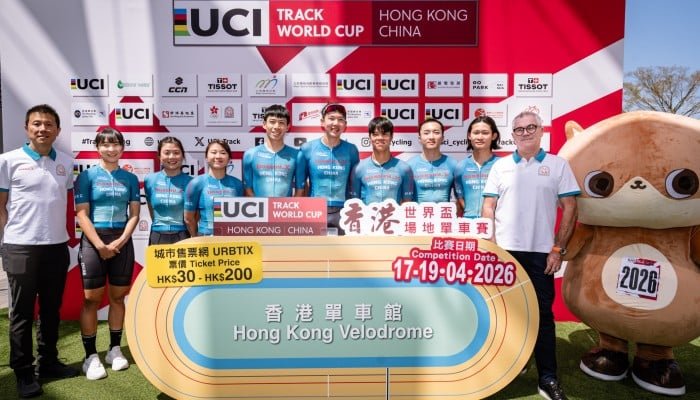
Cycling officials say the city will field its strongest lineup as athletes prepare for the most demanding round of the international track cycling series
Hong Kong’s cycling federation has announced it will send its strongest available team to the upcoming round of the UCI Track World Cup, describing the event as one of the most demanding competitions of the season.

Officials said the lineup reflects the city’s determination to test its top athletes against the world’s best competitors as the international track cycling calendar intensifies.

The squad includes several of Hong Kong’s leading riders, many of whom have previously delivered strong results in major continental and global events.

Coaches say the upcoming World Cup round presents a particularly difficult challenge because it brings together a deep field of elite cyclists from Europe, Asia and the Americas.

The competition also comes at a critical point in the season when riders are building form for major championships and Olympic qualification events.

Hong Kong’s team is expected to compete across several disciplines including sprint, keirin and endurance events such as the omnium and team pursuits.

Officials indicated that the squad has been carefully selected to maximize medal potential while giving younger riders valuable exposure to top-level competition.

Training preparations have intensified in the lead-up to the event, with athletes undergoing specialized sessions focused on speed, tactical racing and recovery.

The team has also been working with sports scientists and performance staff to refine strategies for high-intensity track events.

Cycling authorities said the World Cup round is an important opportunity to assess the team’s progress against leading international rivals.

The competition is expected to feature Olympic champions and world title holders, making it one of the strongest fields Hong Kong riders will face this year.

Hong Kong has steadily raised its profile in track cycling over the past decade, producing riders who have achieved podium finishes in world championships and other major international events.

Officials say the latest competition will provide another chance to strengthen the city’s standing in the sport.

Team leaders emphasized that while the level of competition will be extremely high, the experience gained from racing against the world’s best is crucial for the development of Hong Kong’s cycling program.

The delegation is expected to depart shortly ahead of the event, with coaches expressing confidence that the squad’s preparation and experience will allow the riders to compete strongly in what is widely regarded as the toughest stage of the current track cycling season.
Singapore-based warehouse and infrastructure investor explores listing as part of wider surge in Asia-Pacific real estate capital markets activity
Singapore-based logistics real estate group GLP is preparing plans for a potential initial public offering in Hong Kong that could value the company at around twenty billion dollars, according to people familiar with the discussions.

The proposed listing would mark a return to public markets for the company, which was taken private from the Singapore stock exchange in two thousand seventeen through a buyout led by chief executive Ming Mei and a consortium of global investors.

The deal, valued at roughly sixteen billion Singapore dollars at the time, included backing from several major investment institutions.

Sources close to the matter say GLP has begun preliminary conversations with financial advisers including major international banks as it explores the possibility of a share sale in Hong Kong.

Details of the offering, including the size of the stake to be sold and the exact timetable, remain under discussion and could change depending on market conditions.

If completed, the flotation would represent one of the largest real estate listings in Asia in recent years and could further strengthen Hong Kong’s position as a major hub for equity capital markets.

The city has seen a renewed pipeline of public offerings as global investors return to Asian listings and capital raising activity accelerates.

GLP describes itself as a global investment manager focused on logistics real estate, digital infrastructure, renewable energy and related technologies.

The company manages more than eighty billion dollars in assets through a network of funds and development platforms spanning Asia, Europe and the Americas.

In recent years the group has reshaped its business structure through asset sales and new capital partnerships aimed at strengthening its balance sheet and focusing on high-growth sectors such as supply-chain infrastructure and data centers.

One such move involved the sale of a major international investment platform to a global asset manager in a transaction that included billions of dollars in upfront proceeds and the possibility of additional payments tied to performance.

The company has also attracted large strategic investments from global sovereign wealth funds and institutional investors.

The potential Hong Kong listing comes at a time when demand for logistics infrastructure remains strong.

Growth in e-commerce, advanced manufacturing and regional supply chains has driven continued demand for warehouse and distribution facilities across Asia-Pacific.

Market analysts say a successful offering could provide liquidity for existing investors while giving the company fresh capital to expand its portfolio of logistics assets and digital infrastructure projects.

The listing would also add another high-profile name to Hong Kong’s evolving roster of property and infrastructure companies seeking access to international capital.

The timing and structure of the proposed share sale have not yet been finalized, and the company has not publicly confirmed the plans.
Appeals judges reject challenges by defendants linked to the ‘Hong Kong 47’ case, leaving prison sentences of up to ten years intact
Hong Kong’s Court of Appeal has rejected the appeals of twelve activists and former politicians convicted under the city’s national security law, upholding their prison sentences in one of the most significant legal cases since the legislation was introduced.

The ruling concerns individuals connected to the so-called "Hong Kong forty-seven" case, the largest prosecution brought under the national security law enacted in two thousand twenty.

The defendants had sought to overturn convictions tied to their role in organizing and participating in an unofficial primary election held in mid-two thousand twenty.

Authorities alleged that the primary was part of a broader plan to secure a majority in Hong Kong’s Legislative Council and then use that position to veto government budgets repeatedly.

Prosecutors argued that such a strategy was intended to paralyse the administration and force the city’s chief executive to step down.

Following a lengthy trial process, many of the figures involved in the case were sentenced in late two thousand twenty-four to prison terms ranging from about four years to ten years.

Among those receiving longer sentences was legal scholar Benny Tai, whom the court previously described as a central figure behind the plan.

In the latest decision, three appeal judges concluded that the convictions and sentences should stand.

Eleven of the defendants had challenged both their convictions and their prison terms, while another sought to overturn only the conviction.

The court dismissed all of the appeals.

The judges said the strategy described during the trial amounted to a coordinated effort that could undermine the constitutional order governing Hong Kong.

In their written judgment, they argued that legislators could not use their powers in a way that deliberately obstructed the functioning of government institutions.

At the same time, the court rejected an appeal filed by prosecutors seeking to overturn the earlier acquittal of one defendant, meaning that ruling remains in place.

The case stems from events following the large-scale protests that swept Hong Kong in two thousand nineteen.

The national security law was subsequently introduced in two thousand twenty, with authorities saying it was necessary to restore stability and safeguard the city’s political system.

Some of the convicted activists have already completed their prison terms and been released, while others remain in custody.

The outcome of the appeal marks another major legal milestone in a case that has drawn significant public attention both within Hong Kong and internationally.
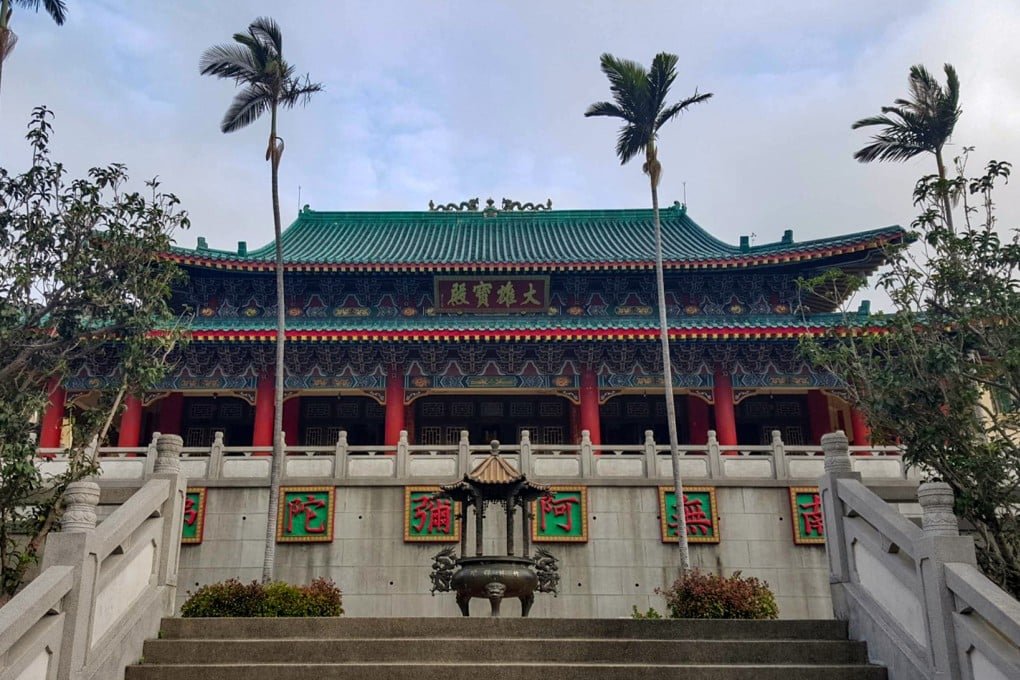
Altercation during a religious ritual shocks worshippers and prompts investigation into dispute between Buddhist clerics
A violent altercation between two Buddhist monks during a temple ceremony in Hong Kong has left one of the clerics injured and prompted an internal inquiry by temple authorities.

The confrontation reportedly broke out while a religious ritual was underway, shocking worshippers who had gathered for what was expected to be a solemn ceremony.

Witnesses said the dispute escalated rapidly when the two monks began shouting before the argument turned physical.

During the scuffle, one monk was struck and sustained injuries before others present intervened to separate the pair.

The injured monk later received medical attention, though the wounds were not believed to be life-threatening.

Temple representatives said the incident appeared to stem from a personal dispute between the two clerics.

Authorities at the religious institution have begun reviewing the circumstances surrounding the confrontation and are considering disciplinary measures.

The unexpected fight during a sacred ritual drew widespread attention among those present, many of whom described the scene as deeply unsettling given the religious setting.

Buddhist ceremonies in Hong Kong are traditionally marked by quiet reflection, chanting and offerings, making such confrontations extremely rare.

Community leaders emphasized that the altercation was an isolated incident and does not reflect the conduct expected within Buddhist monastic life.

Religious groups in the city have stressed the importance of discipline, restraint and adherence to spiritual teachings within temple communities.

The episode has sparked broader discussion about conduct within religious institutions and the pressures sometimes faced by temple communities that rely on donations and public engagement.

Temple authorities said they will continue to review the situation and work to ensure that future ceremonies proceed peacefully, reaffirming the values of harmony and respect that underpin Buddhist practice in Hong Kong.
Carriers across the city move to increase ticket surcharges as rising jet fuel costs linked to Middle East tensions push operating expenses sharply higher
Airlines based in Hong Kong are increasing fuel surcharges on passenger tickets as a surge in global energy prices drives up the cost of aviation fuel and reshapes travel expenses across the region.

Several carriers have begun adjusting their pricing structures, with Hong Kong Airlines among the first to announce a significant rise in surcharges.

The company confirmed that new charges would take effect in mid-March, reflecting the rapid escalation in jet fuel costs following heightened tensions in the Middle East.

Under the revised structure, passengers on long-haul routes departing Hong Kong will face a fuel surcharge of HK$739 per trip, representing an increase of roughly 25 percent compared with previous levels.

Short-haul flights to destinations such as Japan, South Korea and Thailand will see charges rise to HK$212, while flights to mainland Chinese cities will carry a surcharge of HK$190.

Routes to Taiwan will see the fee increase to HK$182.

Some of the steepest increases affect routes linking Hong Kong with South Asian destinations including Bangladesh, Nepal and the Maldives, where surcharges have climbed to HK$384 per trip.

The adjustments also apply to inbound flights arriving in the city.

The increases follow a sharp jump in global oil prices, which have risen dramatically amid conflict and supply disruptions in the Middle East.

Jet fuel costs are one of the largest expenses faced by airlines, and sudden spikes are typically passed on to passengers through fuel surcharges or higher base fares.

Industry analysts say the situation has forced airlines worldwide to review their pricing strategies.

Rising fuel costs have coincided with longer flight routes in some cases as carriers seek to avoid conflict zones, further increasing operational expenses.

Hong Kong’s flagship airline, Cathay Pacific, said it regularly reviews its fuel surcharge levels using a mechanism that reflects movements in jet fuel prices and other operational considerations.

The carrier indicated that adjustments are assessed on a monthly basis.

Travel industry representatives in the city have warned that ticket prices could rise further if oil prices remain elevated.

Travel agents report that surcharges on some long-haul routes may increase by several hundred Hong Kong dollars per journey, potentially pushing overall fares significantly higher for international travellers.

The latest price adjustments highlight the vulnerability of the aviation sector to geopolitical disruptions and energy market volatility.

For passengers departing Hong Kong, the rising fuel surcharges signal that the financial impact of global conflicts and shifting oil markets is increasingly being felt in the cost of air travel.
Government and planners increasingly examine underused countryside areas as a possible solution to the city’s chronic housing and land constraints
Hong Kong’s vast rural hinterland is drawing renewed attention from policymakers and planners as authorities search for long-term solutions to the city’s chronic shortage of developable land.

Much of Hong Kong’s population is concentrated in dense urban districts, yet large portions of the territory remain rural, including farmland, villages and extensive greenbelt zones across the New Territories.

Urban planners and officials say these areas could play a greater role in addressing housing shortages that have driven property prices to some of the highest levels in the world.

For decades, the city’s land debate has centered on options such as large-scale reclamation projects, redevelopment of aging urban neighborhoods and the conversion of industrial sites.

However, attention is increasingly turning to rural districts where significant areas remain underutilized or lightly developed.

Proposals under discussion include modernizing infrastructure in rural areas, reorganizing fragmented land ownership and introducing planned communities that integrate housing with transportation and public services.

Advocates argue that such measures could unlock land for residential development while spreading growth more evenly across the territory.

Some planners suggest that transforming parts of the rural landscape could ease pressure on overcrowded districts and create new economic opportunities outside the traditional urban core.

Improved rail and road links are seen as essential for making rural areas viable for large-scale housing and commercial activity.

The debate, however, also raises complex questions about conservation and the preservation of traditional village life.

Environmental groups warn that large development projects could threaten wetlands, farmland and biodiversity that form an important part of Hong Kong’s natural heritage.

Local villagers have also voiced concerns about how redevelopment could affect ancestral land rights and long-standing rural traditions.

Hong Kong’s system of indigenous village rights and complex land ownership structures often complicates attempts to consolidate parcels for new projects.

Officials say any effort to develop rural land would need to balance housing needs with environmental protection and community interests.

Government planners have emphasized that rural development would likely proceed gradually and alongside other land-supply strategies already underway.

Despite the challenges, the growing focus on the countryside reflects the scale of Hong Kong’s housing pressures.

With limited space in the urban core and continued demand for homes, the city’s rural hinterland may increasingly be viewed as an essential part of the long-term strategy to expand land supply and address one of the territory’s most persistent urban challenges.
Officials and airlines move to strengthen the city’s role as a transit hub as conflict-driven airspace closures reshape long-haul travel
Hong Kong authorities and aviation companies are working to position the city as a key transit hub as the war involving Iran disrupts international flight routes and forces airlines to rethink traditional travel corridors.

The conflict has led to widespread airspace closures across parts of the Middle East, a region that normally serves as a crucial crossroads for long-haul flights between Europe, Asia and Australia.

With major hubs in the Gulf operating at reduced capacity or suspending flights altogether, airlines and passengers are increasingly seeking alternative routes that avoid the conflict zone.

Officials in Hong Kong say the disruption presents an opportunity for the city to expand its role in global aviation networks.

The government has begun working with airlines to increase flight capacity and attract transit traffic as travellers look for new connections outside the Middle East.

Hong Kong International Airport, already one of the world’s busiest cargo hubs, is seeking to capitalize on shifting travel patterns by encouraging airlines to add routes and increase frequencies.

Authorities believe the city’s strategic location in East Asia and its extensive aviation infrastructure could allow it to absorb some of the traffic previously handled by Middle Eastern hubs.

Airlines are already adjusting their operations in response to the conflict.

Hong Kong-based carrier Cathay Pacific suspended passenger and cargo services to the Middle East after the outbreak of hostilities and the closure of key airspace corridors.

The disruption has also forced many flights between Europe and Asia to take longer alternative routes, increasing travel time and costs across the industry.

The global aviation sector has experienced severe turbulence as a result.

Thousands of flights have been cancelled or rerouted, and major Middle Eastern airports that normally serve as international transfer points have seen large portions of their operations halted.

The situation has left large numbers of passengers stranded and pushed airlines to find new logistical solutions.

For Hong Kong, the sudden shift has already begun to influence travel demand.

Airfares on routes connecting the city with major global destinations have surged as travellers search for flights that bypass the affected region.

Industry analysts say the disruption highlights the vulnerability of global aviation to geopolitical shocks.

Gulf airports such as Dubai, Doha and Abu Dhabi have long served as the backbone of international connecting traffic, linking Europe with Asia and Oceania through highly efficient hub-and-spoke networks.

If the conflict continues to limit access to those hubs, airlines may increasingly rely on alternative gateways in Asia.

Officials in Hong Kong believe the city’s airport, already a major global logistics and passenger center, could benefit from this shift in the aviation map.

The evolving situation underscores how geopolitical conflicts can quickly reshape travel patterns, creating challenges for airlines while opening unexpected opportunities for airports positioned outside the immediate conflict zone.
Officials and airlines move to strengthen the city’s role as a transit hub as conflict-driven airspace closures reshape long-haul travel
Hong Kong authorities and aviation companies are working to position the city as a key transit hub as the war involving Iran disrupts international flight routes and forces airlines to rethink traditional travel corridors.

The conflict has led to widespread airspace closures across parts of the Middle East, a region that normally serves as a crucial crossroads for long-haul flights between Europe, Asia and Australia.

With major hubs in the Gulf operating at reduced capacity or suspending flights altogether, airlines and passengers are increasingly seeking alternative routes that avoid the conflict zone.

Officials in Hong Kong say the disruption presents an opportunity for the city to expand its role in global aviation networks.

The government has begun working with airlines to increase flight capacity and attract transit traffic as travellers look for new connections outside the Middle East.

Hong Kong International Airport, already one of the world’s busiest cargo hubs, is seeking to capitalize on shifting travel patterns by encouraging airlines to add routes and increase frequencies.

Authorities believe the city’s strategic location in East Asia and its extensive aviation infrastructure could allow it to absorb some of the traffic previously handled by Middle Eastern hubs.

Airlines are already adjusting their operations in response to the conflict.

Hong Kong-based carrier Cathay Pacific suspended passenger and cargo services to the Middle East after the outbreak of hostilities and the closure of key airspace corridors.

The disruption has also forced many flights between Europe and Asia to take longer alternative routes, increasing travel time and costs across the industry.

The global aviation sector has experienced severe turbulence as a result.

Thousands of flights have been cancelled or rerouted, and major Middle Eastern airports that normally serve as international transfer points have seen large portions of their operations halted.

The situation has left large numbers of passengers stranded and pushed airlines to find new logistical solutions.

For Hong Kong, the sudden shift has already begun to influence travel demand.

Airfares on routes connecting the city with major global destinations have surged as travellers search for flights that bypass the affected region.

Industry analysts say the disruption highlights the vulnerability of global aviation to geopolitical shocks.

Gulf airports such as Dubai, Doha and Abu Dhabi have long served as the backbone of international connecting traffic, linking Europe with Asia and Oceania through highly efficient hub-and-spoke networks.

If the conflict continues to limit access to those hubs, airlines may increasingly rely on alternative gateways in Asia.

Officials in Hong Kong believe the city’s airport, already a major global logistics and passenger center, could benefit from this shift in the aviation map.

The evolving situation underscores how geopolitical conflicts can quickly reshape travel patterns, creating challenges for airlines while opening unexpected opportunities for airports positioned outside the immediate conflict zone.
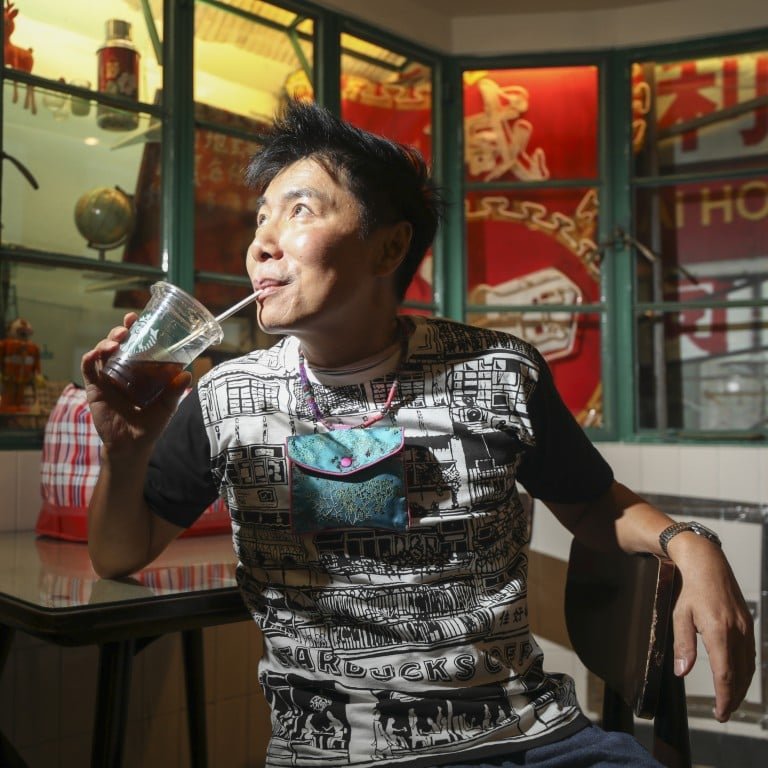
Founder of Goods of Desire shares how identity, humor and everyday city life shaped one of Hong Kong’s most distinctive design labels
Douglas Young, the founder of Hong Kong lifestyle brand Goods of Desire, has spent nearly three decades transforming the everyday culture of the city into a distinctive design language that resonates with both local residents and international visitors.

Young co-founded Goods of Desire, commonly known as G.O.D., in nineteen ninety six with fellow designer Benjamin Lau.

The brand’s Cantonese name, "住好啲," loosely translates as "live better," reflecting its ambition to elevate daily life through design inspired by Hong Kong’s urban culture and traditions.

Over time the company has grown from a small furniture shop into a widely recognized lifestyle label offering clothing, homeware and accessories rooted in the city’s visual identity and humor.

Trained as an architect in London before returning to Hong Kong in the early nineteen nineties, Young has often described the brand as both a personal exploration of identity and a commercial venture.

The concept behind G.O.D. emerged from his observation that Hong Kong possessed a distinctive cultural character that few brands had attempted to translate into contemporary design.

Many of the company’s products draw inspiration from everyday scenes and symbols found across the city, including traditional shop signs, retro advertisements, street markets and Cantonese wordplay.

The brand’s approach often combines reverence for heritage with playful irreverence, producing items that both celebrate and gently reinterpret the rhythms of Hong Kong life.

Young has said the mission of G.O.D. is to make local culture attractive and accessible to younger generations.

By blending traditional motifs with modern design and global influences, the company seeks to present Hong Kong’s identity as something dynamic rather than nostalgic.

Over the years the brand has expanded its reach beyond retail stores into collaborations with airlines, restaurants and international companies.

Its products are sold in Hong Kong and distributed through partners in several global cities, helping to introduce elements of the territory’s cultural vocabulary to wider audiences.

Despite the international expansion, Young continues to emphasize that the brand’s creative inspiration comes from walking through the city itself.

He frequently cites older neighborhoods and everyday street life as the source of ideas that shape new designs.

For Young, the enduring goal remains simple: turning the familiar details of Hong Kong culture into objects that people can use, wear and enjoy.

In doing so, he hopes the brand can play a role in preserving the spirit of a city whose identity continues to evolve.

After nearly three decades in business, Goods of Desire stands as one of the few lifestyle brands to translate Hong Kong’s unique cultural sensibility into globally recognizable design.
Major banks poised to lead city’s regulated digital-currency push as Hong Kong prepares to issue its first approvals under a new stablecoin framework
HSBC and Standard Chartered are expected to receive the first licenses to issue stablecoins in Hong Kong, positioning two of the city’s most prominent banks at the center of a major push to develop a regulated digital-asset ecosystem.

Authorities in Hong Kong are preparing to grant the initial approvals under a new licensing regime overseen by the Hong Kong Monetary Authority, which regulates stablecoins tied to fiat currencies such as the Hong Kong dollar.

The move is widely seen as a significant step in the city’s effort to strengthen its position as a global hub for digital finance.

The licenses are expected to be issued to a very limited number of institutions in the first round.

HSBC and a consortium led by Standard Chartered are widely viewed as frontrunners, reflecting their longstanding role in the city’s financial system and their authorization to issue banknotes locally.

Regulators have not formally confirmed the recipients, and both banks have declined to comment publicly on the reported plans.

Hong Kong introduced its comprehensive stablecoin regulatory regime in 2025, requiring any issuer of a fiat-referenced digital currency to obtain official authorization before offering or promoting the product to investors.

The framework establishes strict oversight rules, including requirements for full asset backing, robust risk management, and compliance with anti-money-laundering standards.

Interest in the licensing program has been intense across the global financial sector.

Authorities have previously disclosed that dozens of institutions applied to issue stablecoins under the new system, reflecting the rapid institutionalization of digital currencies and the growing role of regulated banks in the sector.

Stablecoins are digital tokens designed to maintain a consistent value by being backed by traditional assets such as government currency or reserves.

They are increasingly used in digital payments, trading, and financial infrastructure, particularly within the broader cryptocurrency ecosystem.

Hong Kong officials have emphasized that a tightly controlled rollout is intended to balance innovation with financial stability.

By prioritizing large, established institutions in the first phase, regulators aim to build confidence in the emerging market while ensuring that the underlying digital assets remain fully supported by credible financial infrastructure.

If confirmed, the approvals would mark a milestone in Hong Kong’s digital-finance strategy and could accelerate the development of Hong Kong dollar-linked stablecoins designed for payments, trading, and cross-border financial services throughout the Asia-Pacific region.
Investor anxiety over rising oil prices and widening geopolitical conflict pushes Hong Kong equities lower amid global risk-off sentiment
Hong Kong stocks extended their losses as investors reacted to the intensifying conflict between the United States and Iran, with markets across Asia shaken by surging energy prices and fears of a broader geopolitical crisis.

The benchmark Hang Seng Index dropped again as traders moved away from risk-sensitive assets, reflecting deepening uncertainty about the economic impact of the war.

Technology, financial and consumer shares were among the sectors under pressure as investors reassessed growth prospects in an environment of rising oil costs and geopolitical instability.

Market sentiment weakened after military exchanges between Washington and Tehran showed little sign of easing, with both sides maintaining firm positions.

The conflict has raised concerns about disruptions to global energy supplies, particularly shipments through the Strait of Hormuz, a critical route for oil exports from the Middle East.

Oil prices surged above one hundred dollars per barrel amid fears that escalating hostilities could restrict supply, a development that has heightened worries about inflation and economic slowdown worldwide.

Higher fuel costs have added to pressure on equity markets already grappling with uncertainty about interest rates and global growth.

In Hong Kong, the Hang Seng Index has recorded its steepest weekly decline in several months as geopolitical tensions triggered heavy selling.

At one point the index fell to a two-month low near 25,768 points, with major financial and technology stocks leading the downturn.

Investors have increasingly shifted toward traditional safe-haven assets such as gold while trimming exposure to equities and other risk-linked investments.

The market turbulence has also been reflected in cross-border trading flows.

Mainland Chinese investors sold billions of dollars worth of Hong Kong shares in a single session, underscoring how geopolitical uncertainty is reshaping investor behavior and dampening appetite for regional equities.

Across the Asia-Pacific region, markets from Seoul to Tokyo have experienced sharp volatility as the conflict reshapes expectations for energy costs and global economic stability.

Analysts say that prolonged hostilities could further tighten oil supply and intensify inflation pressures, increasing the risk of slower growth in major economies.

Despite the turbulence, investors continue to monitor diplomatic signals that could calm markets.

Optimistic remarks from US President Donald Trump suggesting the conflict could be resolved in the near future have previously sparked brief rebounds in Asian equities, highlighting how closely markets are tracking developments in the crisis.
More than four hundred migrant domestic workers honoured by students in recognition of their role in raising and supporting Hong Kong families
Hundreds of foreign domestic helpers in Hong Kong have been honoured by local students in a ceremony recognizing their profound role in family life, with many children describing the women who cared for them as their “second mothers.”

The tribute brought together more than four hundred migrant domestic workers, most of them from the Philippines and Indonesia, to receive appreciation from students and families who credited them with shaping their childhoods and daily lives.

Through letters, performances and public acknowledgments, the students thanked the helpers for providing emotional support, guidance and care while parents worked long hours.

In Hong Kong, foreign domestic helpers are deeply woven into the fabric of society.

Nearly four hundred thousand such workers live and work in the city, forming roughly five percent of the population and supporting households across a wide range of social backgrounds.

Their responsibilities often extend beyond household chores to include childcare, school preparation and the everyday nurturing of children.

For many families, helpers spend years with the same children, accompanying them through key milestones from early childhood to adolescence.

Students participating in the tribute said that these long-term bonds had created relationships that resemble extended family ties.

Some wrote that their helpers had taught them values, languages and cultural traditions, while also providing comfort during challenging moments in their lives.

Community groups and educators involved in the event said the recognition was meant to highlight an often overlooked contribution to Hong Kong’s social and economic life.

With dual-income households common in the city’s demanding work culture, domestic helpers enable many parents to pursue careers while ensuring children receive consistent care and supervision.

Experts say the presence of foreign domestic helpers has become a defining feature of modern Hong Kong households.

Their work supports not only childcare but also elder care and other household responsibilities, allowing families to maintain demanding professional schedules in one of the world’s most expensive cities.

Organizers noted that the ceremony was intended to foster appreciation and respect for migrant workers who often spend years away from their own families.

By highlighting the emotional bonds formed within households, they hope the event will encourage broader recognition of the helpers’ role in shaping the next generation of Hong Kong residents.

For many of the workers attending the tribute, the acknowledgement carried deep emotional meaning.

Several said the expressions of gratitude from the students were a reminder that their efforts—often performed quietly behind the scenes—had made a lasting impact on the children they helped raise.
Authorities caution civil servants that the rapidly spreading AI agent software could expose sensitive systems and data if installed on official devices
Hong Kong government employees have been warned not to install the fast-growing artificial intelligence software OpenClaw on work devices after officials raised concerns about potential cybersecurity vulnerabilities and data exposure.

Internal notices circulated across public departments advised staff to avoid downloading or running the open-source AI agent on government computers and mobile devices connected to official networks.

Officials said the precaution was necessary because the software can require extensive system permissions and access to files and applications, potentially creating security risks if used on sensitive systems.

OpenClaw has attracted widespread global attention in recent months due to its ability to operate as an autonomous digital assistant capable of performing complex tasks on behalf of users.

Unlike conventional chatbots, the software can interact directly with computer systems—reading files, executing commands and connecting with other digital services to automate work processes.

Security specialists say these capabilities can make the technology powerful but also potentially dangerous if it is installed without proper safeguards.

Because the agent often requires broad access to a computer’s operating system and external platforms, misconfigured deployments could expose systems to cyberattacks, data leaks or malicious instructions delivered through third-party extensions.

The warning reflects a broader pattern of government caution surrounding the technology.

Regulators and cybersecurity bodies in several jurisdictions have issued alerts about OpenClaw deployments, noting that improper installation or unrestricted permissions could create vulnerabilities in corporate or public-sector environments.

Despite these concerns, interest in the software has surged across the global technology community.

Developers and companies have been experimenting with OpenClaw to automate tasks ranging from managing email and scheduling meetings to writing software code and coordinating workflows.

The rapid spread of such “agentic” AI systems has sparked debate among security experts about how organizations should balance productivity gains with potential risks.

Officials in Hong Kong said the precautionary guidance is intended to protect government systems and ensure that sensitive information remains secure while authorities monitor developments in the emerging technology.

Employees were advised to consult internal technology teams before installing any experimental AI tools on official devices or networks.

Cybersecurity analysts say the episode highlights the growing challenge governments face as powerful AI tools become widely accessible.

While autonomous software agents promise significant efficiency gains, their deep integration with computer systems means that careful governance and security controls will likely be required before they are widely adopted within critical public infrastructure.
Officials highlight connectivity with mainland China, expanding capital markets and regional access as key advantages for global investors
Hong Kong is strengthening its position as a leading investment gateway for the Asia-Pacific region in 2026, with officials and financial leaders emphasizing the city’s strategic connectivity, deep capital markets and access to mainland China as core advantages for international investors.

The city’s financial authorities have outlined a strategy focused on reinforcing Hong Kong’s role as a bridge between global capital and Asian growth opportunities.

Central to that approach is the continued expansion of cross-border investment programs linking Hong Kong with mainland China’s vast financial markets.
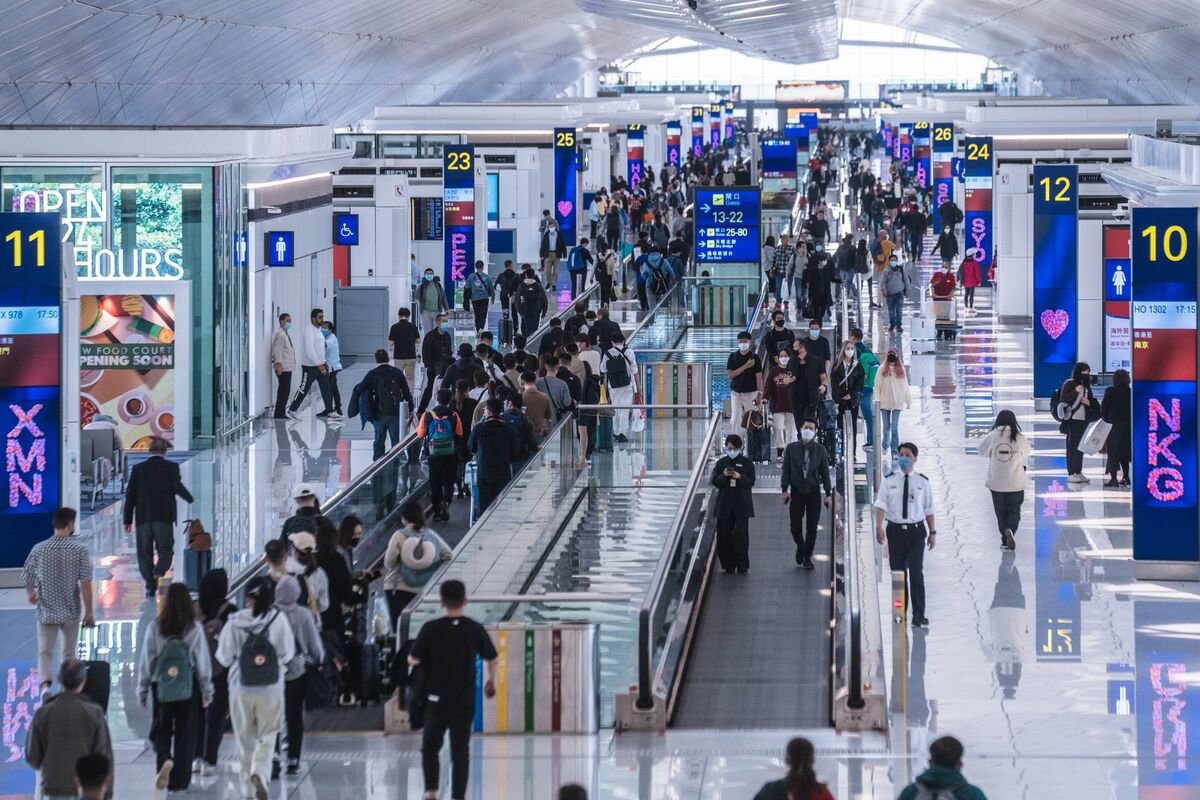
Initiatives such as Stock Connect, Bond Connect and Wealth Management Connect allow global investors to access Chinese equities, bonds and wealth products through Hong Kong’s regulated financial infrastructure.

Market participants say these connectivity mechanisms have significantly expanded the range of opportunities available to international investors while preserving strong regulatory oversight.

The programs also support Chinese companies seeking international capital, reinforcing Hong Kong’s long-standing role as a financial gateway between China and the rest of the world.

Beyond mainland access, Hong Kong’s broader regional reach across Asia-Pacific markets remains a key part of its investment appeal.

The city hosts one of the region’s largest stock exchanges and serves as a major hub for asset management, private banking and international finance.

Global investors use Hong Kong as a base for allocating capital across emerging Asian economies, including Southeast Asia and fast-growing technology sectors throughout the region.

Authorities are also promoting reforms aimed at strengthening the competitiveness of the city’s capital markets.
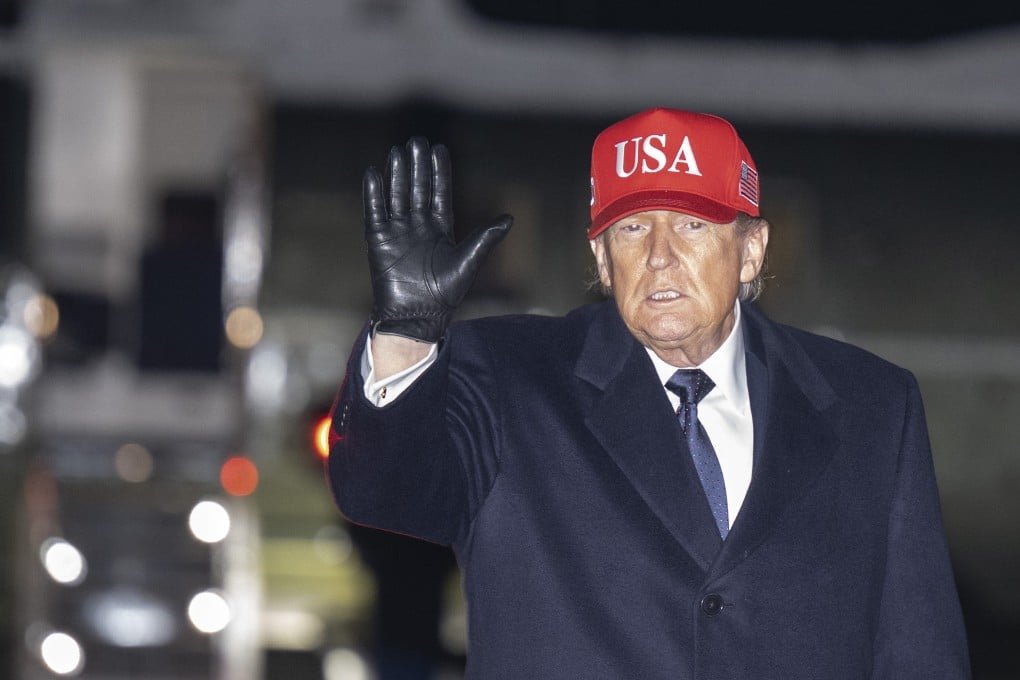
Proposed adjustments to listing rules, expanded confidential filing processes and other regulatory updates are designed to attract high-growth companies while maintaining transparency and investor protection.

Financial industry leaders say Hong Kong’s legal framework, deep liquidity and convertible currency provide a unique platform for global capital flows in Asia.

The city’s common-law system, independent financial regulation and strong institutional infrastructure continue to differentiate it from many other regional financial centers.

Despite global economic uncertainty and shifting geopolitical dynamics, analysts note that Hong Kong remains one of the world’s largest venues for equity fundraising and cross-border finance.

The city’s ability to connect international investors with opportunities across mainland China and the wider Asia-Pacific region is expected to remain a central pillar of its financial strategy in the coming years.

As governments and companies across Asia pursue new investment and infrastructure projects, Hong Kong’s combination of market access, financial expertise and regional connectivity is likely to play an increasingly important role in channeling global capital into the region.
Stock exchange consultation aims to expose lawyers, auditors and consultants linked to flawed listing applications in effort to raise standards
Hong Kong’s stock exchange has proposed expanding its public “name and shame” mechanism to include lawyers and other advisers involved in problematic initial public offering filings, as regulators step up efforts to improve the quality of listing applications.

Under the proposal, the exchange would publicly disclose the identities of professional advisers—including lawyers, accountants, auditors and industry consultants—connected to IPO submissions that are rejected due to major errors or deficiencies.

The move would broaden the current practice, which has largely focused on listing sponsors such as investment banks responsible for guiding companies through the IPO process.

Regulators say the initiative is intended to address concerns about declining standards in listing documentation as the number of applications has surged.

Officials have pointed to cases in which draft filings contained significant inaccuracies, incomplete responses to regulatory queries or overly promotional language that failed to meet disclosure requirements.

Authorities believe that expanding the policy will create stronger incentives for all participants in the IPO process to meet professional standards.

By making the advisers involved in problematic applications publicly identifiable, the exchange hopes to encourage more rigorous due diligence and closer oversight by the law firms and advisory teams working on listing transactions.

The proposed reform forms part of a broader consultation on changes to Hong Kong’s listing framework.

Alongside the expanded disclosure rules, the exchange is considering additional measures designed to strengthen the city’s competitiveness as a global capital-raising centre, including adjustments to share-structure rules and expanded confidential filing procedures for companies preparing to go public.

Market regulators have already warned that the rapid rise in IPO applications has placed pressure on advisers and sponsors, occasionally resulting in substandard filings and inadequate due diligence.

In recent guidance, authorities highlighted serious deficiencies in some listing documents and stressed that sponsors must ensure they fully understand the businesses they bring to market.

Hong Kong remains one of the world’s leading venues for equity fundraising, particularly for companies seeking international capital while maintaining ties with mainland China.

The exchange has introduced a series of reforms in recent years aimed at preserving investor confidence while continuing to attract high-growth companies and technology firms to list in the city.

The consultation on the expanded “name and shame” mechanism will remain open for public feedback until May, after which regulators will decide whether to adopt the proposal as part of the evolving framework governing Hong Kong’s IPO market.
Chinese officials signal strong objections to U.S. positions on Hong Kong activist Jimmy Lai and military support for Taiwan as President Trump prepares for a high-profile trip to China
Beijing has issued a sharp warning to Washington over the case of imprisoned Hong Kong media entrepreneur Jimmy Lai and potential United States arms sales to Taiwan, underscoring the delicate diplomatic environment ahead of President Donald Trump’s planned visit to China.

Chinese officials said the two issues touch on matters Beijing regards as central to its national sovereignty and internal affairs.

The warnings come as preparations continue for a high-level meeting between President Trump and Chinese President Xi Jinping, a visit expected to address trade, security and broader geopolitical tensions between the world’s two largest economies.

The Jimmy Lai case has become a point of friction in international diplomacy surrounding Hong Kong’s political environment.

Lai, founder of the now-closed Apple Daily newspaper, is facing legal proceedings under Hong Kong’s national security law.

Chinese authorities maintain that the case is a judicial matter handled under Hong Kong’s legal framework and have repeatedly objected to what they describe as external interference.

Alongside the dispute over the Hong Kong case, Beijing has strongly objected to proposed U.S. arms sales to Taiwan.

Chinese officials have warned that further military assistance to the island could damage bilateral relations and complicate the atmosphere surrounding President Trump’s upcoming visit.

Washington, however, has long maintained that arms sales to Taiwan are defensive in nature and consistent with U.S. law requiring support for the island’s ability to maintain self-defence.

The policy is rooted in the Taiwan Relations Act, which guides unofficial ties between the United States and Taiwan and has been followed by successive American administrations for decades.

Reports indicate the Trump administration is considering an additional arms package for Taiwan that could include air-defence systems such as Patriot missiles and other equipment designed to strengthen the island’s defensive capabilities.

Chinese officials have warned that proceeding with such a deal could disrupt diplomatic engagement, including the possibility of President Trump’s visit to Beijing.

The upcoming meeting between Trump and Xi is expected to be a key moment in efforts to manage strategic competition while maintaining channels for dialogue on trade, regional security and global stability.

Analysts say the tensions surrounding Hong Kong and Taiwan illustrate the complex balance both governments must strike as they pursue diplomacy while defending their respective national interests.

Despite the disagreements, both sides have signaled interest in continuing high-level engagement, suggesting that the visit could still proceed as a platform for broader negotiations over economic cooperation, security concerns and the future direction of U.S.–China relations.
Chinese officials signal strong objections to U.S. positions on Hong Kong activist Jimmy Lai and military support for Taiwan as President Trump prepares for a high-profile trip to China
Beijing has issued a sharp warning to Washington over the case of imprisoned Hong Kong media entrepreneur Jimmy Lai and potential United States arms sales to Taiwan, underscoring the delicate diplomatic environment ahead of President Donald Trump’s planned visit to China.

Chinese officials said the two issues touch on matters Beijing regards as central to its national sovereignty and internal affairs.

The warnings come as preparations continue for a high-level meeting between President Trump and Chinese President Xi Jinping, a visit expected to address trade, security and broader geopolitical tensions between the world’s two largest economies.

The Jimmy Lai case has become a point of friction in international diplomacy surrounding Hong Kong’s political environment.

Lai, founder of the now-closed Apple Daily newspaper, is facing legal proceedings under Hong Kong’s national security law.

Chinese authorities maintain that the case is a judicial matter handled under Hong Kong’s legal framework and have repeatedly objected to what they describe as external interference.

Alongside the dispute over the Hong Kong case, Beijing has strongly objected to proposed U.S. arms sales to Taiwan.

Chinese officials have warned that further military assistance to the island could damage bilateral relations and complicate the atmosphere surrounding President Trump’s upcoming visit.

Washington, however, has long maintained that arms sales to Taiwan are defensive in nature and consistent with U.S. law requiring support for the island’s ability to maintain self-defence.

The policy is rooted in the Taiwan Relations Act, which guides unofficial ties between the United States and Taiwan and has been followed by successive American administrations for decades.

Reports indicate the Trump administration is considering an additional arms package for Taiwan that could include air-defence systems such as Patriot missiles and other equipment designed to strengthen the island’s defensive capabilities.

Chinese officials have warned that proceeding with such a deal could disrupt diplomatic engagement, including the possibility of President Trump’s visit to Beijing.

The upcoming meeting between Trump and Xi is expected to be a key moment in efforts to manage strategic competition while maintaining channels for dialogue on trade, regional security and global stability.

Analysts say the tensions surrounding Hong Kong and Taiwan illustrate the complex balance both governments must strike as they pursue diplomacy while defending their respective national interests.

Despite the disagreements, both sides have signaled interest in continuing high-level engagement, suggesting that the visit could still proceed as a platform for broader negotiations over economic cooperation, security concerns and the future direction of U.S.–China relations.
Form guide highlights leading contenders and tactical insights for the latest meeting at Sha Tin Racecourse
Attention turns to Sha Tin Racecourse as Hong Kong’s racing calendar continues with a competitive overnight program featuring several closely matched fields and emerging contenders across multiple distances.

Handicappers and analysts have focused on a series of races where recent form and track conditions are expected to play decisive roles.

Horses stepping up in distance and those returning after strong barrier trials have attracted particular interest from observers studying the card.

Among the runners drawing attention are several progressive types who have shown steady improvement in recent outings at Sha Tin and Happy Valley.

Horses that performed strongly over similar distances earlier in the season appear well positioned if they reproduce those efforts, particularly those benefiting from favorable barrier draws and experienced jockey bookings.

Race analysis for the meeting highlights the importance of pace scenarios at Sha Tin, where early positioning can often determine outcomes on the expansive course.

Horses capable of securing forward positions without expending excessive energy are expected to gain a tactical advantage, especially in middle-distance contests where rhythm and timing in the final stretch are critical.

Analysts also point to the potential impact of weight assignments in several handicap races.

Runners receiving lighter imposts after recent competitive finishes may be poised to improve, while higher-weighted favorites will need to overcome both the burden and strong opposition in deep fields.

Track conditions are forecast to remain consistent, with the Sha Tin surface expected to provide a fair test across the program.

Trainers with strong historical records at the venue have multiple entrants on the card, further intensifying interest among bettors and racing enthusiasts.

The meeting is set to offer a mix of established performers and lightly raced prospects seeking to break through at one of Asia’s most prominent racing venues.

As the fields assemble under the lights at Sha Tin, form students and fans alike will be watching closely to see which contenders translate preparation and favorable conditions into winning performances.
Form guide highlights leading contenders and tactical insights for the latest meeting at Sha Tin Racecourse
Attention turns to Sha Tin Racecourse as Hong Kong’s racing calendar continues with a competitive overnight program featuring several closely matched fields and emerging contenders across multiple distances.

Handicappers and analysts have focused on a series of races where recent form and track conditions are expected to play decisive roles.

Horses stepping up in distance and those returning after strong barrier trials have attracted particular interest from observers studying the card.

Among the runners drawing attention are several progressive types who have shown steady improvement in recent outings at Sha Tin and Happy Valley.

Horses that performed strongly over similar distances earlier in the season appear well positioned if they reproduce those efforts, particularly those benefiting from favorable barrier draws and experienced jockey bookings.

Race analysis for the meeting highlights the importance of pace scenarios at Sha Tin, where early positioning can often determine outcomes on the expansive course.

Horses capable of securing forward positions without expending excessive energy are expected to gain a tactical advantage, especially in middle-distance contests where rhythm and timing in the final stretch are critical.

Analysts also point to the potential impact of weight assignments in several handicap races.

Runners receiving lighter imposts after recent competitive finishes may be poised to improve, while higher-weighted favorites will need to overcome both the burden and strong opposition in deep fields.

Track conditions are forecast to remain consistent, with the Sha Tin surface expected to provide a fair test across the program.

Trainers with strong historical records at the venue have multiple entrants on the card, further intensifying interest among bettors and racing enthusiasts.

The meeting is set to offer a mix of established performers and lightly raced prospects seeking to break through at one of Asia’s most prominent racing venues.

As the fields assemble under the lights at Sha Tin, form students and fans alike will be watching closely to see which contenders translate preparation and favorable conditions into winning performances.
Investigators examine investment firm whose high-risk bets and inability to pass a major bank’s internal review preceded one of the city’s most significant financial-sector probes in years
A Hong Kong hedge fund that recently became the focus of major regulatory raids had already raised concerns within the financial community after pursuing aggressive trading strategies and failing an internal risk review conducted by a leading global investment bank.

Before authorities carried out one of the largest financial-sector enforcement operations in the city in years, the hedge fund—Infini Capital Management—had attracted attention among traders and bankers because of its unusually concentrated investment bets and rapid growth.

Market participants said the firm’s trading approach relied on large, directional positions that amplified potential returns but also heightened the risk of major losses.

([Bloomberg.com][1])

The firm’s operations came under deeper scrutiny when it reportedly failed to satisfy the due-diligence requirements of Goldman Sachs, one of the world’s largest prime brokers.

Such internal reviews are designed to evaluate hedge funds’ risk controls, governance structures and trading practices before banks extend services such as financing, securities lending and trade execution.

A failure to pass these checks can limit a fund’s access to leverage and other critical trading infrastructure.

Despite the setback, Infini Capital continued to pursue large investment positions across equity markets, according to industry participants familiar with its strategy.

Traders described the firm as willing to place concentrated bets that could deliver substantial gains but also expose investors to sudden volatility.

The hedge fund’s activities later became entangled in a wide-ranging investigation by Hong Kong authorities into suspected insider trading and bribery linked to equity placements.

Investigators from the city’s anti-corruption agency and market regulator conducted coordinated searches of offices and private residences and detained multiple individuals connected to brokerage firms and the hedge fund sector.

Authorities allege that confidential information about upcoming share placements was improperly shared with investors who could profit by short-selling affected stocks ahead of the announcements.

Officials say the alleged scheme involved the exchange of payments to obtain early access to market-sensitive information, enabling traders to take positions before share issuances that often cause stock prices to decline.

In total, investigators believe the trades generated hundreds of millions of Hong Kong dollars in profit.

The investigation marks one of the most prominent enforcement actions in Hong Kong’s financial industry in recent years, reflecting regulators’ effort to preserve confidence in the city’s capital markets as global competition intensifies.

Authorities have stressed that maintaining transparency and fair dealing remains essential to the territory’s reputation as an international financial center.

Analysts say the episode highlights the risks associated with highly leveraged hedge fund strategies and the importance of strong oversight from both banks and regulators.

Internal risk checks by major financial institutions are often the first line of defense against potentially destabilizing trading practices, particularly when investment firms rely on borrowed capital to amplify returns.

The investigation remains ongoing, and officials have not announced final charges or conclusions.

Market participants say the outcome will likely influence how banks, investors and regulators assess hedge fund risk management and compliance standards in one of Asia’s most important financial hubs.
Investigators examine investment firm whose high-risk bets and inability to pass a major bank’s internal review preceded one of the city’s most significant financial-sector probes in years
A Hong Kong hedge fund that recently became the focus of major regulatory raids had already raised concerns within the financial community after pursuing aggressive trading strategies and failing an internal risk review conducted by a leading global investment bank.

Before authorities carried out one of the largest financial-sector enforcement operations in the city in years, the hedge fund—Infini Capital Management—had attracted attention among traders and bankers because of its unusually concentrated investment bets and rapid growth.

Market participants said the firm’s trading approach relied on large, directional positions that amplified potential returns but also heightened the risk of major losses.

([Bloomberg.com][1])

The firm’s operations came under deeper scrutiny when it reportedly failed to satisfy the due-diligence requirements of Goldman Sachs, one of the world’s largest prime brokers.

Such internal reviews are designed to evaluate hedge funds’ risk controls, governance structures and trading practices before banks extend services such as financing, securities lending and trade execution.

A failure to pass these checks can limit a fund’s access to leverage and other critical trading infrastructure.

Despite the setback, Infini Capital continued to pursue large investment positions across equity markets, according to industry participants familiar with its strategy.

Traders described the firm as willing to place concentrated bets that could deliver substantial gains but also expose investors to sudden volatility.

The hedge fund’s activities later became entangled in a wide-ranging investigation by Hong Kong authorities into suspected insider trading and bribery linked to equity placements.

Investigators from the city’s anti-corruption agency and market regulator conducted coordinated searches of offices and private residences and detained multiple individuals connected to brokerage firms and the hedge fund sector.

Authorities allege that confidential information about upcoming share placements was improperly shared with investors who could profit by short-selling affected stocks ahead of the announcements.

Officials say the alleged scheme involved the exchange of payments to obtain early access to market-sensitive information, enabling traders to take positions before share issuances that often cause stock prices to decline.

In total, investigators believe the trades generated hundreds of millions of Hong Kong dollars in profit.

The investigation marks one of the most prominent enforcement actions in Hong Kong’s financial industry in recent years, reflecting regulators’ effort to preserve confidence in the city’s capital markets as global competition intensifies.

Authorities have stressed that maintaining transparency and fair dealing remains essential to the territory’s reputation as an international financial center.

Analysts say the episode highlights the risks associated with highly leveraged hedge fund strategies and the importance of strong oversight from both banks and regulators.

Internal risk checks by major financial institutions are often the first line of defense against potentially destabilizing trading practices, particularly when investment firms rely on borrowed capital to amplify returns.

The investigation remains ongoing, and officials have not announced final charges or conclusions.

Market participants say the outcome will likely influence how banks, investors and regulators assess hedge fund risk management and compliance standards in one of Asia’s most important financial hubs.
Regulators outline reforms designed to make Hong Kong’s stock market more competitive by easing certain listing requirements and expanding flexible share structures
Hong Kong’s stock exchange has proposed a series of reforms aimed at easing listing rules in an effort to attract more companies to the city’s capital markets and reinforce its role as a leading global financial hub.

The proposed measures would relax several requirements for companies seeking to list on the Hong Kong Exchange, part of a broader strategy to strengthen the market’s competitiveness as international competition for initial public offerings intensifies.

Officials say the initiative is intended to make the exchange more appealing to high-growth technology firms and multinational companies considering listings outside their home markets.

Among the proposals are changes to share-structure rules that would give companies greater flexibility in issuing multiple classes of shares.

Such structures are commonly used by founders and technology entrepreneurs to retain strategic control of their companies after going public.

Regulators believe loosening these restrictions could make Hong Kong more attractive to innovative firms that previously chose other financial centers for their listings.

The exchange is also examining the expansion of confidential filing procedures, which allow companies to submit draft listing applications privately before publicly announcing their intention to go public.

Supporters say the approach reduces the risks companies face during the early stages of the listing process and gives businesses greater confidence to explore an offering without immediately exposing sensitive financial information.

At the same time, regulators are considering additional transparency measures designed to improve the quality of listing submissions.

One proposal would expand disclosure of advisers involved in initial public offering applications that are rejected because of major errors or deficiencies, creating stronger incentives for banks, lawyers and auditors to ensure filings meet required standards.

The reforms come as Hong Kong’s capital markets have experienced renewed activity following a period of subdued dealmaking during the pandemic years.

The city has recently regained momentum as a destination for public offerings, including listings by companies seeking international capital while maintaining strong ties with mainland China.

Market observers say the proposed changes highlight the exchange’s effort to balance two priorities: maintaining rigorous regulatory standards while ensuring that Hong Kong remains competitive with rival financial centers such as New York, London and Singapore.

The consultation period for the reforms will allow industry participants, investors and professional advisers to provide feedback before any final changes are implemented.

Regulators say the goal is to refine the framework so that Hong Kong can continue attracting global companies while maintaining investor confidence in the integrity of its markets.
Regulators outline reforms designed to make Hong Kong’s stock market more competitive by easing certain listing requirements and expanding flexible share structures
Hong Kong’s stock exchange has proposed a series of reforms aimed at easing listing rules in an effort to attract more companies to the city’s capital markets and reinforce its role as a leading global financial hub.

The proposed measures would relax several requirements for companies seeking to list on the Hong Kong Exchange, part of a broader strategy to strengthen the market’s competitiveness as international competition for initial public offerings intensifies.

Officials say the initiative is intended to make the exchange more appealing to high-growth technology firms and multinational companies considering listings outside their home markets.

Among the proposals are changes to share-structure rules that would give companies greater flexibility in issuing multiple classes of shares.

Such structures are commonly used by founders and technology entrepreneurs to retain strategic control of their companies after going public.

Regulators believe loosening these restrictions could make Hong Kong more attractive to innovative firms that previously chose other financial centers for their listings.

The exchange is also examining the expansion of confidential filing procedures, which allow companies to submit draft listing applications privately before publicly announcing their intention to go public.

Supporters say the approach reduces the risks companies face during the early stages of the listing process and gives businesses greater confidence to explore an offering without immediately exposing sensitive financial information.

At the same time, regulators are considering additional transparency measures designed to improve the quality of listing submissions.

One proposal would expand disclosure of advisers involved in initial public offering applications that are rejected because of major errors or deficiencies, creating stronger incentives for banks, lawyers and auditors to ensure filings meet required standards.

The reforms come as Hong Kong’s capital markets have experienced renewed activity following a period of subdued dealmaking during the pandemic years.

The city has recently regained momentum as a destination for public offerings, including listings by companies seeking international capital while maintaining strong ties with mainland China.

Market observers say the proposed changes highlight the exchange’s effort to balance two priorities: maintaining rigorous regulatory standards while ensuring that Hong Kong remains competitive with rival financial centers such as New York, London and Singapore.

The consultation period for the reforms will allow industry participants, investors and professional advisers to provide feedback before any final changes are implemented.

Regulators say the goal is to refine the framework so that Hong Kong can continue attracting global companies while maintaining investor confidence in the integrity of its markets.
Closure of a vital global shipping route exposes heavy dependence on Middle Eastern crude across Asia while the United States remains comparatively insulated
A prolonged disruption to shipping through the Strait of Hormuz is intensifying concerns about energy security across Asia, as governments assess the potential impact on oil supplies and economic stability.

The narrow maritime corridor, one of the world’s most important energy chokepoints, typically carries around twenty million barrels of crude oil and petroleum products every day—roughly one fifth of global consumption.

The vast majority of this supply flows to Asian markets, leaving many of the region’s largest economies heavily exposed to any interruption in shipments.

South Korea is widely considered among the most vulnerable major importers due to its reliance on Middle Eastern crude.

Roughly two thirds of the country’s oil imports normally pass through the strait, making the stability of the route a central pillar of its energy security.

Like many advanced economies, however, South Korea maintains extensive strategic reserves built over decades precisely to cushion supply disruptions.

Japan faces similar structural exposure.

The country imports about ninety five percent of its crude oil from the Middle East, with a substantial share transported through the Strait of Hormuz.

Tokyo has built one of the world’s largest strategic petroleum stockpiles, holding reserves capable of covering many months of demand, a safeguard designed to protect the economy during periods of geopolitical volatility.

Other Asian economies are also closely watching the situation.

India relies heavily on Middle Eastern suppliers for the majority of its oil imports, while Pakistan and Bangladesh possess more limited strategic storage capacity and could face greater pressure if supply interruptions persist.

Governments across the region are exploring alternative suppliers and adjusting procurement strategies as global markets respond to the disruption.

China, the world’s largest oil importer, sources a smaller but still significant share of its crude from routes linked to the strait.

Beijing has spent years expanding strategic petroleum reserves and diversifying supply channels, including pipeline imports and purchases from Russia and other producers, giving it somewhat greater flexibility during sudden disruptions.

The crisis is also reshaping global energy flows.

While Asian markets remain heavily dependent on Middle Eastern crude, the United States relies far less on oil shipments passing through the strait due to its large domestic production and diversified supply network.

American exporters and other producers outside the Gulf are already moving to increase shipments as global buyers search for alternative sources.

Energy analysts warn that the duration of the disruption will determine the scale of the economic impact.

Short-term interruptions can be absorbed through strategic reserves and alternative logistics, but a prolonged closure of the strait would strain supply chains, drive up global oil prices, and test the resilience of energy systems across the world.
President Masoud Pezeshkian says recognition of Iran’s rights, compensation for war damage, and guarantees against future attacks are required for peace
Iran has outlined three central conditions that it says must be met before the ongoing regional conflict can come to an end, as diplomatic efforts gather pace to halt the escalating violence.

President Masoud Pezeshkian stated on March eleven that any credible path toward peace must begin with formal international recognition of Iran’s rights, compensation for damage caused during the war, and binding guarantees that the country will not face further attacks in the future.

The statement was released following discussions with leaders from Russia and Pakistan, during which the Iranian leader reiterated Tehran’s stated commitment to regional stability and dialogue.

According to the Iranian president, the conflict cannot be resolved without what he described as the acknowledgment of Iran’s sovereignty and legitimate national interests by the wider international community.

He said that the payment of reparations for war-related destruction and losses is another essential element of a potential settlement.

A third requirement, he added, involves firm international assurances designed to prevent renewed hostilities.

Tehran has argued that long-term stability would depend on clear commitments ensuring that future military action against Iran does not occur.

Pezeshkian also blamed the outbreak of the conflict on actions taken by Israel and the United States, asserting that the war began as a result of their military operations.

Iran has maintained that recognition of its rights and security guarantees are necessary foundations for a lasting ceasefire.

The remarks come as diplomatic engagement among regional and international actors continues to intensify.

Russia has called on all sides to halt hostilities and pursue de-escalation, warning that prolonged fighting risks further destabilizing the broader Middle East.

While negotiations remain uncertain, the announcement marks the clearest articulation yet of Tehran’s conditions for ending the conflict.

Iranian officials have signaled that any agreement must address both immediate security concerns and the longer-term political framework governing relations in the region.
Major global banks withdraw prime brokerage services after authorities launch sweeping investigation into alleged market misconduct
Two of the world’s largest investment banks, JPMorgan Chase and UBS, have severed prime brokerage relationships with a hedge fund caught up in a widening insider trading investigation in Hong Kong, according to people familiar with the matter.

The move follows a major probe launched by Hong Kong’s Securities and Futures Commission and the Independent Commission Against Corruption into suspected insider dealing and bribery within the city’s financial sector.

Authorities have arrested multiple individuals and conducted searches of corporate offices and private residences as part of the investigation.

According to officials, the investigation centers on allegations that brokerage personnel accepted bribes exceeding four million Hong Kong dollars in exchange for confidential information about upcoming share placements.

Armed with advance knowledge of those transactions, a hedge fund is suspected of placing trades that generated profits of roughly three hundred fifteen million Hong Kong dollars.

In response to the unfolding investigation, JPMorgan and UBS moved to distance themselves from the hedge fund by ending or declining to continue prime brokerage relationships, which typically provide financing, trading and custody services for large investment funds.

Such relationships are critical for hedge funds operating in global equity markets, making the withdrawal of major banking partners a significant development.

The decision by the banks reportedly came before details of the investigation became public, reflecting heightened caution among global financial institutions amid increasing regulatory scrutiny in Hong Kong’s capital markets.
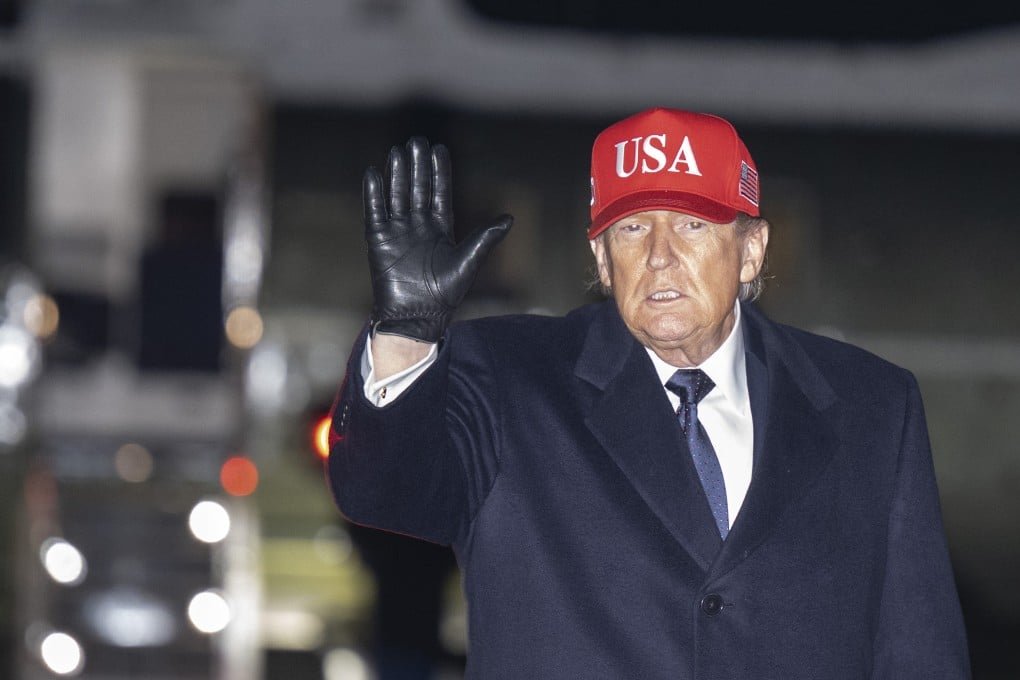
Financial groups have become more sensitive to potential compliance risks as regulators intensify enforcement against insider trading and market manipulation.

Authorities say the suspected scheme involved short selling shares ahead of new stock placements, a strategy that can generate substantial profits because share prices often fall when additional stock is issued into the market.

Hong Kong remains one of the world’s leading financial centers, and regulators have emphasized that maintaining transparency and investor confidence is a central priority.

The latest probe represents one of the most prominent market misconduct investigations in the city in recent years.

Analysts say the withdrawal of support from major global banks illustrates how quickly financial institutions move to limit exposure when clients become connected to regulatory investigations, particularly in markets where compliance standards are tightly enforced.
Observers say Hong Kong’s earlier wave of expatriate departures offers lessons for Dubai as geopolitical tensions reshape the priorities of global professionals
Dubai’s role as a global business hub is being examined through the lens of Hong Kong’s recent experience with expatriate departures, as analysts consider how international professionals respond to political uncertainty and regional instability.

Over the past several years, Hong Kong experienced a notable outflow of expatriates and international professionals, driven by a combination of political developments, pandemic restrictions and evolving economic conditions.

The shift prompted multinational companies and financial institutions to reassess staffing strategies while some workers relocated to other Asian and global financial centers.

Dubai now finds itself navigating a different but equally complex environment as heightened tensions across the Middle East raise questions about long-term stability in the region.

While the emirate has built a reputation as a safe and highly connected commercial hub, the broader geopolitical landscape has encouraged governments and corporations to review contingency plans and mobility strategies for expatriate staff.

Analysts say Hong Kong’s experience illustrates how international talent often reacts quickly to perceived risks, even when the core economic fundamentals of a financial center remain strong.

In Hong Kong’s case, some expatriates left during periods of uncertainty, while others eventually returned as travel restrictions eased and business activity stabilized.

Dubai’s authorities have taken steps to reinforce the city’s attractiveness to global professionals.

Long-term residency visas, tax advantages and policies designed to attract entrepreneurs and investors have helped the emirate position itself as a destination for international talent seeking stability and opportunity.

Supporters of Dubai’s model argue that its diversified economy, strong infrastructure and global connectivity provide resilience even during periods of regional tension.

The city has continued to host multinational headquarters, financial institutions and technology firms, while maintaining one of the world’s busiest aviation hubs.

Observers note that the comparison with Hong Kong is not exact.

Hong Kong operates within a different political and regulatory framework and is closely tied to mainland China’s economy, while Dubai serves as a gateway between Europe, Asia and Africa.

Still, the earlier shifts in Hong Kong’s expatriate population offer insights into how global cities can maintain competitiveness during uncertain periods.

Experts say maintaining transparent policies, reliable infrastructure and openness to international professionals remains central to sustaining a city’s appeal as a global business center.
Investment bank seeks to raise renminbi funding through low-yield notes as Hong Kong strengthens role as offshore yuan financing hub
China International Capital Corporation is preparing to issue two billion yuan in fixed-rate notes in Hong Kong, offering investors a coupon of one point nine zero percent and a maturity date in twenty twenty eight.

The planned offering reflects continued activity in the offshore renminbi bond market, often known as the dim sum bond market, which allows mainland Chinese companies and financial institutions to raise yuan-denominated funding outside mainland China.

Hong Kong remains the primary center for such issuance, supported by its deep capital markets and international investor base.

The notes will be denominated in Chinese yuan and are expected to mature in twenty twenty eight, giving the securities a medium-term profile that appeals to investors seeking relatively stable yields in Asia’s fixed-income markets.
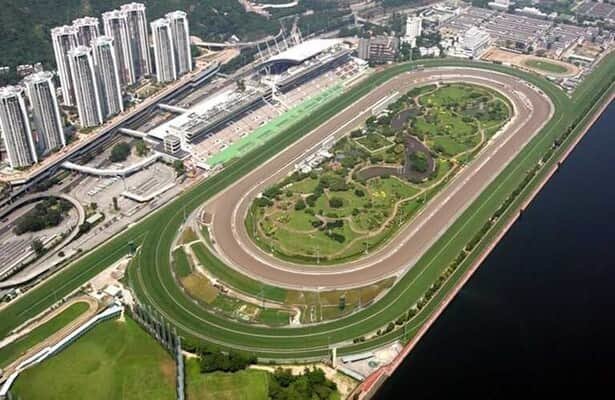
The coupon rate of one point nine zero percent places the bond among lower-yield offerings typical for highly rated financial institutions with strong government-linked backing.

China International Capital Corporation, commonly known as CICC, is one of China’s leading investment banks, providing services across investment banking, asset management, equities and fixed-income trading.

Founded in nineteen ninety five and headquartered in Beijing, the firm operates internationally through offices in major financial centers including Hong Kong, New York and London.

:contentReference[oaicite:0]{index=0}

Market participants say the issuance highlights continued demand for renminbi-denominated securities in offshore markets as investors seek exposure to China’s currency and financial sector.

The dim sum bond market has grown steadily over the past decade, becoming an important channel for Chinese institutions to diversify funding sources while promoting the international use of the yuan.

Hong Kong’s role as the primary offshore renminbi financing hub has been reinforced by a steady pipeline of corporate and financial bond offerings.

The city’s regulatory framework and liquidity pools make it a preferred venue for mainland companies seeking to tap international investors without issuing debt in foreign currencies.

For CICC, the transaction also supports broader funding flexibility, enabling the firm to strengthen its capital base while continuing to expand investment banking and wealth management operations across global markets.
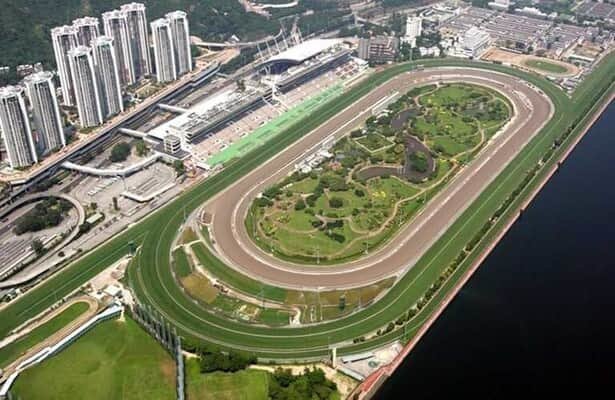
Analysts note that renminbi bond issuance in Hong Kong often attracts both Asian institutional investors and international funds seeking diversification.

The offering therefore reflects not only the financing strategy of the investment bank but also the continuing development of Hong Kong’s offshore yuan capital market.
Major political gathering outlines economic priorities and long-term planning while emphasizing continuity during a period of global turbulence
China’s annual “two sessions,” the country’s most significant political meetings, concluded in Beijing after several days of deliberations that unfolded with notable procedural stability despite a backdrop of heightened global uncertainty.

The gatherings bring together the National People’s Congress, China’s top legislature, and the Chinese People’s Political Consultative Conference, the country’s main political advisory body.

Held each year in Beijing, the meetings serve as a central platform for reviewing government performance, approving legislation and setting policy priorities for the year ahead.

This year’s sessions attracted particular attention as China prepares for a new policy cycle tied to the next national development blueprint, expected to guide economic and social strategy through the latter part of the decade.

The planning process comes at a time when the global economy faces slowing growth, geopolitical tensions and evolving trade patterns.

Delegates and officials focused heavily on themes of stability, economic resilience and long term planning.

Policymakers signaled continuity in major policy directions while highlighting efforts to sustain growth through technological development, industrial upgrading and stronger domestic demand.

China’s leadership also used the sessions to outline priorities including expanding advanced manufacturing, strengthening scientific research and promoting infrastructure investment.

Fiscal policy and economic targets for the coming year were reviewed as part of broader discussions on maintaining steady development.

Observers note that the orderly progression of the meetings reflects the country’s emphasis on policy planning and institutional continuity.

Supporters argue that this approach provides a degree of predictability at a time when many global economies are facing political uncertainty and economic volatility.

The sessions also offer a platform for signaling China’s international outlook.

Officials reiterated the country’s intention to remain engaged with global markets while pursuing development strategies centered on innovation, industrial modernization and long term economic stability.

As the world’s second largest economy confronts shifting global conditions, the outcomes of the meetings provide insight into how Beijing intends to steer its economic strategy and governance priorities in the years ahead.
Property developer continues capital return strategy by retiring repurchased shares as part of broader buyback programme
Hongkong Land has cancelled 175,000 ordinary shares following a recent market repurchase, continuing a series of transactions under its ongoing share buyback programme aimed at returning capital to shareholders and refining its capital structure.

The shares were repurchased on January twenty six at prices ranging between eight dollars and twenty one cents and eight dollars and thirty five cents per share, with a weighted average purchase price of approximately eight dollars and twenty eight cents.

After the cancellation, the shares were permanently removed from circulation, reducing the company’s total issued share capital.

Following the latest transaction, Hongkong Land’s issued share capital stands at roughly two billion one hundred fifty six million ordinary shares, each carrying equal voting rights.

The company holds no treasury shares after the cancellation.

Share buybacks and cancellations are a recurring feature of the property group’s capital management strategy.

By reducing the number of shares outstanding, the company can improve key financial indicators such as earnings per share while distributing surplus capital back to investors.

The programme forms part of a broader initiative to strengthen the balance sheet and enhance long term shareholder value.

Management has been executing repurchases periodically as market conditions allow, signalling continued confidence in the company’s underlying valuation and business outlook.

Hongkong Land, a major property investment and development group focused on premium commercial and mixed use projects in Asian gateway cities, has pursued a combination of capital recycling, asset sales and share buybacks to optimise financial flexibility in recent years.

Analysts note that while the latest buyback represents a small portion of the company’s overall share base, consistent repurchases can influence investor sentiment by demonstrating disciplined capital allocation and a commitment to shareholder returns.

The transaction reflects the company’s continued effort to manage its capital structure carefully as it navigates evolving property market conditions across Asia’s leading financial centres.
New platform promises faster, more transparent international transfers as financial institutions modernize global payment services
Banks in Hong Kong are gaining access to new cross-border payment capabilities through Mastercard Move, a platform designed to modernize how financial institutions send and receive money internationally.

The technology allows banks to process cross-border transactions in near real time while improving transparency and predictability for businesses and financial institutions moving funds between countries.

The system is designed to address long-standing challenges in international payments, where transfers have often been slow, costly and difficult to track.

Mastercard said the solution enables banks to handle commercial cross-border payments around the clock while providing greater visibility into transaction status and settlement outcomes.

The platform also allows financial institutions to manage liquidity more efficiently and reduce counterparty risk in complex global payment flows.

The initiative is part of Mastercard’s broader effort to expand its global money movement network, known as Mastercard Move, which enables funds to be transferred across more than two hundred countries and territories and in more than one hundred fifty currencies.

The network reaches billions of endpoints and a vast majority of the world’s banked population, providing infrastructure for both consumer transfers and commercial payments.

For Hong Kong’s banking sector, the development reflects growing demand for faster and more reliable cross-border transactions as companies expand international trade and supply chains across Asia and beyond.

Cross-border payment volumes have been rising steadily as businesses and investors operate across multiple markets, increasing pressure on financial institutions to modernize legacy payment systems.

Industry specialists say that traditional international transfers have often relied on complex correspondent banking networks that can create delays and limited visibility for customers.

By integrating new payment technologies with existing messaging systems used by banks, platforms such as Mastercard Move aim to reduce those inefficiencies without requiring financial institutions to rebuild their infrastructure from the ground up.

The modernization effort comes as financial centers across Asia compete to strengthen their roles in global financial services.

Hong Kong’s position as a major banking and trade hub makes efficient international payment infrastructure particularly important for companies operating across the region.

Analysts say continued innovation in digital payment networks is likely to reshape the global remittance and commercial payments landscape, as banks adopt new tools that allow money to move faster, more securely and with greater transparency across borders.
Regulators arrest multiple finance professionals as investigators examine alleged bribery scheme tied to confidential share placement information
Hong Kong authorities have launched a major investigation into suspected insider trading involving two securities brokerages and a hedge fund management firm, in one of the city’s most significant financial misconduct probes in recent years.

Eight individuals, including senior executives connected to the firms, were arrested during a joint operation carried out by the Independent Commission Against Corruption and the Securities and Futures Commission.

Investigators also conducted searches of company offices and the homes of several suspects as part of the crackdown on alleged market misconduct.

Authorities say the investigation centers on claims that brokerage personnel accepted bribes in exchange for providing confidential information about upcoming share placements.

Such placements typically lead to declines in share prices once new stock enters the market, creating opportunities for traders who have advance knowledge of the transactions.

According to investigators, more than four million Hong Kong dollars in illicit payments were allegedly exchanged for access to sensitive information.

Using the advance intelligence, a hedge fund is suspected of placing trades that generated profits estimated at around three hundred fifteen million Hong Kong dollars.

The probe focuses on a financing channel widely used in Hong Kong’s equity market, where listed companies issue new shares through private placements to raise capital.

Because such deals are often handled by investment banks and brokers before becoming public, strict rules govern how confidential information is managed.

One of the securities firms linked to the investigation confirmed that authorities searched its Hong Kong headquarters and detained an employee who is not part of the company’s board.

The firm said it is cooperating fully with investigators while reviewing internal compliance procedures.

The investigation underscores the heightened scrutiny facing financial institutions in Hong Kong, where regulators have intensified enforcement efforts against insider dealing and other forms of market manipulation.

Authorities say protecting market transparency and investor confidence remains a central priority as the city seeks to maintain its reputation as a leading global financial center.

If the allegations are substantiated, the case could lead to criminal charges and significant penalties for those involved.

Insider dealing offenses in Hong Kong carry severe punishments, including substantial fines and possible imprisonment.
Escalating regional tensions and expanded financial incentives are drawing global family offices to Hong Kong’s wealth-management hub
A growing number of family offices are turning their attention to Hong Kong as geopolitical tensions in the Middle East prompt wealthy families to reconsider where they manage and safeguard their assets.
Financial advisers and wealth managers say the combination of regional instability and new tax incentives introduced by Hong Kong authorities has intensified interest from ultra high net worth families seeking stable locations for investment management.

Family offices, which oversee the assets and long term financial planning of wealthy families, are increasingly evaluating the city as a strategic base for global portfolios.

Recent government policy initiatives have reinforced Hong Kong’s efforts to attract global wealth.

Authorities have introduced tax concessions and regulatory reforms designed specifically to support single family offices and related investment vehicles, part of a broader strategy to strengthen the city’s role as a leading wealth management hub.

These measures aim to provide greater clarity on tax treatment, reduce administrative barriers and encourage long term capital commitments.

The policy push has already delivered tangible results.
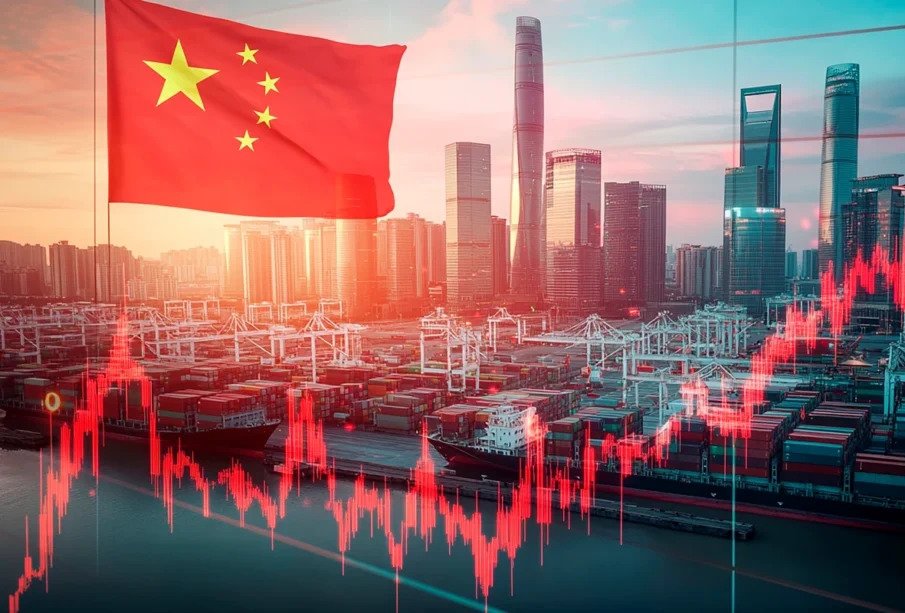
Officials say more than two hundred family offices have either established operations or expanded their presence in Hong Kong in recent years, reflecting the city’s growing appeal as a center for cross border wealth management.

The shifting geopolitical environment is also playing a role.

Rising tensions and conflict in parts of the Middle East have encouraged some wealthy individuals to diversify where their assets are held and managed.

Wealth advisers say families based in the region are exploring financial centers outside the immediate conflict zone in order to maintain stability and flexibility in global investments.

Hong Kong’s financial infrastructure and access to Asian markets are key factors behind the interest.

The city operates under a territorial tax system with no capital gains tax and offers a sophisticated network of banks, asset managers and legal advisers experienced in managing complex international portfolios.

Its proximity to mainland China’s markets also provides investors with access to one of the world’s largest pools of capital and economic growth.

The government has further strengthened its campaign to attract global wealth by introducing programs such as investment linked immigration schemes and specialized support services for family offices establishing operations in the territory.

These initiatives are designed to position Hong Kong alongside other leading wealth centers such as Singapore and Dubai.

Industry observers say that while geopolitical uncertainty often disrupts markets, it can also accelerate shifts in where wealth is managed.

In the current environment, Hong Kong appears to be benefiting from that realignment as more global families look to the city as a stable financial gateway in Asia.
Hong Kong Unveils AI-Powered Smart Catering Robot to Transform Food Service Industry
Baidu-Backed AI Biotech BioMap Moves Toward Hong Kong IPO Amid Drug Discovery Boom
Andrew Tate Appears at Hong Kong Nightlife Venues as Legal Cases Continue Abroad
Parents Face Child Neglect Charges After Son Swept Into Sea During Typhoon in Hong Kong
Hong Kong Delegation Wins Wide Recognition at Geneva International Invention Expo
Hong Kong Urged to Safeguard Fuel Supplies as Iran War Disrupts Global Energy Markets
Hong Kong Draws Surge of Biotech IPO Filings as AI-Driven Drug Discovery Gains Investor Momentum
Hong Kong Shares Slip as Iran War Tensions and Oil Supply Fears Weigh on Markets
SF Express Introduces Temporary Fuel Surcharge for Deliveries in Hong Kong and Macau
Hong Kong Moves to Expand Direct Flights and Transit Capacity as Middle East Turmoil Disrupts Global Aviation
Hong Kong Charts Policy Priorities After Beijing’s ‘Two Sessions’ Meetings
Hong Kong Moves to Tighten Moneylending Rules to Curb Debt Collector Harassment
Hong Kong Sends Full-Strength Squad to UCI Track World Cup Amid Toughest Competition of the Season
Logistics Giant GLP Eyes $20 Billion Valuation in Planned Hong Kong IPO
Hong Kong Court Upholds Convictions of Twelve Activists in Landmark National Security Case
Fight Between Two Monks During Hong Kong Temple Ceremony Leaves One Injured
Hong Kong Airlines Raise Fuel Surcharges as Oil Price Surge Ripples Through Aviation
Hong Kong’s Rural Territories Emerge as Potential Answer to Long-Standing Land Shortage
Hong Kong Seeks Aviation Opportunity as Iran War Disrupts Global Flight Routes
Douglas Young Reflects on Building Hong Kong’s Iconic G.O.D. Lifestyle Brand
HSBC and Standard Chartered Expected to Secure First Stablecoin Licenses in Hong Kong
Hong Kong Stocks Slide as US–Iran War Escalation Unsettles Global Markets
Hong Kong Students Celebrate Foreign Domestic Helpers as ‘Second Mothers’ in Emotional Tribute
Hong Kong Government Warns Staff Against Installing OpenClaw Over Security Risks
Hong Kong Positions Itself as Asia-Pacific Investment Gateway With Renewed Strategy for 2026
Hong Kong Proposes Expanding ‘Name and Shame’ Policy to IPO Lawyers and Advisers
Beijing Warns Washington Over Jimmy Lai Case and Taiwan Arms Sales Ahead of Trump Visit
Racing Spotlight: Key Picks and Analysis for Sha Tin’s Upcoming Hong Kong Card
Hong Kong Hedge Fund Under Scrutiny After Raids Revealed Aggressive Trading and Failed Bank Risk Checks
Hong Kong Exchange Proposes Looser Listing Rules to Attract More Global IPOs
Asian Energy Security Tested as Strait of Hormuz Disruption Threatens Oil Supplies
Iran Sets Three Conditions for Ending Regional War as Diplomatic Efforts Intensify
JPMorgan and UBS Cut Ties With Hedge Fund Linked to Hong Kong Insider Trading Probe
Dubai Watches Hong Kong’s Expat Experience as Regional Tensions Test Its Global Hub Status
China International Capital Plans CNY2 Billion Bond Sale in Hong Kong With 2028 Maturity
China’s Annual ‘Two Sessions’ Conclude Smoothly as Beijing Projects Stability Amid Global Uncertainty
Hongkong Land Cancels 175,000 Shares After Latest Buyback
Mastercard Move Expands Cross-Border Payment Capabilities for Hong Kong Banks
Hong Kong Authorities Launch Major Insider Trading Probe Targeting Brokers and Hedge Fund
Wealthy Families Eye Hong Kong as New Base Amid Middle East Turmoil and Fresh Tax Incentives
Thai Public Voices Rising Concern Over Government’s Iran War Stance and Energy Price Shock
Iran warns of $200 oil as forces target merchant ships in Gulf