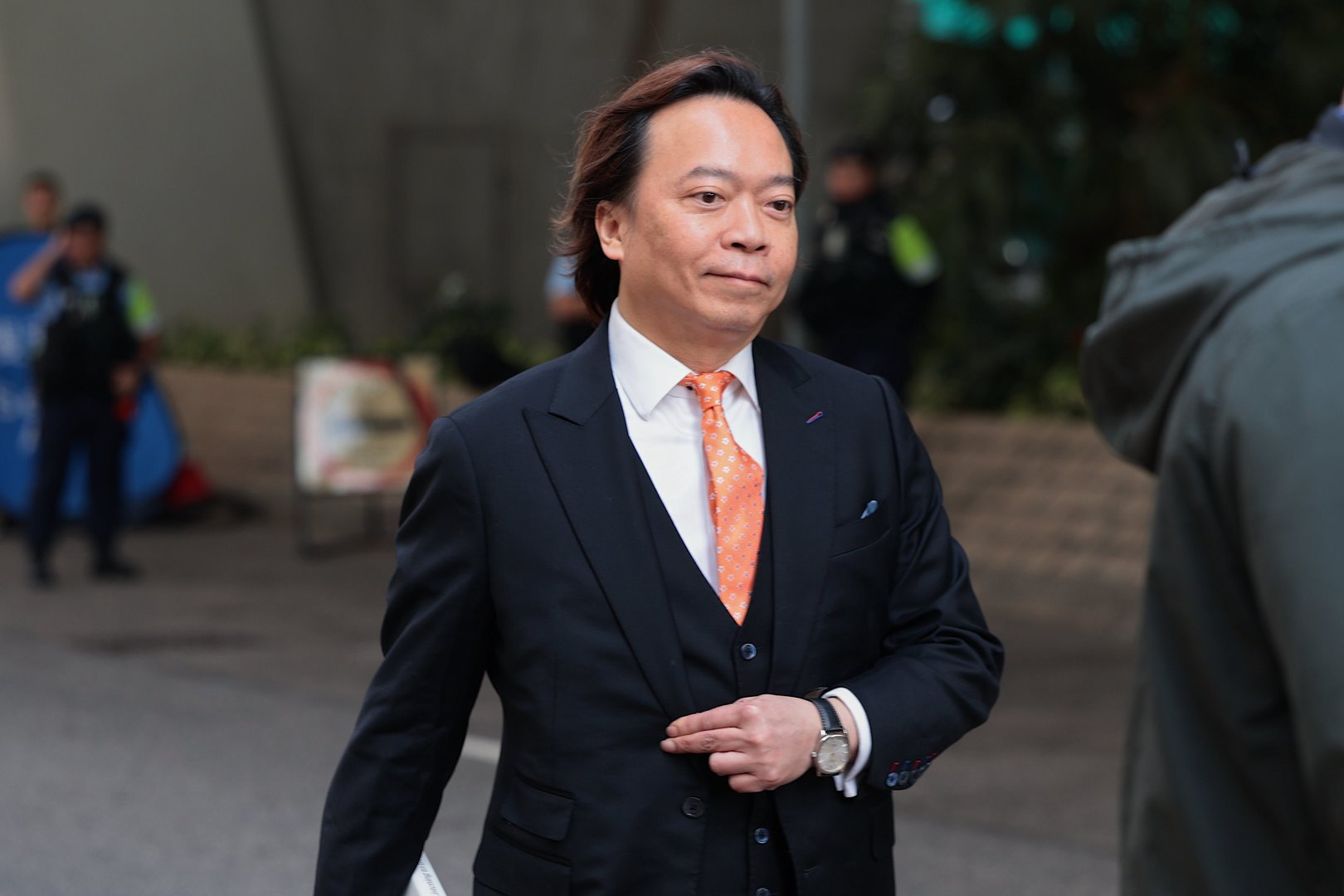
Appeals judges reject challenges by defendants linked to the ‘Hong Kong 47’ case, leaving prison sentences of up to ten years intact
Hong Kong’s Court of Appeal has rejected the appeals of twelve activists and former politicians convicted under the city’s national security law, upholding their prison sentences in one of the most significant legal cases since the legislation was introduced.
The ruling concerns individuals connected to the so-called "Hong Kong forty-seven" case, the largest prosecution brought under the national security law enacted in two thousand twenty.
The defendants had sought to overturn convictions tied to their role in organizing and participating in an unofficial primary election held in mid-two thousand twenty.
Authorities alleged that the primary was part of a broader plan to secure a majority in Hong Kong’s Legislative Council and then use that position to veto government budgets repeatedly.
Prosecutors argued that such a strategy was intended to paralyse the administration and force the city’s chief executive to step down.
Following a lengthy trial process, many of the figures involved in the case were sentenced in late two thousand twenty-four to prison terms ranging from about four years to ten years.
Among those receiving longer sentences was legal scholar Benny Tai, whom the court previously described as a central figure behind the plan.
In the latest decision, three appeal judges concluded that the convictions and sentences should stand.
Eleven of the defendants had challenged both their convictions and their prison terms, while another sought to overturn only the conviction.
The court dismissed all of the appeals.
The judges said the strategy described during the trial amounted to a coordinated effort that could undermine the constitutional order governing Hong Kong.
In their written judgment, they argued that legislators could not use their powers in a way that deliberately obstructed the functioning of government institutions.
At the same time, the court rejected an appeal filed by prosecutors seeking to overturn the earlier acquittal of one defendant, meaning that ruling remains in place.
The case stems from events following the large-scale protests that swept Hong Kong in two thousand nineteen.
The national security law was subsequently introduced in two thousand twenty, with authorities saying it was necessary to restore stability and safeguard the city’s political system.
Some of the convicted activists have already completed their prison terms and been released, while others remain in custody.
The outcome of the appeal marks another major legal milestone in a case that has drawn significant public attention both within Hong Kong and internationally.
The ruling concerns individuals connected to the so-called "Hong Kong forty-seven" case, the largest prosecution brought under the national security law enacted in two thousand twenty.
The defendants had sought to overturn convictions tied to their role in organizing and participating in an unofficial primary election held in mid-two thousand twenty.
Authorities alleged that the primary was part of a broader plan to secure a majority in Hong Kong’s Legislative Council and then use that position to veto government budgets repeatedly.
Prosecutors argued that such a strategy was intended to paralyse the administration and force the city’s chief executive to step down.
Following a lengthy trial process, many of the figures involved in the case were sentenced in late two thousand twenty-four to prison terms ranging from about four years to ten years.
Among those receiving longer sentences was legal scholar Benny Tai, whom the court previously described as a central figure behind the plan.
In the latest decision, three appeal judges concluded that the convictions and sentences should stand.
Eleven of the defendants had challenged both their convictions and their prison terms, while another sought to overturn only the conviction.
The court dismissed all of the appeals.
The judges said the strategy described during the trial amounted to a coordinated effort that could undermine the constitutional order governing Hong Kong.
In their written judgment, they argued that legislators could not use their powers in a way that deliberately obstructed the functioning of government institutions.
At the same time, the court rejected an appeal filed by prosecutors seeking to overturn the earlier acquittal of one defendant, meaning that ruling remains in place.
The case stems from events following the large-scale protests that swept Hong Kong in two thousand nineteen.
The national security law was subsequently introduced in two thousand twenty, with authorities saying it was necessary to restore stability and safeguard the city’s political system.
Some of the convicted activists have already completed their prison terms and been released, while others remain in custody.
The outcome of the appeal marks another major legal milestone in a case that has drawn significant public attention both within Hong Kong and internationally.