Courier company says fluctuating global fuel prices are forcing short-term surcharges on shipments across the two logistics hubs.
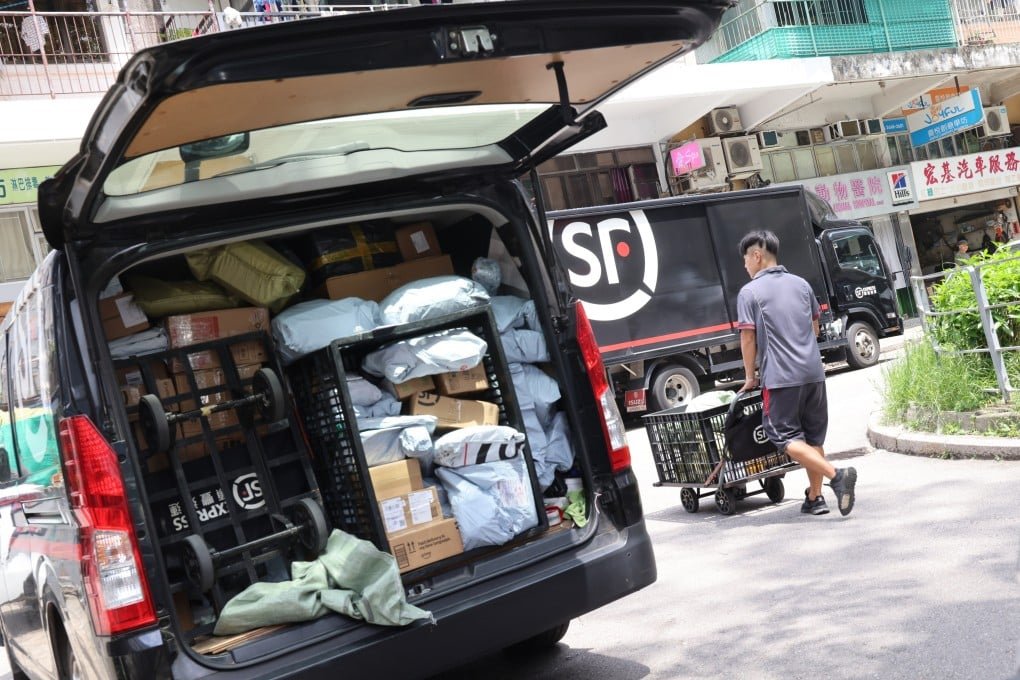
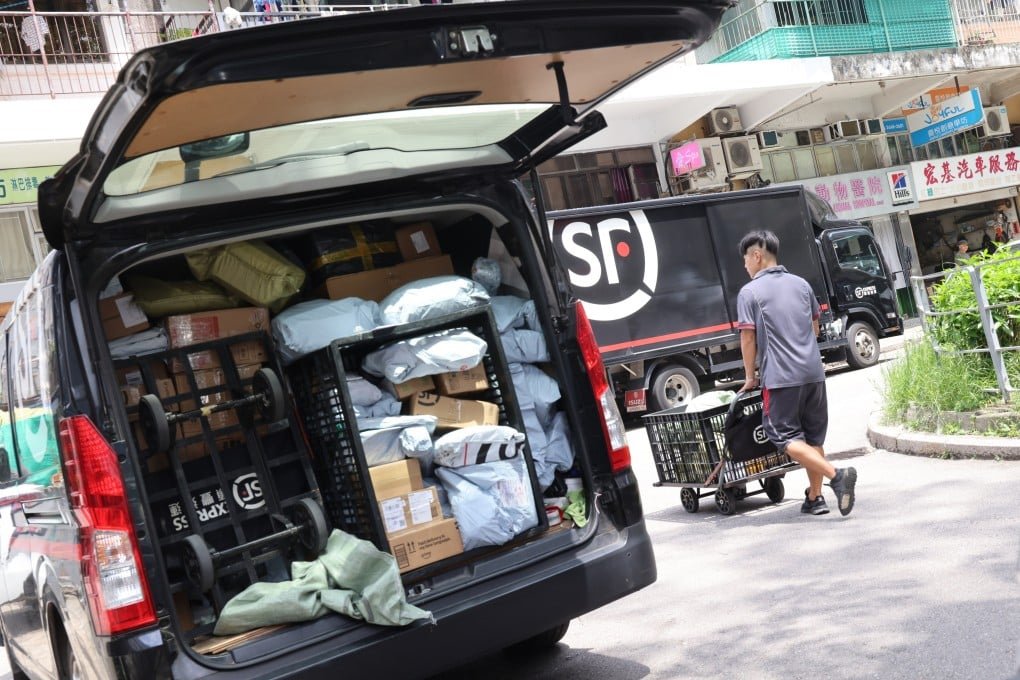
Courier company SF Express has introduced a temporary fuel surcharge on shipments involving Hong Kong and Macau, citing rising transportation costs linked to global fuel price volatility.
The logistics group said the additional charge will apply to shipments originating from the two regions and will be calculated as a percentage of the freight cost.
The company explained that the measure is designed to help offset higher operating expenses affecting the courier and air-freight industry as energy prices fluctuate.
According to company notices, the surcharge rate is adjusted monthly and determined by reference to international jet-fuel prices, particularly benchmarks published for the U.S. Gulf Coast.
The mechanism allows the company to increase, reduce or remove the surcharge depending on fuel market conditions.
For March twenty twenty-six, the fuel surcharge applicable to shipments exported from Hong Kong and Macau was set at approximately eighteen point seven five percent of the freight charge.
The percentage may change in future months depending on movements in global fuel costs.
SF Express said the surcharge is applied to a range of express delivery services, including shipments moving between Hong Kong, Macau and other destinations such as mainland China and overseas markets.
Certain categories of shipments remain exempt, including documents weighing two point five kilograms or less in some regional delivery categories.
Fuel surcharges are a common practice among logistics and aviation companies, particularly during periods of volatile energy markets.
By applying a variable fee linked to fuel prices, operators seek to stabilize service costs and maintain delivery operations without implementing permanent changes to base shipping rates.
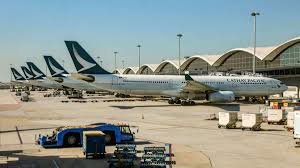
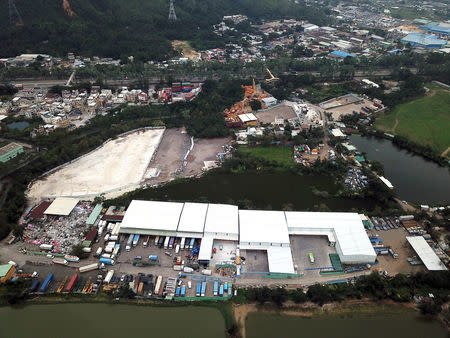
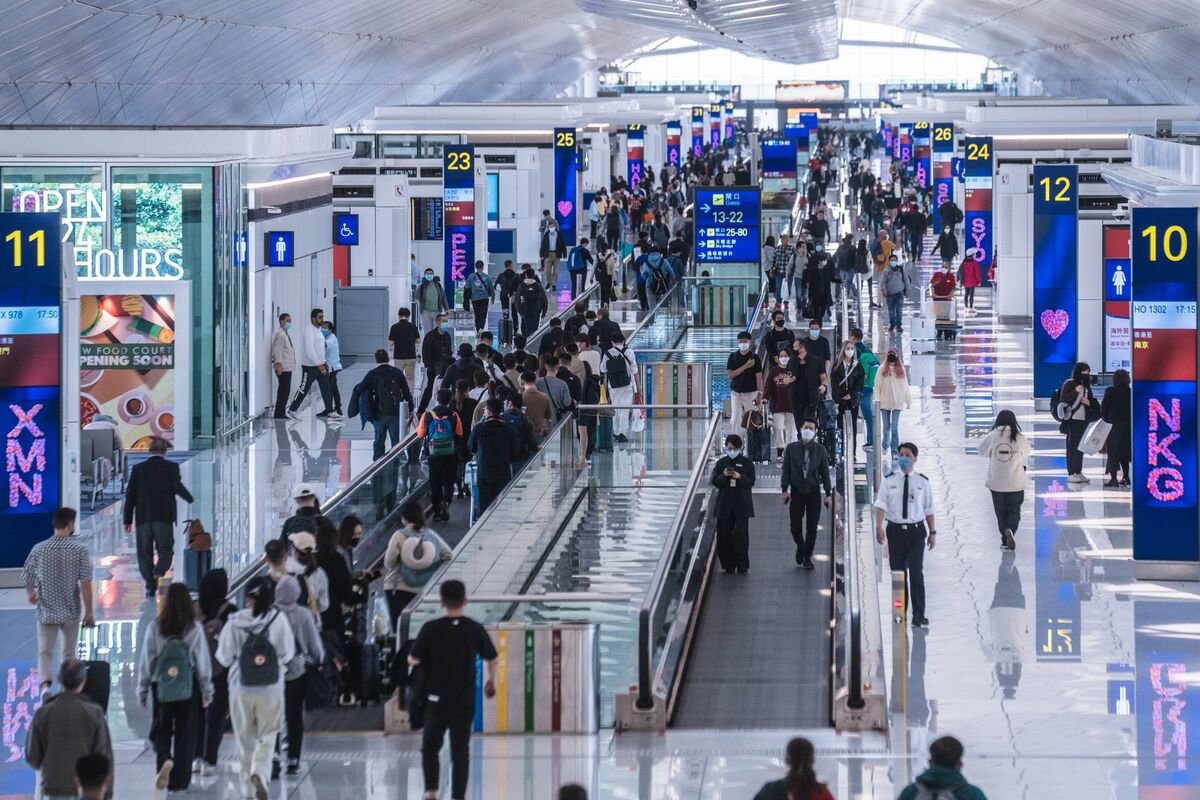
Hong Kong and Macau serve as key logistics gateways for regional trade and e-commerce in southern China, with millions of parcels moving through the two cities each month.
Industry analysts say temporary surcharges allow courier networks to continue operating efficiently while adjusting to fluctuating energy costs that affect air cargo, trucking and last-mile delivery services.
The logistics group said the additional charge will apply to shipments originating from the two regions and will be calculated as a percentage of the freight cost.
The company explained that the measure is designed to help offset higher operating expenses affecting the courier and air-freight industry as energy prices fluctuate.
According to company notices, the surcharge rate is adjusted monthly and determined by reference to international jet-fuel prices, particularly benchmarks published for the U.S. Gulf Coast.
The mechanism allows the company to increase, reduce or remove the surcharge depending on fuel market conditions.
For March twenty twenty-six, the fuel surcharge applicable to shipments exported from Hong Kong and Macau was set at approximately eighteen point seven five percent of the freight charge.
The percentage may change in future months depending on movements in global fuel costs.
SF Express said the surcharge is applied to a range of express delivery services, including shipments moving between Hong Kong, Macau and other destinations such as mainland China and overseas markets.
Certain categories of shipments remain exempt, including documents weighing two point five kilograms or less in some regional delivery categories.
Fuel surcharges are a common practice among logistics and aviation companies, particularly during periods of volatile energy markets.
By applying a variable fee linked to fuel prices, operators seek to stabilize service costs and maintain delivery operations without implementing permanent changes to base shipping rates.
Hong Kong and Macau serve as key logistics gateways for regional trade and e-commerce in southern China, with millions of parcels moving through the two cities each month.
Industry analysts say temporary surcharges allow courier networks to continue operating efficiently while adjusting to fluctuating energy costs that affect air cargo, trucking and last-mile delivery services.