Stock exchange consultation aims to expose lawyers, auditors and consultants linked to flawed listing applications in effort to raise standards
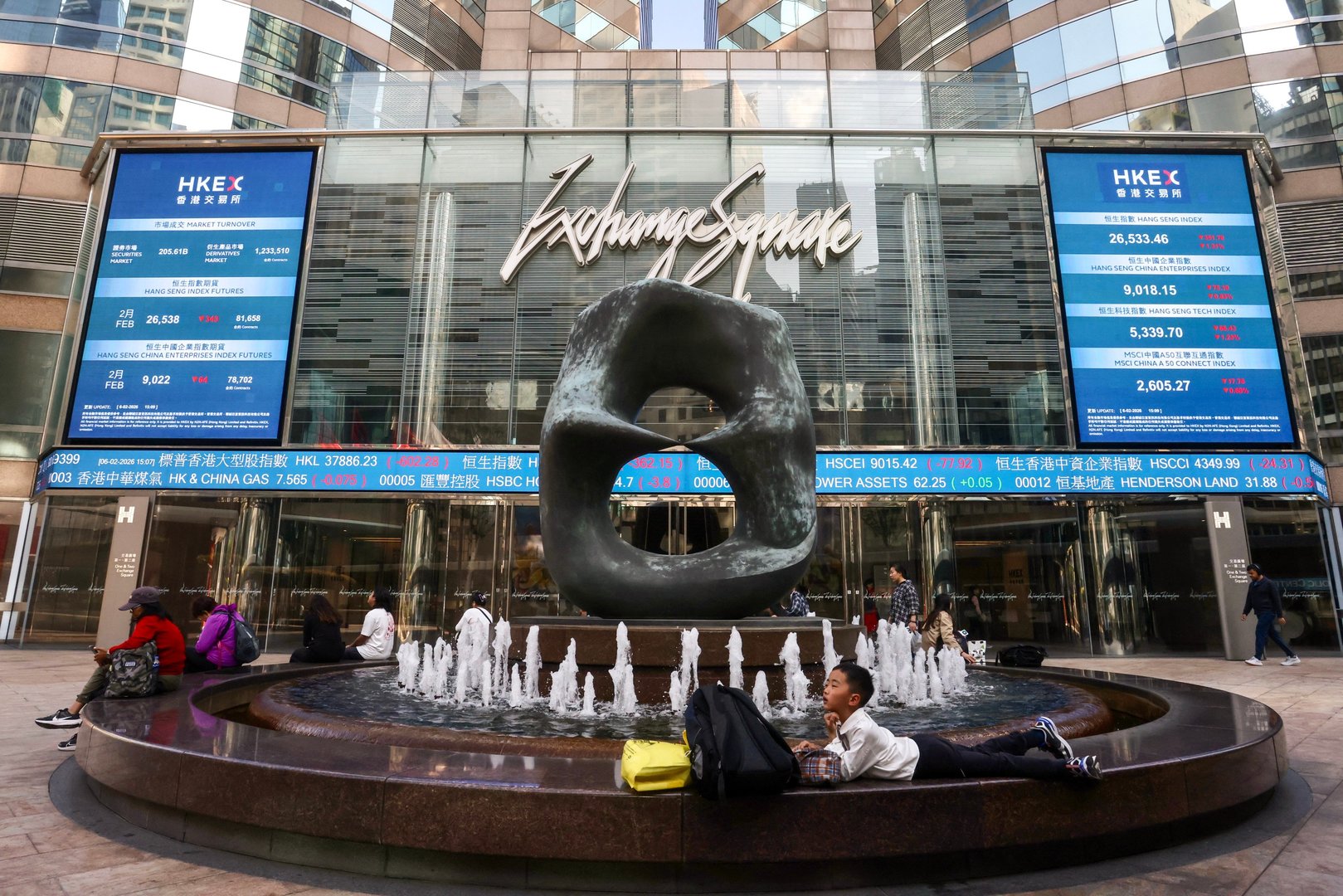
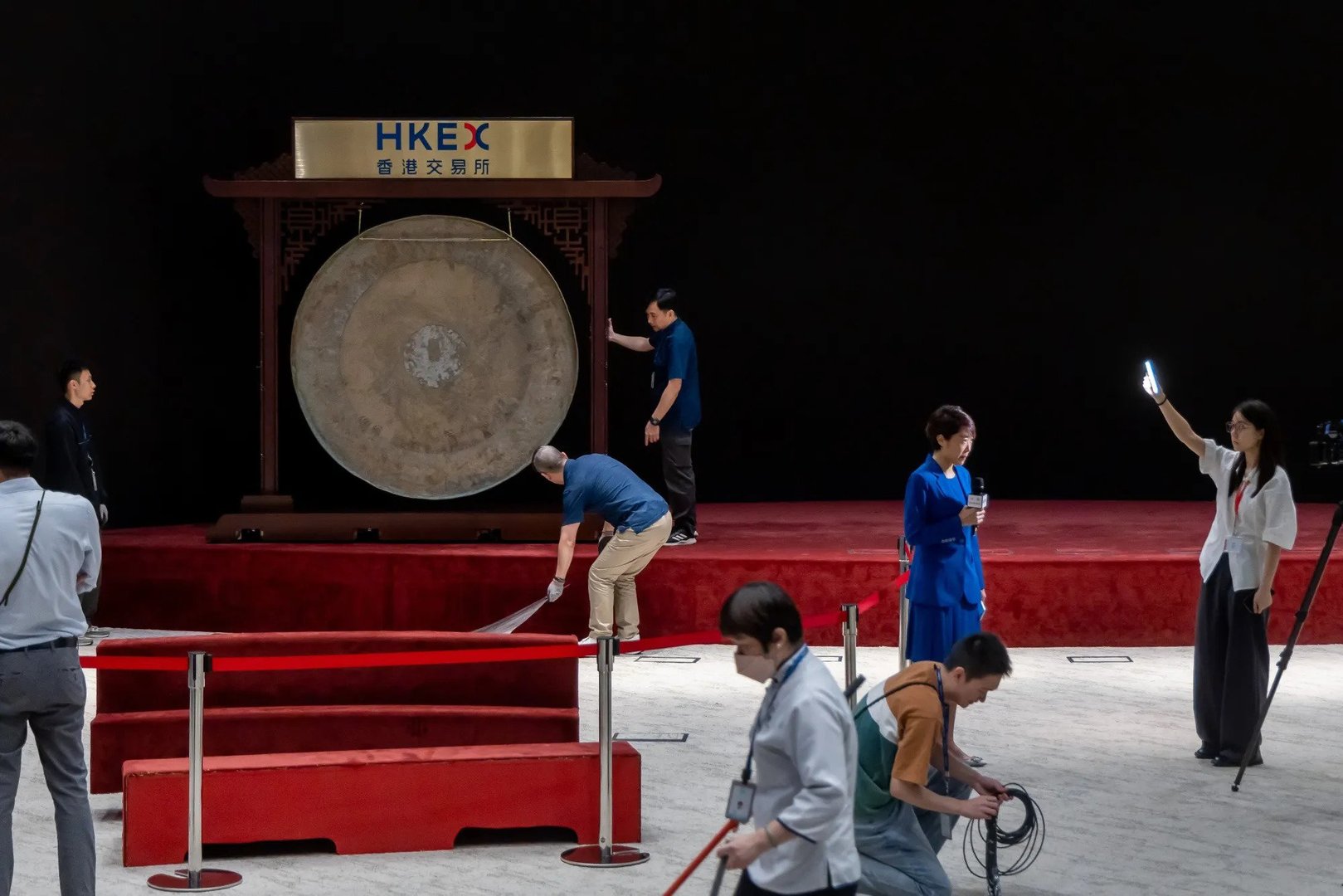
Hong Kong’s stock exchange has proposed expanding its public “name and shame” mechanism to include lawyers and other advisers involved in problematic initial public offering filings, as regulators step up efforts to improve the quality of listing applications.
Under the proposal, the exchange would publicly disclose the identities of professional advisers—including lawyers, accountants, auditors and industry consultants—connected to IPO submissions that are rejected due to major errors or deficiencies.
The move would broaden the current practice, which has largely focused on listing sponsors such as investment banks responsible for guiding companies through the IPO process.
Regulators say the initiative is intended to address concerns about declining standards in listing documentation as the number of applications has surged.
Officials have pointed to cases in which draft filings contained significant inaccuracies, incomplete responses to regulatory queries or overly promotional language that failed to meet disclosure requirements.
Authorities believe that expanding the policy will create stronger incentives for all participants in the IPO process to meet professional standards.
By making the advisers involved in problematic applications publicly identifiable, the exchange hopes to encourage more rigorous due diligence and closer oversight by the law firms and advisory teams working on listing transactions.
The proposed reform forms part of a broader consultation on changes to Hong Kong’s listing framework.
Alongside the expanded disclosure rules, the exchange is considering additional measures designed to strengthen the city’s competitiveness as a global capital-raising centre, including adjustments to share-structure rules and expanded confidential filing procedures for companies preparing to go public.
Market regulators have already warned that the rapid rise in IPO applications has placed pressure on advisers and sponsors, occasionally resulting in substandard filings and inadequate due diligence.
In recent guidance, authorities highlighted serious deficiencies in some listing documents and stressed that sponsors must ensure they fully understand the businesses they bring to market.
Hong Kong remains one of the world’s leading venues for equity fundraising, particularly for companies seeking international capital while maintaining ties with mainland China.
The exchange has introduced a series of reforms in recent years aimed at preserving investor confidence while continuing to attract high-growth companies and technology firms to list in the city.
The consultation on the expanded “name and shame” mechanism will remain open for public feedback until May, after which regulators will decide whether to adopt the proposal as part of the evolving framework governing Hong Kong’s IPO market.
Under the proposal, the exchange would publicly disclose the identities of professional advisers—including lawyers, accountants, auditors and industry consultants—connected to IPO submissions that are rejected due to major errors or deficiencies.
The move would broaden the current practice, which has largely focused on listing sponsors such as investment banks responsible for guiding companies through the IPO process.
Regulators say the initiative is intended to address concerns about declining standards in listing documentation as the number of applications has surged.
Officials have pointed to cases in which draft filings contained significant inaccuracies, incomplete responses to regulatory queries or overly promotional language that failed to meet disclosure requirements.
Authorities believe that expanding the policy will create stronger incentives for all participants in the IPO process to meet professional standards.
By making the advisers involved in problematic applications publicly identifiable, the exchange hopes to encourage more rigorous due diligence and closer oversight by the law firms and advisory teams working on listing transactions.
The proposed reform forms part of a broader consultation on changes to Hong Kong’s listing framework.
Alongside the expanded disclosure rules, the exchange is considering additional measures designed to strengthen the city’s competitiveness as a global capital-raising centre, including adjustments to share-structure rules and expanded confidential filing procedures for companies preparing to go public.
Market regulators have already warned that the rapid rise in IPO applications has placed pressure on advisers and sponsors, occasionally resulting in substandard filings and inadequate due diligence.
In recent guidance, authorities highlighted serious deficiencies in some listing documents and stressed that sponsors must ensure they fully understand the businesses they bring to market.
Hong Kong remains one of the world’s leading venues for equity fundraising, particularly for companies seeking international capital while maintaining ties with mainland China.
The exchange has introduced a series of reforms in recent years aimed at preserving investor confidence while continuing to attract high-growth companies and technology firms to list in the city.
The consultation on the expanded “name and shame” mechanism will remain open for public feedback until May, after which regulators will decide whether to adopt the proposal as part of the evolving framework governing Hong Kong’s IPO market.