Carriers across the city move to increase ticket surcharges as rising jet fuel costs linked to Middle East tensions push operating expenses sharply higher
Airlines based in Hong Kong are increasing fuel surcharges on passenger tickets as a surge in global energy prices drives up the cost of aviation fuel and reshapes travel expenses across the region.
Several carriers have begun adjusting their pricing structures, with Hong Kong Airlines among the first to announce a significant rise in surcharges.
The company confirmed that new charges would take effect in mid-March, reflecting the rapid escalation in jet fuel costs following heightened tensions in the Middle East.
Under the revised structure, passengers on long-haul routes departing Hong Kong will face a fuel surcharge of HK$739 per trip, representing an increase of roughly 25 percent compared with previous levels.
Short-haul flights to destinations such as Japan, South Korea and Thailand will see charges rise to HK$212, while flights to mainland Chinese cities will carry a surcharge of HK$190.
Routes to Taiwan will see the fee increase to HK$182.
Some of the steepest increases affect routes linking Hong Kong with South Asian destinations including Bangladesh, Nepal and the Maldives, where surcharges have climbed to HK$384 per trip.
The adjustments also apply to inbound flights arriving in the city.
The increases follow a sharp jump in global oil prices, which have risen dramatically amid conflict and supply disruptions in the Middle East.
Jet fuel costs are one of the largest expenses faced by airlines, and sudden spikes are typically passed on to passengers through fuel surcharges or higher base fares.
Industry analysts say the situation has forced airlines worldwide to review their pricing strategies.
Rising fuel costs have coincided with longer flight routes in some cases as carriers seek to avoid conflict zones, further increasing operational expenses.
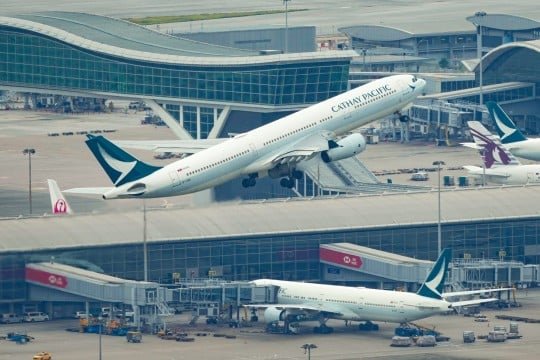
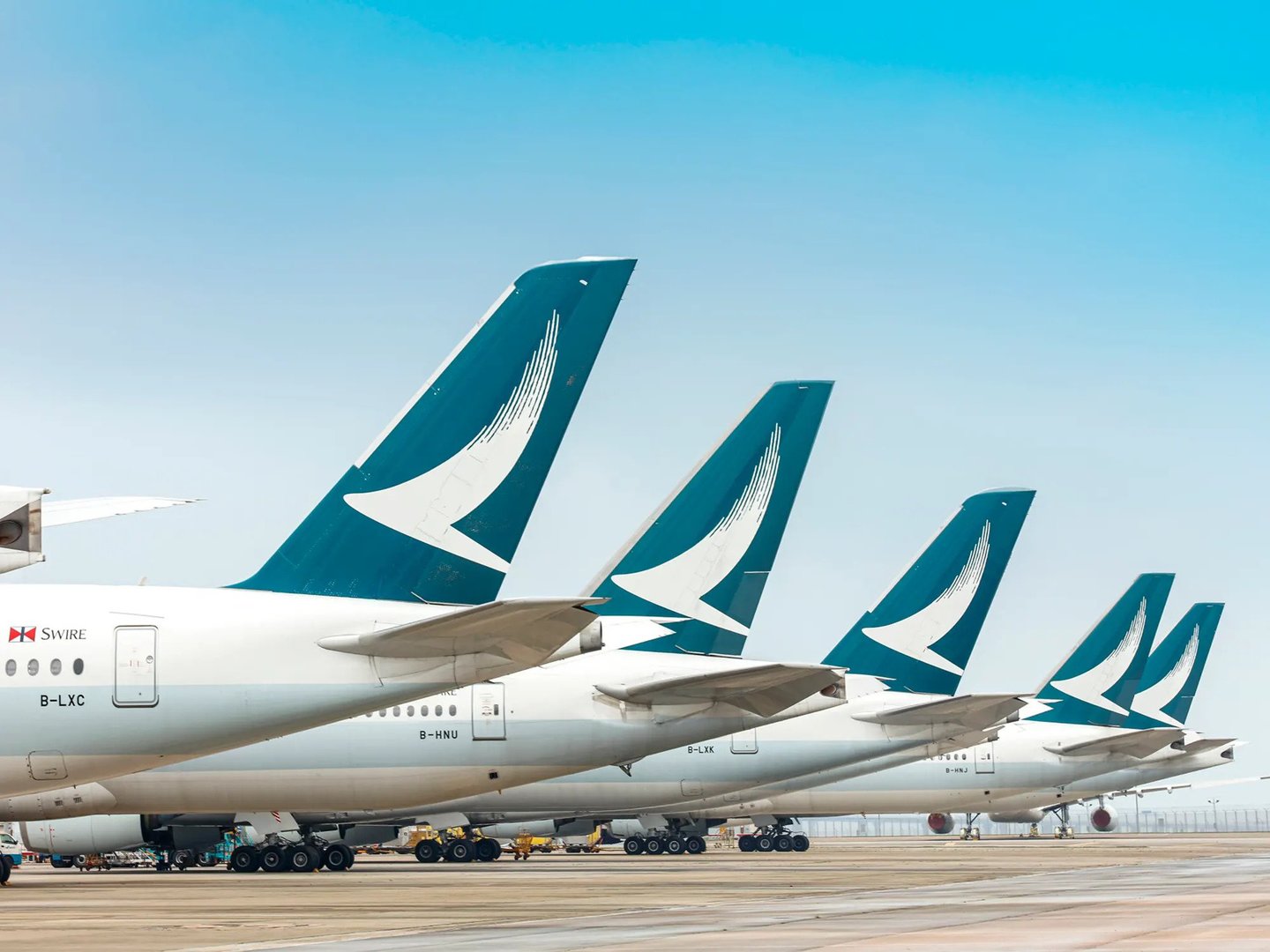
Hong Kong’s flagship airline, Cathay Pacific, said it regularly reviews its fuel surcharge levels using a mechanism that reflects movements in jet fuel prices and other operational considerations.
The carrier indicated that adjustments are assessed on a monthly basis.
Travel industry representatives in the city have warned that ticket prices could rise further if oil prices remain elevated.
Travel agents report that surcharges on some long-haul routes may increase by several hundred Hong Kong dollars per journey, potentially pushing overall fares significantly higher for international travellers.
The latest price adjustments highlight the vulnerability of the aviation sector to geopolitical disruptions and energy market volatility.
For passengers departing Hong Kong, the rising fuel surcharges signal that the financial impact of global conflicts and shifting oil markets is increasingly being felt in the cost of air travel.
Several carriers have begun adjusting their pricing structures, with Hong Kong Airlines among the first to announce a significant rise in surcharges.
The company confirmed that new charges would take effect in mid-March, reflecting the rapid escalation in jet fuel costs following heightened tensions in the Middle East.
Under the revised structure, passengers on long-haul routes departing Hong Kong will face a fuel surcharge of HK$739 per trip, representing an increase of roughly 25 percent compared with previous levels.
Short-haul flights to destinations such as Japan, South Korea and Thailand will see charges rise to HK$212, while flights to mainland Chinese cities will carry a surcharge of HK$190.
Routes to Taiwan will see the fee increase to HK$182.
Some of the steepest increases affect routes linking Hong Kong with South Asian destinations including Bangladesh, Nepal and the Maldives, where surcharges have climbed to HK$384 per trip.
The adjustments also apply to inbound flights arriving in the city.
The increases follow a sharp jump in global oil prices, which have risen dramatically amid conflict and supply disruptions in the Middle East.
Jet fuel costs are one of the largest expenses faced by airlines, and sudden spikes are typically passed on to passengers through fuel surcharges or higher base fares.
Industry analysts say the situation has forced airlines worldwide to review their pricing strategies.
Rising fuel costs have coincided with longer flight routes in some cases as carriers seek to avoid conflict zones, further increasing operational expenses.
Hong Kong’s flagship airline, Cathay Pacific, said it regularly reviews its fuel surcharge levels using a mechanism that reflects movements in jet fuel prices and other operational considerations.
The carrier indicated that adjustments are assessed on a monthly basis.
Travel industry representatives in the city have warned that ticket prices could rise further if oil prices remain elevated.
Travel agents report that surcharges on some long-haul routes may increase by several hundred Hong Kong dollars per journey, potentially pushing overall fares significantly higher for international travellers.
The latest price adjustments highlight the vulnerability of the aviation sector to geopolitical disruptions and energy market volatility.
For passengers departing Hong Kong, the rising fuel surcharges signal that the financial impact of global conflicts and shifting oil markets is increasingly being felt in the cost of air travel.