Officials and airlines move to strengthen the city’s role as a transit hub as conflict-driven airspace closures reshape long-haul travel
Hong Kong authorities and aviation companies are working to position the city as a key transit hub as the war involving Iran disrupts international flight routes and forces airlines to rethink traditional travel corridors.
The conflict has led to widespread airspace closures across parts of the Middle East, a region that normally serves as a crucial crossroads for long-haul flights between Europe, Asia and Australia.
With major hubs in the Gulf operating at reduced capacity or suspending flights altogether, airlines and passengers are increasingly seeking alternative routes that avoid the conflict zone.
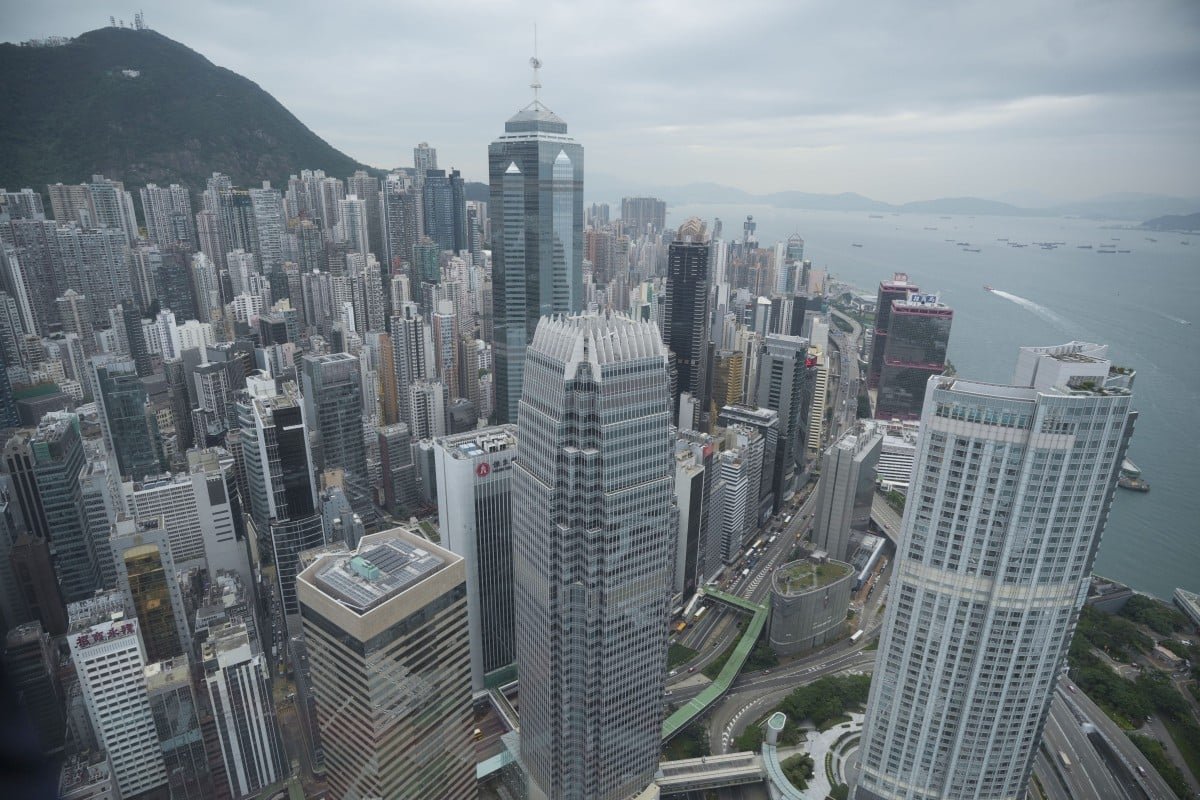
Officials in Hong Kong say the disruption presents an opportunity for the city to expand its role in global aviation networks.
The government has begun working with airlines to increase flight capacity and attract transit traffic as travellers look for new connections outside the Middle East.
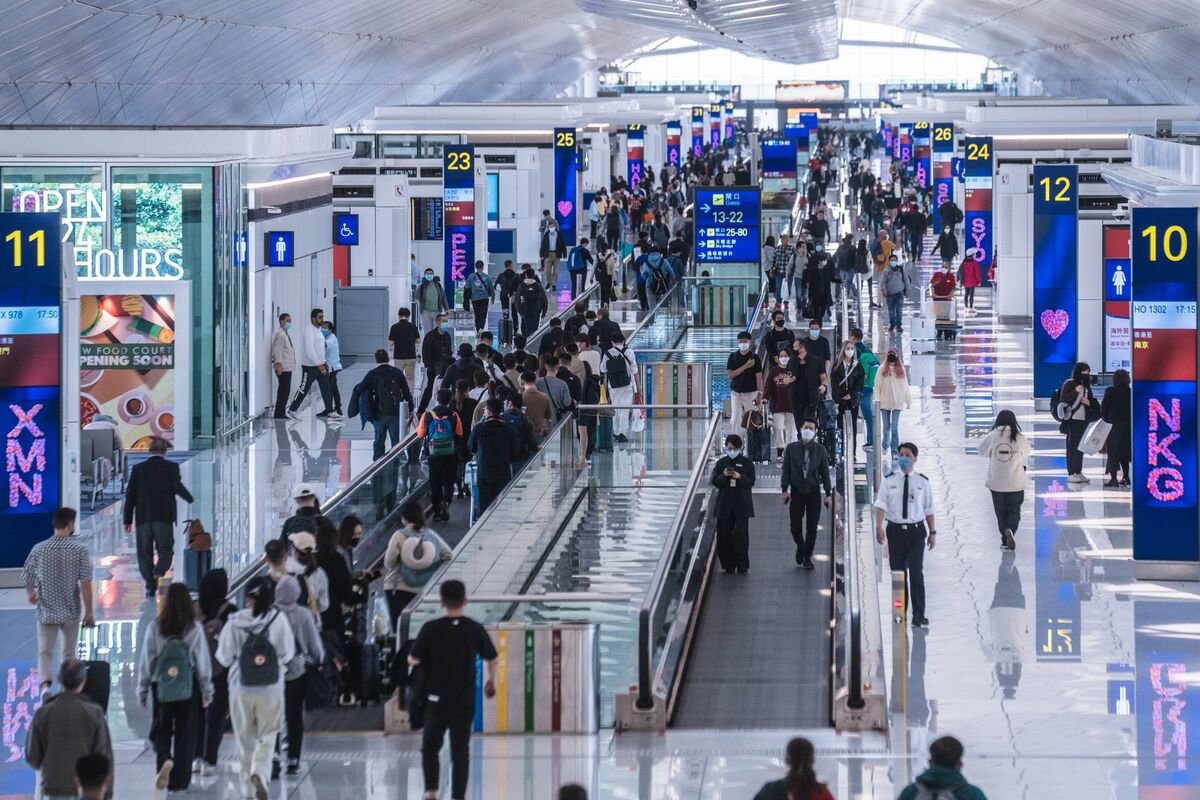
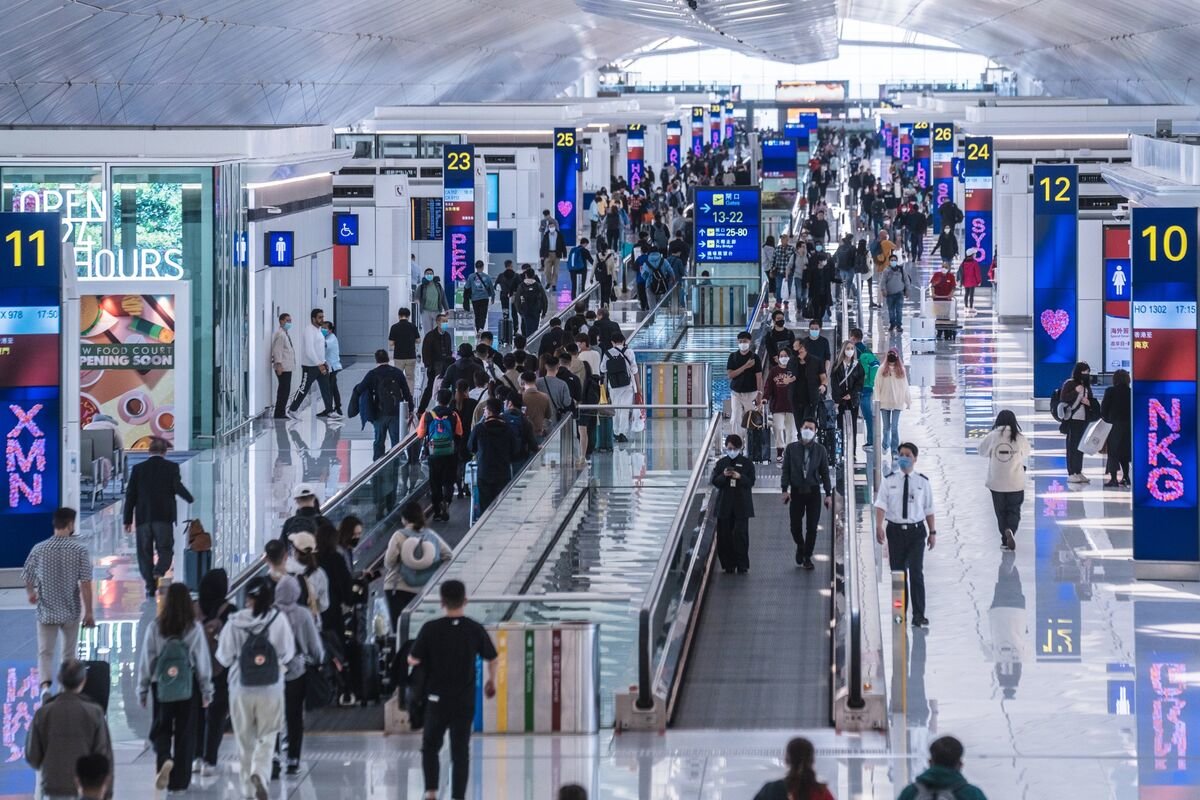
Hong Kong International Airport, already one of the world’s busiest cargo hubs, is seeking to capitalize on shifting travel patterns by encouraging airlines to add routes and increase frequencies.
Authorities believe the city’s strategic location in East Asia and its extensive aviation infrastructure could allow it to absorb some of the traffic previously handled by Middle Eastern hubs.
Airlines are already adjusting their operations in response to the conflict.
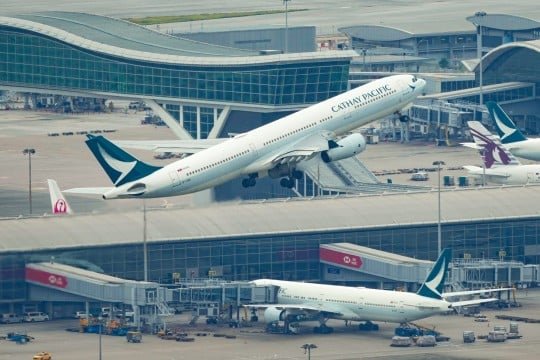
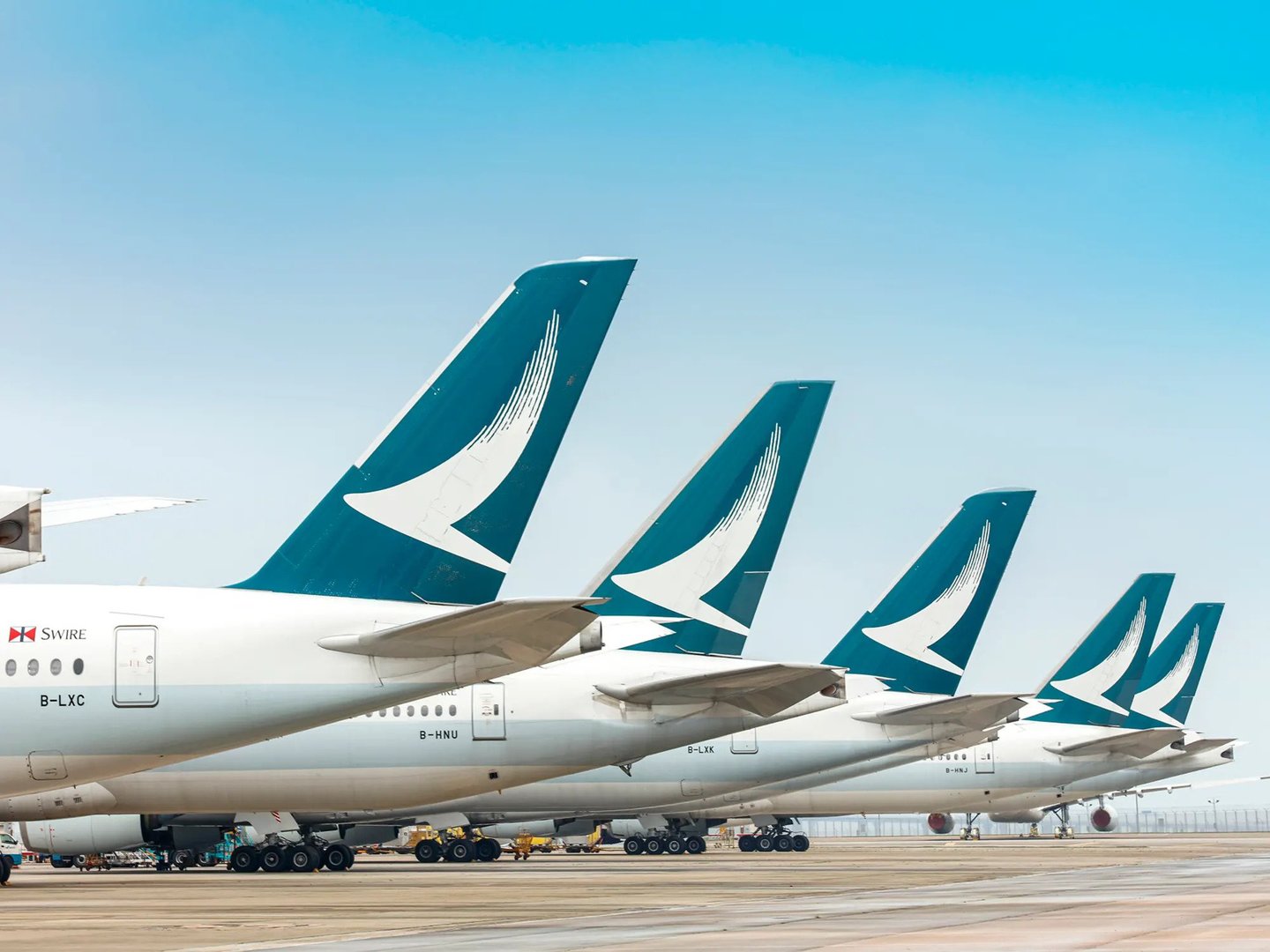
Hong Kong-based carrier Cathay Pacific suspended passenger and cargo services to the Middle East after the outbreak of hostilities and the closure of key airspace corridors.
The disruption has also forced many flights between Europe and Asia to take longer alternative routes, increasing travel time and costs across the industry.
The global aviation sector has experienced severe turbulence as a result.
Thousands of flights have been cancelled or rerouted, and major Middle Eastern airports that normally serve as international transfer points have seen large portions of their operations halted.
The situation has left large numbers of passengers stranded and pushed airlines to find new logistical solutions.
For Hong Kong, the sudden shift has already begun to influence travel demand.
Airfares on routes connecting the city with major global destinations have surged as travellers search for flights that bypass the affected region.
Industry analysts say the disruption highlights the vulnerability of global aviation to geopolitical shocks.
Gulf airports such as Dubai, Doha and Abu Dhabi have long served as the backbone of international connecting traffic, linking Europe with Asia and Oceania through highly efficient hub-and-spoke networks.
If the conflict continues to limit access to those hubs, airlines may increasingly rely on alternative gateways in Asia.
Officials in Hong Kong believe the city’s airport, already a major global logistics and passenger center, could benefit from this shift in the aviation map.
The evolving situation underscores how geopolitical conflicts can quickly reshape travel patterns, creating challenges for airlines while opening unexpected opportunities for airports positioned outside the immediate conflict zone.
The conflict has led to widespread airspace closures across parts of the Middle East, a region that normally serves as a crucial crossroads for long-haul flights between Europe, Asia and Australia.
With major hubs in the Gulf operating at reduced capacity or suspending flights altogether, airlines and passengers are increasingly seeking alternative routes that avoid the conflict zone.
Officials in Hong Kong say the disruption presents an opportunity for the city to expand its role in global aviation networks.
The government has begun working with airlines to increase flight capacity and attract transit traffic as travellers look for new connections outside the Middle East.
Hong Kong International Airport, already one of the world’s busiest cargo hubs, is seeking to capitalize on shifting travel patterns by encouraging airlines to add routes and increase frequencies.
Authorities believe the city’s strategic location in East Asia and its extensive aviation infrastructure could allow it to absorb some of the traffic previously handled by Middle Eastern hubs.
Airlines are already adjusting their operations in response to the conflict.
Hong Kong-based carrier Cathay Pacific suspended passenger and cargo services to the Middle East after the outbreak of hostilities and the closure of key airspace corridors.
The disruption has also forced many flights between Europe and Asia to take longer alternative routes, increasing travel time and costs across the industry.
The global aviation sector has experienced severe turbulence as a result.
Thousands of flights have been cancelled or rerouted, and major Middle Eastern airports that normally serve as international transfer points have seen large portions of their operations halted.
The situation has left large numbers of passengers stranded and pushed airlines to find new logistical solutions.
For Hong Kong, the sudden shift has already begun to influence travel demand.
Airfares on routes connecting the city with major global destinations have surged as travellers search for flights that bypass the affected region.
Industry analysts say the disruption highlights the vulnerability of global aviation to geopolitical shocks.
Gulf airports such as Dubai, Doha and Abu Dhabi have long served as the backbone of international connecting traffic, linking Europe with Asia and Oceania through highly efficient hub-and-spoke networks.
If the conflict continues to limit access to those hubs, airlines may increasingly rely on alternative gateways in Asia.
Officials in Hong Kong believe the city’s airport, already a major global logistics and passenger center, could benefit from this shift in the aviation map.
The evolving situation underscores how geopolitical conflicts can quickly reshape travel patterns, creating challenges for airlines while opening unexpected opportunities for airports positioned outside the immediate conflict zone.