Artificial intelligence breakthroughs in pharmaceutical research are fueling a new wave of biotech companies seeking public listings in Hong Kong.
Hong Kong is experiencing a surge of biotechnology initial public offering filings as companies using artificial intelligence to accelerate drug discovery seek to tap investor enthusiasm for the fast-growing sector.
Several biotechnology startups specializing in AI-driven pharmaceutical research are preparing or considering listings on the Hong Kong Stock Exchange, drawn by strong investor demand and a regulatory environment designed to support innovative life-science companies.
Among them is AI drug discovery startup Earendil Labs, which is exploring a potential public offering that could raise as much as five hundred million dollars, according to people familiar with the plans.
The growing pipeline of offerings reflects a broader surge of interest in artificial intelligence applications in medicine.
AI platforms can analyze vast datasets of chemical compounds, genetic information and biological pathways, enabling researchers to identify promising drug candidates far more quickly than traditional methods.
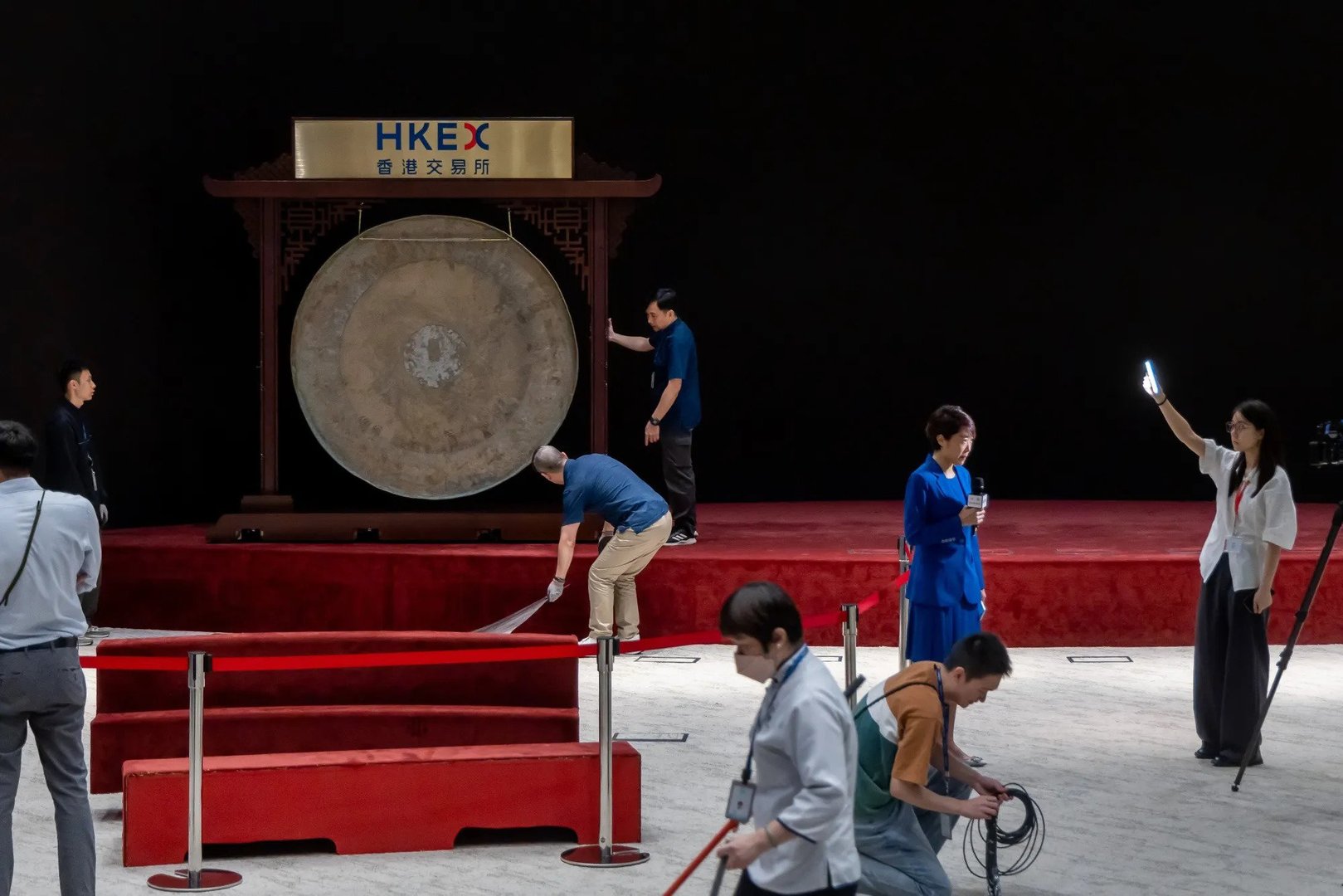
Hong Kong has positioned itself as a key global fundraising center for such companies since the introduction of special listing rules that allow pre-revenue biotechnology firms to go public.
The policy change, introduced in twenty eighteen, opened the city’s capital markets to early-stage pharmaceutical innovators that may not yet generate profits but require large amounts of funding to advance clinical trials and research.
The strategy has helped the exchange attract dozens of life-science listings over the past several years.
By mid-twenty twenty-five, more than seventy biotechnology companies had gone public in the city, channeling billions of dollars into research and development across the sector.
Momentum accelerated in late twenty twenty-five when AI-driven drug discovery company Insilico Medicine completed the largest biotech initial public offering in Hong Kong that year, raising more than two billion Hong Kong dollars.
The company’s shares surged after listing, reflecting strong investor interest in the emerging field of AI-powered pharmaceutical development.
Companies pursuing similar technologies are now lining up to follow.
Analysts say investors are increasingly attracted to businesses that combine artificial intelligence with life sciences, a pairing widely seen as capable of transforming the speed and cost of drug development.
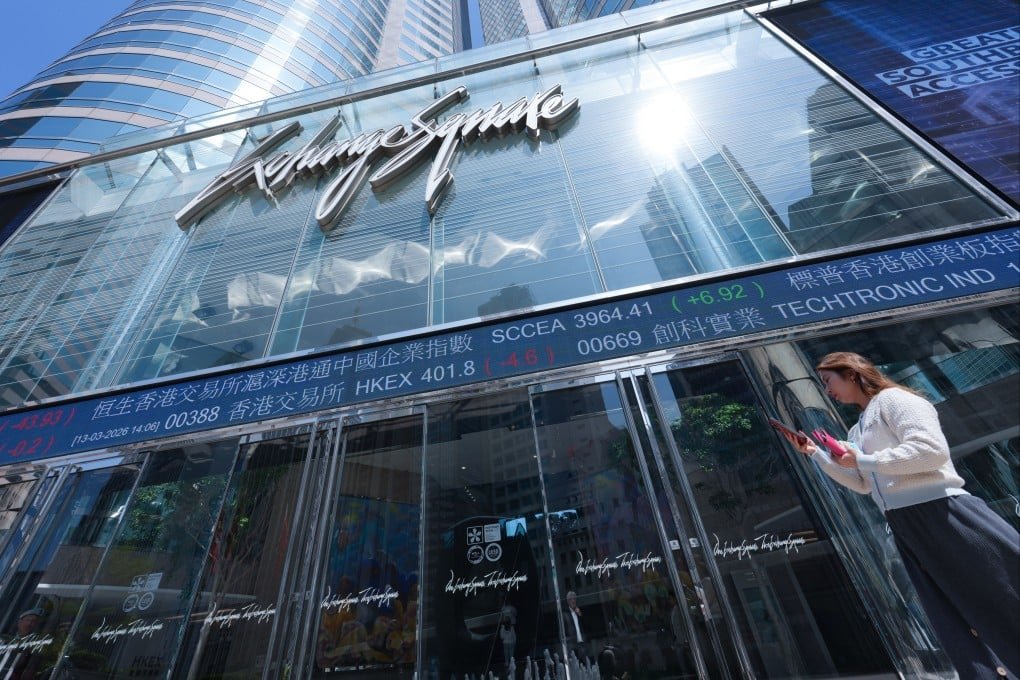
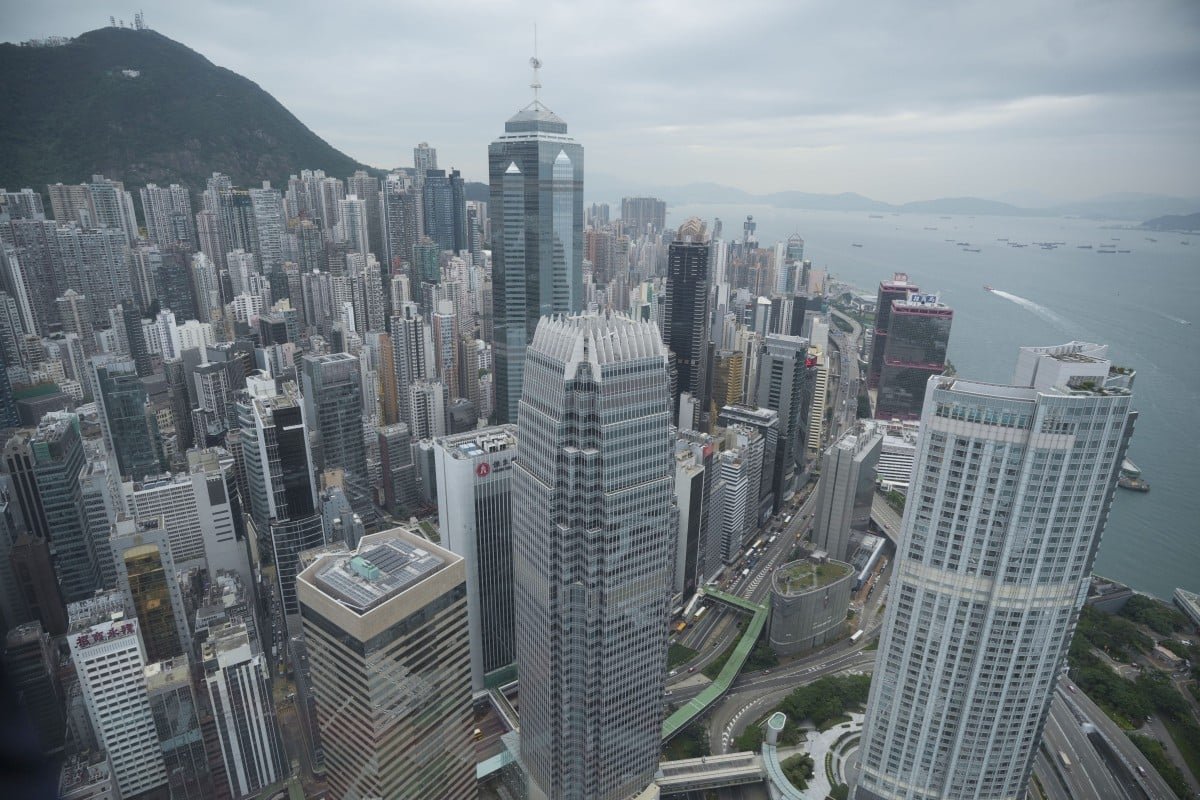
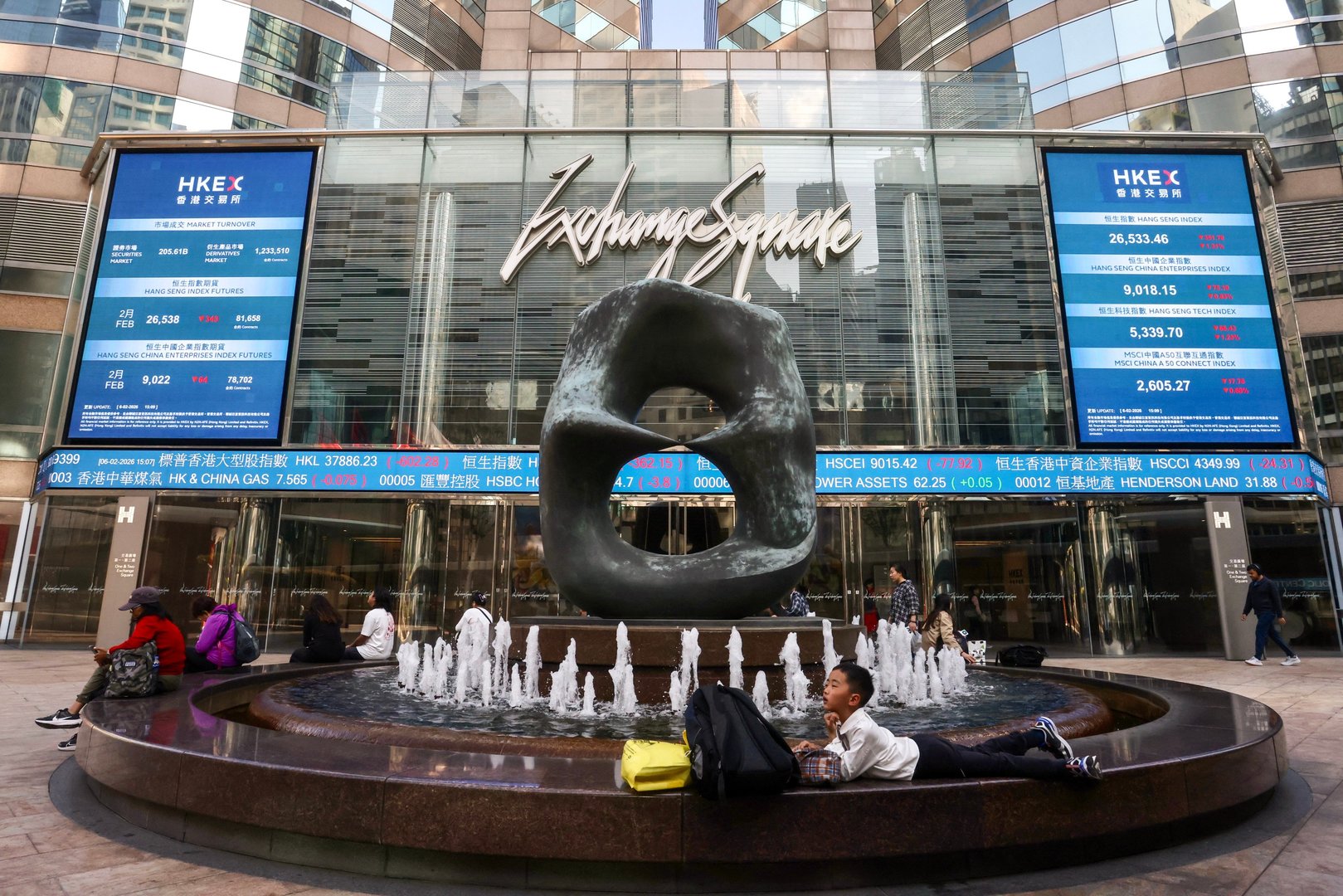
Hong Kong’s growing reputation as a biotech financing hub has also been supported by strong overall activity in its capital markets.
The city has regained momentum as a global listing center in recent years, with a large pipeline of new offerings and increased participation from international investors.
Market observers say the wave of biotechnology IPO filings underscores how rapidly artificial intelligence is reshaping pharmaceutical research.
As more companies develop platforms capable of designing molecules, predicting drug behavior and optimizing clinical trials, demand for capital is expected to remain strong.
With multiple biotech and technology companies preparing share sales, Hong Kong’s exchange is emerging as one of the world’s most important venues for funding the next generation of AI-driven medical innovation.
Several biotechnology startups specializing in AI-driven pharmaceutical research are preparing or considering listings on the Hong Kong Stock Exchange, drawn by strong investor demand and a regulatory environment designed to support innovative life-science companies.
Among them is AI drug discovery startup Earendil Labs, which is exploring a potential public offering that could raise as much as five hundred million dollars, according to people familiar with the plans.
The growing pipeline of offerings reflects a broader surge of interest in artificial intelligence applications in medicine.
AI platforms can analyze vast datasets of chemical compounds, genetic information and biological pathways, enabling researchers to identify promising drug candidates far more quickly than traditional methods.
Hong Kong has positioned itself as a key global fundraising center for such companies since the introduction of special listing rules that allow pre-revenue biotechnology firms to go public.
The policy change, introduced in twenty eighteen, opened the city’s capital markets to early-stage pharmaceutical innovators that may not yet generate profits but require large amounts of funding to advance clinical trials and research.
The strategy has helped the exchange attract dozens of life-science listings over the past several years.
By mid-twenty twenty-five, more than seventy biotechnology companies had gone public in the city, channeling billions of dollars into research and development across the sector.
Momentum accelerated in late twenty twenty-five when AI-driven drug discovery company Insilico Medicine completed the largest biotech initial public offering in Hong Kong that year, raising more than two billion Hong Kong dollars.
The company’s shares surged after listing, reflecting strong investor interest in the emerging field of AI-powered pharmaceutical development.
Companies pursuing similar technologies are now lining up to follow.
Analysts say investors are increasingly attracted to businesses that combine artificial intelligence with life sciences, a pairing widely seen as capable of transforming the speed and cost of drug development.
Hong Kong’s growing reputation as a biotech financing hub has also been supported by strong overall activity in its capital markets.
The city has regained momentum as a global listing center in recent years, with a large pipeline of new offerings and increased participation from international investors.
Market observers say the wave of biotechnology IPO filings underscores how rapidly artificial intelligence is reshaping pharmaceutical research.
As more companies develop platforms capable of designing molecules, predicting drug behavior and optimizing clinical trials, demand for capital is expected to remain strong.
With multiple biotech and technology companies preparing share sales, Hong Kong’s exchange is emerging as one of the world’s most important venues for funding the next generation of AI-driven medical innovation.