Artificial-intelligence life sciences firm founded by Baidu’s Robin Li files confidentially for a Hong Kong listing that could raise hundreds of millions of dollars.
BioMap, an artificial-intelligence biotechnology company backed by Chinese technology giant Baidu, is seeking to go public in Hong Kong as investor enthusiasm for AI-driven drug discovery continues to accelerate.
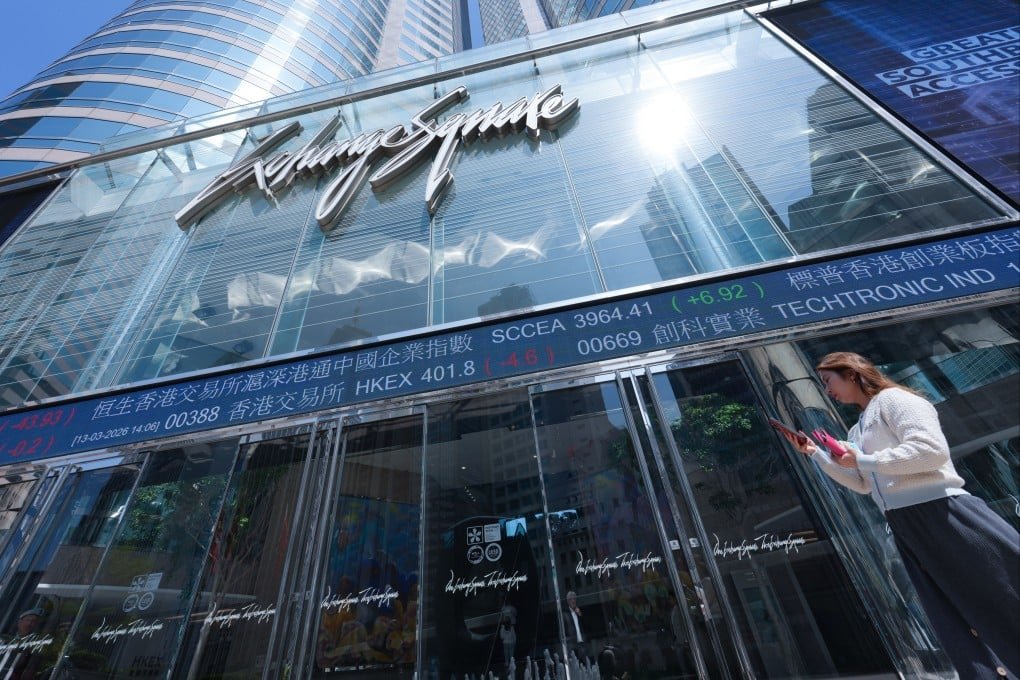
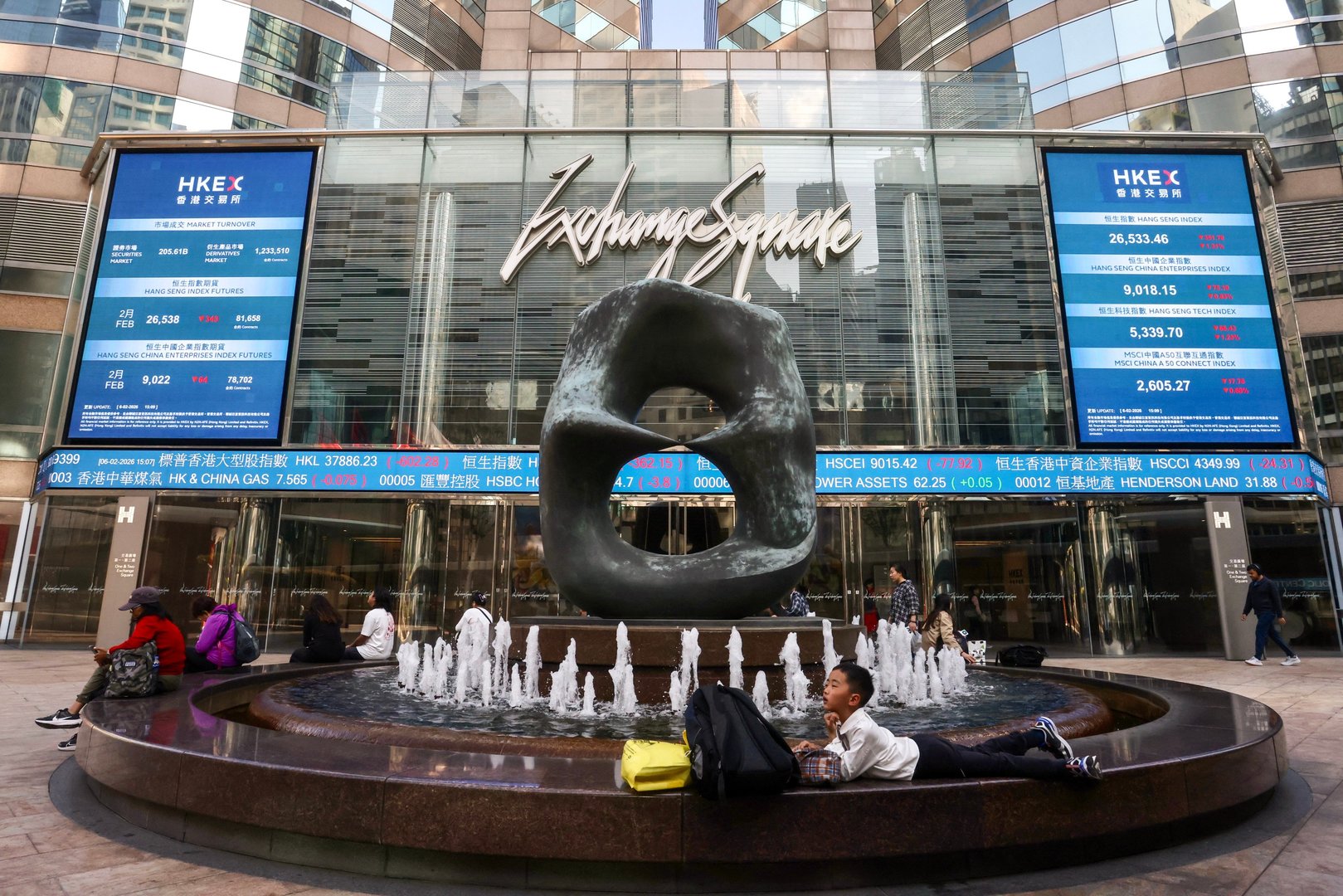
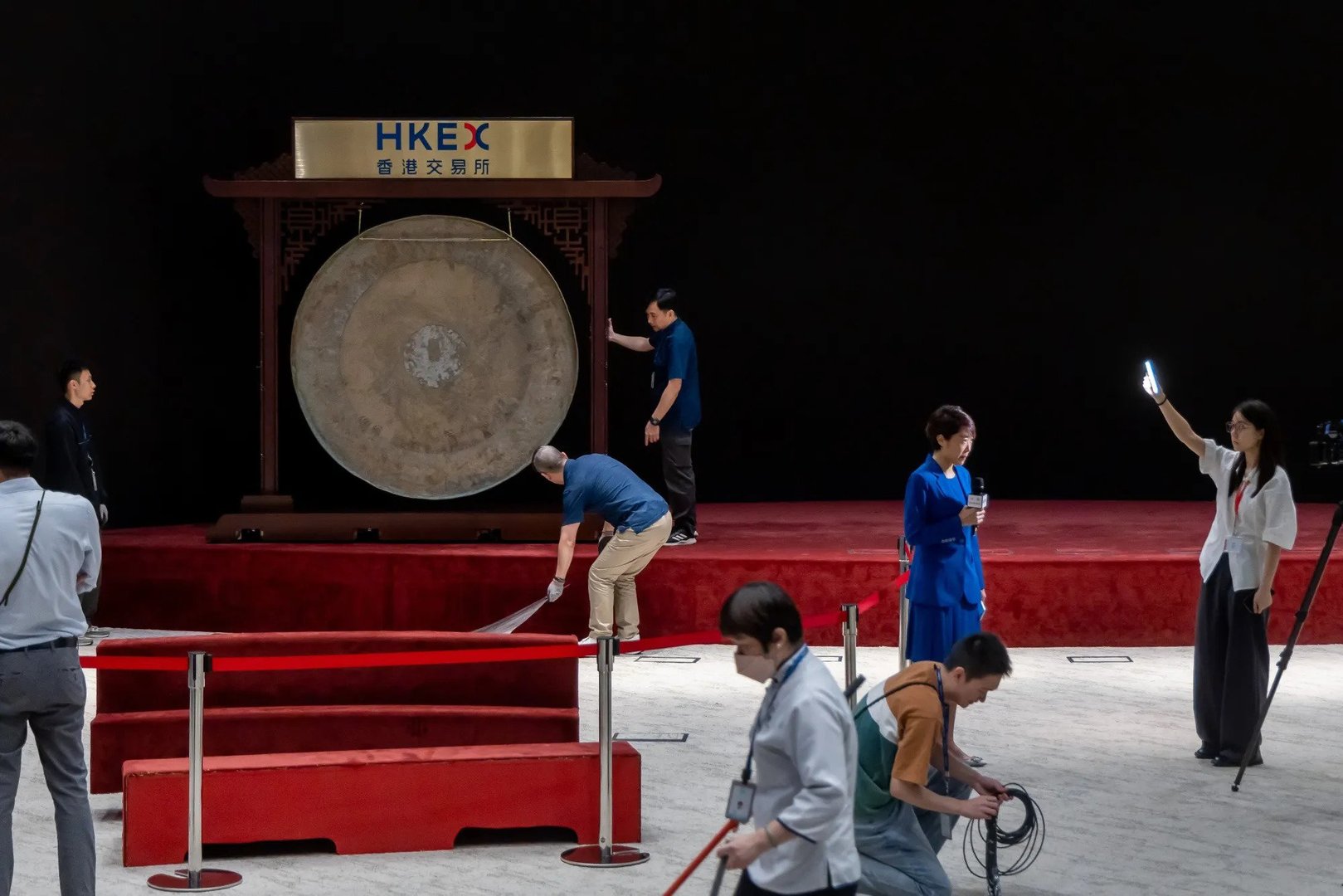
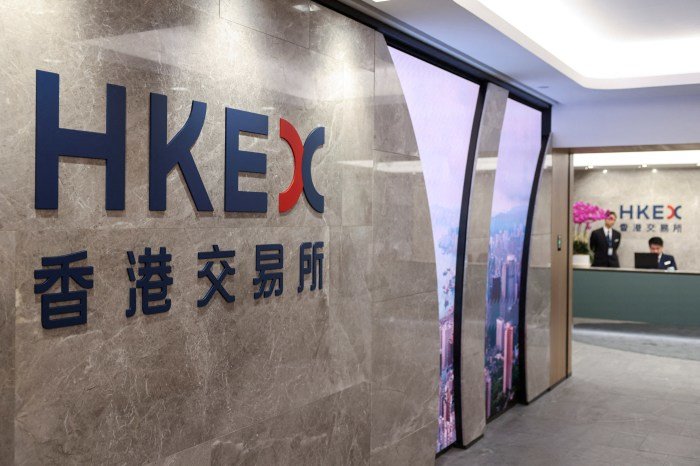
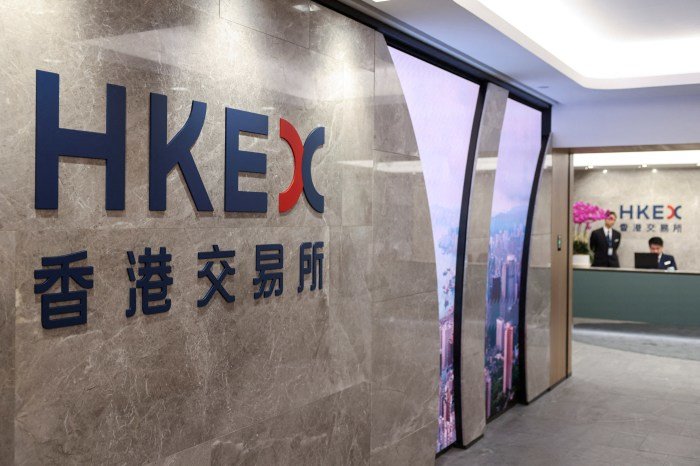
The Beijing-based firm has confidentially filed for an initial public offering on the Hong Kong Stock Exchange, according to people familiar with the matter.
The planned listing could raise several hundred million dollars, positioning the company among a growing group of biotechnology startups turning to Hong Kong’s capital markets to fund research and expansion.
BioMap was founded in 2020 by Baidu co-founder Robin Li and venture investor Wei Liu.
The company combines large artificial-intelligence models with life-science research to speed up the design and discovery of new medicines.
Its platform integrates data on genes, proteins, cells and biological systems to identify promising drug targets and design potential therapies.
The company has collaborated with pharmaceutical companies, biotechnology firms and academic institutions and has already developed more than fifty early-stage drug candidates using its AI-driven platform.
BioMap is working with several global investment banks to prepare the potential listing, which would add to Hong Kong’s expanding pipeline of technology and biotech offerings.
The city has positioned itself as a major fundraising centre for life-science companies after introducing listing rules that allow pre-revenue biotechnology firms to access public markets.
Hong Kong authorities have also sought to strengthen the city’s role as a biotechnology and artificial-intelligence hub.
The Hong Kong Investment Corporation has backed BioMap and partnered with the company to establish a bio-computing innovation centre designed to attract researchers and startups focused on AI-driven life-science development.
BioMap’s technology is part of a rapidly evolving global race to use artificial intelligence to transform drug development.
AI models are increasingly used to predict protein structures, design new molecules and identify therapeutic pathways, potentially reducing the time and cost required to bring new medicines to market.
The company’s planned Hong Kong listing underscores how strongly investors are betting on the intersection of artificial intelligence and biotechnology.
If completed, the offering would provide BioMap with fresh capital to expand its research pipeline and strengthen its role in the growing global market for AI-powered pharmaceutical innovation.
The Beijing-based firm has confidentially filed for an initial public offering on the Hong Kong Stock Exchange, according to people familiar with the matter.
The planned listing could raise several hundred million dollars, positioning the company among a growing group of biotechnology startups turning to Hong Kong’s capital markets to fund research and expansion.
BioMap was founded in 2020 by Baidu co-founder Robin Li and venture investor Wei Liu.
The company combines large artificial-intelligence models with life-science research to speed up the design and discovery of new medicines.
Its platform integrates data on genes, proteins, cells and biological systems to identify promising drug targets and design potential therapies.
The company has collaborated with pharmaceutical companies, biotechnology firms and academic institutions and has already developed more than fifty early-stage drug candidates using its AI-driven platform.
BioMap is working with several global investment banks to prepare the potential listing, which would add to Hong Kong’s expanding pipeline of technology and biotech offerings.
The city has positioned itself as a major fundraising centre for life-science companies after introducing listing rules that allow pre-revenue biotechnology firms to access public markets.
Hong Kong authorities have also sought to strengthen the city’s role as a biotechnology and artificial-intelligence hub.
The Hong Kong Investment Corporation has backed BioMap and partnered with the company to establish a bio-computing innovation centre designed to attract researchers and startups focused on AI-driven life-science development.
BioMap’s technology is part of a rapidly evolving global race to use artificial intelligence to transform drug development.
AI models are increasingly used to predict protein structures, design new molecules and identify therapeutic pathways, potentially reducing the time and cost required to bring new medicines to market.
The company’s planned Hong Kong listing underscores how strongly investors are betting on the intersection of artificial intelligence and biotechnology.
If completed, the offering would provide BioMap with fresh capital to expand its research pipeline and strengthen its role in the growing global market for AI-powered pharmaceutical innovation.